





Antique Wooden Shutters
These antique wooden shutters and related filing pieces are architectural salvage designed to control light and secure space with enduring character.
Antique Wooden Shutters
When you search for antique wooden shutters, you encounter architectural salvage alongside related office pieces such as filing cabinets and doors. The inventory spans periods from eighteen hundred through the early twentieth century, including Edwardian and Art Deco examples.
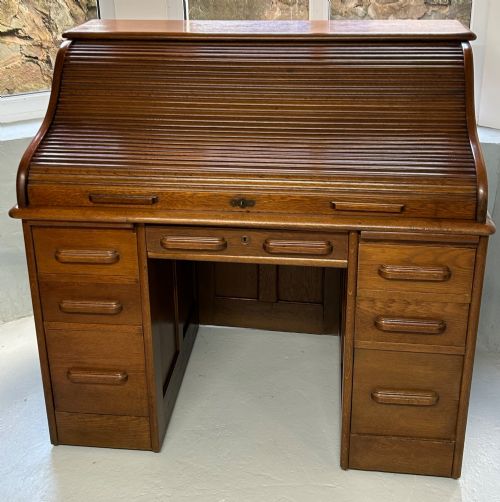
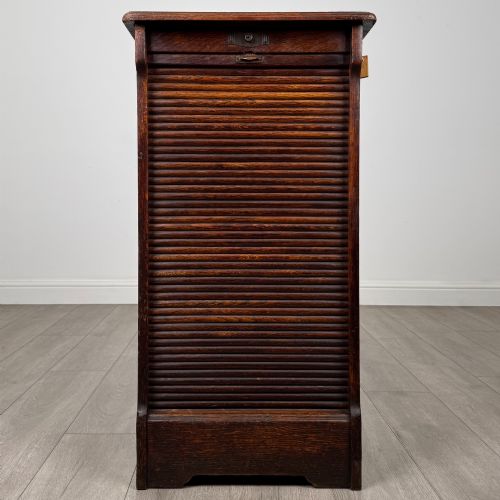
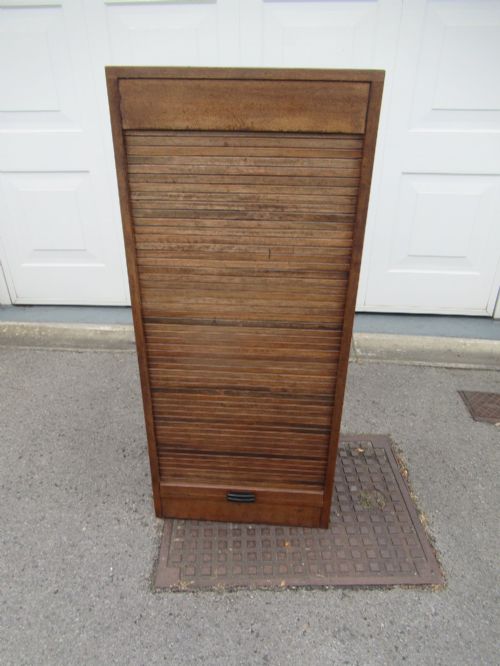
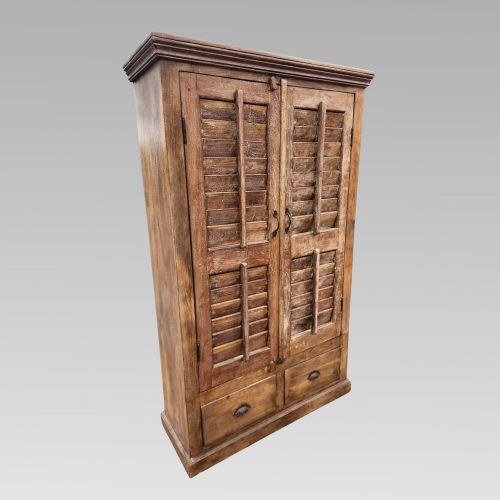
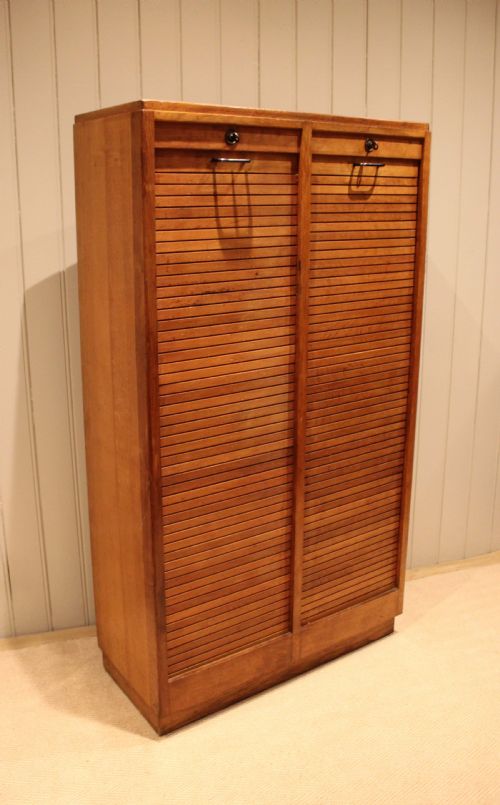
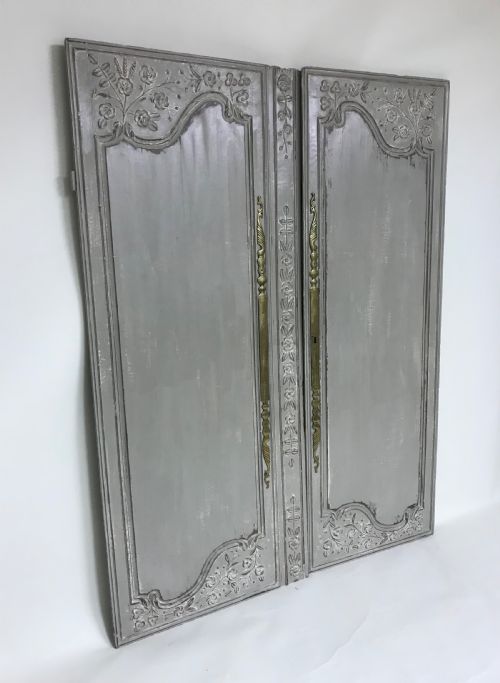
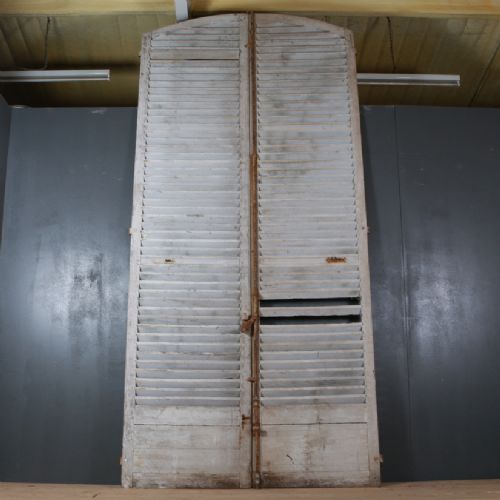
The objects most frequently met on this page are oak filing cabinets featuring tambour fronts, though genuine French shutters and painted doors also appear. These pieces originate from domestic and office settings, carrying the marks of daily use across different decades.
How they were made
Joinery relies heavily on solid oak and mahogany, constructed to withstand frequent handling in busy environments. Tambour fronts consist of narrow wooden slats fixed to canvas backings, allowing the door to slide smoothly around a curved track.
Metal and brass components provide internal mechanisms and pulls, while iron and steel strengthen structural joints. Painted finishes appear on rustic French pieces, adding surface texture to the underlying timber.
Antique Wooden Shutters Retail Price Guide 2026
Typical asking prices for wooden shutters among the pieces listed under this phrase on Sellingantiques today, from the lower quarter to the upper quarter. They describe what is for sale here now, not the wider market.
Tambour slats slide along hidden canvas tracks, proving that office paperwork has long relied on clever miniature joinery.
What varies in quality
The distinction between standard utility items and finer examples rests on the selection of timber and the precision of the joinery. Cabinets built with figured oak or mahogany and smoothly operating tambour tracks represent superior craftsmanship compared to plain utilitarian versions.
Condition is determined by the integrity of the wooden slats and the original hardware. Pieces retaining their brass fittings and functioning canvas backings hold greater interest for collectors than those with altered or replaced components.
The Antique Wooden Shutters Glossary
- Tambour
- A flexible door formed of narrow strips of wood attached to canvas, allowing it to slide around a curved track. This mechanism is commonly found on early twentieth century office filing cabinets.
- Architectural salvage
- Building elements and fittings rescued from older structures for reuse in interior design. This category includes doors, shutters, and cabinetry.
- Edwardian
- The period spanning the reign of King Edward VII, noted for furniture styles that often reinterpreted earlier classical motifs with lighter proportions. Pieces from this era frequently utilise oak.
- Art Deco
- A design style emerging in the early twentieth century characterised by sleek geometric forms and stylised motifs. In office furniture, it influences the clean lines of tambour cabinets.
- French Provincial
- A style reflecting traditional craftsmanship from regional France, often featuring rustic painted finishes and simple panel construction.
Antique Wooden Shutters: Frequently Asked Questions
What are tambour front cabinets?
Tambour front cabinets are office storage units featuring sliding doors made from narrow wooden slats affixed to canvas. These slats allow the door to retract smoothly around the sides of the cabinet.
Such designs were popular in early twentieth century offices to save space and conceal paperwork efficiently.
How do I date these pieces?
Dating relies on stylistic clues, construction methods, and materials such as oak, mahogany, or brass hardware. Edwardian and Art Deco pieces exhibit distinct decorative traits characteristic of their respective decades.
Period markers also appear in the mechanical complexity of the tambour tracks and internal fittings.
Where were shutters used?
Shutters served primarily on the exterior or interior of buildings to regulate light, ventilation, and privacy. French examples often featured solid wooden panels designed for domestic use.
Over time, surviving pairs are repurposed as decorative architectural elements within modern interiors.
How do I maintain oak furniture?
Maintaining oak furniture involves keeping the timber away from direct heat sources and sudden humidity changes. Regular dusting with a dry cloth preserves the finish without harming the grain.
Wax can be applied sparingly to nourish dry wood and maintain a soft sheen.