

Antique Wooden Sheet Stand
An antique wooden sheet stand organises folios and scores, bringing tactile warmth and period utility to a music room or study.
Antique Wooden Sheet Stand
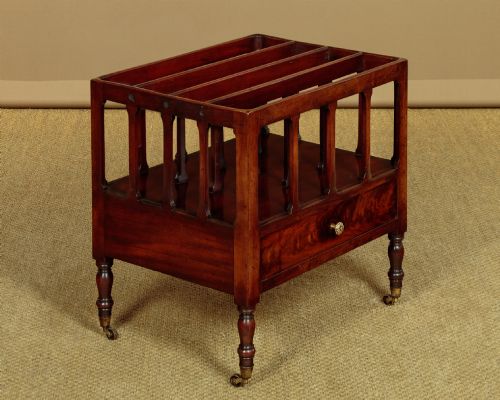
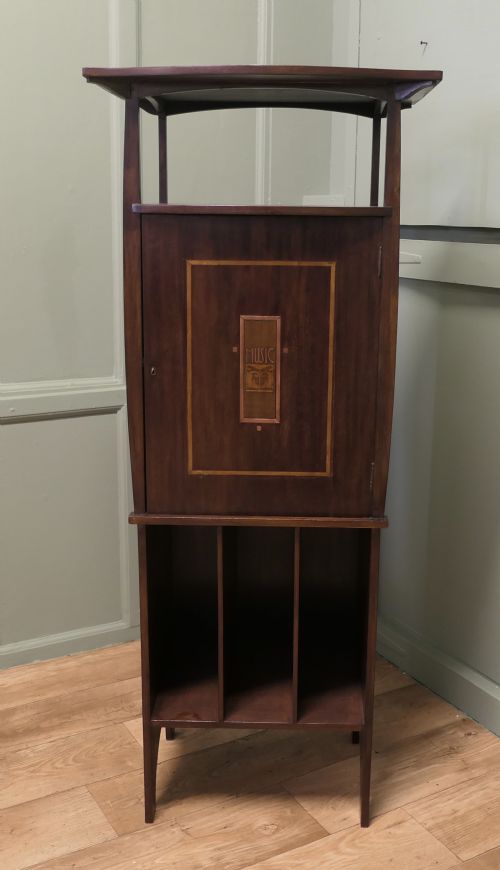
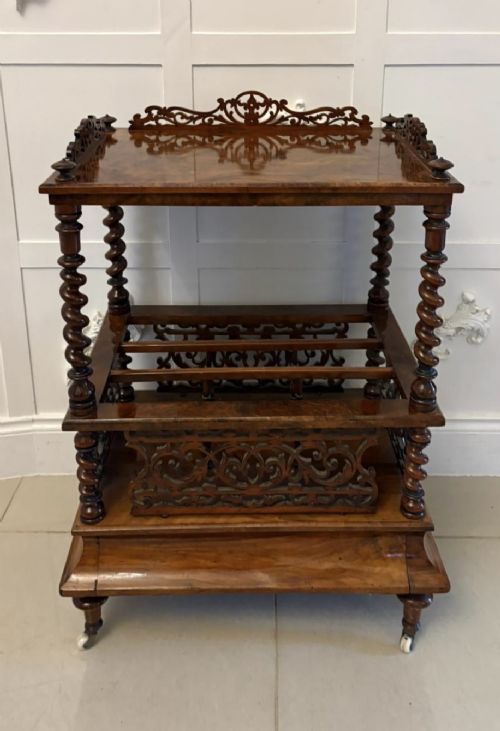
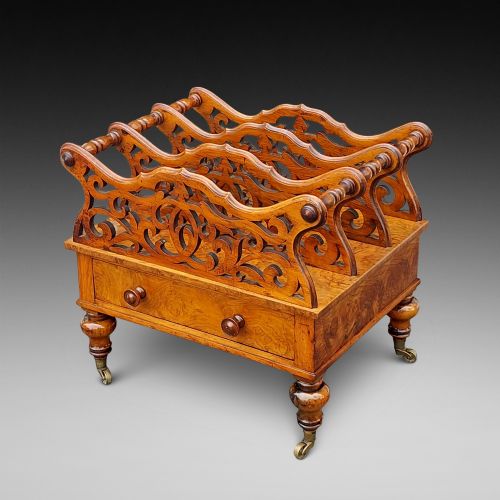
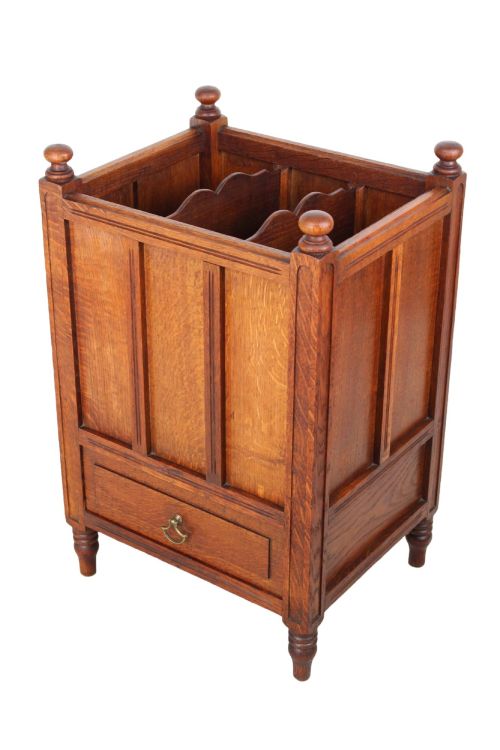
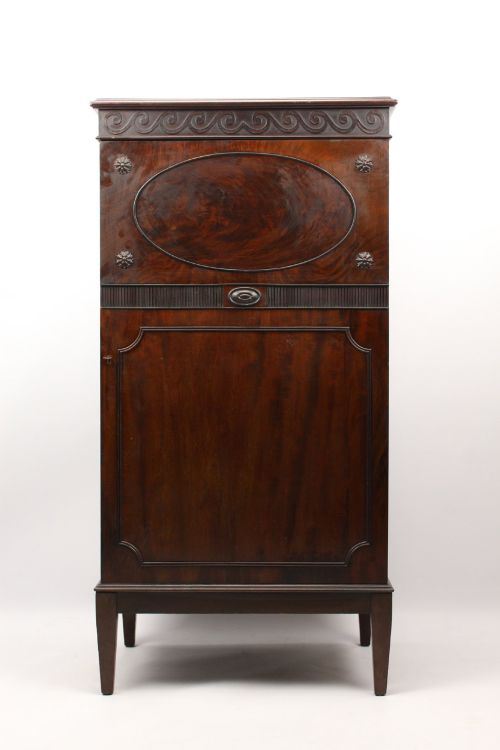
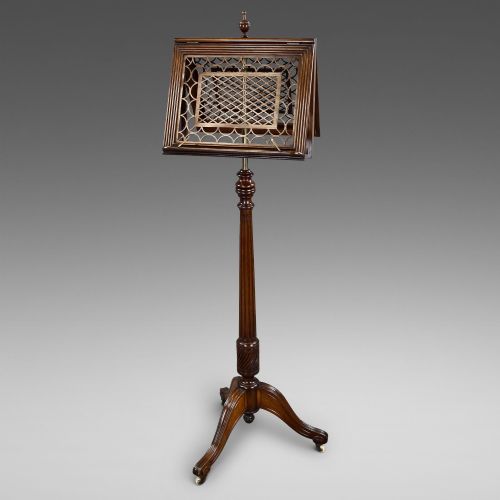
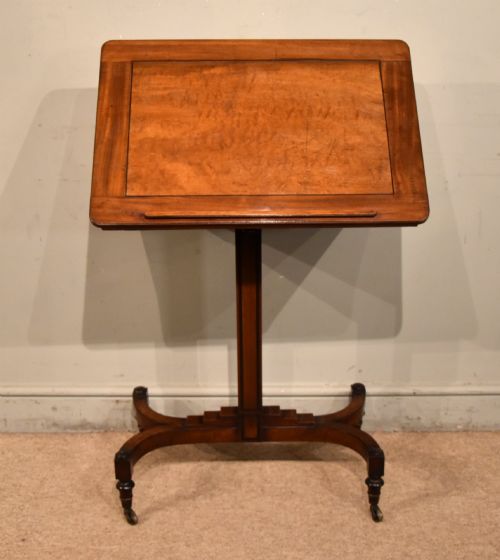
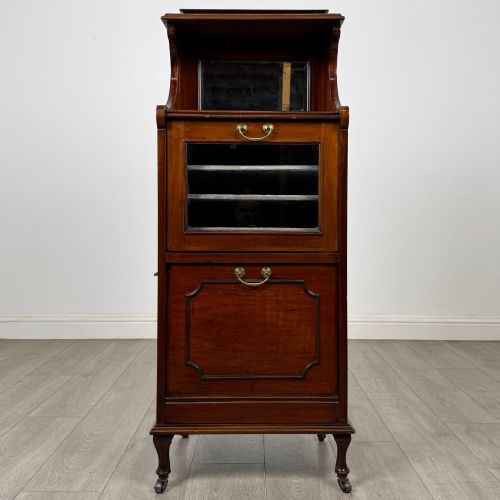
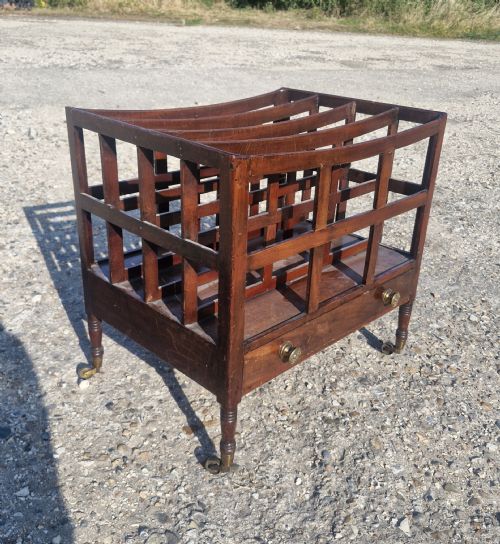
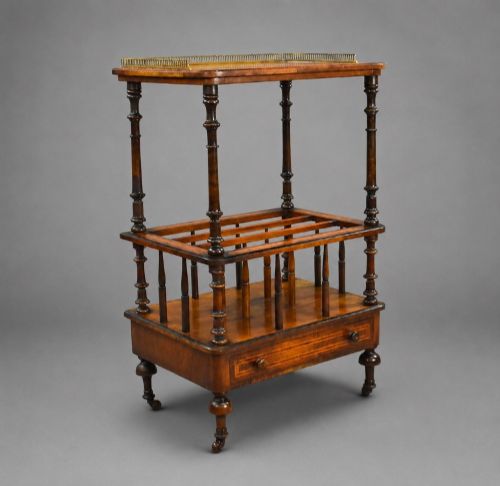
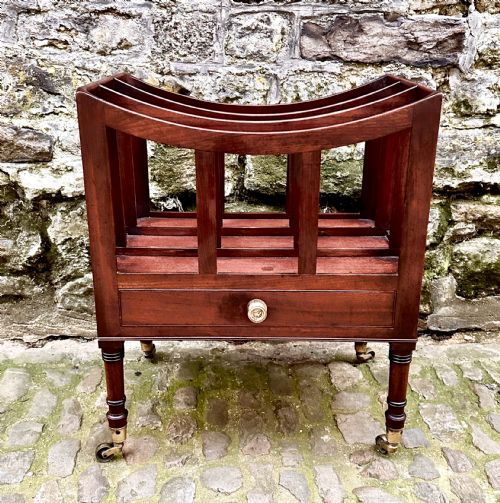
An antique wooden sheet stand encompasses musical furniture designed to hold folios, scores, and periodicals, spanning forms from freestanding canterburys to reading tables and music cabinets.
The selection here draws heavily on nineteenth-century pieces, including Georgian, Regency, William IV, and Victorian examples executed in mahogany, walnut, and oak.
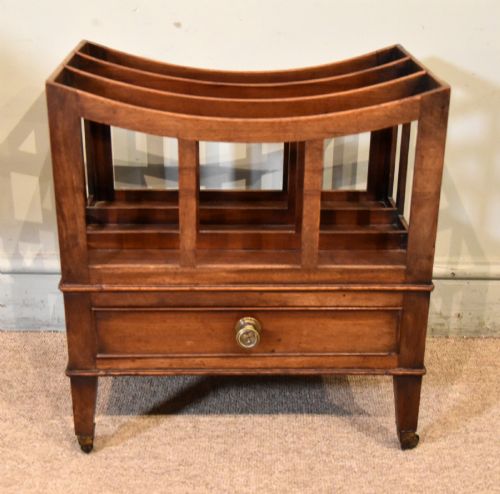
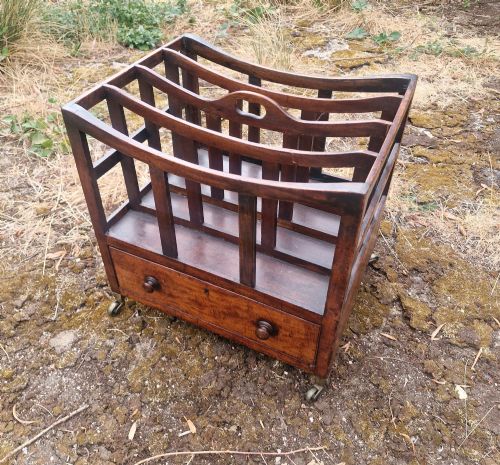
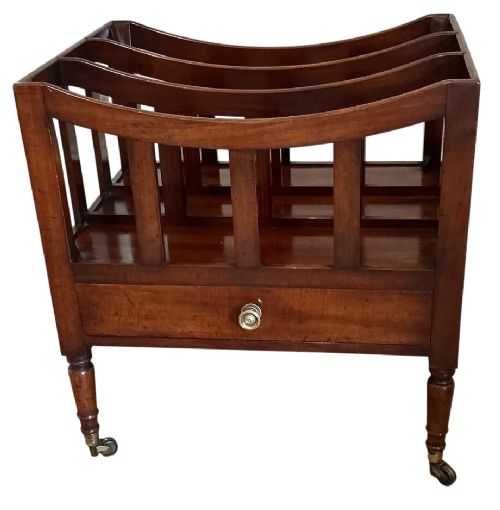
Buyers meet multifarious iterations such as boat-shaped canterburys, lyre-form stands, and compartmentalised cabinets equipped with drawers for smaller accessories.
How they were made
Cabinet makers utilised dense hardwoods like mahogany, rosewood, and walnut, often selecting burr veneers and satinwood inlay to provide visual depth on flat panels and surfaces.
Construction relies on traditional joinery techniques, combining turned or carved supports with fretwork frets, brass castors, and adjustable reading mechanisms.
Secondary elements incorporate brass fittings for adjustability and hinges, alongside hand-carved details characteristic of Victorian, Edwardian, and Arts and Crafts workshops.
Several stands double as occasional tables, proving that nineteenth-century musicians appreciated a convenient spot for a teacup.
What varies in quality
Quality rests upon the selection of timber figure, such as the richness of burr walnut or the clean grain of figured mahogany, paired with crispness in carved or fretted elements.
Engineering integrity dictates value, seen in smooth action within adjustable reading desks, robust spindle divisions in canterburys, and original brass castors or mountings.
GM Elwood for JS Henry·Denby and Spinks·Henry Ogden and Son
The Antique Wooden Sheet Stand Glossary
- Canterbury
- A low stand featuring partitioned vertical sections for sheet music or periodicals, frequently fitted with a single drawer and castors.
- Lyre-form
- A decorative motif shaped like an ancient lyre, frequently utilised in the central splats of music stands and reading desks.
- Inlay
- A technique where contrasting woods or metals, such as satinwood, are inserted into recesses within the primary timber surface to create patterns.
- Fretwork
- Openwork ornamentation carved or pierced through thin timber boards, common on the gallery rails of nineteenth-century stands.
Antique Wooden Sheet Stand: Frequently Asked Questions
How do I use a sheet stand today?
These stands accommodate contemporary sheet music, art folios, and large magazines in a living room or study.
Their compartmentalised designs keep desk surfaces clear while offering accessible storage for daily reading.
What is the difference between a canterbury and a music cabinet?
A canterbury is an open stand with vertical partitions for sorting loose scores and periodicals at floor level.
By contrast, a music cabinet provides enclosed shelving or drawer space behind doors to protect delicate documents from dust.
Are these stands suitable for modern rooms?
The compact footprints of these pieces allow them to sit beside pianos, desks, or seating areas without dominating a space.
Rich timber grains and brass accents introduce traditional texture to contemporary interiors.
How can I identify the period of a stand?
Period indicators include timber choices, such as rosewood and burr walnut in Victorian pieces or lighter oak in Edwardian examples.
Joinery methods, hardware styling, and decorative motifs like fretted lyres further pinpoint manufacturing eras from the Georgian epoch onward.