

Antique Wooden Sewing
These antique wooden sewing items and work tables bring domestic craftsmanship into modern rooms.
Antique Wooden Sewing
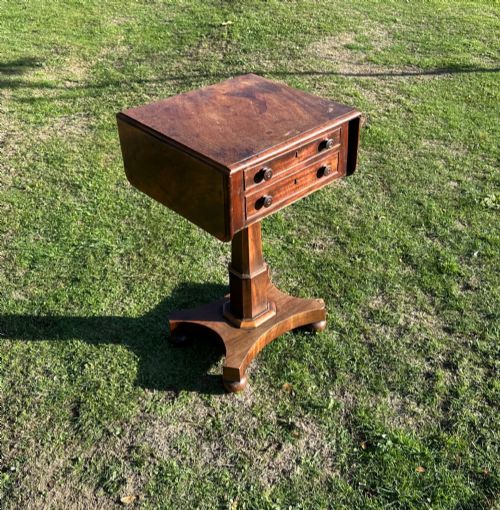
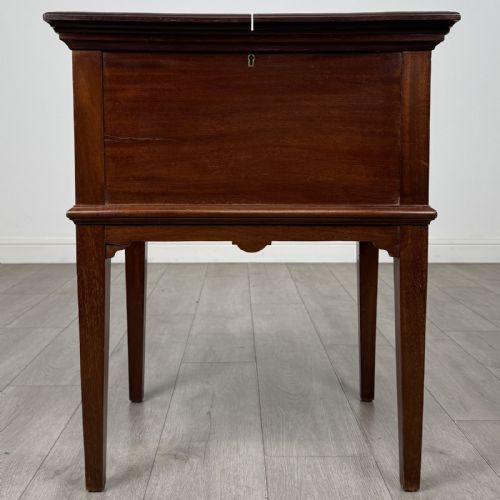
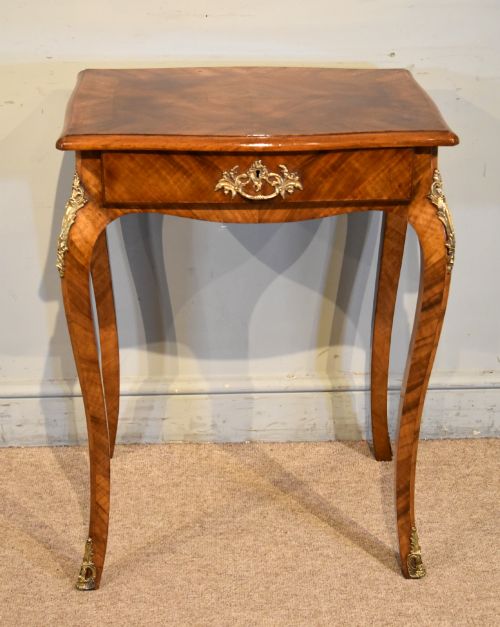
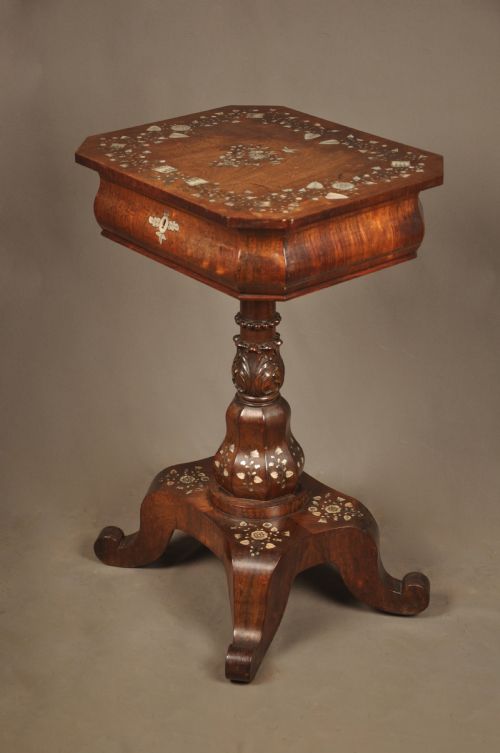
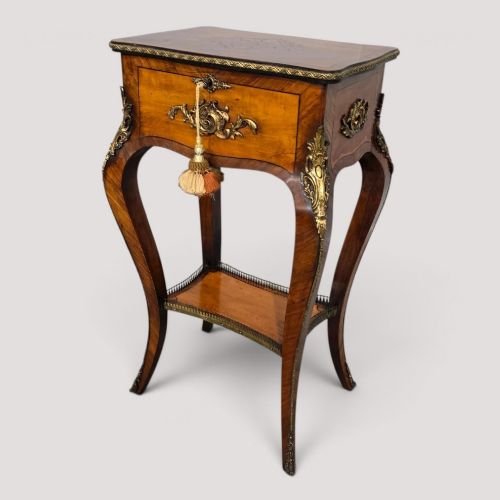
When searching for antique wooden sewing, buyers encounter a diverse range of functional domestic objects from the Georgian, Regency, and Victorian periods. These pieces include fitted table cabinets, drop leaf work tables, and intricate treen accessories designed for needlework.
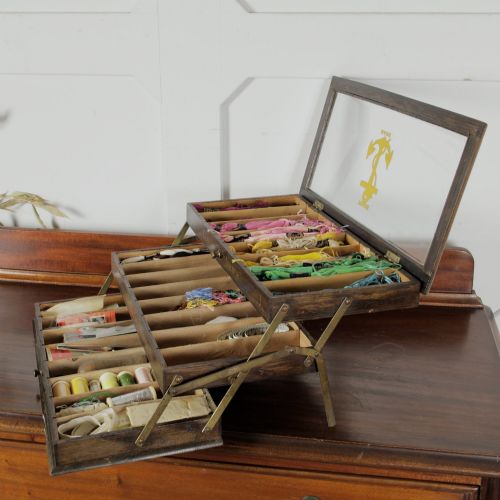
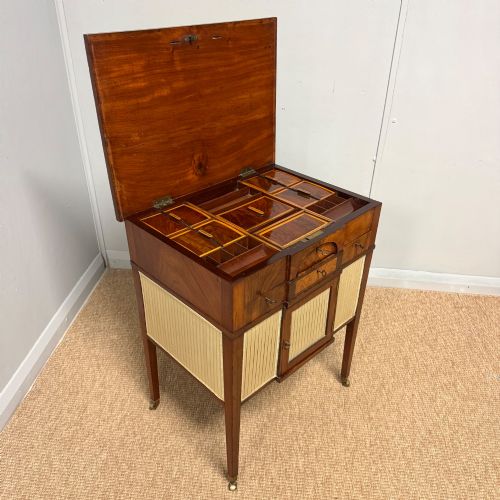
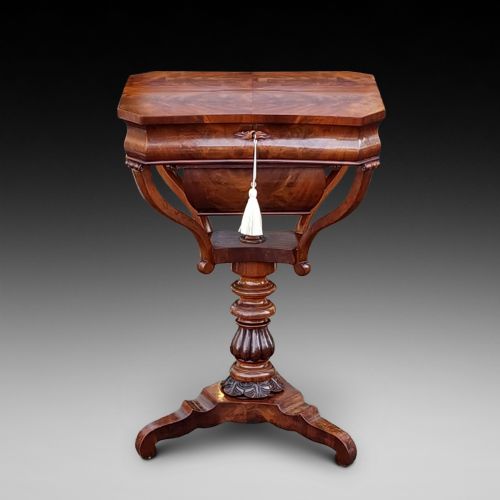
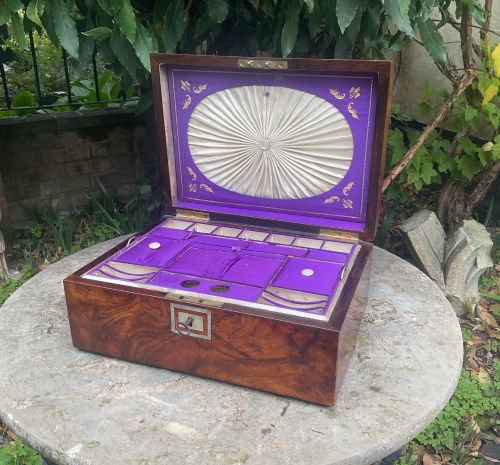
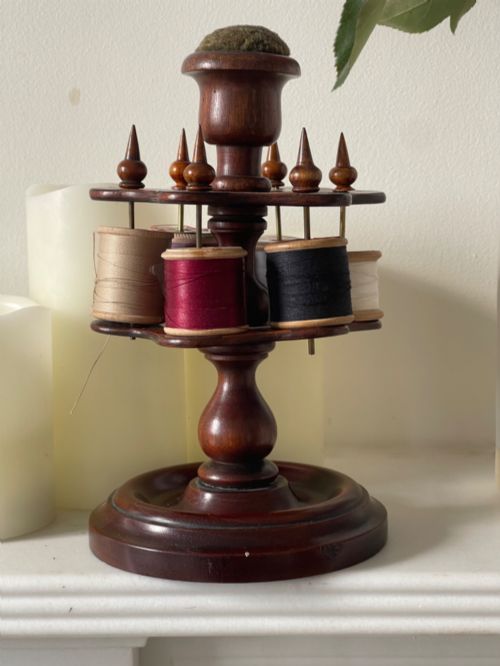
Work tables and sewing boxes predominate on this page, often featuring internal compartments, silk lined wells, and specialised holders for cotton reels or pins. Woods such as mahogany, walnut, rosewood, and satinwood form the primary structure of these survivors.
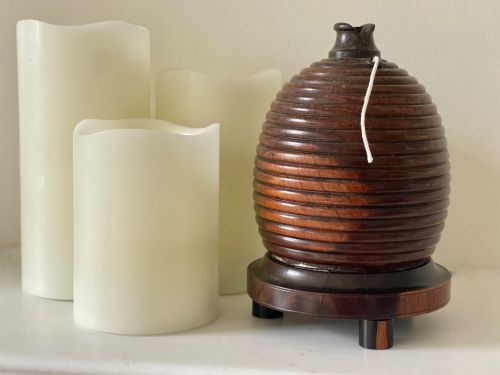
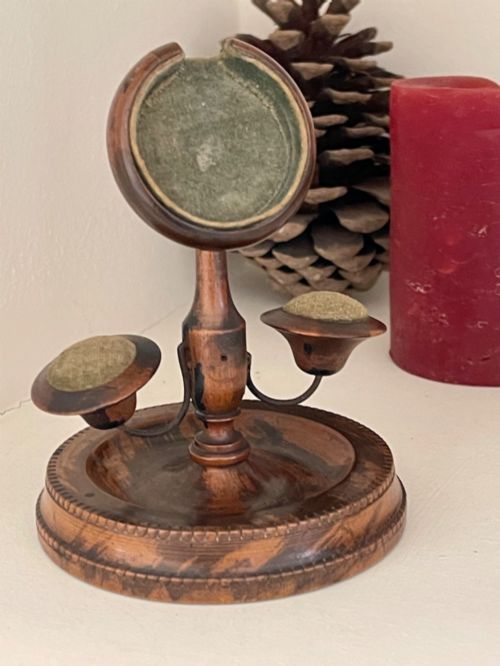
Smaller treen objects also appear alongside larger furniture, ranging from string boxes to knitting sheaths and reel holders. These items reflect the domestic handwork of past centuries while offering practical utility today.
Materials and construction methods
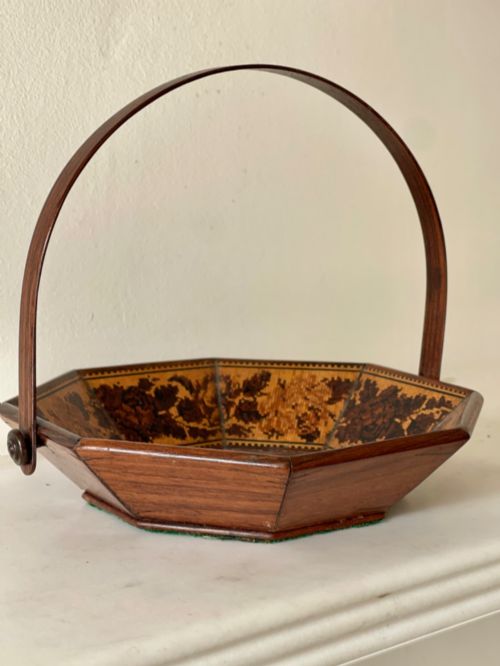
Cabinet makers utilised dense hardwoods like mahogany, walnut, and rosewood, frequently applying burr veneers or flame figuring to the primary surfaces of work tables and boxes. Inlays of lighter timbers and Tunbridge Ware mosaic decoration add intricate geometric detail to lids and borders.
Internal compartments require precise joinery, often incorporating folding mechanisms, sliding trays, and hidden drawers. Silk panels, brass hardware, and mother-of-pearl accents complete the fitted interiors of the finest boxes and tables.
Antique Wooden Sewing Retail Price Guide 2026
Typical asking prices for wooden sewing among the pieces listed under this phrase on Sellingantiques today, from the lower quarter to the upper quarter. They describe what is for sale here now, not the wider market.
Past makers turned humble fruitwood into bee hive string boxes and fish shaped knitting sheaths for fireside craft.
Distinctions in quality and execution
The degree of refinement in the timber selection and marquetry inlay largely determines the standing of a piece. Figures of walnut and flame mahogany show superior selection by the original maker, whereas plain boards indicate standard commercial production.
Completeness of internal fittings, such as original silk wells, carved bone accessories, and working locks with keys, elevates the desirability of sewing boxes and work tables. Sound structural joinery in the legs and drop leaves ensures enduring stability.
The Antique Wooden Sewing Glossary
- Treen
- Small handmade wooden household objects. These items display simple utilitarian turning or carving from domestic timbers.
- Work Table
- A specialised small table with drawers or hanging bags for needlework. They serve as versatile occasional tables in modern settings.
- Tunbridge Ware
- Small wooden objects decorated with mosaic wood tesserae. These pieces form pictorial or geometric patterns using naturally coloured woods.
- Marquetry
- Decorative veneer patterns applied to furniture surfaces. Craftsmen cut contrasting wood veneers to create floral or geometric designs.
- String Barrel
- A turned wooden container for dispensing cord or twine. They feature a central aperture in the lid for the string to pull through cleanly.
Antique Wooden Sewing: Frequently Asked Questions
What is an antique work table?
An antique work table is a small piece of furniture designed specifically to hold sewing materials, threads, and tools inside built-in drawers or suspended fabric bags.
These tables date principally from the Georgian, Regency, and Victorian eras, functioning equally well today as bedside stands or living room occasional tables.
How do I use a sewing box?
Antique sewing boxes serve as decorative storage containers for modern sewing notions, jewellery, or small desk accessories.
Lifting the lid reveals partitioned trays and velvet-lined compartments designed to keep small items organised and secure.
What is Tunbridge Ware?
Tunbridge Ware is a distinctive form of woodwork featuring mosaic patterns assembled from thousands of tiny wood blocks.
Craftsmen in Kent produced these decorative boxes and reel holders, creating detailed images of castles, flowers, and geometric borders.
How do I identify a Victorian work table?
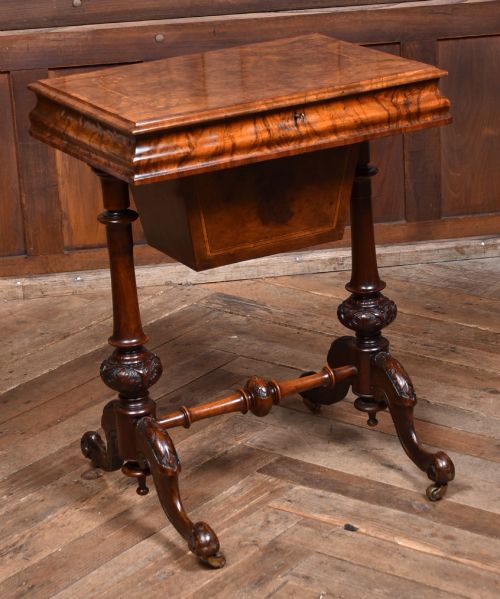
Victorian work tables typically feature darker hardwoods such as walnut, rosewood, or mahogany, often combined with turned pedestals and scroll feet.
Many examples include drop leaves, shaped skirts, and internal compartments lined with fabric for storing needlework.