

Antique Wooden Seaters
Antique wooden seaters comprise benches, settles, settees, and dining tables made across the Georgian, Victorian, and Edwardian periods for everyday utility and communal use.
Antique Wooden Seaters
Antique wooden seaters cover a broad spectrum of domestic furniture designed for sitting or gathering around tables. These pieces originate from periods spanning the Georgian era through to the early twentieth century, incorporating styles such as Regency, Jacobean Revival, and rustic farmhouse.
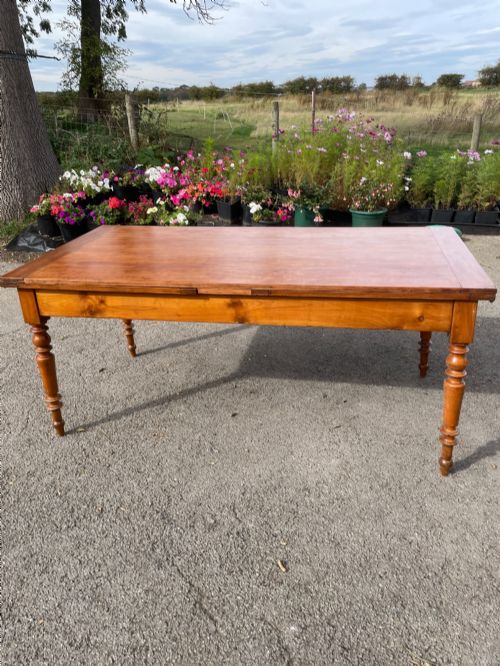
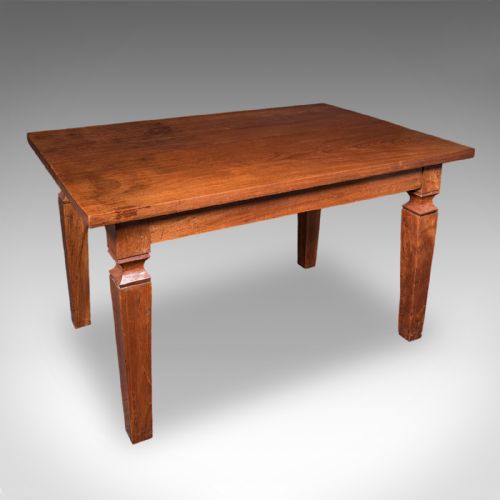
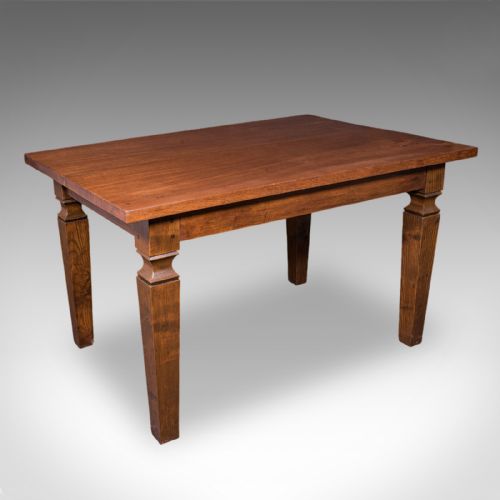
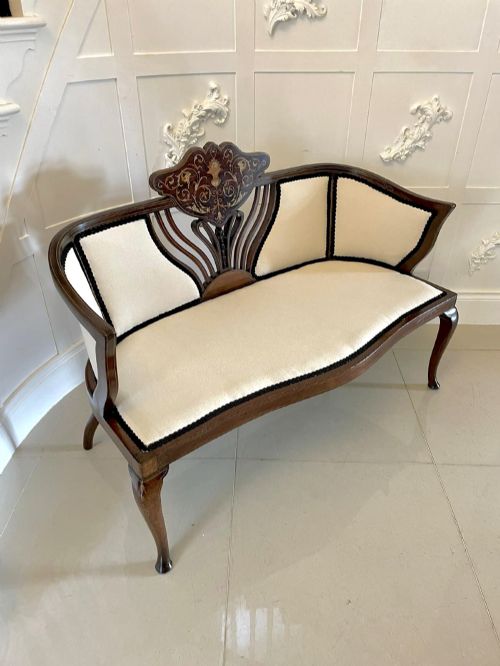
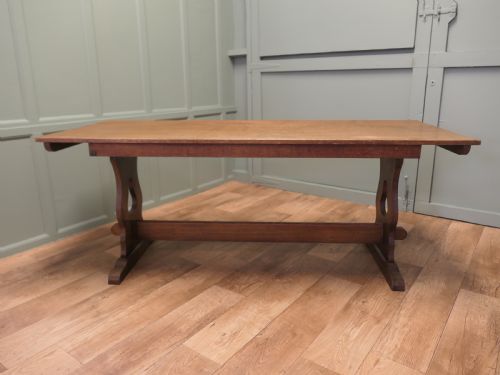
The selection on this page leans heavily toward solid timber tables, church pews, hall settles, and multi-seater settees. Materials such as pine, oak, and mahogany predominate, often showing the marks of long domestic service in farmhouses, halls, and dining rooms.
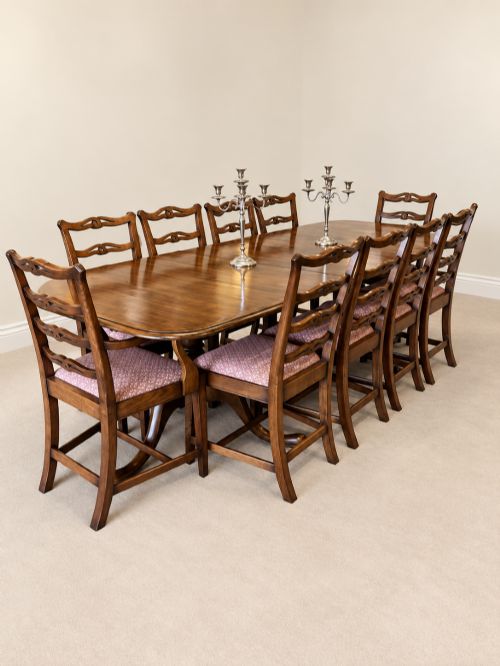
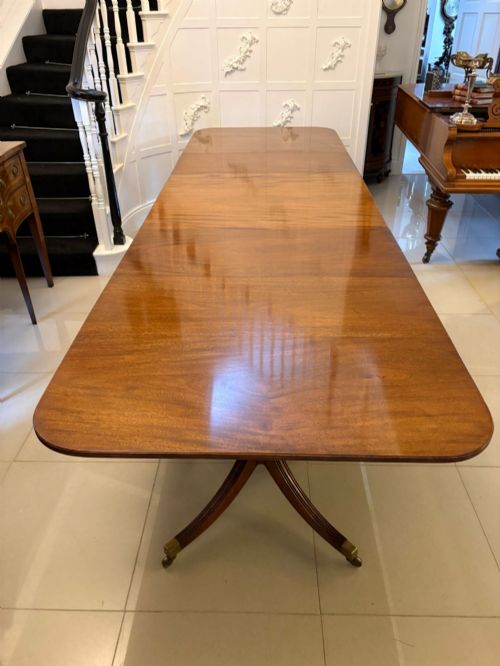
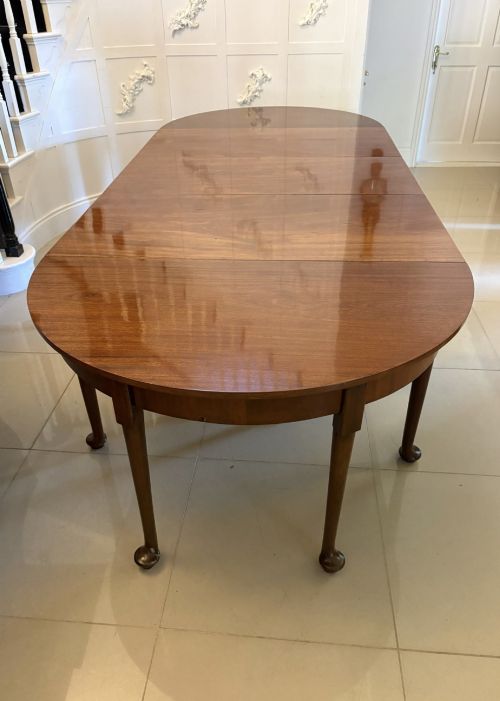
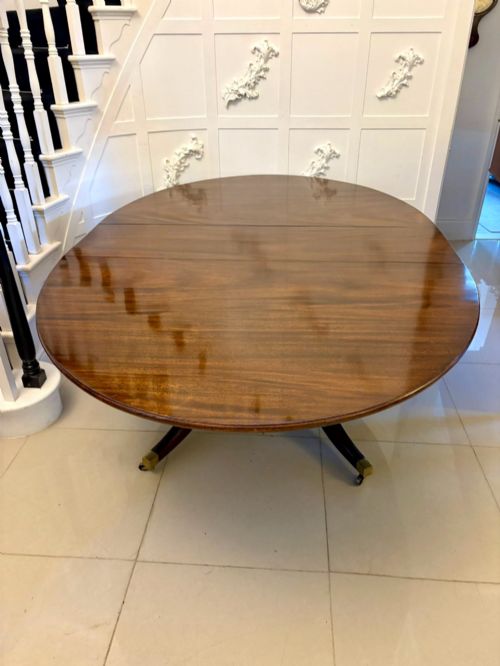
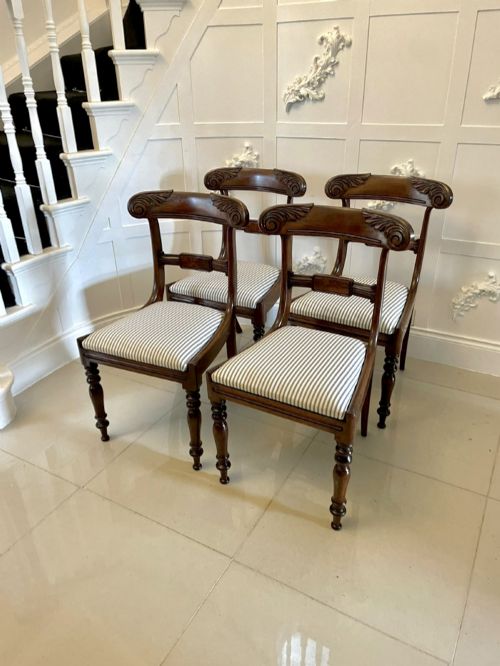
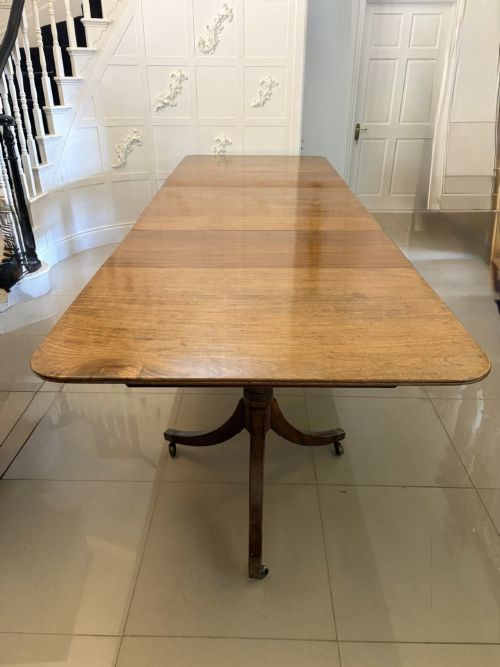
Buyers encounter everything from large extending dining tables seating up to fourteen people to compact window seats and painted pine benches. Each piece reflects the functional requirements of historical interiors, constructed primarily to accommodate multiple occupants.
How they were made
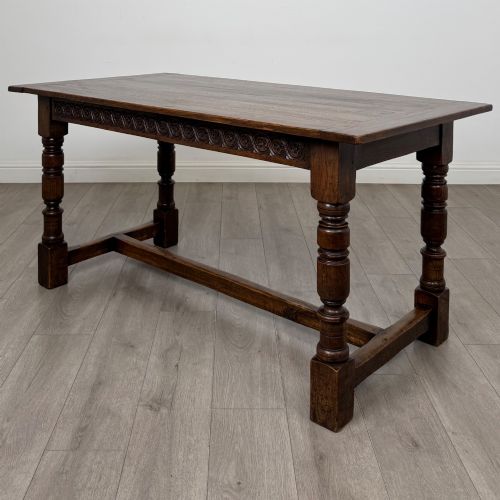
Construction relies heavily on native and imported timbers, with oak, mahogany, pine, and walnut forming the structural core of these items. Joinery techniques vary from traditional pegged mortise and tenon joints in refectory tables to finely turned legs and inlaid veneers on formal mahogany settees.
Secondary materials such as brass fittings, iron reinforcement, and leatherette or fabric upholstery appear alongside applied painted finishes and wax polish. Craftsmen shaped these woods using hand tools, creating sturdy frames designed to withstand heavy daily use over generations.
Listings feature oak, pine, mahogany, and walnut across Georgian, Victorian, and Edwardian periods.
What varies in quality
The standard of timber selection largely dictates the standing of a piece, with highly figured mahogany, dense old-growth oak, and clean pine marking out superior examples. Craftsmanship is visible in the precision of carved details, the stability of extending mechanisms, and the integrity of structural joints.
Proportion and decorative restraint also separate standard utility items from exceptional workshop productions. Pieces retaining original surface patination, whether waxed polish or early paint, command greater interest than those stripped or overly restored.
The Antique Wooden Seaters Glossary
- Settle
- A wooden bench with a high back, solid arms, and often a storage box beneath the seat. This form protected occupants from drafts in older hallways and kitchens.
- Refectory table
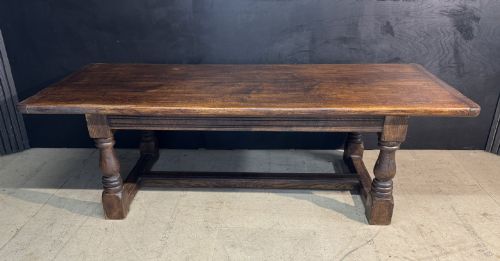
- A long, narrow dining table traditionally used in communal dining halls. These heavy wooden tables rest on substantial legs connected by floor-level stretchers.
- Extending table
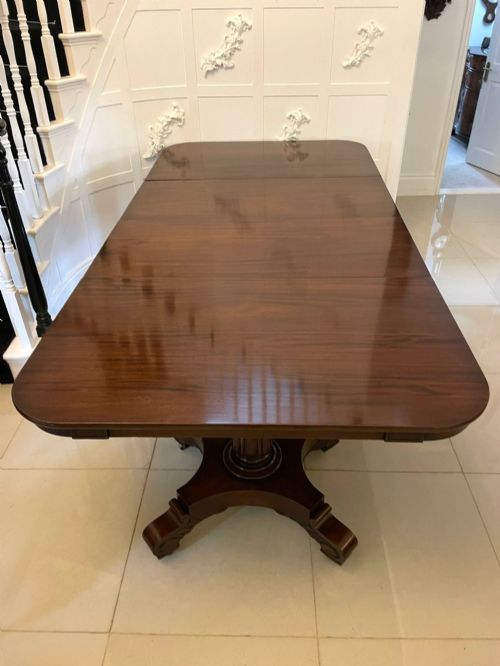
- A dining table equipped with a mechanism or loose leaves to increase its overall length. These allowed households to expand surface area for larger gatherings.
- Faux bois
- A decorative technique mimicking wood grain, seen here cast in iron for garden seating. It translates literally from the French as false wood.
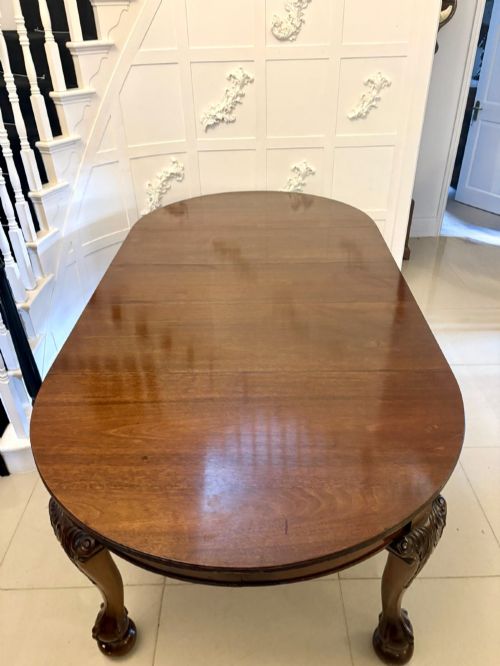
- Wake table
- A large oval dining table with hinged drop leaves supported by swing legs. They were historically utilised for large community feasts and parish wakes.
Antique Wooden Seaters: Frequently Asked Questions
How do I clean a waxed wooden settle?
Dust the surface regularly with a soft, dry cloth to prevent grit accumulation.
Apply a traditional beeswax polish sparingly when the timber appears dry, buffing it gently to maintain the protective sheen.
Can I use an antique pine bench outdoors?
Pine and interior hardwoods lack the natural oils required to withstand prolonged exposure to rain and frost.
Keep these pieces inside domestic spaces or sheltered porches to prevent timber rot and structural splitting.
How do I identify a Georgian dining table?
Examine the timber species and construction methods underneath the top surface for hand-cut joints and native hardwoods like elm or mahogany.
Georgian tables usually display simpler, heavier framing without the mechanical complexity seen in later Victorian extending mechanisms.
What is the difference between a settle and a pew?
Settles typically feature enclosed storage boxes beneath the seat and solid panelled backs designed for domestic halls.
Church pews are longer, open-bottomed benches originally arranged in rows for communal ecclesiastical seating.