
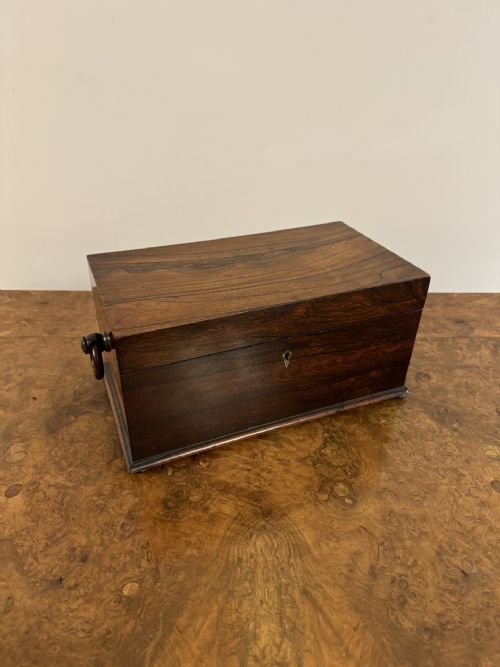

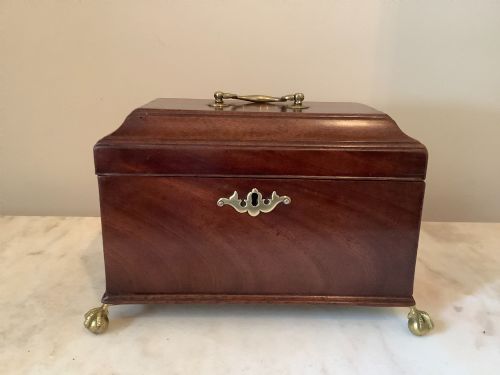

Antique Wooden Sarcophagus
An antique wooden sarcophagus is a container modeled on ancient tomb forms, prized by collectors for holding tea, wine, or jewellery.
Antique Wooden Sarcophagus
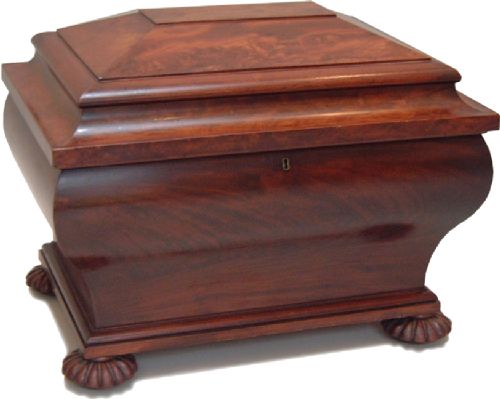
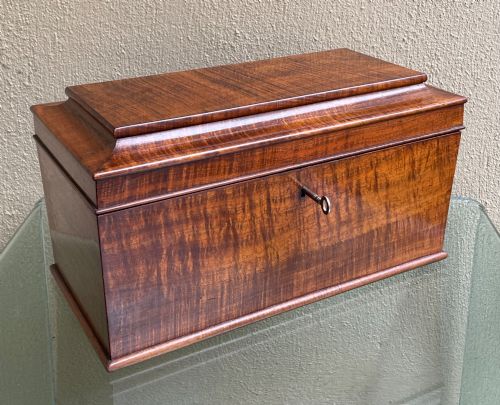
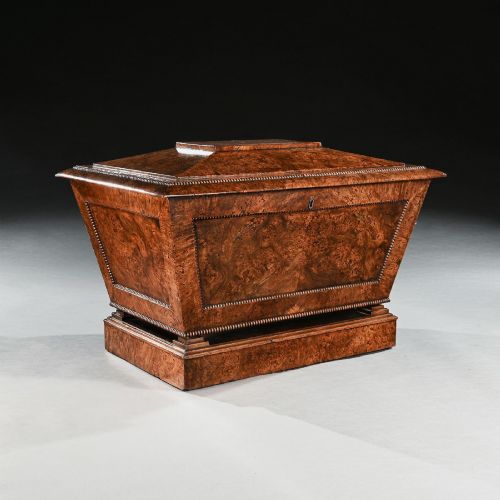
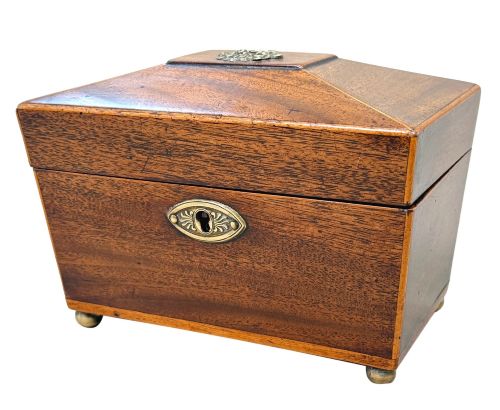
When you search for an antique wooden sarcophagus, you encounter a specialised form of lidded container designed in the architectural style of a tomb. These pieces span several eras, with Regency and Georgian examples appearing most frequently alongside Victorian iterations.
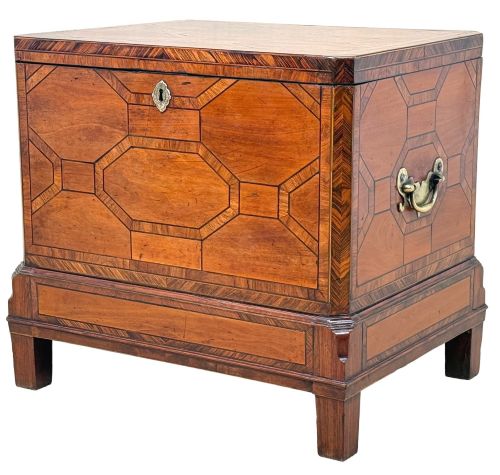
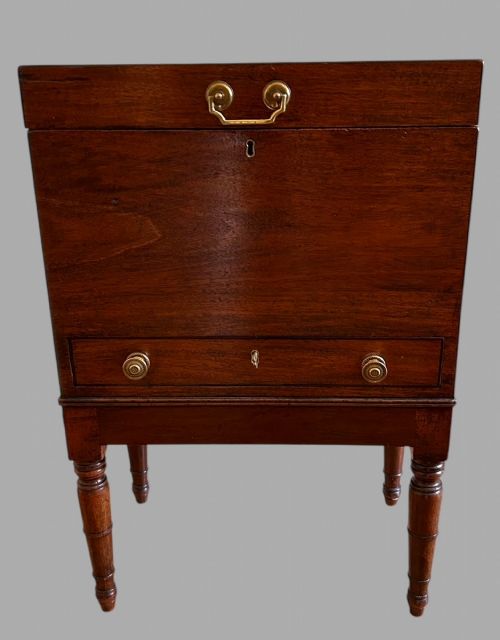
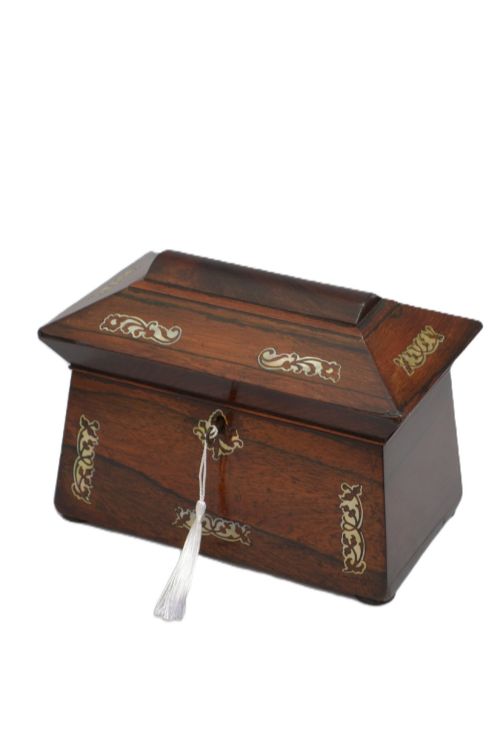
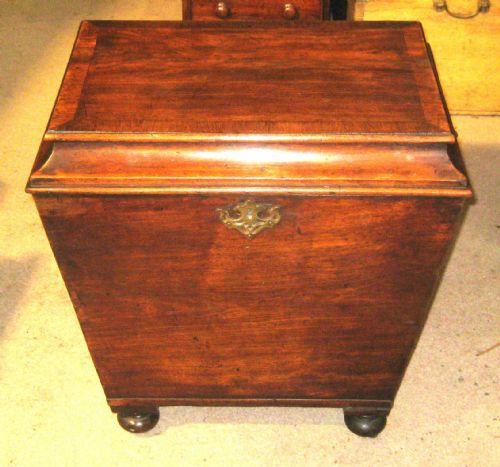
The objects themselves serve varied domestic functions rather than funerary ones. The evidence shows them taking the form of tea caddies, cellarettes, wine coolers, and jewellery boxes.
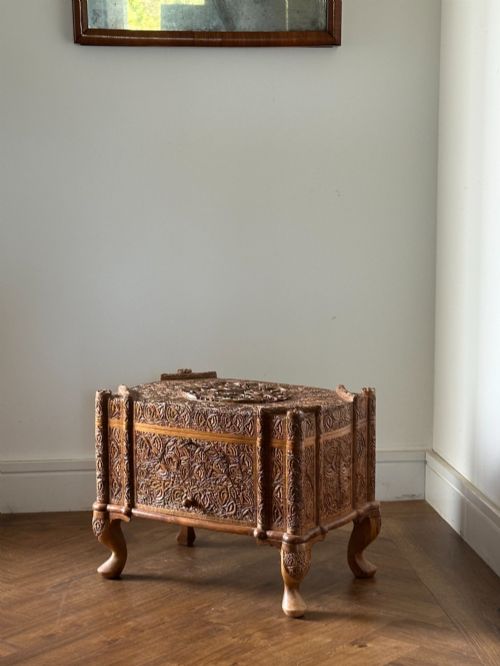
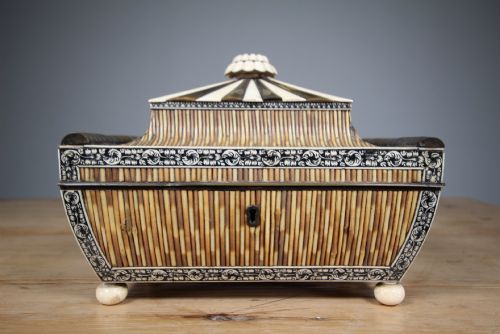
Origins range across English workshops, French Louis XVI interpretations, and Indian carved sandalwood caskets. Mahogany and rosewood form the primary bodies of these sarcophagus-shaped vessels.
How they were made
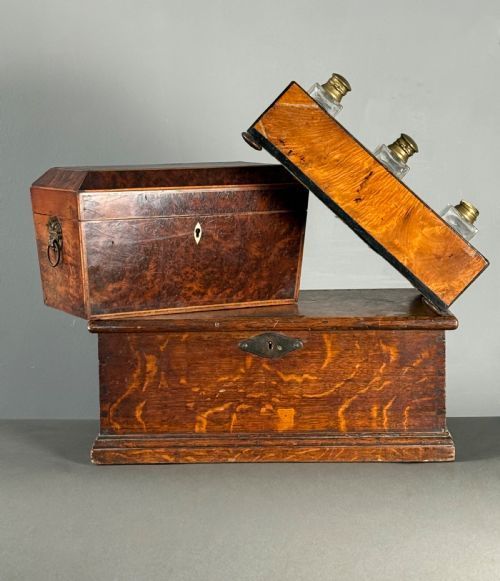
Cabinet makers built these pieces using dense hardwoods such as mahogany, rosewood, and pollard oak, often accented with boxwood, ebony, and satinwood veneers. Structural integrity relied on traditional joinery to house delicate items like tea leaves or bottled wine.
Surface ornamentation involved brass inlay, ormolu mounts, leather binding, and mother of pearl details. Certain pieces incorporated lead liners for wine coolers or intricate internal compartments featuring secret drawers for valuables.
Listings feature woods such as mahogany, rosewood, burr yew, pollard oak, satinwood, and kingwood, alongside decorative bone and mother of pearl.
What varies in quality
The distinction between standard examples and superior pieces rests on the selection of timber and the precision of decorative inlays. Figure in the wood, such as flame mahogany or burr yew, elevates a piece.
Hardware and internal fittings dictate distinction. Original lion mask handles, functional locks with keys, intact lead linings, and complex internal layouts distinguish finer workshops from simpler production.
Henry Hollamby·Thomas Hope
The Antique Wooden Sarcophagus Glossary
- Sarcophagus form
- A container design featuring a stepped, domed lid and flared sides reminiscent of an ancient stone coffin. This silhouette became popular for luxury boxes during the Georgian and Regency periods.
- Cellarette
- A lockable container or cabinet designed to hold bottles of wine or spirits. Many examples from this selection adopt the sarcophagus shape.
- Teapoy
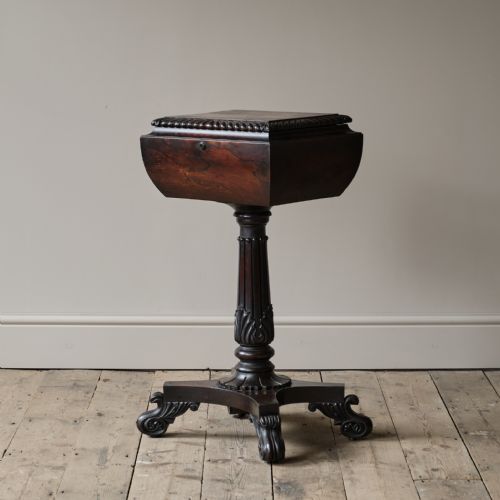
- A small stand or box intended to hold tea caddies. Some historical versions utilise a sarcophagus box mounted on a pillar or legs.
- Tunbridge Ware
- A type of decorative woodwork characterised by tiny mosaic tiles forming pictorial or geometric patterns. These are applied to the surfaces of small boxes and tea caddies.
- Ormolu
- Gilded bronze mounts applied to furniture and decorative boxes. This technique provides metallic contrast against dark hardwoods like mahogany and rosewood.
Antique Wooden Sarcophagus: Frequently Asked Questions
What were antique wooden sarcophaguses used for?
These vessels functioned primarily as storage for high-value consumables and personal treasures in the home. Tea caddies safeguarded expensive tea leaves under lock, while cellarettes and wine coolers kept bottles secure and chilled near the dining table.
Smaller boxes served as jewellery caskets or quill boxes for writing desks. Their substantial architectural presence also functioned as a display of wealth and taste in reception rooms.
How do I date an antique sarcophagus box?
Dating relies on identifying the prevailing stylistic traits, timber choices, and construction methods of the period. Georgian and Regency pieces frequently employ solid mahogany or rosewood with brass inlay, while Victorian examples often feature burr walnut or applied mother of pearl.
Secondary woods inside the box, hinge types, and lock mechanisms provide further clues. Surviving labels or documented maker attributions help narrow the timeframe of manufacture.
How do I care for a wooden sarcophagus?
Maintain these boxes in stable indoor environments away from direct sunlight and sudden temperature shifts to protect the timber and veneer. Consistent humidity prevents the wood from splitting and keeps delicate brass or bone inlays secure.
Apply a microcrystalline wax periodically to nourish the wood and preserve the patina. Avoid abrasive cleaning agents on metal mounts and leather elements.
Are these boxes still practical to use?
Many of these containers retain their original functionality for storing jewellery, letters, or small collections. Tea caddies with intact foil or wooden compartments can still hold dried goods or small trinkets.
Wine coolers and cellarettes adapt well to modern interiors as decorative side tables or storage bins. Their robust construction ensures they remain functional antique objects.