
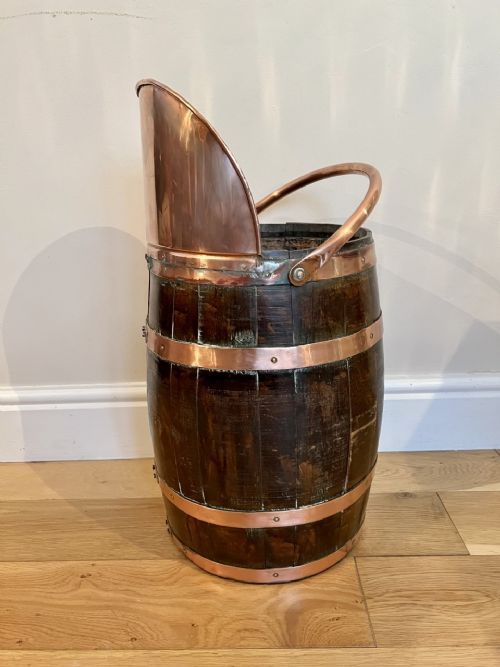


Antique Wooden Purdonium
An antique wooden purdonium is a fireside coal container designed to keep solid fuel close at hand while concealing it within domestic cabinetry.
Antique Wooden Purdonium
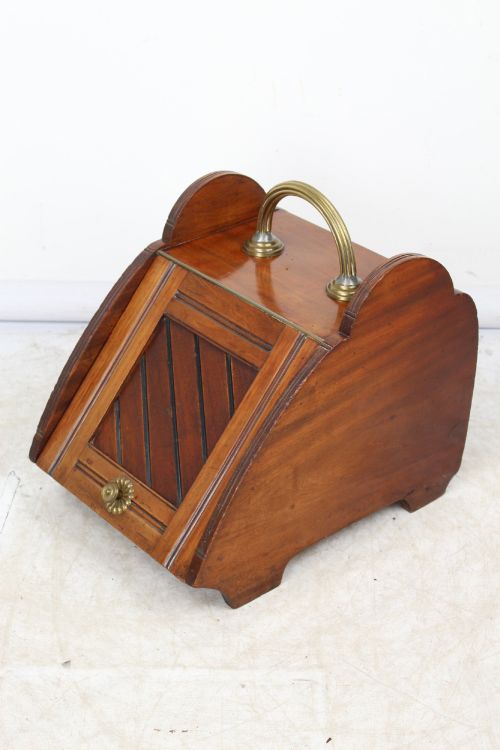
An antique wooden purdonium serves as a dedicated fireside cabinet for holding coal, featuring a hinged front or drop-down door alongside a removable metal liner. These domestic receptacles date primarily from the Victorian and Edwardian eras, spanning the nineteenth and early twentieth centuries.
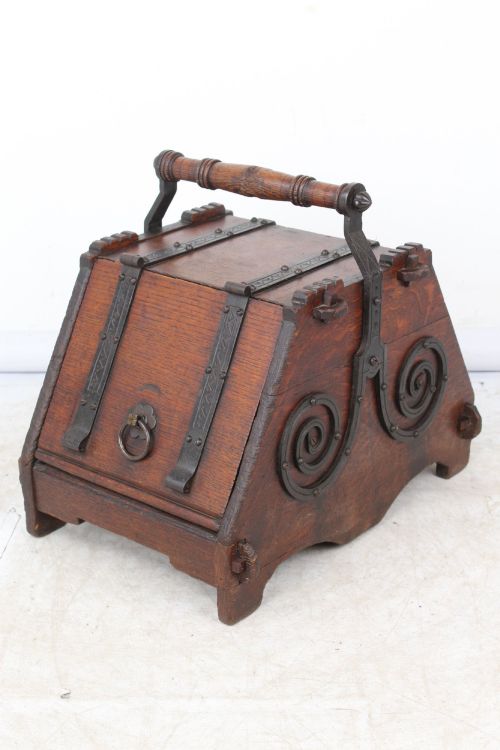
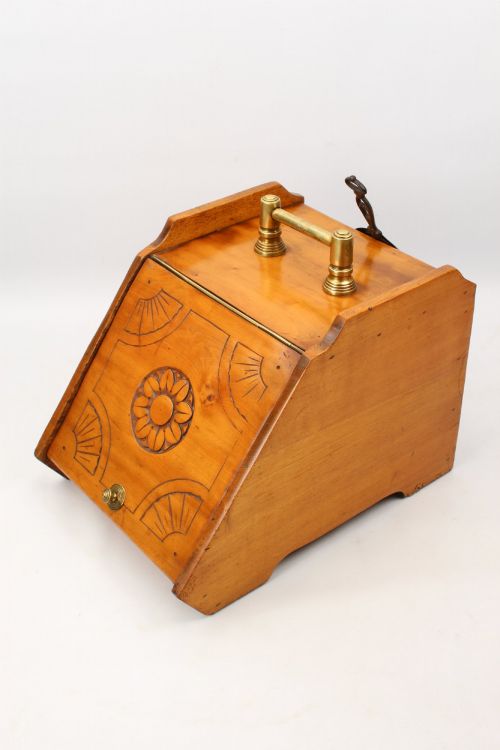
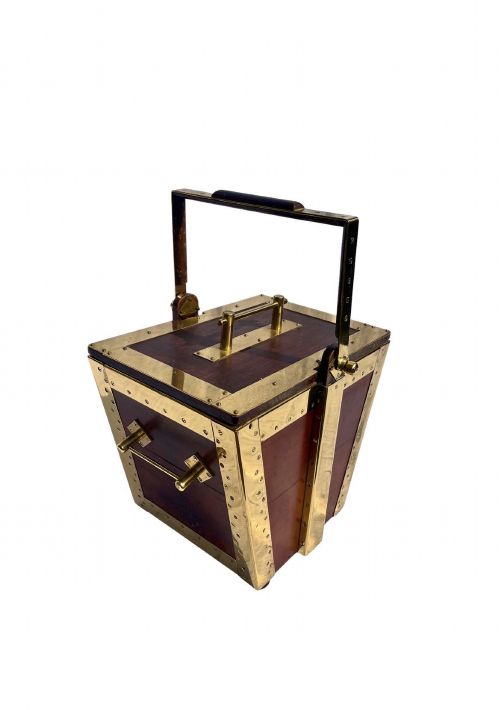
The prevailing form met on this page is constructed from timber such as oak, mahogany, or walnut, often enhanced with brass handles, hinges, and mounts. Makers designed these pieces to sit neatly beside the fireplace, combining utilitarian fuel storage with the polished appearance of fine furniture.
Materials and construction methods
Cabinet makers built these fireside boxes using dense hardwoods like mahogany, oak, and walnut, frequently selecting rosewood or pollard oak for more decorative examples. Timber panels were joined with sturdy cabinetry techniques to withstand the daily weight and friction of heavy coal loads.
Metal fixtures played a vital structural role, utilising brass for drop handles, strap hinges, decorative mounts, and internal liners. Iron and copper also appear on specific models, providing durability to handles and interior compartments designed to contain soot and fuel residue.
Listings feature woods ranging from mahogany and oak to walnut and rosewood, often complemented by brass and copper fittings.
Distinctions in craftsmanship
The tier of a piece rests upon the selection of timber and the precision of its decorative details, such as fine wood carvings or delicate marquetry inlay. Superior examples integrate heavy cast brass mounts and retain their original matching metal liners and coal shovels.
Simpler iterations rely on plain timber construction with standard iron hardware, serving a purely practical function rather than a decorative one. The presence of specialised styling influences, including Gothic Revival or Art Nouveau motifs, elevates certain boxes beyond standard utility.
Christopher Dresser
The Antique Wooden Purdonium Glossary
- Purdonium
- A specialised cabinet or box designed specifically for storing household coal near a fireplace. It typically includes a sloping front door and an internal metal scuttle.
- Liner
- The removable metal insert that sits inside the wooden cabinet to contain coal dust and fragments. Original liners are made of galvanized iron, zinc, or copper.
- Coal scuttle
- An open bucket or container used for carrying solid fuel to the hearth. These often feature a swinging handle and a fixed flat base for tipping.
- Ormolu
- Gilt bronze mounted onto furniture as a decorative trim. It appears on select refined coal bins from the Victorian period.
Antique Wooden Purdonium: Frequently Asked Questions
What is a purdonium?
A purdonium is a specialised piece of fireside furniture created to store coal inside a decorative wooden housing rather than an open bucket. These cabinets keep fuel neatly contained while matching the surrounding room decor.
Most versions feature a drop-down front or tilting hopper that provides easy access to the fuel inside. They generally include a removable metal container to catch dirt and make emptying simple.
How do I date a wooden coal box?
Dating relies on observing the timber choice, decorative styles, and construction hardware visible on the cabinet. Victorian pieces often display heavier carvings or Gothic Revival details, while Edwardian examples frequently feature delicate inlaid motifs.
Examine the internal liner and fixings as well. Hand-beaten copper components and specific brass mount styles help anchor the piece to the nineteenth or early twentieth century.
Where should I place a purdonium at home?
These boxes sit naturally beside a fireplace or wood-burning stove as intended by their original makers. Their flat tops also allow them to function as small side tables for displaying decorative objects.
Beyond the hearth, some owners utilise them in hallways or studies for concealed storage. Their enclosed wooden structures keep clutter out of sight in any room.
Did purdoniums always come with a shovel?
Many purdoniums were manufactured with dedicated matching scoops or shovels, often stored in a special bracket on the side or back of the cabinet. These implements made transferring fuel to the fire clean and straightforward.
Over the decades, original shovels were frequently separated from their cabinets. Finding a piece that retains its matching shovel and internal liner is a notable bonus.