



Antique Wooden Plate Stand
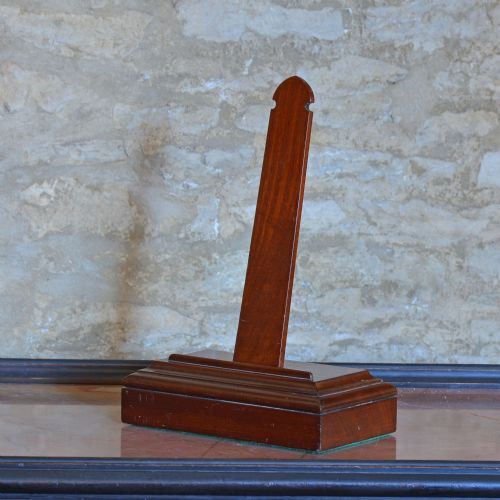
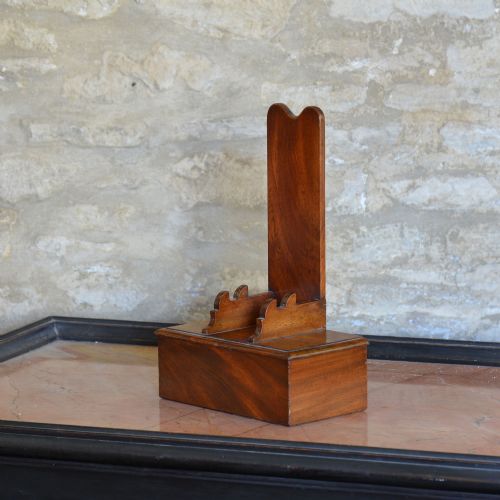
An antique wooden plate stand offers a practical and orderly way to display or store domestic ceramics using traditional materials like mahogany and oak.
Antique Wooden Plate Stand
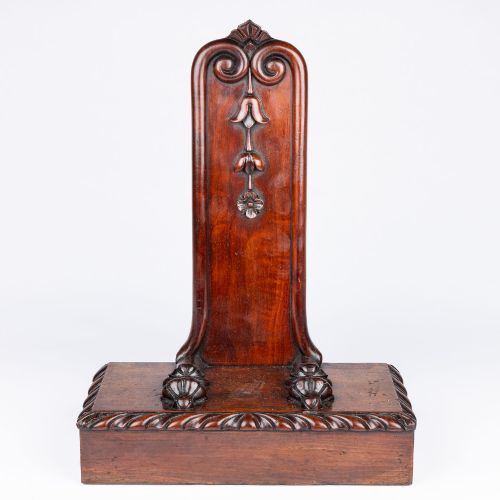
An antique wooden plate stand is a specialised piece of furniture designed to hold plates, trays, or dishes securely in an upright or tiered position. When searching for an antique wooden plate stand, collectors encounter forms dating from the Georgian period through to the Edwardian era.
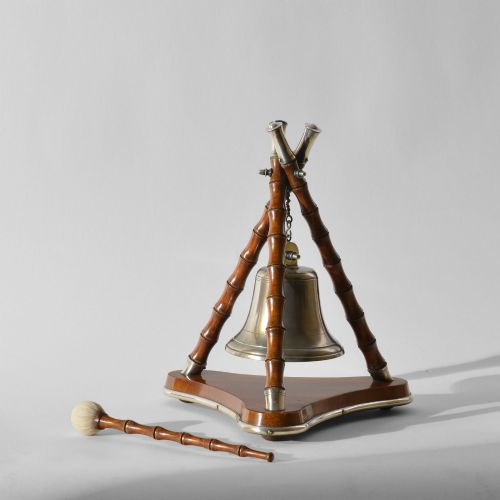
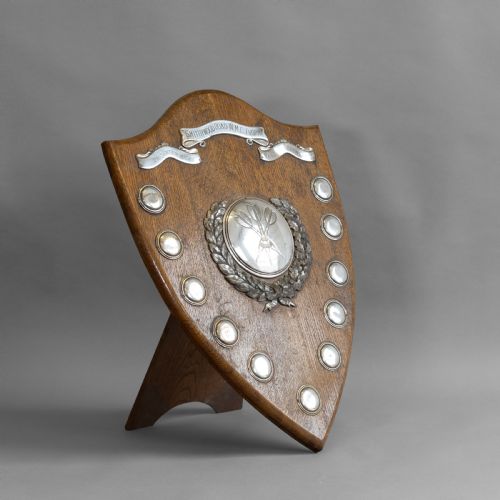
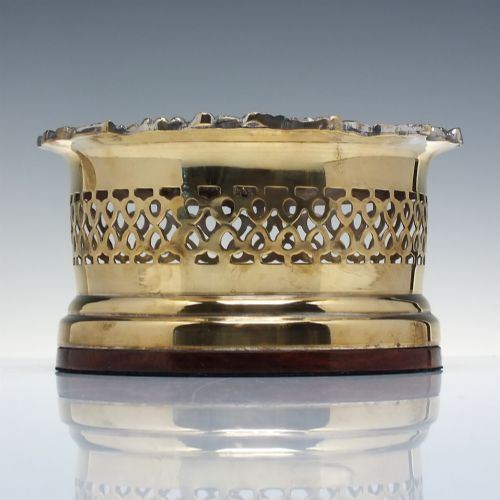
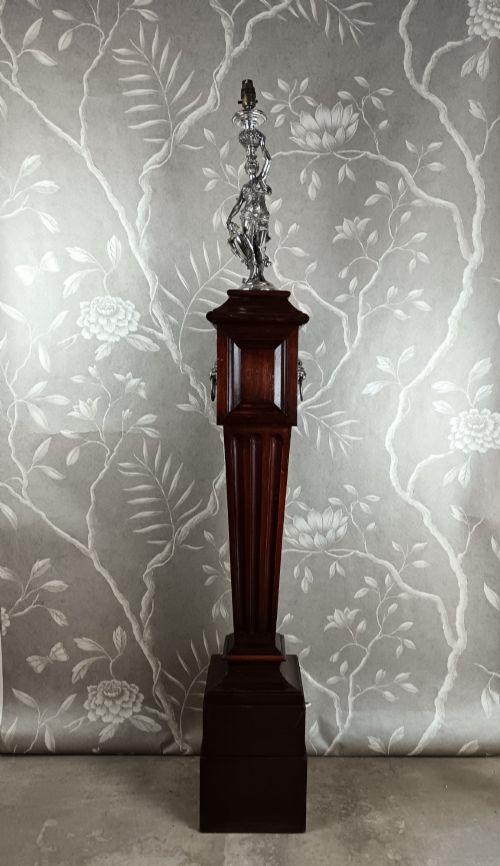
The pieces appearing on this page span several centuries, including 19th century designs alongside Georgian and Edwardian examples. These stands utilise durable timbers such as mahogany, oak, hardwood, and fruitwood to support domestic tableware effectively.
How they were made
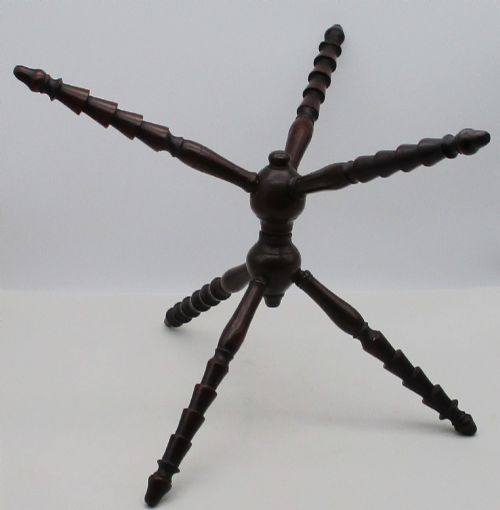
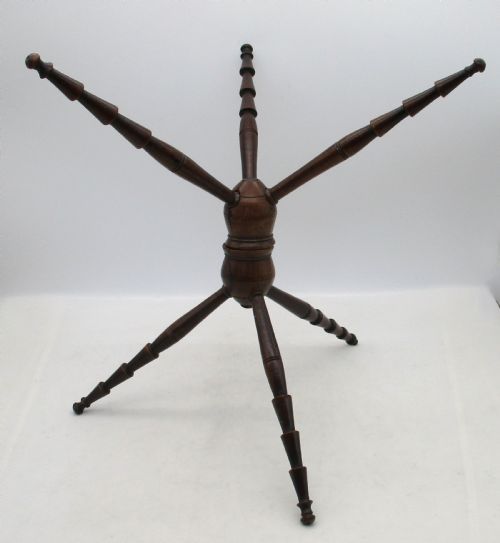
Cabinet makers utilised dense hardwoods like mahogany and oak to construct these stands, ensuring stability for heavy ceramic plates. Turning and joinery techniques created secure frames capable of sustaining daily domestic use.
Some examples incorporate secondary materials such as brass fittings or leather details to reinforce joints or protect the surfaces of displayed items. The craftsmanship relies on traditional hand-tool methods appropriate to each respective period.
Antique Wooden Plate Stand Retail Price Guide 2026
Typical asking prices for wooden plate stand among the pieces listed under this phrase on Sellingantiques today, from the lower quarter to the upper quarter. They describe what is for sale here now, not the wider market.
Some versatile nineteenth-century stands doubled as clever fire cats to keep items warm near the hearth.
What varies in quality
Quality in these stands depends upon the selection of timber and the precision of the joinery. Dense, finely figured mahogany or well-selected oak indicates a higher standard of manufacture.
The refinement of the turned woodwork and the integrity of the structural frame distinguish finer examples from standard utility pieces. Proportion and balance also determine the overall merit of an individual stand.
Benetfink And Co
The Antique Wooden Plate Stand Glossary
- Mahogany
- A durable tropical hardwood prized for its rich colour and stability in furniture construction. It was frequently utilised for fine domestic stands during the Georgian and Victorian periods.
- Treen
- Small handmade wooden household objects. These items showcase traditional woodturning and carving skills.
- Georgian
- A design period spanning the reigns of the first four Georges, noted for proportion and classical restraint. Pieces from this era often feature rich mahogany timbers.
- Edwardian
- A stylistic period covering the reign of King Edward VII, characterised by lighter furniture forms and revived historical styles. Oak was frequently utilised during this era.
Antique Wooden Plate Stand: Frequently Asked Questions
What is an antique wooden plate stand used for?
An antique wooden plate stand provides a secure vertical display or storage solution for decorative plates and serving trays. These stands keep tableware organised while showcasing the timber grain in a domestic setting.
Historically, such stands assisted with household organisation in dining rooms and pantries. Today, they serve a similar function for collectors displaying decorative ceramics.
How do I date an antique wooden plate stand?
Dating relies on identifying the timber species, construction methods, and stylistic cues associated with specific periods like the Georgian era or Edwardian times. Georgian pieces often feature dense mahogany, whereas Edwardian examples frequently utilise oak.
Examining the tool marks and the method of joining sections together provides further clues to age. Machine-sawn elements generally point towards later nineteenth or twentieth-century production.
Are these stands suitable for heavy plates?
Most antique wooden plate stands are constructed from robust hardwoods like mahogany or oak to support substantial weight. The solid frames and weighted designs are built to hold ceramic tableware securely.
Evaluating the structural integrity of the base and uprights ensures the stand can manage the weight of specific dishes. Proper placement on a stable surface is essential for safe display.
What woods were commonly used?
Makers predominantly utilised mahogany, oak, hardwood, and fruitwood for these stands. These materials offered the necessary strength and resistance to warping required for holding heavy items.
Different periods favoured particular timbers, with mahogany dominating earlier Georgian work and oak appearing frequently in later Edwardian designs. Fruitwood was also employed in regional vernacular pieces.