

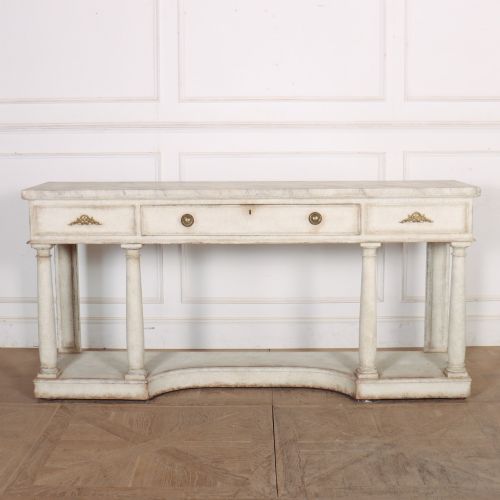
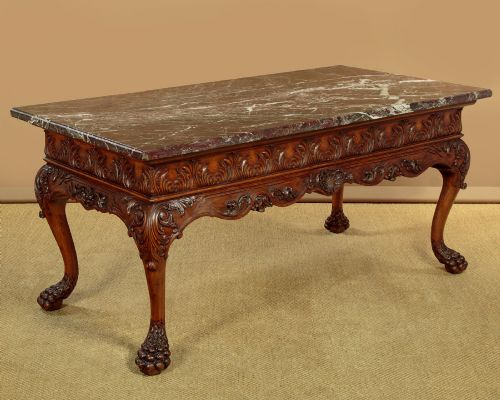


Antique Wooden Pier Table
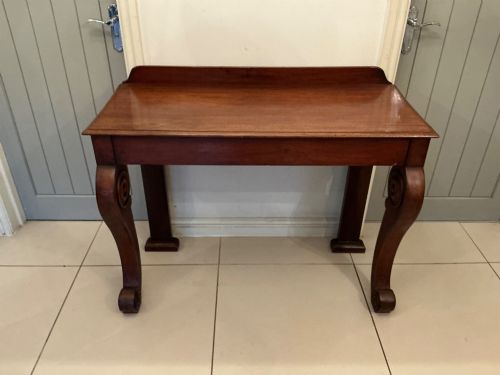
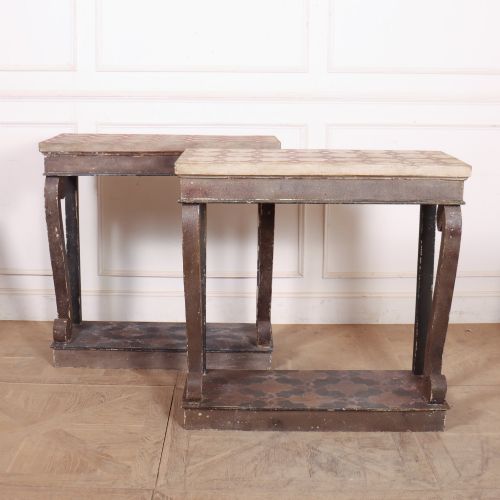
An antique wooden pier table sits elegantly against a wall, offering a refined surface for display and storage in a grand hall or drawing room.
Antique Wooden Pier Table
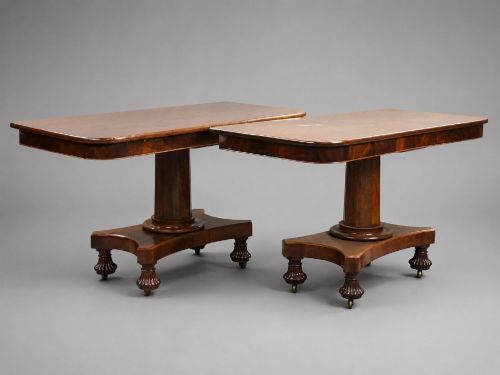
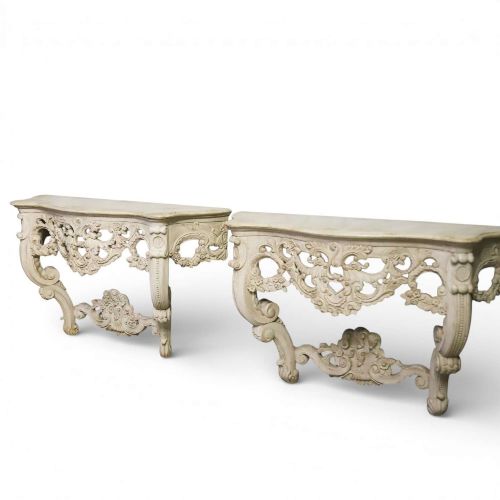
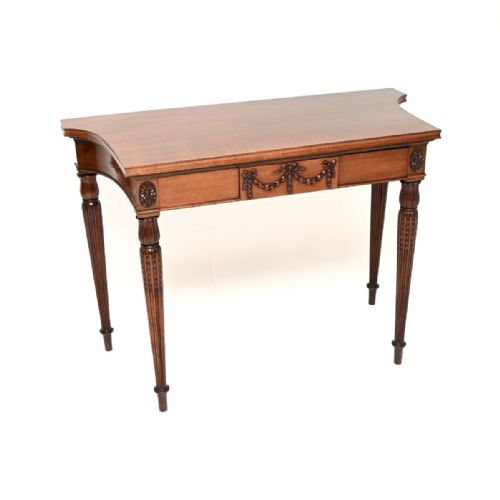
When you search for an antique wooden pier table, you encounter console tables, side tables, and hall tables designed to occupy the architectural wall space between windows. The pieces available here span periods from the eighteenth century through the 1930s, encompassing Georgian, Regency, Victorian, and later revivals.
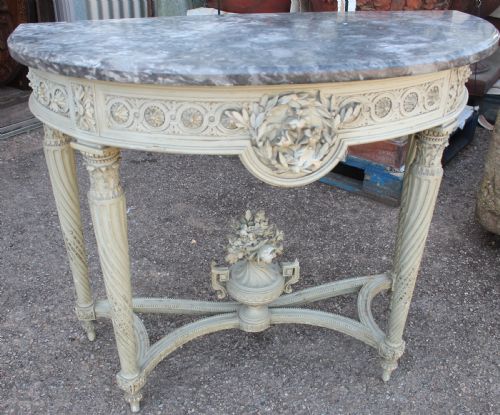
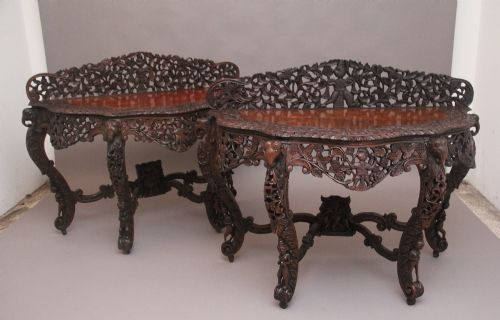
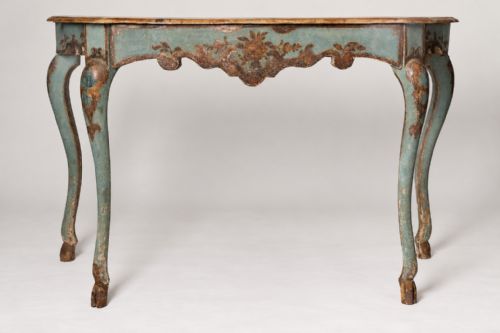
You meet various specific forms in this selection, including serpentine fronts, half-moon shapes, and mirror-backed designs. Many examples originate from English, French, Italian, and Spanish workshops, reflecting diverse regional tastes in domestic furniture.
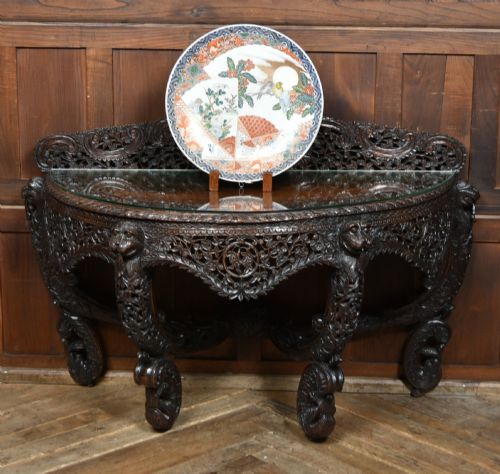
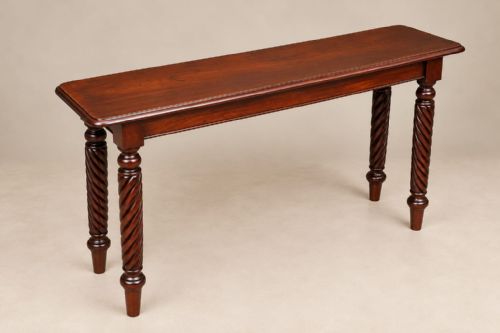
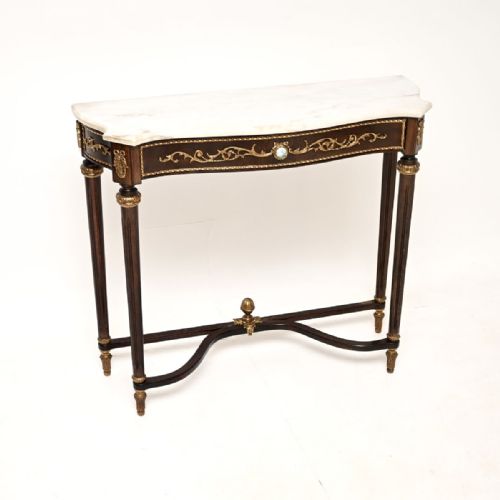
The materials and styles visible on this page range from plain mahogany and walnut to elaborate painted finishes and inlaid satinwood. Whether you seek a neoclassical Adam-style console or a robust Victorian mahogany piece, these tables fulfil both decorative and practical roles in an interior.
Assessing quality and craftsmanship
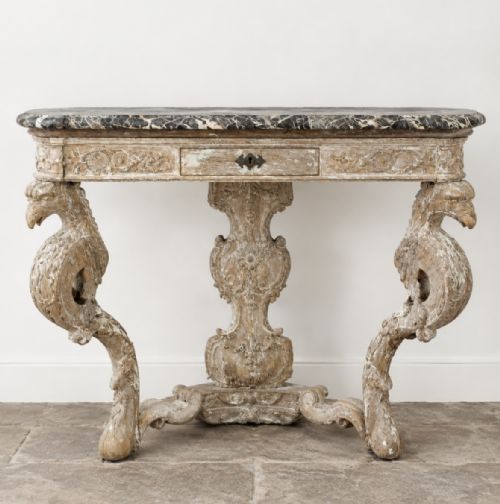
Quality reveals itself in the crispness of the hand-carved details and the precision of inlaid woodwork. Superior examples exhibit seamless timber matching on top surfaces and robust joinery that maintains structural integrity over centuries.
The choice of supplementary materials dictates the tier of the piece, such as the thickness and veining of fitted marble slabs or the application of genuine parcel gilt. Tables retaining their original painted finishes or integrated mirror backs generally demonstrate higher historical and decorative distinction.
Antique Wooden Pier Table Retail Price Guide 2026
Typical asking prices for wooden pier table among the pieces listed under this phrase on Sellingantiques today, from the lower quarter to the upper quarter. They describe what is for sale here now, not the wider market.
Listings feature woods such as mahogany, walnut, satinwood, and rosewood, alongside applied paint, marble, and brass.
Hicks of Dublin
The Antique Wooden Pier Table Glossary
- Pier table
- A console or side table specifically proportioned to stand against the wall space between two windows. It often supports a mirror hung above.
- Serpentine
- A furniture front or top shaped with a curving contour that convexly bulges in the centre and concavely recedes at the sides. This shape demands high skill from the cabinet maker.
- Parcel gilt
- A decorative technique where specific carved details or mouldings are highlighted with gold leaf while the surrounding wood remains exposed. It adds contrast and perceived value to revival and neoclassical pieces.
- Inlay
- A method of ornamenting a wooden surface by embedding pieces of contrasting wood, shell, or metal into recessed cavities. Satinwood and darker hardwoods were frequently paired in this manner.
Antique Wooden Pier Table: Frequently Asked Questions
What is an antique wooden pier table used for?
These tables served as decorative surfaces in entrance halls and principal reception rooms, often positioned beneath wall mirrors. They held decorative objects, lighting, or calling card trays.
In modern interiors, they continue to function as narrow console tables in hallways or living spaces, providing display space without obstructing walkways.
How do I identify a Regency pier table?
Regency pieces often display classical architectural influences, drawing on ancient Greek and Roman motifs. Look for dark mahogany timbers, brass mounts, and formal symmetry.
Maker details from this era frequently include reeded legs, carved paw feet, or delicate inlaid brass stringing characteristic of the early nineteenth century.
Are marble tops original to these tables?
Many console and pier tables were specifically designed to carry heavy marble slabs, particularly those originating from French and Italian workshops. The stone provided a durable, cool surface for decorative items.
When assessing a piece, check that the wooden frame beneath shows adequate structural depth and support to accommodate the weight of the stone slab securely.
How should I care for an antique wood table?
Maintain stable environmental conditions away from direct heat sources and strong sunlight to prevent the timber from drying out or splitting. Dust regularly with a soft, dry cloth.
Avoid commercial silicone sprays and harsh chemical cleaners, utilising traditional beeswax sparingly to nourish polished hardwood surfaces and preserve the patina.