



Antique Wooden Pantry
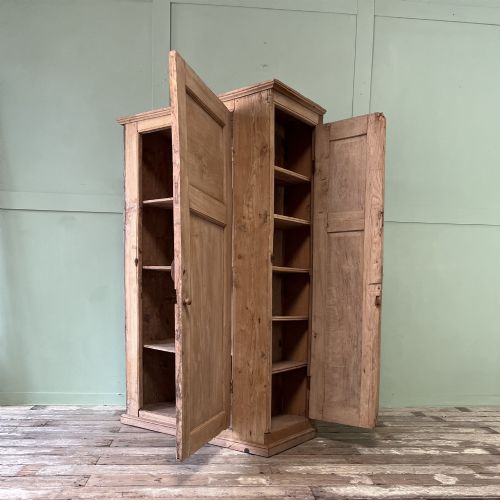
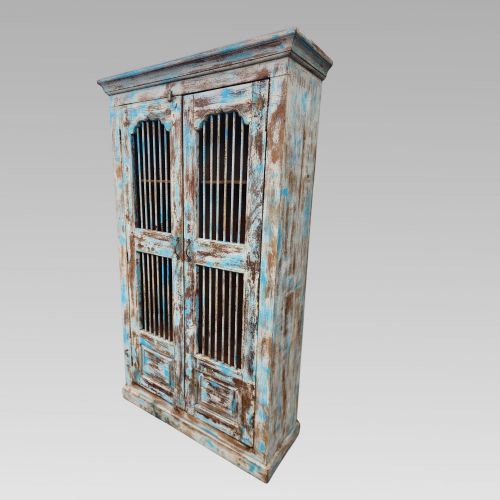
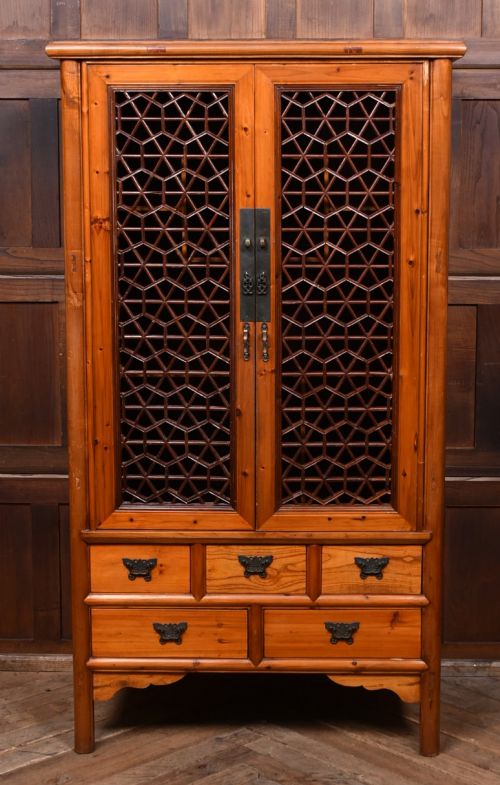
An antique wooden pantry provides honest utility, offering sturdy storage fashioned from pine, oak, and elm for daily provisions.
Antique Wooden Pantry
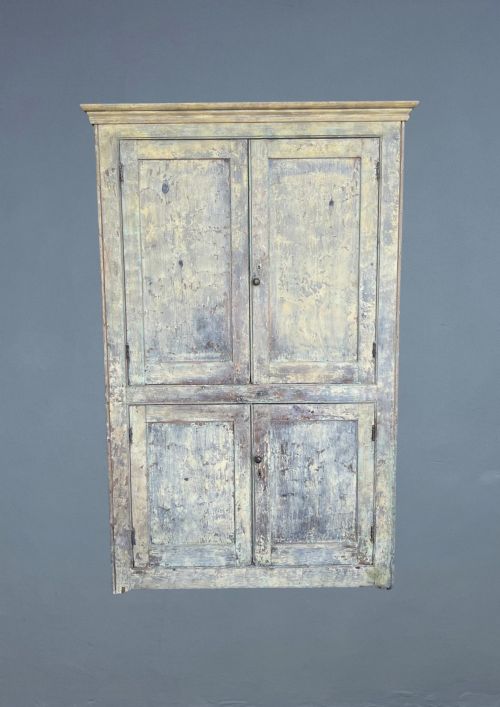
When buyers search for an antique wooden pantry, they encounter robust cupboards, larder cupboards, and housekeeper's cupboards designed for domestic storage. These pieces frequently date from the eighteenth and nineteenth centuries, spanning periods such as the Georgian and Victorian eras.
The most common formats on this page are pine and oak storage cupboards, often featuring painted finishes or traditional waxed surfaces. Regional examples range from English country workshops to Scandinavian and French provincial origins.
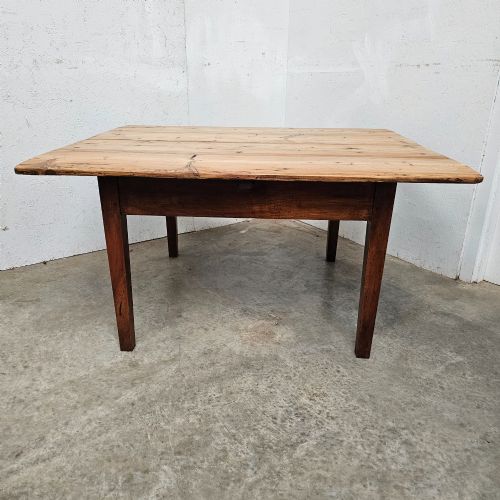
Forms extend beyond large cupboards to include low pantry tables and smaller food boxes, reflecting diverse domestic requirements from past centuries.
Materials and construction methods
Construction relies heavily on solid woods such as pine, oak, elm, and fruitwood, paired with iron and brass hardware for hinges and latches. Joinery techniques reflect traditional cabinet making suited to heavy daily use in kitchens and sculleries.
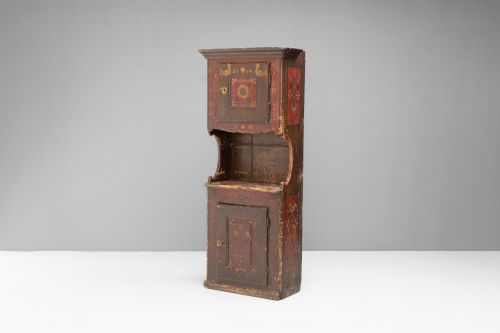
Surfaces frequently show historical treatments including hand-painted finishes, staining, and original decorative pigments. These protective and decorative layers define the tactile character of regional pieces from Baltic, Scandinavian, and British origins.
Antique Wooden Pantry Retail Price Guide 2026
Typical asking prices for wooden pantry among the pieces listed under this phrase on Sellingantiques today, from the lower quarter to the upper quarter. They describe what is for sale here now, not the wider market.
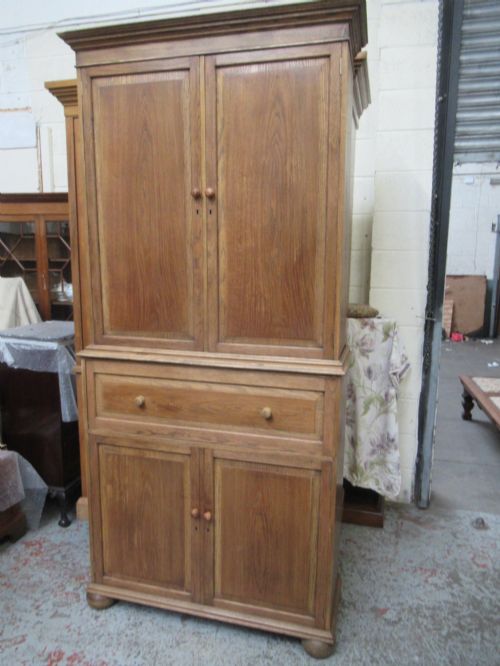
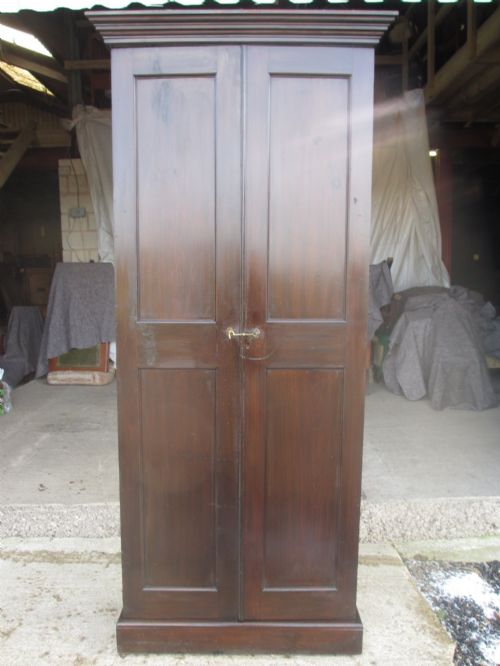
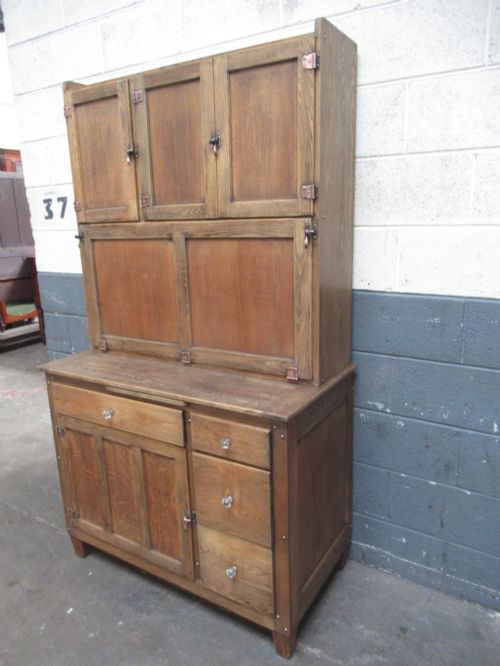
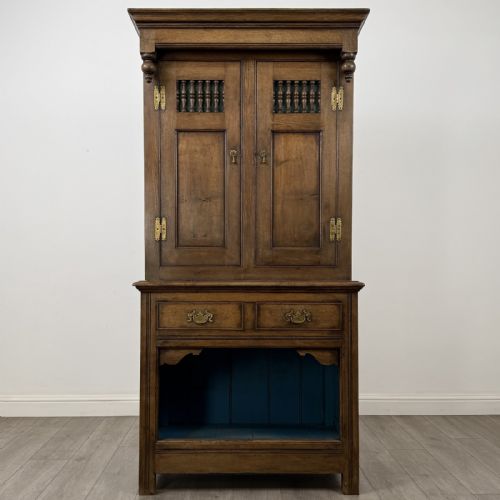
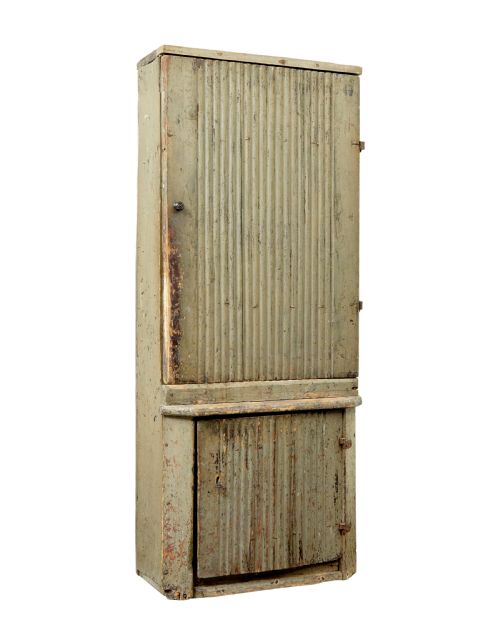
Storage forms span tall housekeeper's cupboards, larder cabinets, scrub-top tables, and hand-painted cylindrical food boxes.
Assessing quality in pantry furniture
Quality rests in the integrity of the timber selection and the retention of original surface treatments, whether aged paint or natural waxed wood. Substantial proportions and well-preserved structural joinery distinguish superior examples from utilitarian alternatives.
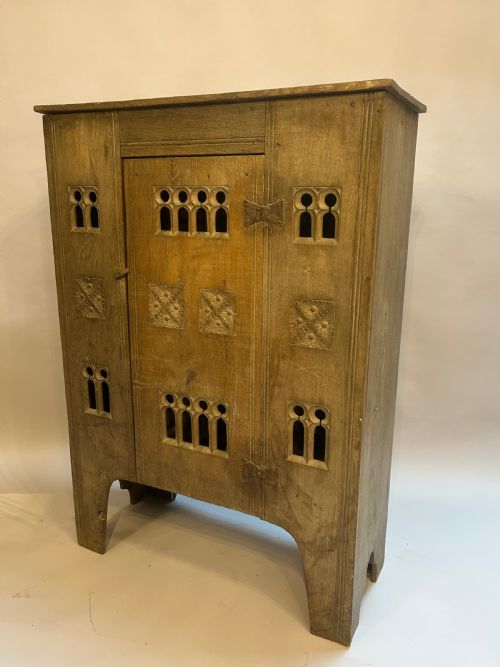
The presence of original iron or brass fittings and uncompromised internal shelving elevates a piece. Subtle details like carved pillar panels or folk art painted decoration demonstrate higher craftsmanship within vernacular traditions.
The Antique Wooden Pantry Glossary
- Housekeeper's cupboard
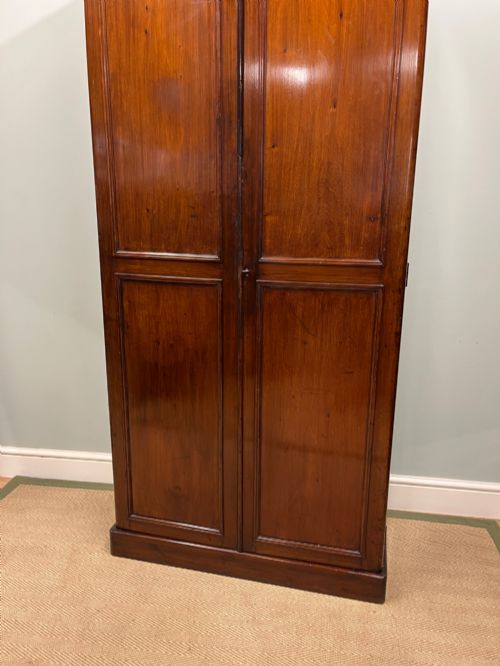
- A large storage piece traditionally used for linens, dry goods, and household provisions. These tall cupboards often combine upper shelving with lower drawers or enclosed compartments.
- Pine
- A soft timber widely utilised in regional and country furniture for its workability and availability. It accepts paint and wax finishes readily.
- Bun feet
- A rounded, slightly flattened foot shape often found supporting Victorian oak and pine cupboards. They lift the cabinet base slightly off the floor.
- Tine
- A traditional Scandinavian wooden food box or cylindrical vessel, frequently decorated with hand-painted folk motifs. These containers were used for preserving and storing provisions.
Antique Wooden Pantry: Frequently Asked Questions
How were antique pantries originally used?
These cupboards served as the primary storage vessels for perishable and dry goods before modern refrigeration. Households relied on them to keep provisions organised and protected from pests.
Larger versions housed linens, crockery, and scullery equipment, acting as the central storage hub for the domestic kitchen.
Where were these cupboards made?
The listings encompass regional workshops across Britain, France, Scandinavia, and Austro-Hungary. Local timber availability dictated whether pine, oak, or elm was utilised.
Provincial makers adapted forms to suit domestic needs, resulting in distinct stylistic traits depending on the country of origin.
How should I care for painted wood?
Maintain painted surfaces by dusting with a soft, dry cloth and avoiding modern chemical cleaning agents. Protect the finish from direct sunlight and excessive moisture.
Waxed pine surfaces benefit from occasional traditional beeswax applications to nourish the timber and preserve the sheen.
How do I identify a Victorian piece?
Victorian examples often display characteristic proportions, darker oak or pine surfaces, and hardware typical of the nineteenth century. Details like bun feet frequently appear on pieces from this era.
Construction methods reflect industrial standardisation while retaining hand-finished elements in regional vernacular furniture.