
Antique Wooden Novelty
An antique wooden novelty combines practical household use with playful design, offering a witty talking point for any room.
Antique Wooden Novelty
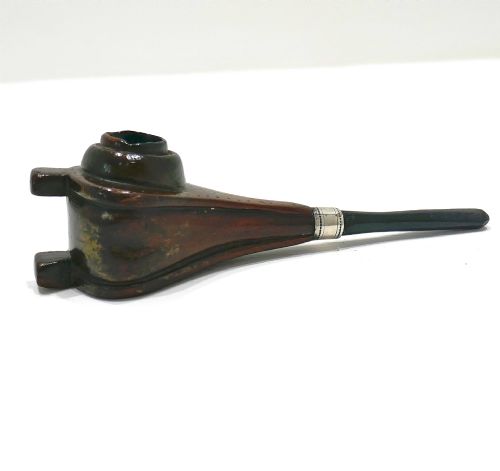
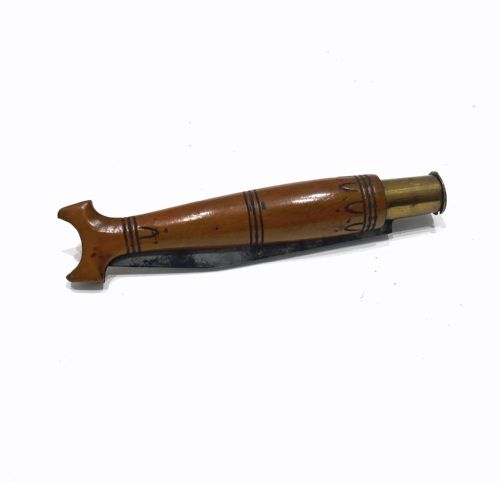
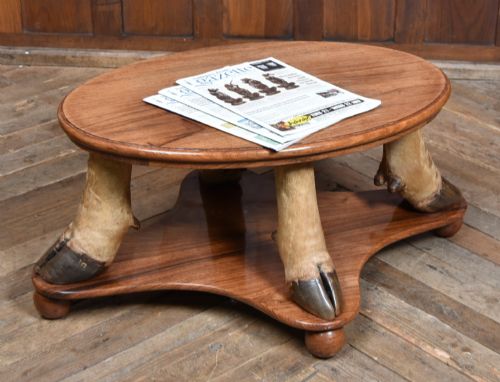
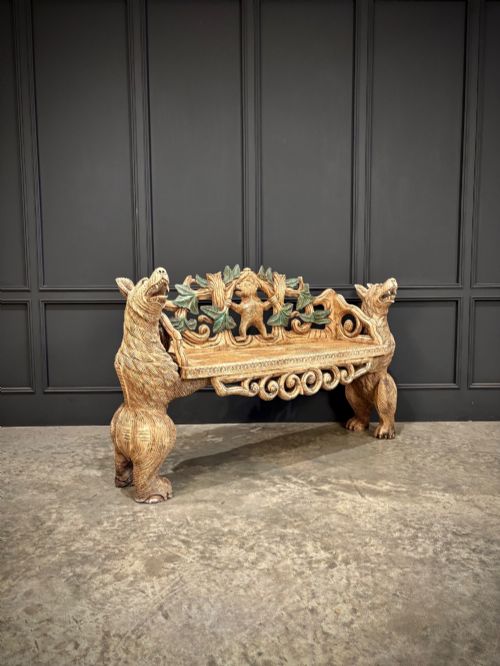
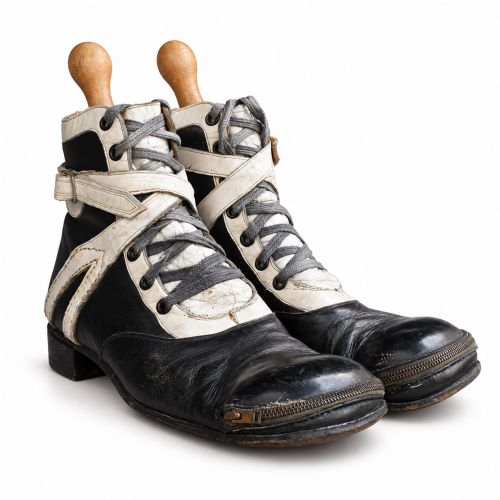
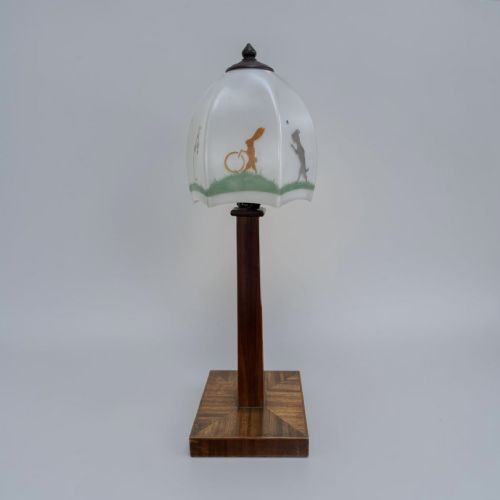
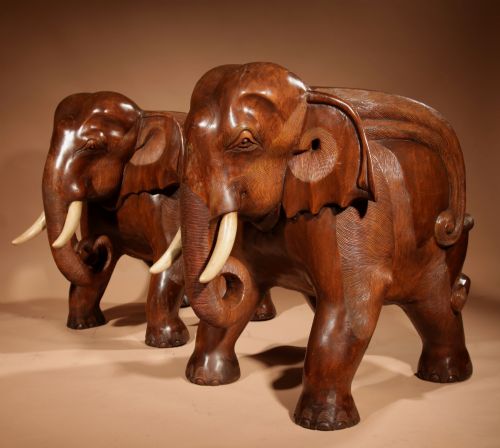
An antique wooden novelty encompasses small utilitarian objects shaped into amusing, unusual, or clever forms for daily use. When exploring antique wooden novelty pieces, collectors frequently encounter everyday items transformed by imaginative carving into animals, shoes, books, or human figures.
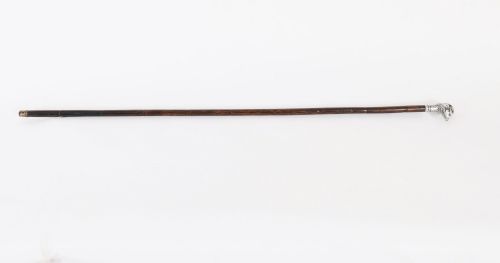
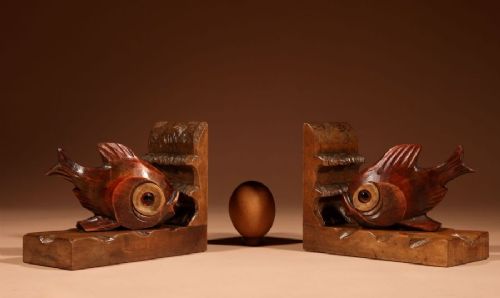
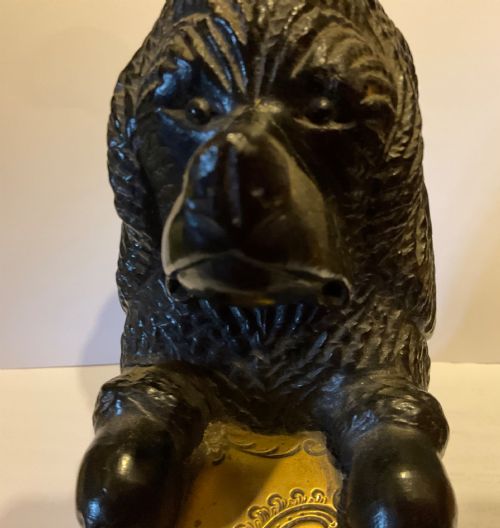
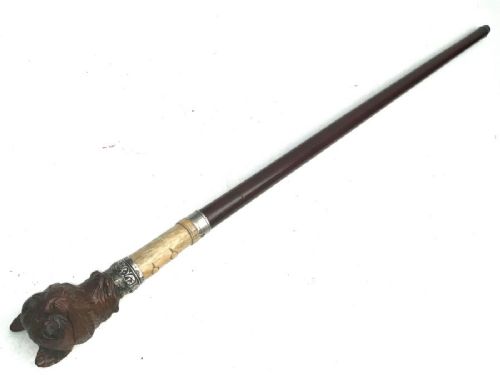
The selections span distinct periods from the Georgian era through the Victorian age and into the Art Deco years of the twentieth century. Common forms include carved snuff boxes, bookends, nutcrackers, walking sticks, and inkwells that served a practical purpose while entertaining the user.
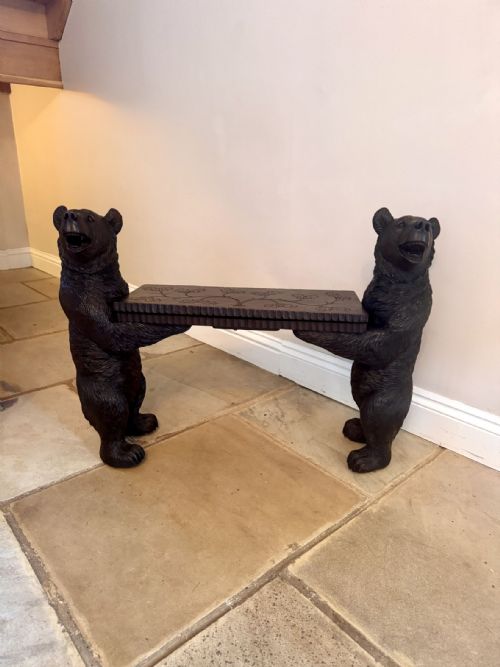
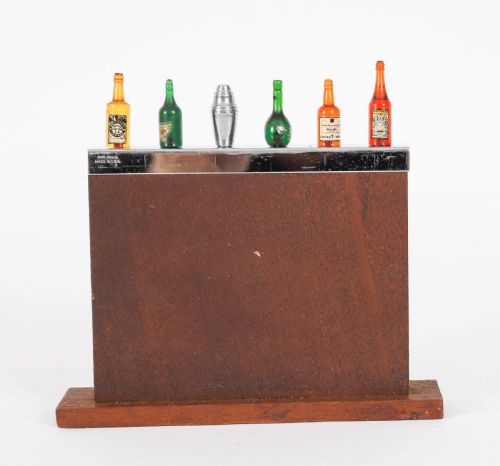
Originating largely from British, Swiss, and French workshops, these items reflect domestic ingenuity and humour. The most prevalent versions on this page range from nineteenth-century treen shoe boxes to Black Forest carved animals and twentieth-century cocktail stick sets.
Materials and construction
Makers utilised dense, close-grained hardwoods such as fruitwood, boxwood, walnut, and oak to achieve crisp details and smooth handling surfaces. These woods held fine carving edges well, allowing artisans to render realistic animal fur, shoe buckles, and miniature mechanical elements.
Traditional hand-carving methods dominated the earlier nineteenth-century pieces, often supplemented by bone inlay, metal mounts, and silver plate. By the twentieth century, Art Deco items incorporated stylised geometric designs alongside turned wooden barrels and fitted metal cocktail accessories.
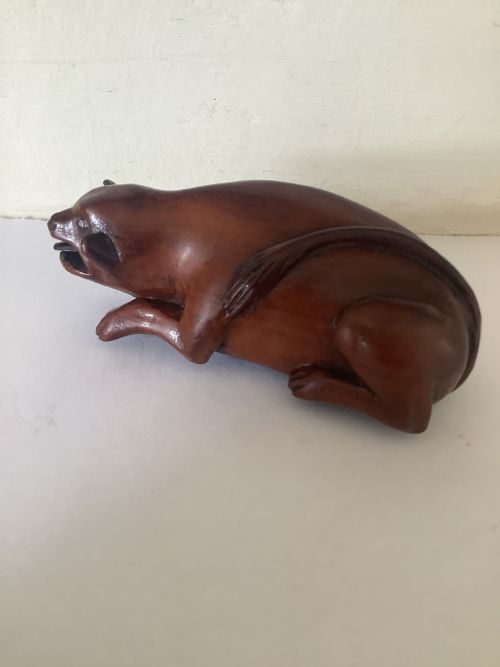
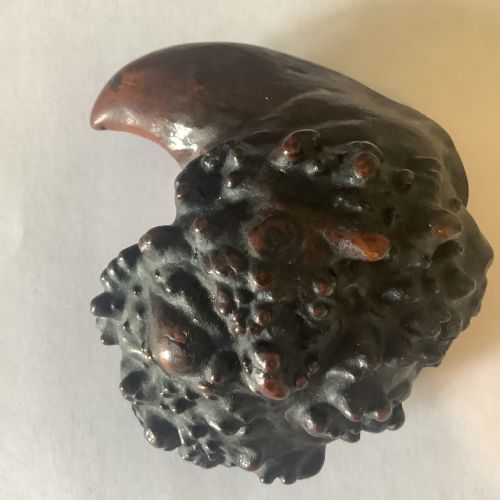
An anonymous nineteenth-century carver carefully transformed a natural piece of burr walnut into a snuff box resembling a dog.
Judging quality and execution
Quality rests upon the confidence of the carving and the natural liveliness of the subject. A superior piece displays expressive anatomical details or crisp lines rather than stiff, generic proportions.
The integration of the material dictates the grade of the work, where the grain of the wood enhances the form rather than fighting it. Subtle touches such as bone inlay, hinged mechanisms that still function smoothly, and undamaged carved extremities elevate an example above standard production.
Sudre·Thornton Smith Co.
The Antique Wooden Novelty Glossary
- Treen
- Small handmade wooden objects for domestic use. This category covers everything from miniature boxes to kitchen utensils shaped with care.
- Black Forest
- A style of wood carving originating in the Swiss and German border regions. Pieces usually depict bears, owls, and other woodland animals with realistic glass eyes and textured fur.
- Snuff box
- A small container designed to hold powdered tobacco. Many examples take whimsical shapes like shoes, animals, or everyday tools.
- Nutcracker
- A mechanical tool for cracking nuts. Novelty versions often use lever or screw mechanisms disguised as human characters or animals.
- Match dispenser
- A container designed to hold and dispense matches safely. These frequently take figural forms that release a match when a part of the body moves.
Antique Wooden Novelty: Frequently Asked Questions
How were these items used?
People used them in daily domestic and social life to perform small tasks while amusing guests. They sat on desks, sideboards, and smoking tables for practical jobs.
Common uses included dispensing matches, holding tobacco or snuff, cracking nuts, and marking pages with bookends or book slides.
How do I date a wooden novelty?
Dating relies on stylistic clues, mechanical construction, and the specific materials or motifs popular in a given period. Georgian and Victorian pieces often feature hand-carved treen and folk art aesthetics.
Later Edwardian and Art Deco examples show cleaner geometric lines, machine-turned elements, or specific material combinations like silver plate and oak.
How should I care for antique wooden novelties?
Keep wooden novelties away from direct sunlight and sudden temperature changes to prevent the wood from drying out or splitting. Gentle dusting with a dry cloth preserves the original surface patina.
Avoid using modern liquid polishes or harsh chemical cleaners, as these can strip the aged finish and damage delicate carved details or bone inlay.