


Antique Boxwood Collectable
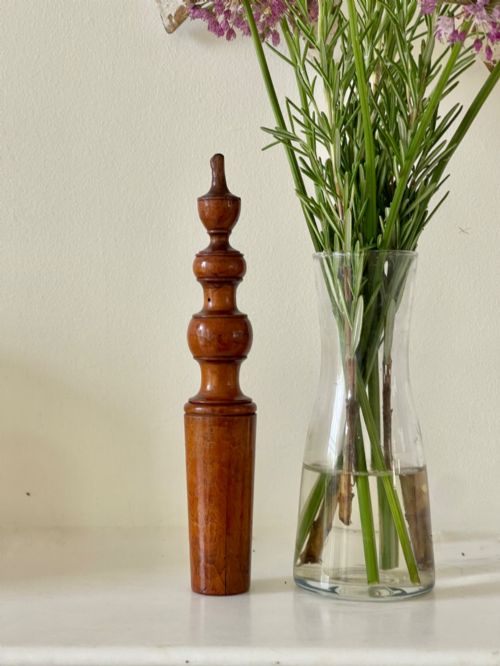
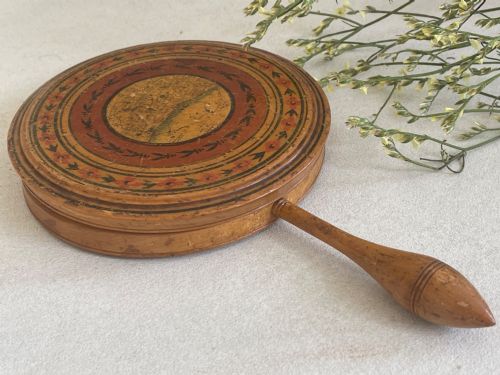
These antique boxwood collectable pieces are tactile historical objects made for everyday use and amusement, offering a direct link to past domestic and professional life.
Antique Boxwood Collectable
When you search for antique boxwood collectable items, you encounter a diverse range of small wooden treen and functional implements spanning the eighteenth and nineteenth centuries. These objects include domestic utensils, scientific instruments, and gaming sets fashioned from dense timber.
The pieces on this page most commonly date from the nineteenth century and the Georgian era, representing both British craftsmanship and international work such as Edo Period Japanese carvings. Buyers find items ranging from child rattles and bird calls to chemist jars and slide rules.
Functional treen dominates the selection, showing how durable wood served specialised tasks in households, apothecaries, and offices. Each item survives as a testament to practical historic design.
How they were made
Makers utilised boxwood alongside hardwoods, fruitwood, and ebony, capitalising on the tight grain of boxwood for intricate turning and carving. This dense material allowed craftsmen to produce precise threads on nutmeg graters and sharp details on chess pieces.
Construction techniques combined lathe-turning with hand carving, often incorporating brass, steel, and mirror glass fittings into the wooden bodies. Items such as travelling mirrors and pill rounders demonstrate a mastery of joining and fitting different materials.
Pigeon bird calls and teachers' clickers remind us that historical entertainment and classroom discipline relied on surprisingly loud wooden mechanisms.
What varies in quality
The refinement of the turning and the crispness of the carved detail separate standard utilitarian items from superior examples. Objects with complex profiles, such as urn-shaped lemon squeezers or finely articulated chess sets, display a higher tier of workmanship.
The condition of the timber surface and the presence of original components, such as old labels or matching sets of apothecary jars, influence the overall character of a piece. Natural ageing and handling create patinas that enhance the visual appeal of the wood.
Edward Roberts·Jaques
The Antique Boxwood Collectable Glossary
- Treen
- Small wooden objects made for domestic or professional use. This term encompasses everything from kitchen utensils to desk accessories.
- Boxwood
- A dense, pale hardwood with a fine grain. It is traditionally favoured for turned items, rules, and chess pieces.
- Tunbridge Ware
- Woodware decorated with mosaic patterns made from tiny segments of different coloured woods. It is often applied to travelling mirrors and boxes.
- Netsuke
- A small carved toggle used in traditional Japanese dress to secure a pouch or container. These are typically fashioned from wood or ivory.
- Pill Rounder
- A wooden tool used by apothecaries to shape medicinal pills by hand. The device usually consists of grooved matching boards.
Antique Boxwood Collectable: Frequently Asked Questions
How do I date antique boxwood?
Dating relies on stylistic clues, construction methods, and the historical context of the object type. Nineteenth-century pieces often show sharper machine assistance, whereas earlier Georgian items display distinct hand tool marks.
Associated labels or known maker signatures also help establish a precise timeframe.
What were apothecary pill rounders used for?
Apothecaries used pill rounders to shape soft medicinal paste into uniform spherical pills for patients. The wooden boards rolled the mixture through parallel grooves.
This manual technique ensured consistent dosages before the advent of industrial pharmaceutical manufacturing.
How should I clean antique boxwood?
Cleaning antique boxwood requires gentle dusting with a dry, soft cloth to protect the historic patina. Avoid using water, soap, or modern chemical polishes that can damage the wood.
Applying microcrystalline wax occasionally helps nourish the dry timber without harming the surface.