




Antique Wooden Medicine Cabinet
An antique wooden medicine cabinet is a compact storage piece designed for remedies, carrying brass hardware, fitted interiors, and enduring practical charm.
Antique Wooden Medicine Cabinet
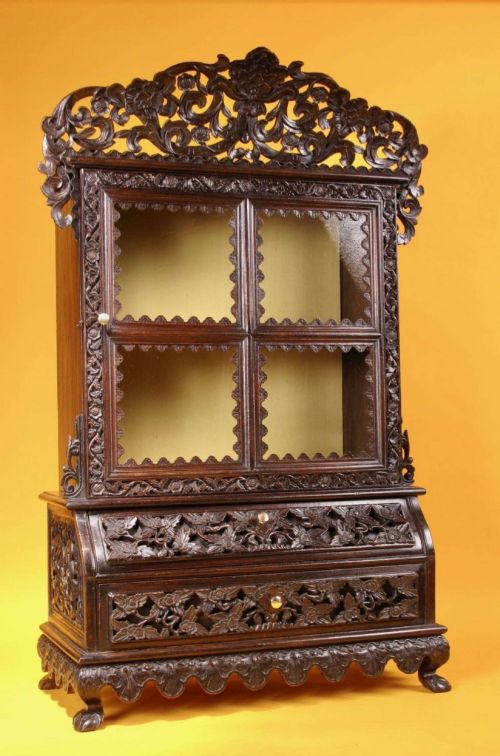
When you search for an antique wooden medicine cabinet, you encounter a diverse array of functional vessels spanning several centuries. The selection encompasses wall hanging cupboards, tabletop boxes, fitted apothecary chests, and spice cupboards.
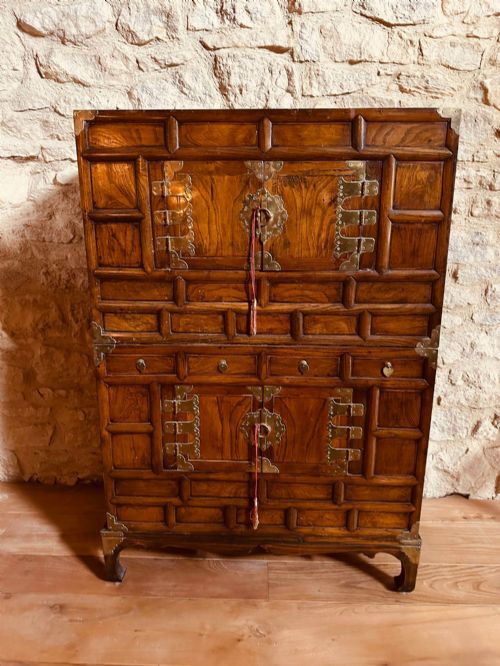
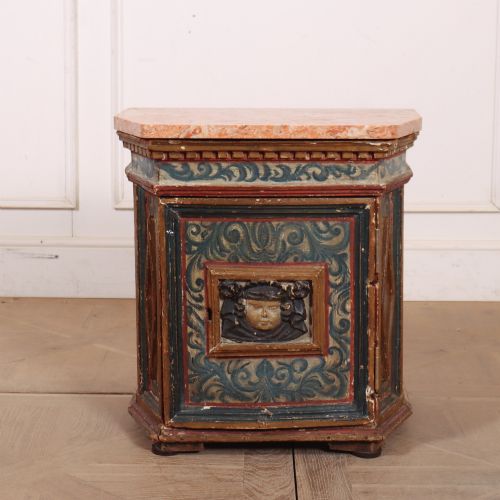
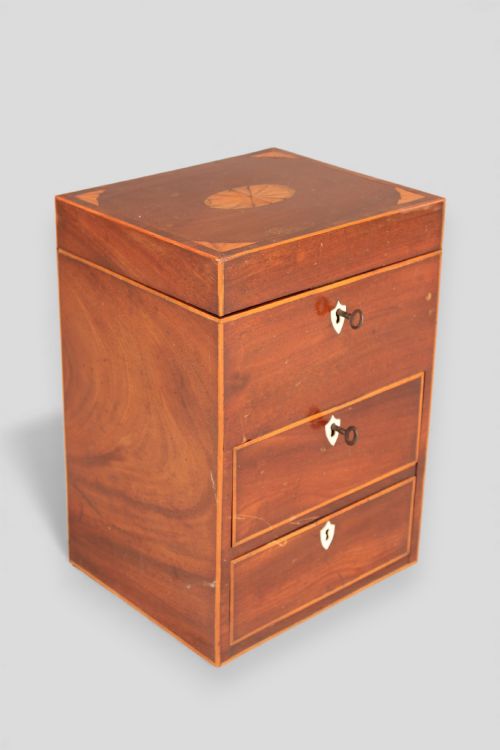
The pieces on this page lean heavily toward Georgian mahogany boxes, Victorian wall cabinets, and oak cupboards from the eighteenth and nineteenth centuries. You also meet specialised forms such as veterinary cabinets, painted Scandinavian pieces, and Korean elm storage chests.
Materials and construction
Timber selection defines these items, with mahogany, oak, and elm forming the primary structural foundations. Cabinet makers utilised solid woods and burr veneers, often pairing the timber with brass handles, locks, and hinges.
Surface treatments vary from polished wood finishes to painted applications and faux tortoiseshell effects. Interiors frequently incorporate specialised compartments, glass bottles, and descending drawers designed to hold medical or domestic items securely.
Antique Wooden Medicine Cabinet Retail Price Guide 2026
Typical asking prices for wooden medicine cabinet among the pieces listed under this phrase on Sellingantiques today, from the lower quarter to the upper quarter. They describe what is for sale here now, not the wider market.
Veterinary cabinets survive among these medical boxes, hinting at rugged nineteenth-century horse doctor house calls across the countryside.
Assessing craftsmanship
Quality rests upon the integrity of the timber, the precision of the joinery, and the retention of original hardware such as brass locks and keys. Finer examples display thoughtful proportion, careful carving, and sophisticated internal fitting.
The presence of original contents, such as glass bottles within an apothecary box, elevates the historical completeness of the piece. Lesser items show replaced fittings, unsympathetic repainting, or alterations to the internal shelving and compartments.
The Antique Wooden Medicine Cabinet Glossary
- Apothecary box
- A portable fitted chest designed to hold medicinal powders, scales, and glass bottles. These compact boxes feature hinged lids and secure locking mechanisms.
- Spice cupboard
- A small wall-mounted or tabletop wooden cabinet with internal drawers, historically used for valuable culinary and medicinal ingredients. Early examples often date to the eighteenth century in oak.
- Burr elm
- A distinctive figured timber featuring swirling grain patterns caused by tree growth anomalies. Cabinet makers utilised this wood on drawer fronts and panels for decorative impact.
- Wall cupboard
- A compact hanging storage unit secured directly to a wall. These pieces save floor space and often incorporate single or double doors with shelving.
Antique Wooden Medicine Cabinet: Frequently Asked Questions
What is an apothecary box?
An apothecary box is a portable wooden chest fitted with compartments and glass bottles designed to transport medicines safely. They date primarily to the Georgian and Victorian eras.
These boxes often include locking mechanisms and small drawers for scales, powders, and mixing tools.
How were wall cabinets used?
Wall cabinets provided secure storage for household remedies, spices, and personal valuables in rooms with limited floor space. They hung in kitchens, bedrooms, or specialised utility rooms.
Their compact dimensions and fitted interiors kept essential items organised and out of the reach of children.
How do I date a wooden cabinet?
Dating relies on examining the construction methods, timber types, and hardware styles present on the piece. Eighteenth-century items frequently feature solid oak or mahogany with hand-cut dovetails.
Later Victorian and Edwardian examples introduce machine-sawn elements, different locking mechanisms, and distinct decorative motifs such as Arts and Crafts carving.
Where should I place a small cabinet?
Small cabinets and wall cupboards suit hallways, bathrooms, or living spaces where they function as accent storage pieces. Wall-hanging versions require secure fixings to support the weight of timber and internal contents.
Tabletop variants sit comfortably on sideboards, desks, or chests of drawers to display small collections.