






Antique Wooden Icon Panel
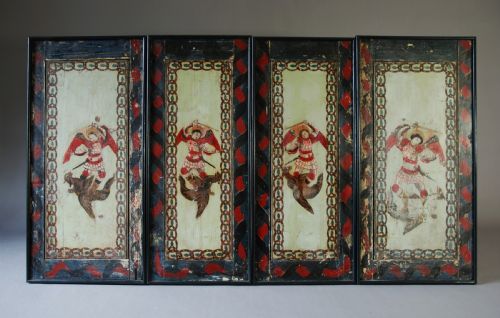
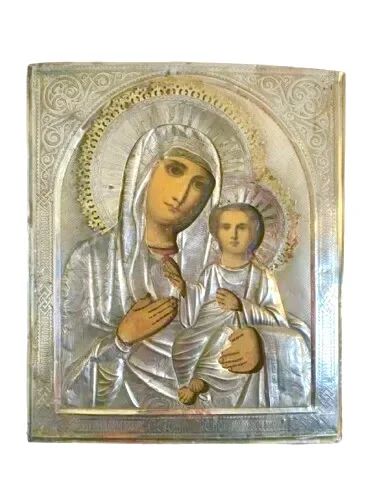
These antique wooden icon panel examples are sacred Russian Orthodox works painted in tempera on wood, prized for their devotional depth and rich pigments.
Antique Wooden Icon Panel
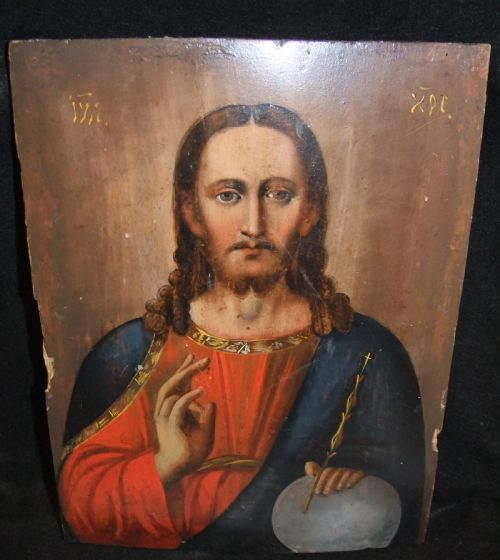
An antique wooden icon panel is a sacred painted board designed for prayer and devotion within the Russian Orthodox tradition. These religious works depict saints, feast days, and scenes such as the Crucifixion or Christ Pantocrator.
You will most commonly meet 19th-century examples on this page, alongside earlier pieces from the 17th and 18th centuries. Forms range from single devotional boards to larger hand-painted panels and folk art interpretations on pine.
The origins of these panels are rooted in Russian workshops and master circles. They serve as tangible links to centuries of liturgical history and domestic prayer.
How they were made
Makers constructed these panels using solid wood such as pine, preparing the surface with gesso before applying egg tempera and pigment paint. Artisans then illuminated the sacred scenes using gold leaf or gilt details to catch the light.
Traditional techniques involved meticulous layering of mineral pigments mixed with egg yolk. Many panels were painted within specific regional workshops, employing methods passed down through generations of iconographers.
Antique Wooden Icon Panel Retail Price Guide 2026
Typical asking prices for wooden icon panel among the pieces listed under this phrase on Sellingantiques today, from the lower quarter to the upper quarter. They describe what is for sale here now, not the wider market.
Some panels arrive bearing the quiet dust of centuries, having travelled from Russian prayer corners straight to modern walls.
What varies in quality
The sophistication of the brushwork and the delicacy of the facial expressions set exceptional panels apart from simpler folk art. Master workshops achieved a level of anatomical precision and narrative detail that lesser pieces lack.
The preservation of the original gesso and the purity of the remaining tempera and gold leaf dictate the visual impact of the work. Finer panels retain their luminous depth and original theological iconography without heavy later repainting.
The Antique Wooden Icon Panel Glossary
- Tempera
- A permanent, fast-drying painting medium consisting of coloured pigment mixed with a water-binder agent, usually egg yolk. It allows for fine detail and lasting durability on wooden panels.
- Gesso
- A paint mixture consisting of a neutral binder mixed with chalk, gypsum, or pigment used to prepare a wooden surface for painting. It provides a smooth, bright ground for tempera and gold leaf.
- Pantocrator
- An icon depicting Christ as ruler of the universe, typically shown holding a gospel and raising his right hand in blessing. This is one of the most enduring subjects in Orthodox art.
- Gold Leaf
- Gold beaten into extremely thin sheets used for gilding the background or halos of an icon. It creates a shimmering, heavenly light behind the sacred figures.
- Icon
- A religious work of art from the Eastern Orthodox Church, usually painted on wood. These panels are venerated objects rather than mere decorative paintings.
Antique Wooden Icon Panel: Frequently Asked Questions
How do I date an icon panel?
Dating an icon involves examining the style of the painting, the preparation of the wood, and the specific pigments used. Earlier 17th- and 18th-century pieces often show different stylistic rigidity and preparation compared to 19th-century works.
Inscriptions, worker marks, and the ageing of the gesso and varnish also help determine the period of creation.
How were icons used originally?
Icons were primarily used for personal and communal prayer, often placed in the corner of a room known as the red corner in traditional homes. They acted as windows to the divine during worship.
People lit candles and oil lamps before these panels, offering prayers and seeking intercession from the saints depicted upon them.
How should I display an icon panel?
Display your icon panel away from direct sunlight and fluctuating heat sources to protect the delicate tempera paint and wood. Wall mounting or placing it securely on a dedicated shelf ensures stability.
Maintaining a stable indoor climate prevents the wood from warping and preserves the fragile gold leaf and pigment layers.