
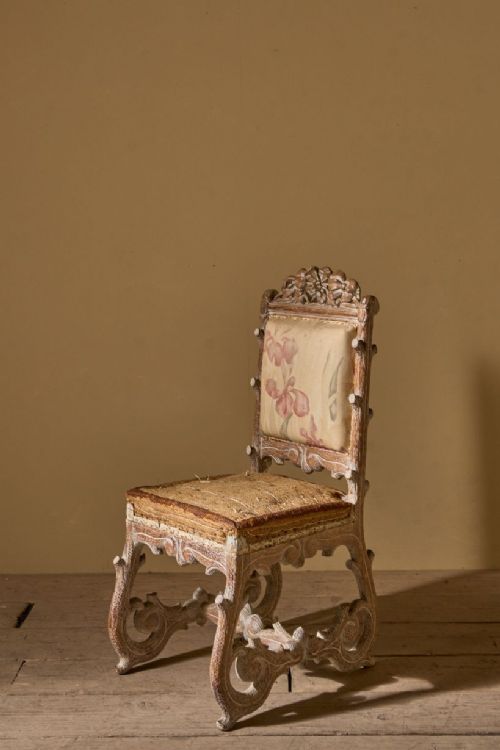
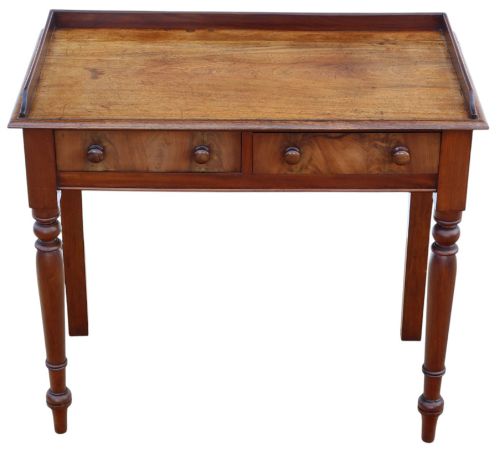
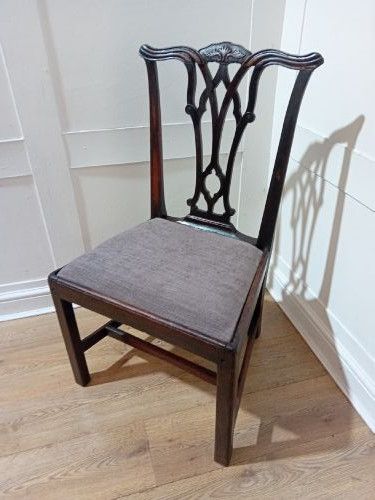
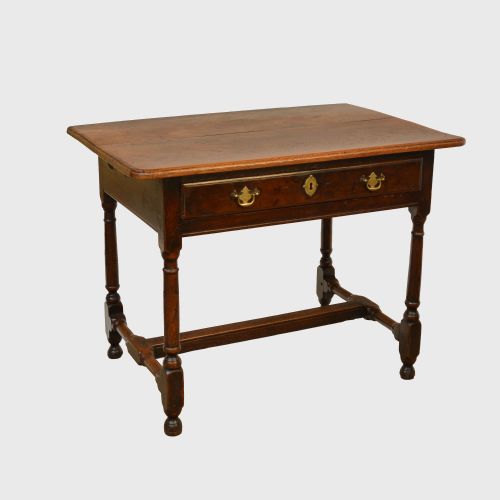
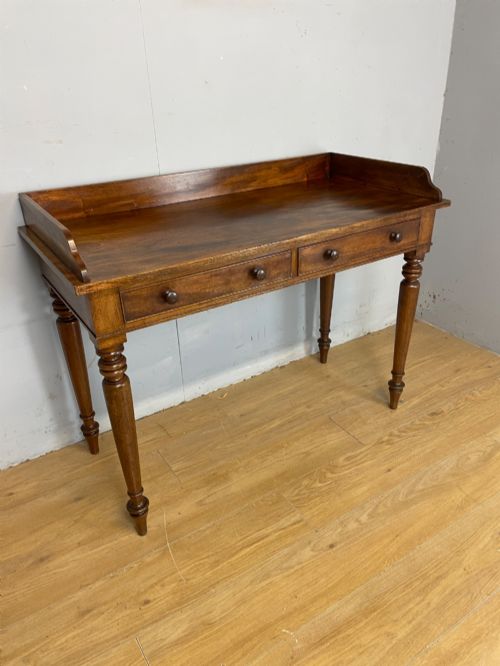
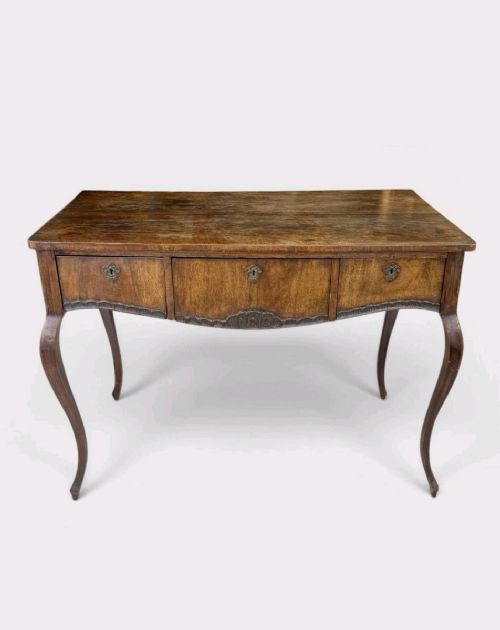
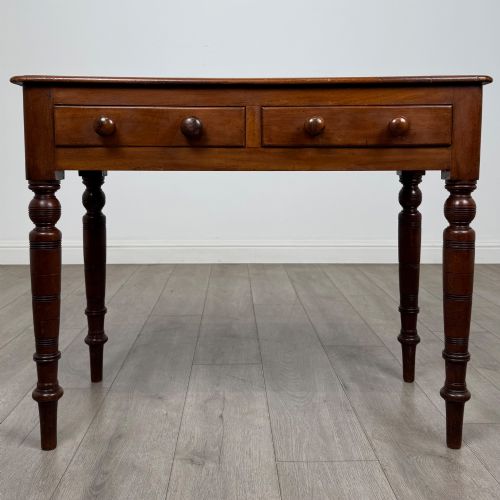
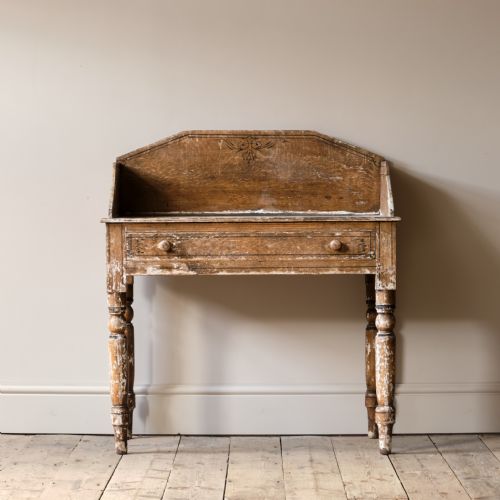
Antique Wooden Hall Desk
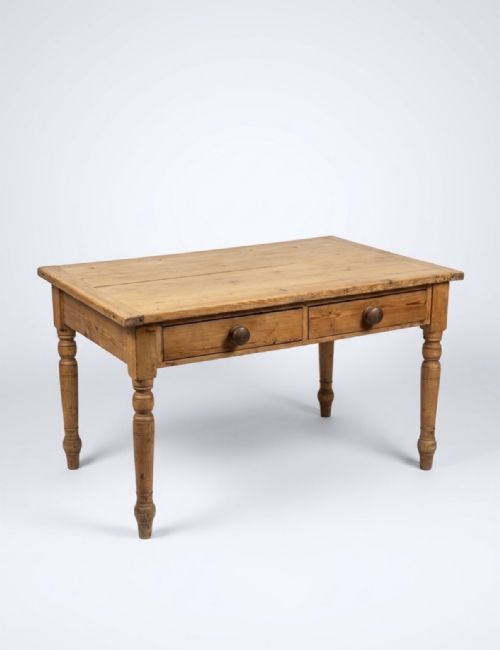
An antique wooden hall desk brings functional grace to an entryway, offering compact workspace and traditional craftsmanship from past centuries.
Antique Wooden Hall Desk
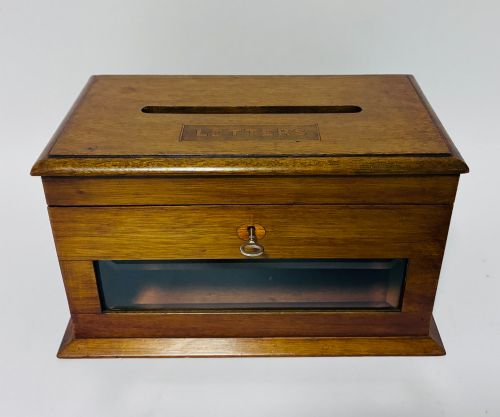
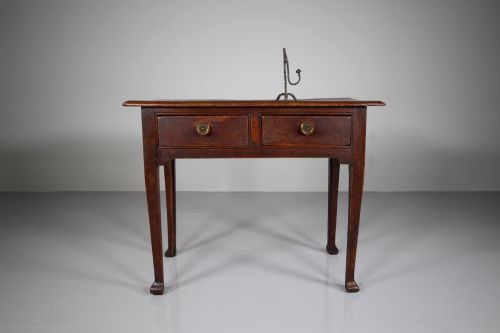
An antique wooden hall desk encompasses compact writing surfaces, side tables, and console tables designed for transitional spaces in the home. These pieces emerge from periods spanning the eighteenth through the early twentieth centuries, reflecting changing domestic habits across Georgian, Victorian, and Edwardian eras.
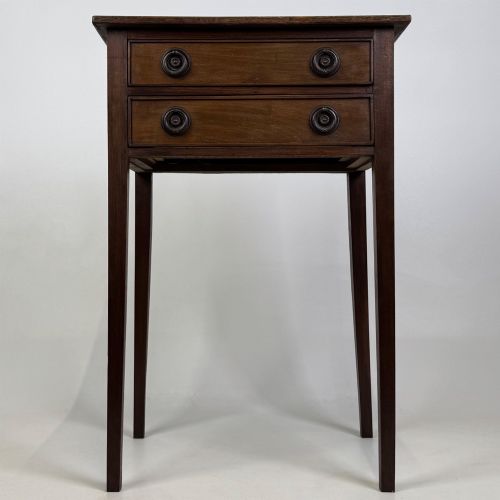
The items encountered most frequently on this page combine the utilitarian form of a side or writing table with domestic woods, serving as practical hallway furniture. Such pieces often incorporate single or dual drawers intended for correspondence and small household items.
Materials and construction methods
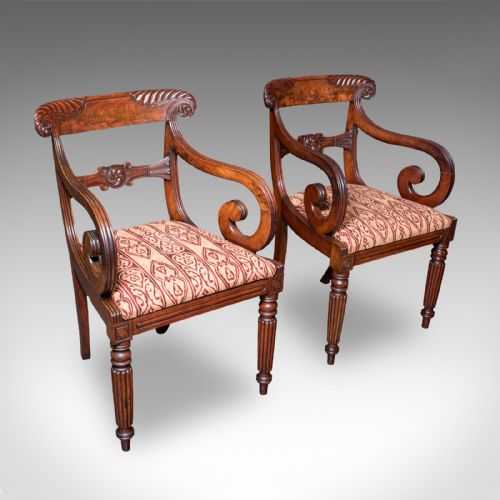
Cabinetmakers constructed these pieces primarily from dense hardwoods like mahogany, walnut, and oak, alongside regional timbers such as elm, fruitwood, and pine. Grain selection played a major role, with flame mahogany and burr elm frequently utilised for visible surfaces to add visual depth.
Joinery techniques relied on traditional hand-cut joints, supplemented by marquetry inlay or carved detailing depending on the stylistic demands of the period. Secondary woods were selected for internal drawer linings while primary timbers formed the exterior structures.
Distinctions in construction and finish
Quality rests upon the selection of timber and the precision of the joinery, distinguishing utilitarian items from high-status commissions. Superior pieces demonstrate careful timber matching, particularly in figured veneers, and maintain original structural integrity without excessive timber replacement.
The refinement of carved elements and the retention of an aged surface patina separate standard workshop production from exceptional examples. Subtle details in edge moulding and drawer construction indicate the level of care invested by the original maker.
The Antique Wooden Hall Desk Glossary
- Mahogany
- A durable imported timber valued for its reddish-brown colour and stability. It became the dominant wood for fine furniture throughout the eighteenth and nineteenth centuries.
- Lowboy
- A small seventeenth or eighteenth-century dressing or side table with one or more rows of drawers. These pieces typically stand on slender cabriole or straight legs.
- Marquetry
- The art of applying pieces of veneer to a structure to form decorative patterns. Craftsmen utilised various coloured woods to create pictorial or geometric designs.
- Washstand
- A piece of furniture designed to hold a basin and pitcher for personal washing. Many examples share dimensions and forms with compact side tables found in hallways.
Antique Wooden Hall Desk: Frequently Asked Questions
Where should I place a hall desk?
These compact writing surfaces fit naturally in narrow entryways, corridors, or landings where floor space is limited. They provide a practical drop zone for daily post and keys without obstructing movement.
Positioning them beneath a mirror or alongside a hallway chair creates a balanced arrangement that mirrors traditional domestic layouts.
How do I identify a Georgian table?
Georgian pieces, produced during the eighteenth and early nineteenth centuries, often display restrained classical proportions and substantial timber weight. Look for hand-cut dovetails within the drawers and the distinctive warmth of untreated mahogany, oak, or walnut.
Regional variations may utilise fruitwood or elm, reflecting the local materials available to provincial cabinetmakers of the era.
Can I use a side table for writing?
Many antique side tables and lowboys function adequately as writing desks due to their comfortable height and shallow drawer arrangements. Tables equipped with single drawers provide sufficient storage for modern stationery and small laptops.
Checking the clearance beneath the drawer rails ensures adequate legroom for seated tasks.
What defines Edwardian furniture style?
Edwardian items date from the early twentieth century and frequently lighter proportions than their Victorian predecessors. They often showcase satin birch, inlaid mahogany, or golden oak with subtle decorative motifs.
These pieces combine traditional cabinetmaking techniques with a fresh, domestic lightness suited to smaller reception rooms.