

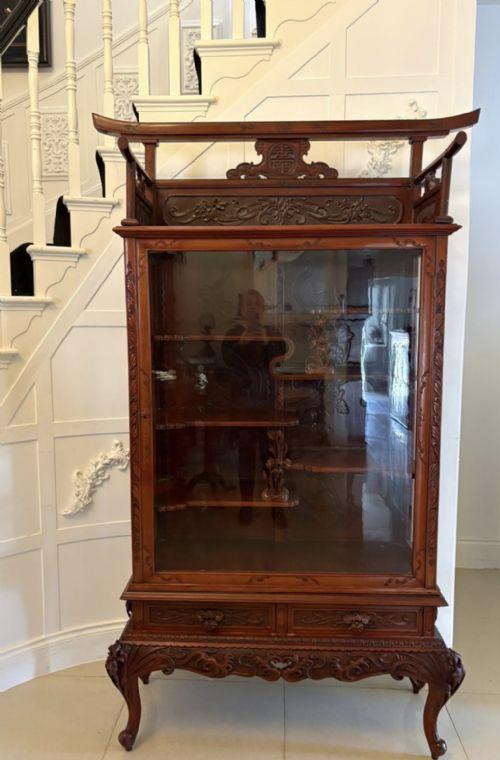
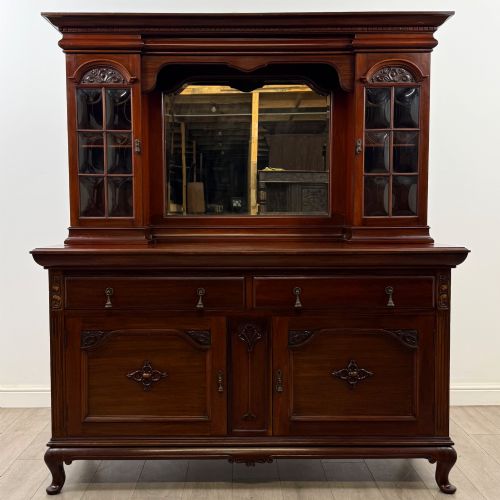
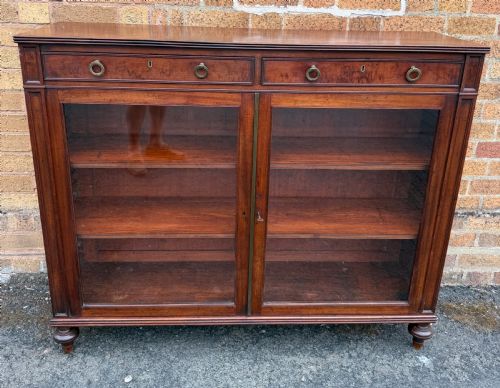
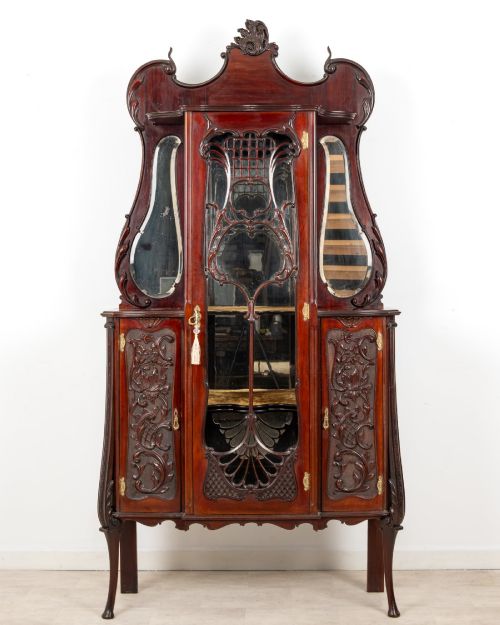
Antique Wooden Glass Cabinet
An antique wooden glass cabinet holds your most treasured possessions behind clear panes, combining practical storage with the warmth of period timber.
Antique Wooden Glass Cabinet
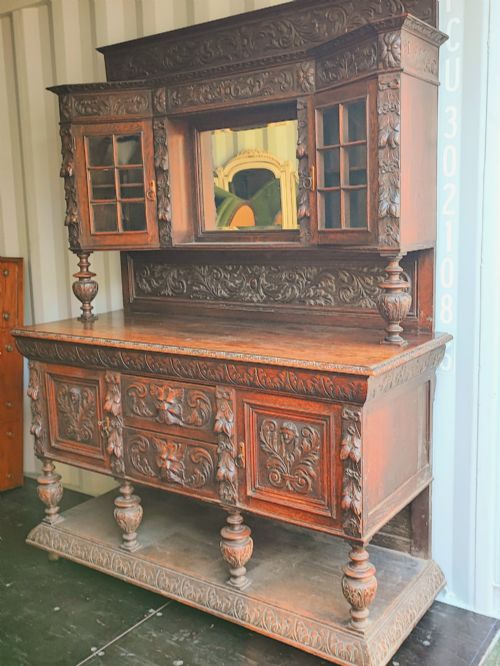
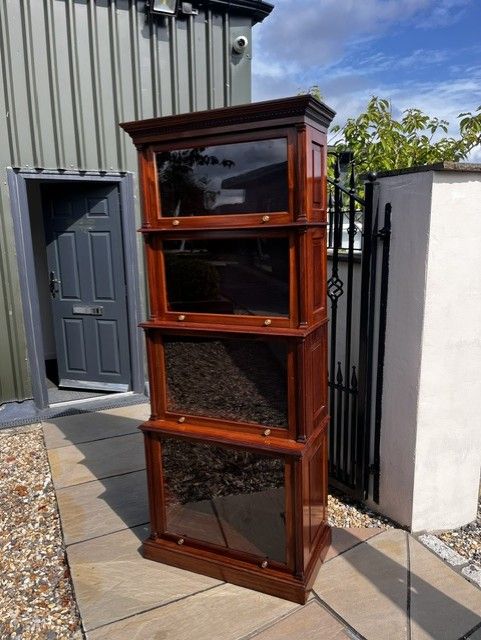
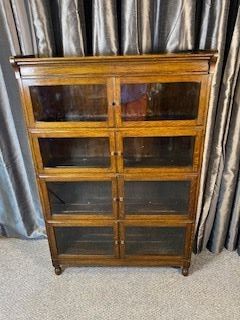
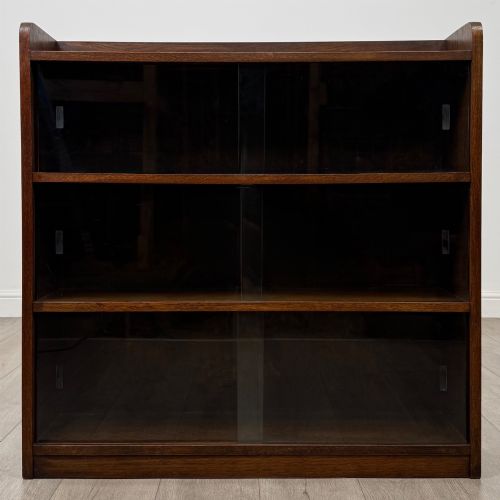
When you search for an antique wooden glass cabinet, you encounter a variety of forms designed to display or protect contents, ranging from tall library bookcases to compact table top display cases. The pieces on this page span the nineteenth century and the early twentieth century, taking shape during the Victorian, Edwardian, and 1920s periods.
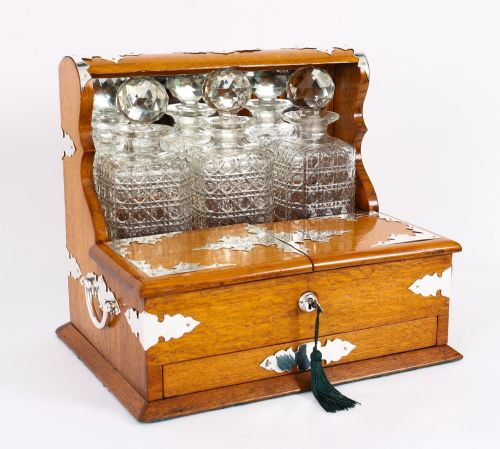
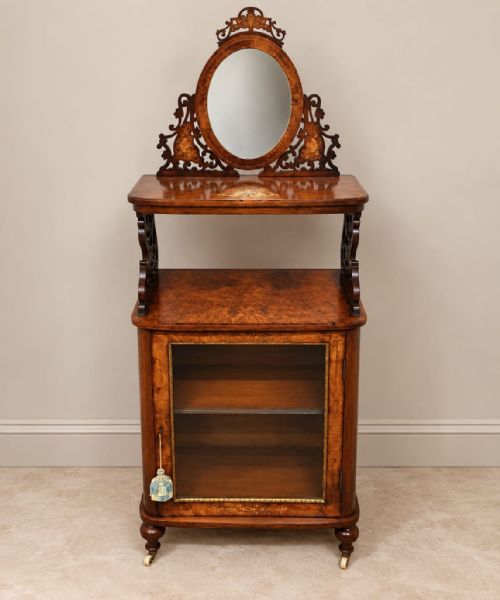
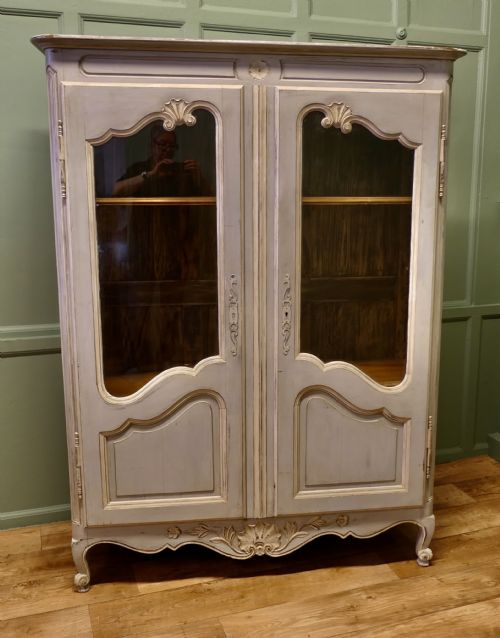
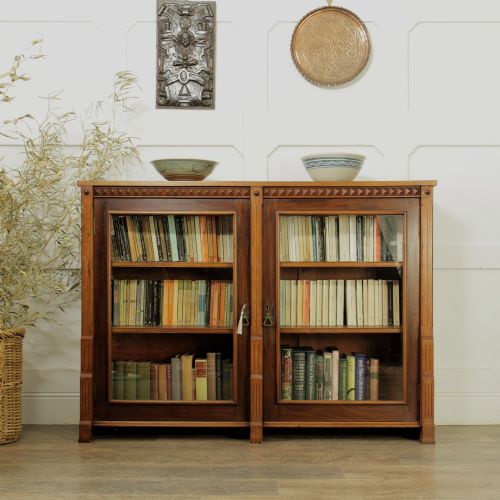
Display cabinets and glazed bookcases dominate the selection, often featuring glass panels supported by timbers like mahogany, oak, and walnut. Alongside these domestic items, you will find specialised forms such as tantalus sets, shop display cabinets, and credenzas.
Makers and designers drew on distinct aesthetic revivals, producing Sheraton Revival satinwood pieces alongside robust Arts and Crafts oak furniture. Whether you require a double door vitrine for porcelain or a narrow side cabinet for a hallway, the selection reflects the varied interior tastes of past decades.
Materials and Construction
Cabinet makers relied primarily on sturdy hardwoods, constructing carcasses from mahogany, oak, and walnut, often accentuating the surfaces with satinwood or burr walnut veneers. Timber selection dictated the character of each piece, whether through the deep reddish grain of Victorian mahogany or the pale, figured patterns of Edwardian blonde oak.
Glazing techniques defined these cabinets, utilising leaded or clear glass panes held securely within wooden frames to protect books and collectibles from dust. Brass hardware, including hinges, locks, and mounts, frequently finished the construction, particularly on specialised items like tantalus sets and credenzas.
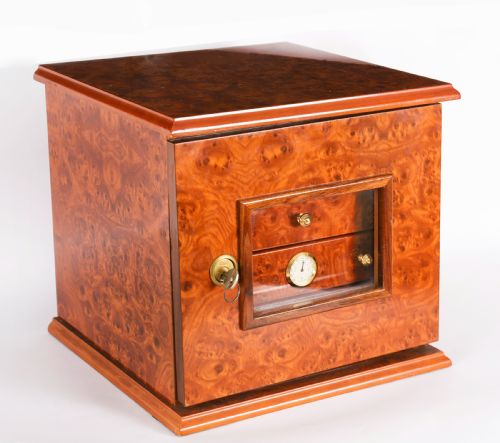
The recorded object types include display cabinets, bookcases, tantalus sets, sideboards, credenzas, and specialised cigar humidors.
Judging Quality
Quality in an antique wooden glass cabinet rests upon the selection of timber and the precision of the cabinet maker's joinery. Superior pieces display carefully matched veneers, tight dovetail joints in the drawers, and well-fitted doors that swing true without sagging.
The integration of decorative elements separates standard production items from finer works. Inlaid satinwood banding, carved mouldings, and original brass fittings enhance both the visual balance and the enduring structural integrity of the cabinet.
Maple & Co.·Minty
The Antique Wooden Glass Cabinet Glossary
- Tantalus
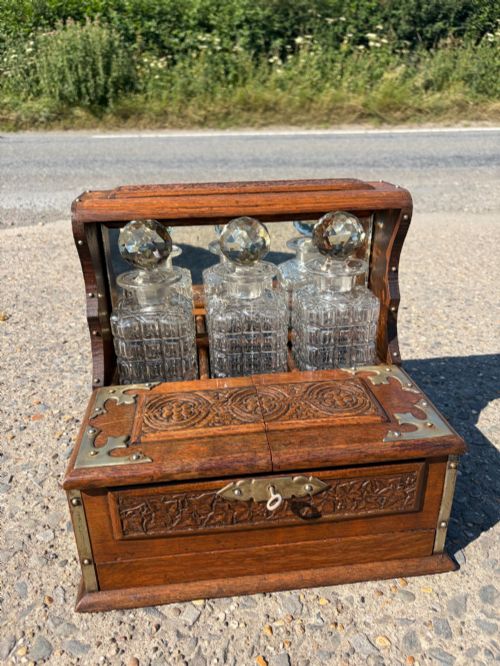
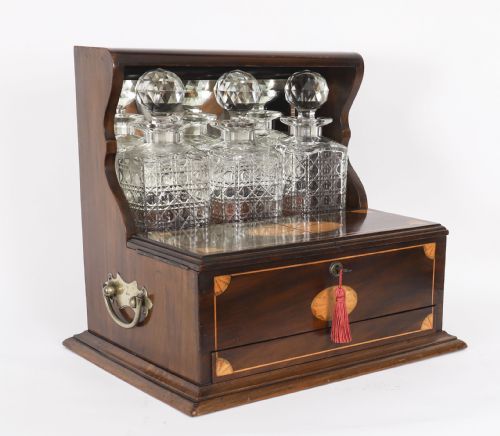
- A locking wooden frame holding decanters of spirits to prevent unauthorized access while displaying the contents through glass or open bars. These drink cabinets often incorporate games compendiums.
- Vitrine
- A glass-sided cabinet specifically designed for the display of porcelain, curiosities, or small objects. The term derives from the French word for glass.
- Credenza
- A low dining room or parlour sideboard, frequently featuring mirrored backs and glazed side cupboards. Victorian examples often incorporate intricate burr walnut veneers.
- Sheraton Revival
- A late nineteenth-century design style emulating the neoclassical elegance of Thomas Sheraton. Pieces typically feature delicate satinwood inlay and mahogany frames.
- Barrister bookcase
- A modular stacking bookcase with glazed upward-lifting doors, designed to be stacked in multiple tiers. This practical form became popular in the early twentieth century.
Antique Wooden Glass Cabinet: Frequently Asked Questions
What is an antique wooden glass cabinet used for?
These cabinets serve primarily to exhibit and protect collections of books, porcelain, glassware, or decorative objects. The glazed doors keep dust away while allowing visibility.
Historically, specific forms fulfilled specialised roles, such as displaying shop merchandise, housing library volumes, or securing decanters of liquor within a locking frame.
How do I date an antique wooden glass cabinet?
Dating relies upon examining the timber, construction methods, and stylistic cues present in the design. Victorian pieces often utilise solid mahogany or heavy walnut veneers, while Edwardian examples frequently feature lighter satinwood inlay.
Hardware such as brass locks, hinges, and the clarity of the glass panes also provide reliable chronological markers when assessing the age of a piece.
How do I care for my antique cabinet?
Protect the timber by placing the cabinet away from direct sunlight and steady heat sources to prevent the wood from warping and veneers from lifting. Regular dusting with a soft, dry cloth maintains the surface finish.
Apply a traditional beeswax polish sparingly to nourish hardwoods like mahogany and oak, avoiding modern silicone sprays that can damage older finishes.