

Antique Wooden Folk Art
These pieces of antique wooden folk art bring together centuries of provincial craftsmanship, domestic utility and vernacular sculpture.
Antique Wooden Folk Art
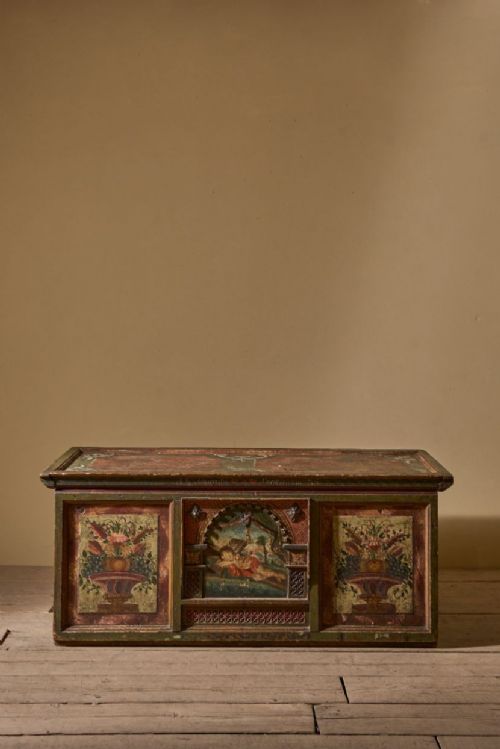
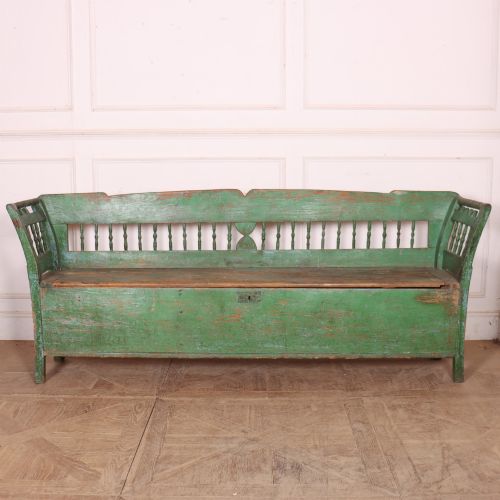
When searching for antique wooden folk art, buyers encounter a diverse array of utilitarian and decorative objects originating from domestic workshops and rural communities. The selection spans utilitarian household items like pine chests, dairy bowls and foot stoves alongside sculptural figures, carved animals and architectural elements. Pieces frequently emerge from English, Scandinavian, French, Swiss and Japanese traditions, reflecting local materials and regional aesthetics.
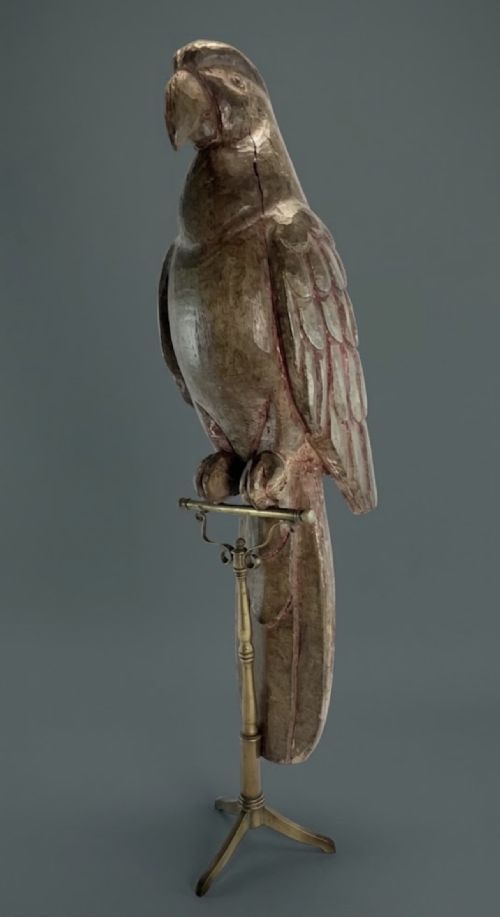
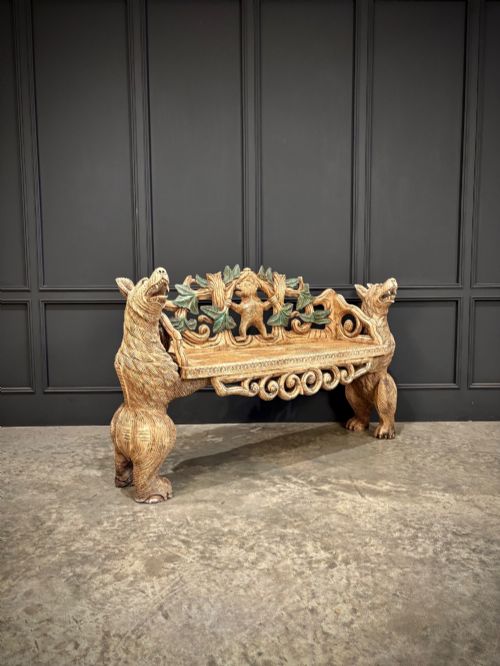
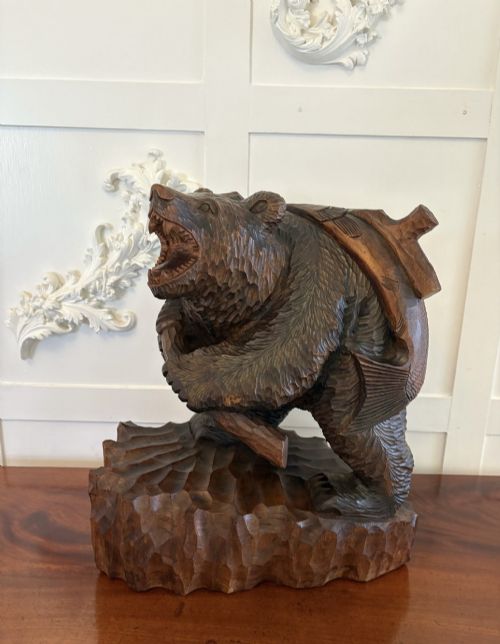
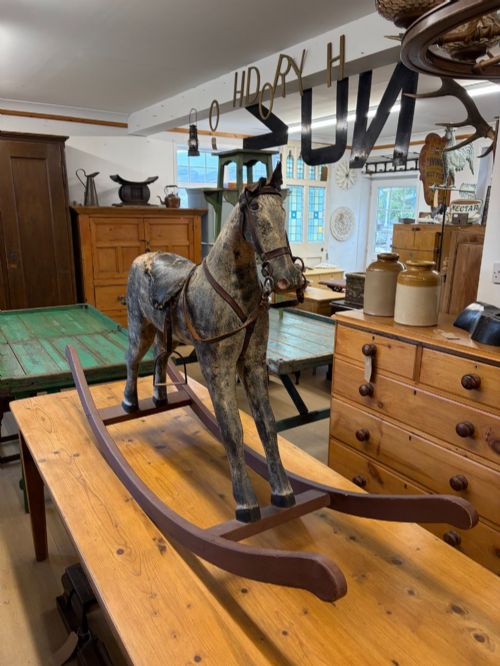
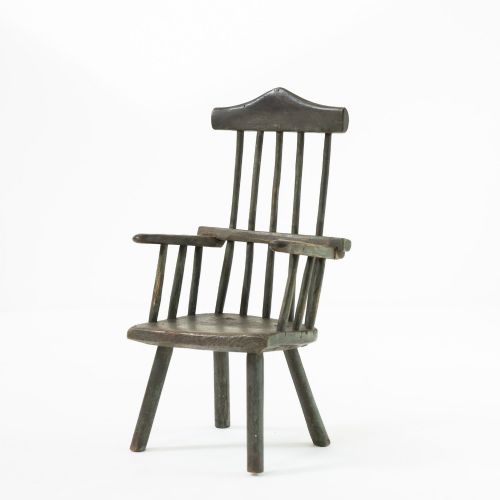
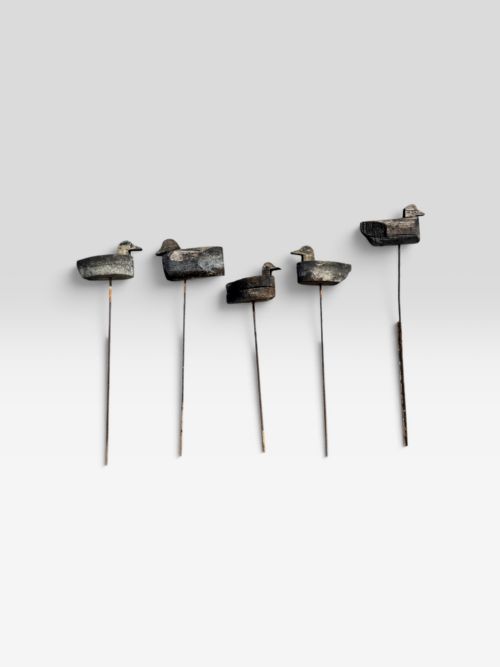
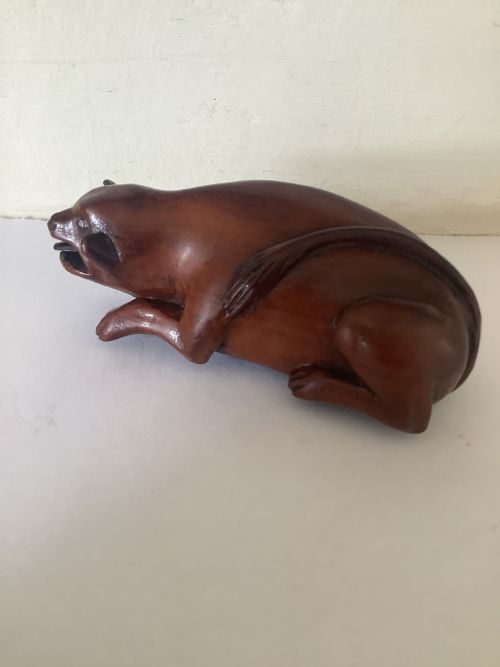
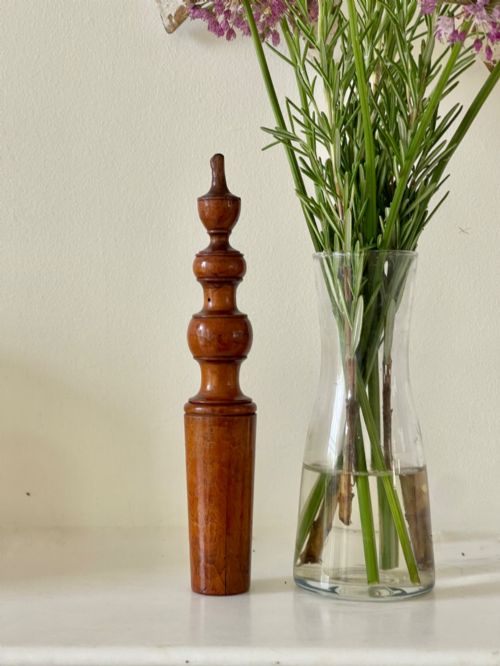
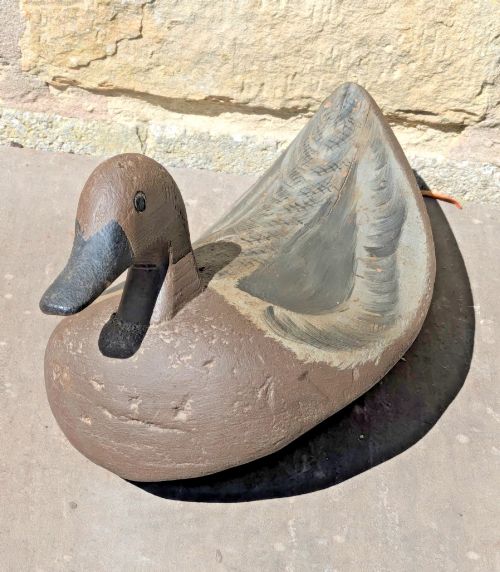
Domestic furniture forms such as Windsor armchairs, benches, footstools and dining tables appear alongside smaller treen items including knitting sheaths, snuff boxes and children's toys. Decoys for waterfowl and carved animal sculptures, notably bears and lions, represent a significant portion of the figurative works. These items bridge the gap between everyday utility and decorative expression, shaped by makers working outside formal academic traditions.
Materials and Techniques
Makers utilised available local timbers such as pine, oak, fruitwood, limewood, walnut and hard woods to construct their pieces. Surfaces frequently display layers of original or later paint, chip carving, punchwork, incised line decoration and hand-forged iron strapwork. Structural joining relies on traditional pegged, nailed or dovetailed construction appropriate to the vernacular nature of the objects.
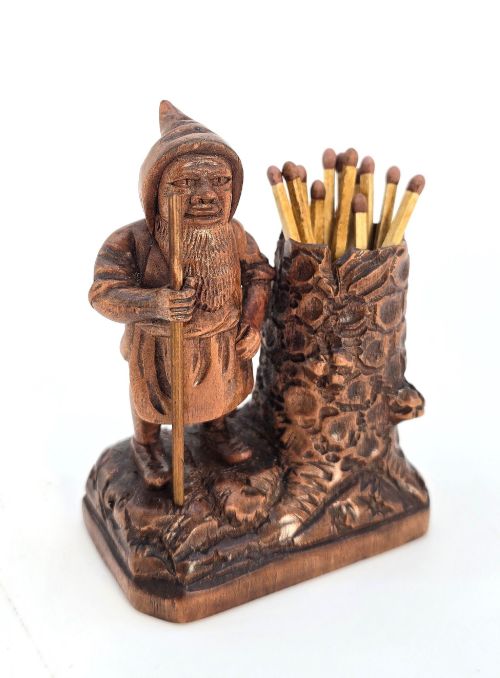
Carving techniques range from naive hand-whittling on small treen objects to detailed chip carving on foot stoves and boxes, and substantial sculptural work on Black Forest furniture and animal figures. Makers incorporated glass elements in dioramas and brass details on hardware, combining functional metalwork with carved timber bodies.
Listings feature items spanning the 17th, 18th and 19th centuries, alongside early 20th-century pieces including Edwardian and 1920s works.
Assessing Quality and Character
Quality in these pieces rests upon the strength of the carving, the integrity of the original surface paint or patination, and the authenticity of the construction. Items displaying clear regional characteristics, signed inscriptions or dated maker interventions hold distinct documentary interest. The balance between naive charm and proportional execution governs the visual success of figurative sculptures and decoy carvings.
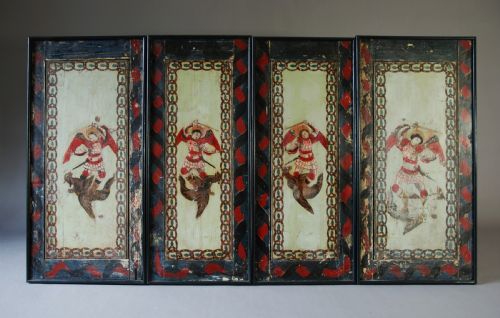
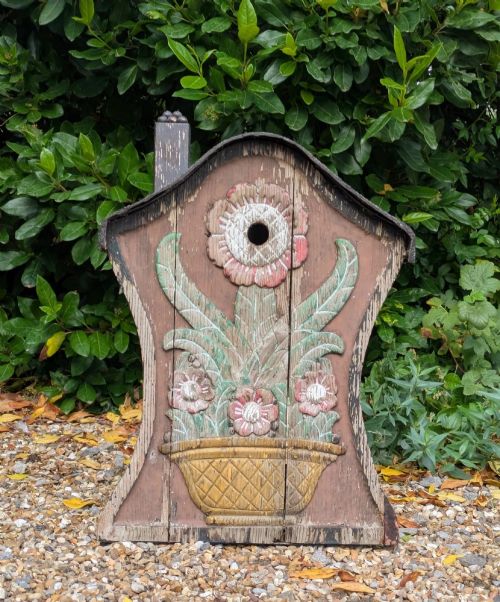
The survival of original surface finishes, such as early painted panels or traces of original polychrome, significantly influences the integrity of a piece. Condition encompasses the natural wear of domestic use, stable timber shrinkage and the retention of original hardware like iron strapwork or hinges, distinguishing domestic survivals from later reproductions.
R.D. Roberts
The Antique Wooden Folk Art Glossary
- Treen
- Small handmade wooden household objects and utilitarian items produced before the widespread use of plastics. These include items like knitting sheaths, rattles, spoons and small boxes.
- Chip Carving
- A decorative technique where small chips are removed from a flat wooden surface with a knife or chisel to create geometric patterns. This method appears frequently on foot stoves, boxes and small tables.
- Tramp Art
- A form of woodworking where items are constructed from scrap materials, often cigar boxes, utilising chip carving, notch-carving and layer-building techniques. Buffets and small decorative objects are commonly built in this style.
- Decoy
- A carved and painted wooden bird or animal representation used originally by hunters to attract wildlife. English and continental examples often display hand-painted feather details.
- Knitting Sheath
- A small wooden device tucked into a belt or apron string to hold a knitting needle steady during hand-spinning and textile production. Fruitwood examples often feature punchwork and incised line decoration.
Antique Wooden Folk Art: Frequently Asked Questions
How were foot stoves used?
Foot stoves were small wooden boxes pierced with decorative patterns, housing a metal pan for hot embers inside. People placed them beneath heavy skirts or blankets during cold weather to warm their feet in unheated churches and homes.
Constructed from oak or pine with intricate chip carving, these pieces combined practical insulation with ornamental domestic craftsmanship.
How do I care for painted wooden surfaces?
Preserving original paint surfaces requires maintaining stable indoor humidity away from direct sunlight and heat sources. Avoid harsh modern chemical cleaners, using instead a dry soft cloth for dusting.
Old painted pine and folk sculptures hold delicate historic finishes that benefit from minimal intervention and gentle handling.
How are regional styles identified?
Regional attribution relies on characteristic construction methods, native timber choices and decorative motifs associated with specific areas like Scandinavia, the Black Forest, Frisia or rural England. For example, chip-carved foot stoves point toward Frisian origins, while carved bears connect to Swiss and German alpine traditions.
Comparing structural joinery, paint palettes and tool marks helps differentiate between these distinct geographic workshops.