








Antique Wooden Dog
When you handle an antique wooden dog, you hold a piece of sculpture carved with the character of a hound, terrier or foo dog from centuries past.
Antique Wooden Dog
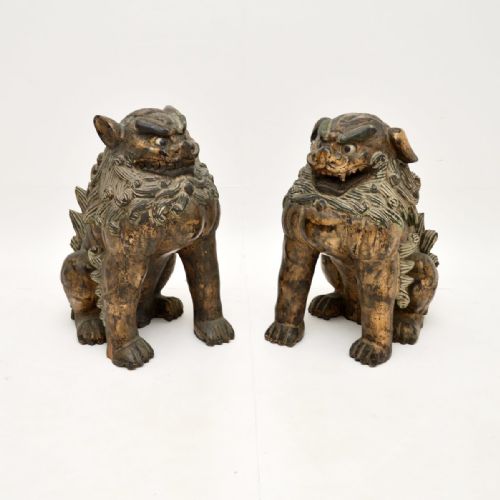
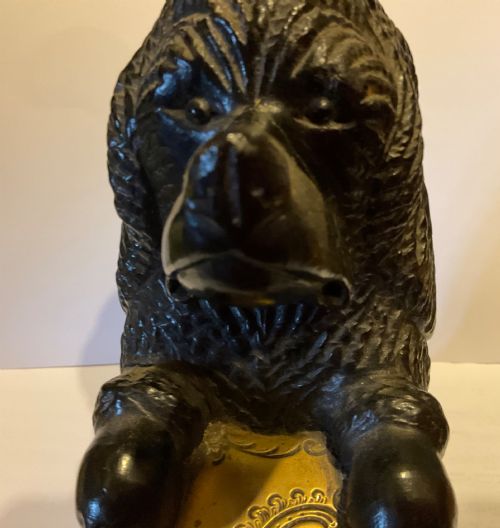
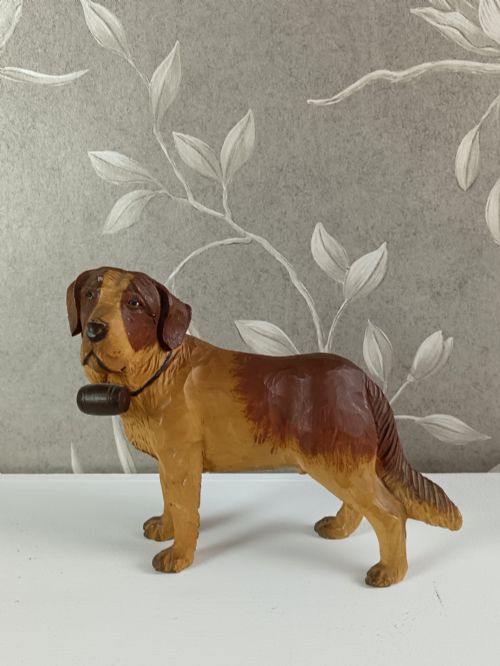
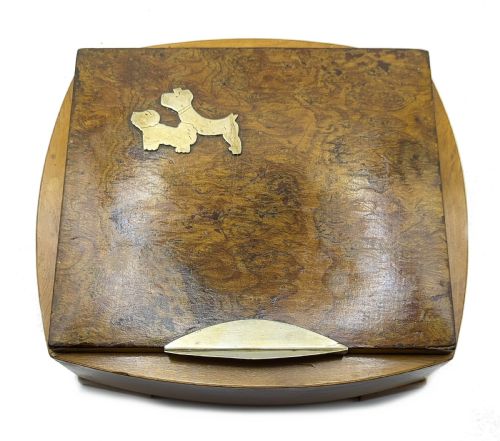
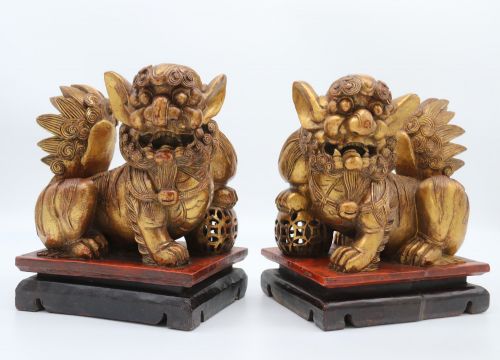
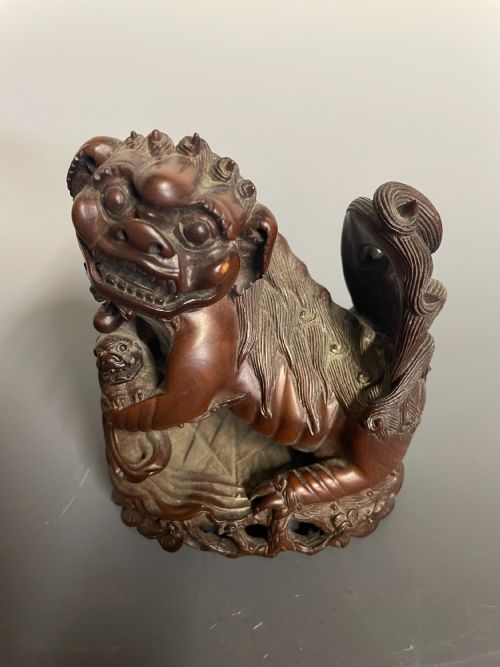
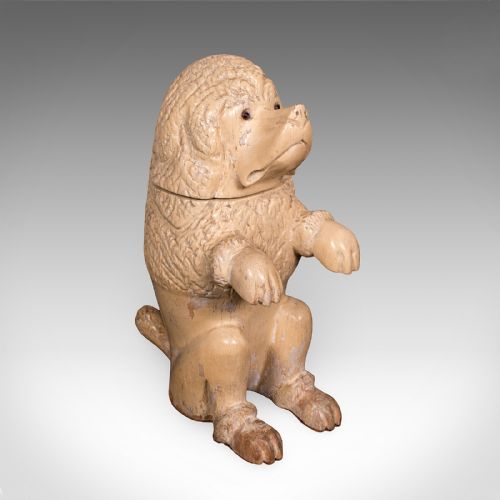
An antique wooden dog takes many sculptural and functional forms across this selection, spanning carvings of hounds, match dispensers, tobacco jars, and bookends. You encounter pieces shaped as Black Forest retrievers, Art Deco Scotties, and Chinese root wood Foo dogs.
The objects originate from the nineteenth century, the Edwardian era, and the nineteen-thirties, emerging from European workshops and Chinese carving traditions. They serve practical roles as humidors and walking stick handles or stand purely as decorative figures.
Among these listings, carved Black Forest dogs and utility boxes dominate alongside Asian boxwood and root wood temple lions. These domestic and decorative items reflect period tastes for animal subjects in household furnishings.
Materials and construction methods
Carvers shaped these figures from timber, oak, fruitwood, walnut, and boxwood using traditional hand chisels and gouges. Artisans in the Black Forest region employed deep relief carving and realistic texturing to render fur, collars, and facial expressions.
Makers integrated brass hinges, glass eyes, and gilt lacquer to finish functional boxes, humidors, and decorative statues. Chinese craftsmen utilised root wood and boxwood, turning natural grain patterns into swirling manes and muscular forms for Foo dogs.
Antique Wooden Dog Retail Price Guide 2026
Typical asking prices for wooden dog among the pieces listed under this phrase on Sellingantiques today, from the lower quarter to the upper quarter. They describe what is for sale here now, not the wider market.
Listings feature woods such as oak, walnut, fruitwood, and boxwood shaped into dog sculptures across the nineteenth and twentieth centuries.
Distinctions in quality
The integration of form and function dictates the success of items like tobacco jars and match dispensers. The finest specimens conceal compartments cleverly within naturalistic poses without compromising the sculptural silhouette of the animal.
The Antique Wooden Dog Glossary
- Black Forest
- A style of wood carving originating from the Swiss and German mountain regions during the nineteenth century. These pieces typically depict animals, such as dogs and bears, rendered in deep, naturalistic relief.
- Foo Dog
- A traditional Chinese guardian lion depicted in statuary and temple carvings. Sculptors often render them in pairs with stylized manes and paws resting on brocade balls.
- Treen
- Small handmade wooden household objects and utility items. This category encompasses items like small boxes, bowls, and desk accessories carved from timber.
- Humidor
- A moisture-controlled box designed for storing cigars. Antique examples are frequently fitted with wood linings and decorated with carved animal motifs.
Antique Wooden Dog: Frequently Asked Questions
What is a Black Forest dog carving?
A Black Forest dog carving is a nineteenth-century wooden sculpture or functional box originating from European mountain regions. These pieces are known for their dramatic realism and deep-relief carving depicting hounds and hunting dogs.
Craftsmen often integrated these sculptures into umbrella stands, inkwells, and tobacco jars. They reflect a Victorian appetite for rustic animal subjects in interior decor.
How were antique wooden dogs used?
Antique wooden dogs served both decorative and practical purposes in period homes. Many functioned as match dispensers, cigar humidors, bookends, and walking cane handles.
Others stood purely as ornamental sculptures on desks, mantels, and side tables. Their utility items disguised storage compartments within the carved wooden animal form.
How do I date a carved wooden dog?
Dating relies on examining the timber species, carving tool marks, and stylistic indicators such as Art Deco geometric lines or Victorian naturalism. Accompanying hardware like brass hinges and glass eyes also offer clues to the period of manufacture.
Reference points include nineteenth-century Swiss carving styles and nineteen-thirties modernist depictions of terriers. Comparing the patina and wear patterns against known period examples helps confirm the age.
Are Chinese Foo dogs made of wood?
Chinese Foo dogs are frequently carved from boxwood, root wood, and other indigenous timbers. These temple guardian figures date from the eighteenth and nineteenth centuries.
Carvers utilised the gnarled shapes of root wood to create dynamic forms for these mythical lions. They appear as standalone statues or paired temple ornaments.