



Antique Wooden Deed Box
An antique wooden deed box gives secure order to papers and brings centuries of solid craftsmanship straight into a modern room.
Antique Wooden Deed Box
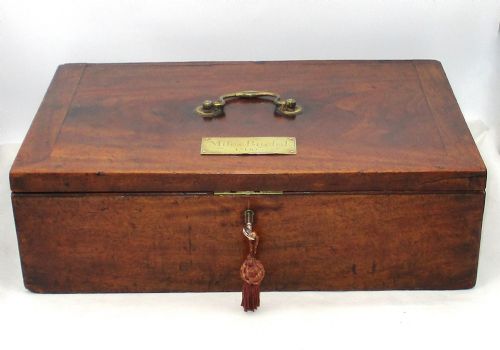
An antique wooden deed box serves as a heavy-duty container designed for storing valuable documents, land indentures and family papers. When you examine the options on this page, you will encounter pieces spanning from the seventeenth century through to the Victorian era.
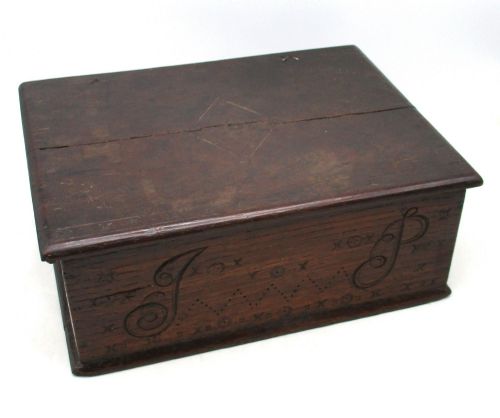
Form follows function closely in these objects, usually taking the shape of a sturdy rectangular chest with hinged lids or sliding mechanisms. They range from simple utilitarian storage to pieces adorned with carvings or original paintwork.
Materials and construction
Cabinet makers utilised durable hardwoods such as oak, mahogany, padouk, and chestnut to build these robust containers. These timbers provided the structural integrity required to protect important contents over generations.
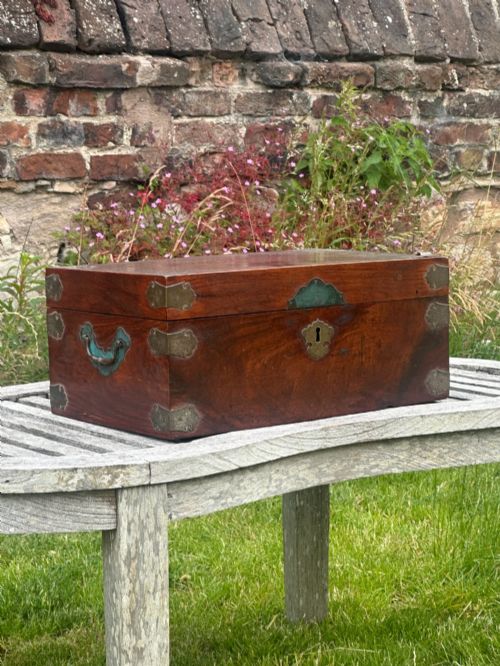
Metal reinforcement played a vital role in their construction, with iron and brass bindings, straps, and corner brackets protecting the edges and securing the lids. Leather was also utilised in specific examples for covering or lining.
Antique Wooden Deed Box Retail Price Guide 2026
Typical asking prices for wooden deed box among the pieces listed under this phrase on Sellingantiques today, from the lower quarter to the upper quarter. They describe what is for sale here now, not the wider market.
Assessing quality and character
The distinction between standard examples and superior pieces rests on the choice of timber and the sophistication of the joinery. Finer boxes display carefully selected grain patterns and precise corner joints that have endured centuries of use.
Decorative elements further separate the grades, moving from plain utilitarian surfaces to carved panels, Gothic motifs, or surviving original paintwork. The presence of intact period hardware, such as brass bindings and hinges, adds significantly to the integrity of the piece.
The Antique Wooden Deed Box Glossary
- Document box
- A portable container specifically sized for holding folded papers, letters and legal parchments securely. These often sat on tables or inside larger cabinets.
- Padouk
- A dense tropical hardwood with a distinctive reddish hue, favoured by makers working within the Anglo-Indian tradition. It resists moisture and insects effectively.
- Folk art
- Items created within a traditional community style, often by self-taught makers rather than formal workshops. In this context, it describes boxes featuring original hand-applied paint decoration.
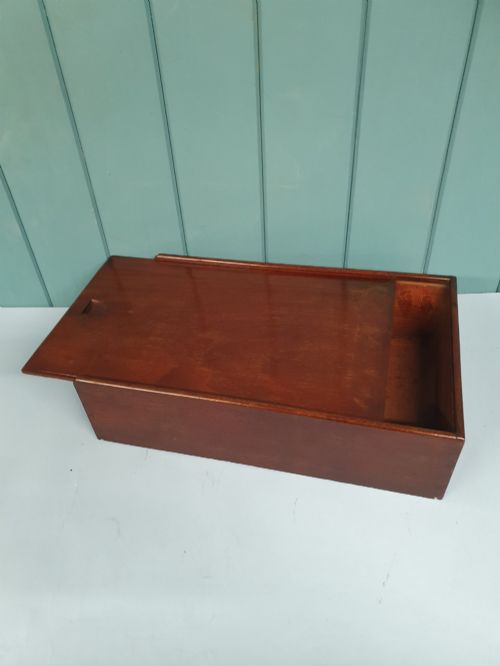
- Sliding lid
- A closure mechanism where the top panel moves horizontally within side grooves rather than lifting on hinges. This design appears on specific Georgian storage pieces.
- Strapwork
- Decorative or reinforcing bands of metal, usually iron or brass, fixed across the exterior of a box. They provide structural strength and physical security.
Antique Wooden Deed Box: Frequently Asked Questions
What were antique wooden deed boxes used for?
These boxes provided secure storage for vital legal papers, land deeds, and family documents before modern filing systems existed. People kept them locked in homes or offices to protect important records from theft, fire, and dampness.
Over time, they evolved from purely utilitarian items into decorative desktop storage. Today, they serve the exact same purpose for holding modern paperwork or letters.
How do I date an antique wooden deed box?
Dating relies on examining the timber species, construction joints, and hardware styles. Early pieces from the seventeenth century often show pegged oak construction and hand-carved details.
Later Victorian and Georgian examples utilise mahogany or pine with machine-cut components and different hinge mechanisms. Comparing the construction methods to known historical periods gives the most accurate date range.
Where should I place a deed box in my home?
These boxes look effective placed on side tables, desks, or open bookshelves where their timber patination and metal bindings can be appreciated. Because they are robust, they also function well as coffee table storage.
Keep them away from direct sunlight and strong heat sources to protect the wood and any historic finishes. Placing them in stable indoor humidity prevents the timber from warping.
How do I care for the wood and metal?
Dust the wood regularly with a soft, dry cloth and apply a quality beeswax periodically to nourish the surface. Avoid using modern silicone sprays or harsh chemical cleaners.
Leave brass and iron hardware in its natural aged state rather than polishing it to a bright shine, as patination adds to the historical character. Wipe metal parts gently with a dry microfiber cloth.