


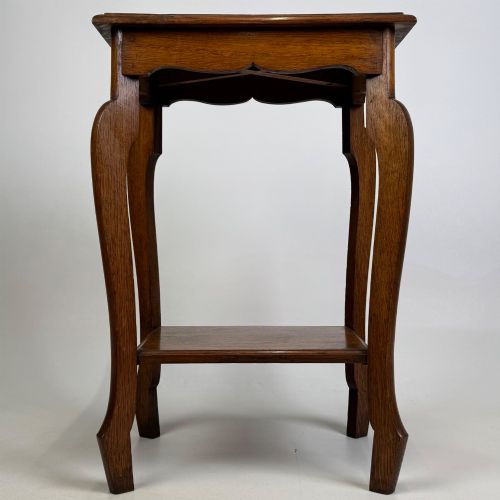
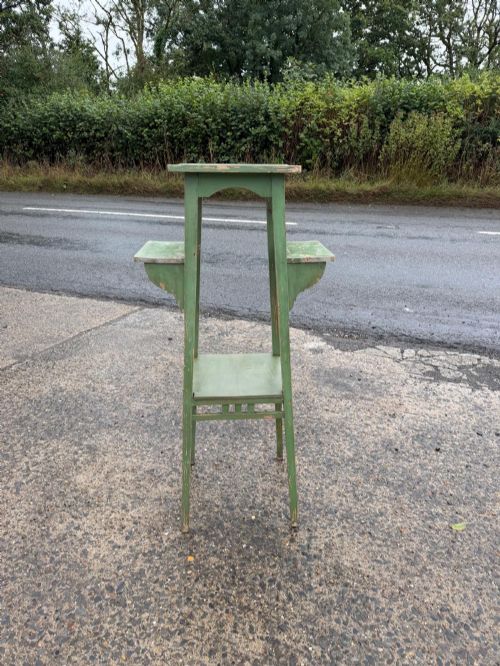
Antique Wooden Craft Stand
An antique wooden craft stand brings solid construction and honest design into a room, serving practical needs with plain dignity.
Antique Wooden Craft Stand
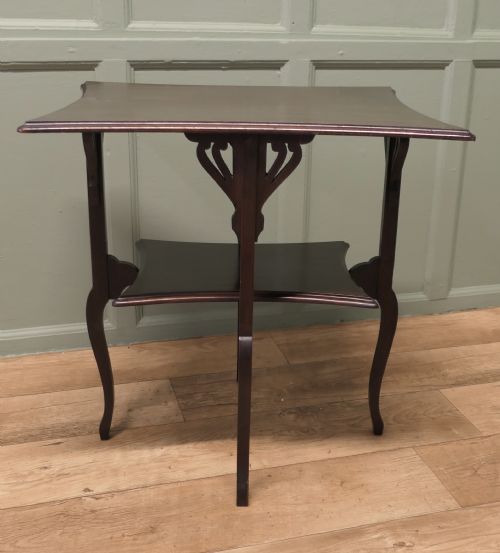
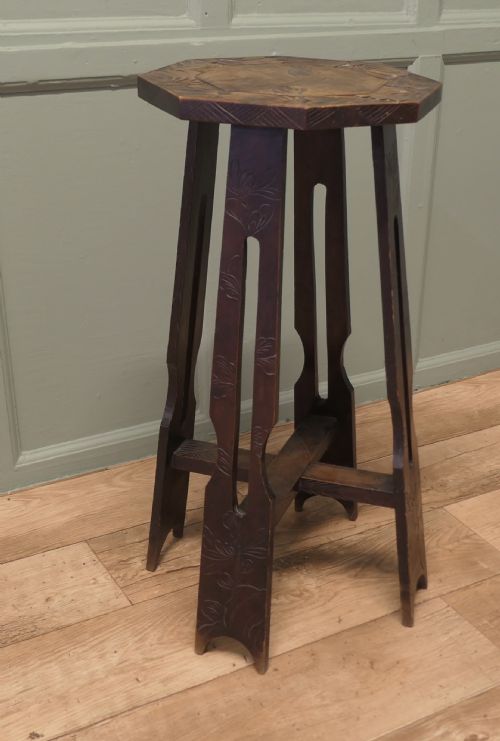
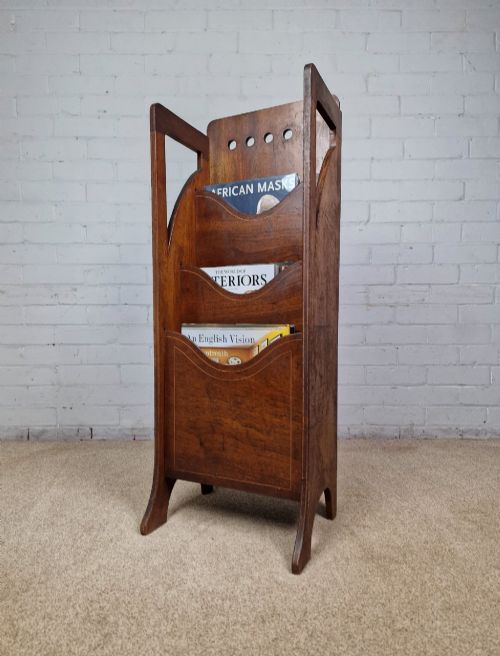
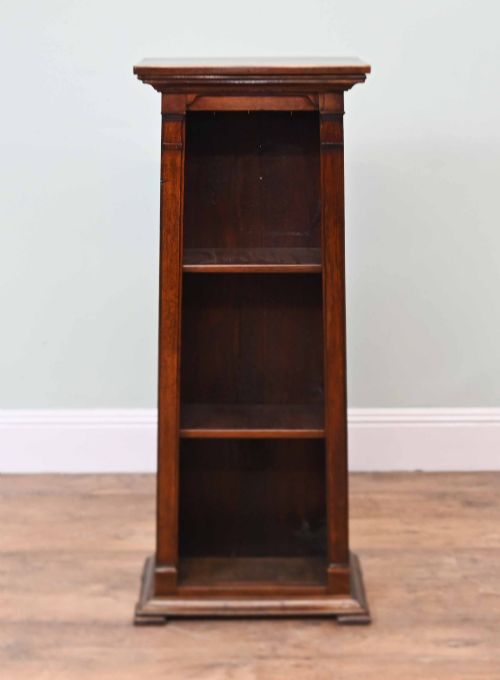
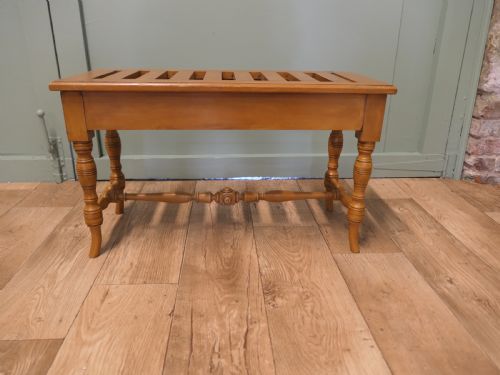
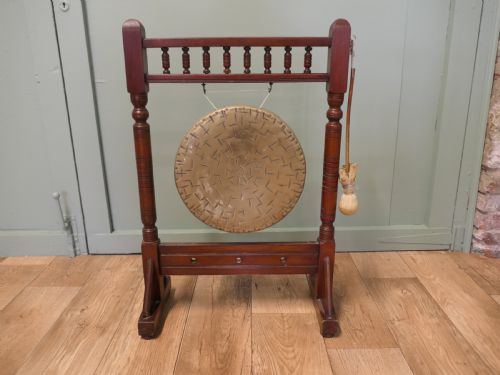
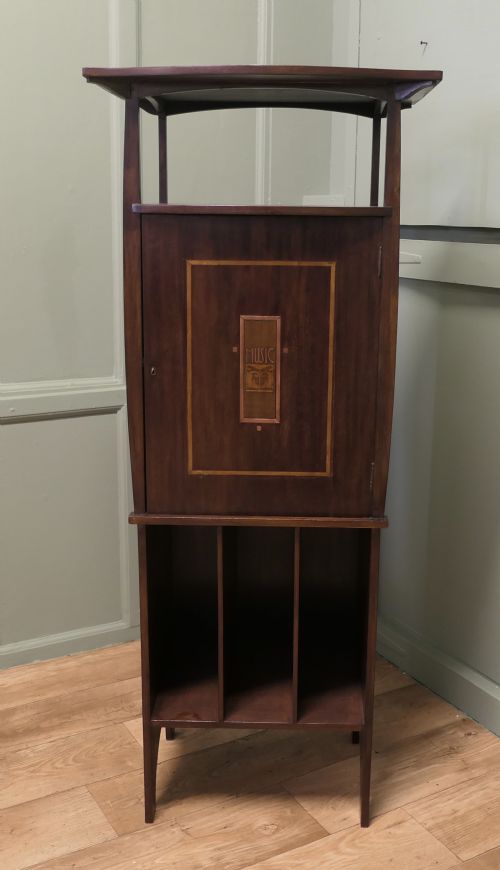
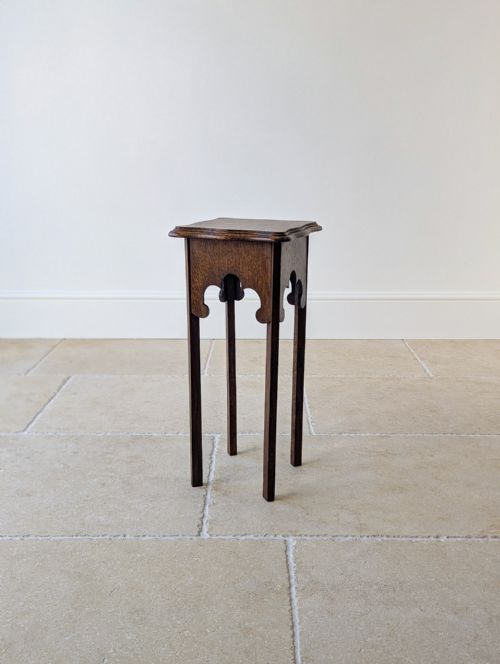
When you search for an antique wooden craft stand, you encounter utilitarian furniture shaped by the honest construction methods of the late nineteenth and early twentieth centuries. These pieces encompass plant stands, jardiniere stands, book stands, and occasional tables that served specific functional roles in domestic interiors. The aesthetic draws heavily from the Arts and Crafts movement, where utility dictated form.
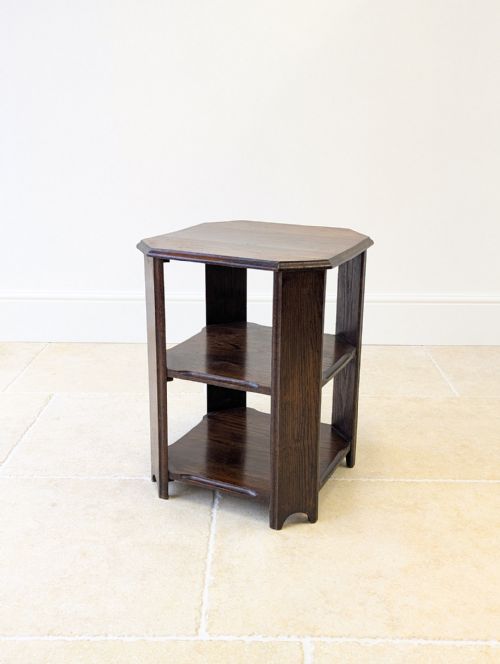
The versions you meet most frequently on this page date from the Edwardian era through to the nineteen-twenties, constructed predominantly in oak. Many exhibit the straightforward joinery, chamfered edges, and sensible proportions characteristic of English country house and workshop production. They range from small two-tier plant supports to sturdy book troughs designed for daily use.
How they were made
Makers relied on solid oak as the principal timber, complemented by occasional uses of walnut, mahogany, and contrasting wood inlay. Construction relied on visible joinery such as mortise and tenon joints, holding the structure together without relying on metal fasteners. Surfaces frequently received a wax polish to protect the timber while revealing the natural grain.
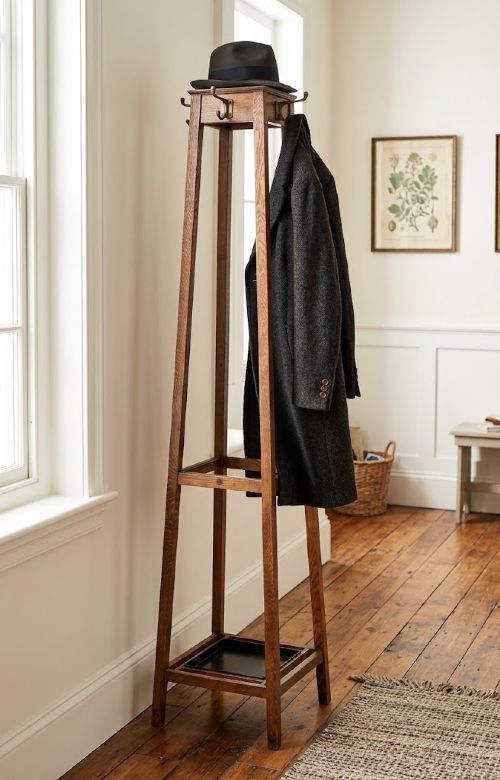
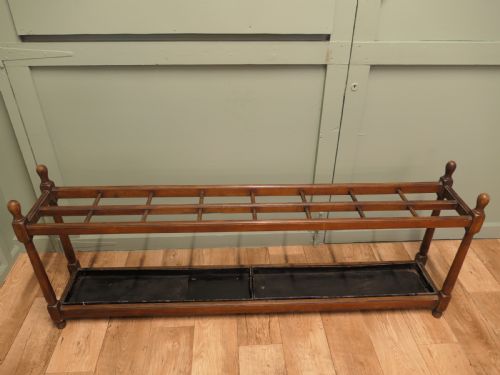
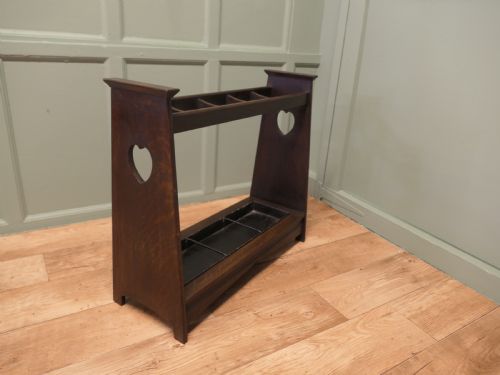
Detailing often included chip carving, subtle hand-carved motifs, and integrated metal components such as brass drip trays for umbrella stands. Certain workshop pieces featured original paint surfaces or chequered inlay to add visual interest to otherwise utilitarian frames. Every element served a functional purpose within the design.
Some umbrella stands still retain their original brass drip trays, catching decades of British rain.
What varies in quality
The distinction between standard production and finer work rests on the integrity of the timber selection and the precision of the joinery. Workshop attribution to known designers or retailers introduces higher standards of hand-finishing and thoughtful proportion. Pieces bearing maker labels or specific regional characteristics demonstrate superior attention to detail.
Surface preservation significantly influences the character of a piece, distinguishing items retaining original patination from those subjected to later alterations. The crispness of carved elements and the balance of secondary woods like brass and glass indicate the level of craftsmanship invested during production.
GM Elwood·JS Henry·Liberty and Co·Arthur Simpson·William Birch·Baillie Scott·Shapland and Petter
The Antique Wooden Craft Stand Glossary
- Arts and Crafts
- A design movement advocating for traditional craftsmanship, simple forms, and honest materials. It rejected mass production in favour of hand-built integrity.
- Jardiniere stand
- A tall piece designed specifically to hold a decorative ceramic plant pot or flower bowl. These stands typically feature a small top surface and sturdy vertical supports.
- Chip carving
- A decorative technique where small chips are removed from the surface of wood to create geometric patterns. It appears frequently on panels and tabletops of this period.
- Book trough
- A compact open receptacle designed to hold a small selection of books upright on a table or floor. They were common domestic accessories in Edwardian libraries and sitting rooms.
Antique Wooden Craft Stand: Frequently Asked Questions
How do I date an oak craft stand?
Dating relies on observing construction methods, joinery types, and stylistic cues present in the wood. Pieces from the Edwardian period often display simpler forms compared to elaborate Victorian examples.
Hardware components, such as brass drip trays or original labels, also help narrow down the decade of production.
What rooms suit a wooden plant stand?
These stands fit well in hallways, living rooms, and conservatories where they provide a sturdy surface for plants or decorative items. Their compact footprints allow them to occupy empty corners without crowding the floor space.
They pair naturally with other oak furniture and natural textiles.
How should I maintain an antique oak surface?
Maintain the timber by applying a traditional beeswax polish occasionally to nourish the dry wood. Avoid placing pieces in direct sunlight or near heat sources to prevent timber splitting.
Dust regularly with a soft, dry cloth to protect the original finish.
What is the difference between a plant stand and a jardiniere stand?
While both support flora, a jardiniere stand specifically accommodates a container designed to hold potted plants indoors. These often feature waterproof linings or inset trays to catch water.
Plant stands generally provide a flat surface for various decorative objects.