




Antique Textile Tool
An antique textile tool carries the quiet graft of domestic craft, bringing turned wood and carved folk art straight to your mantel or table.
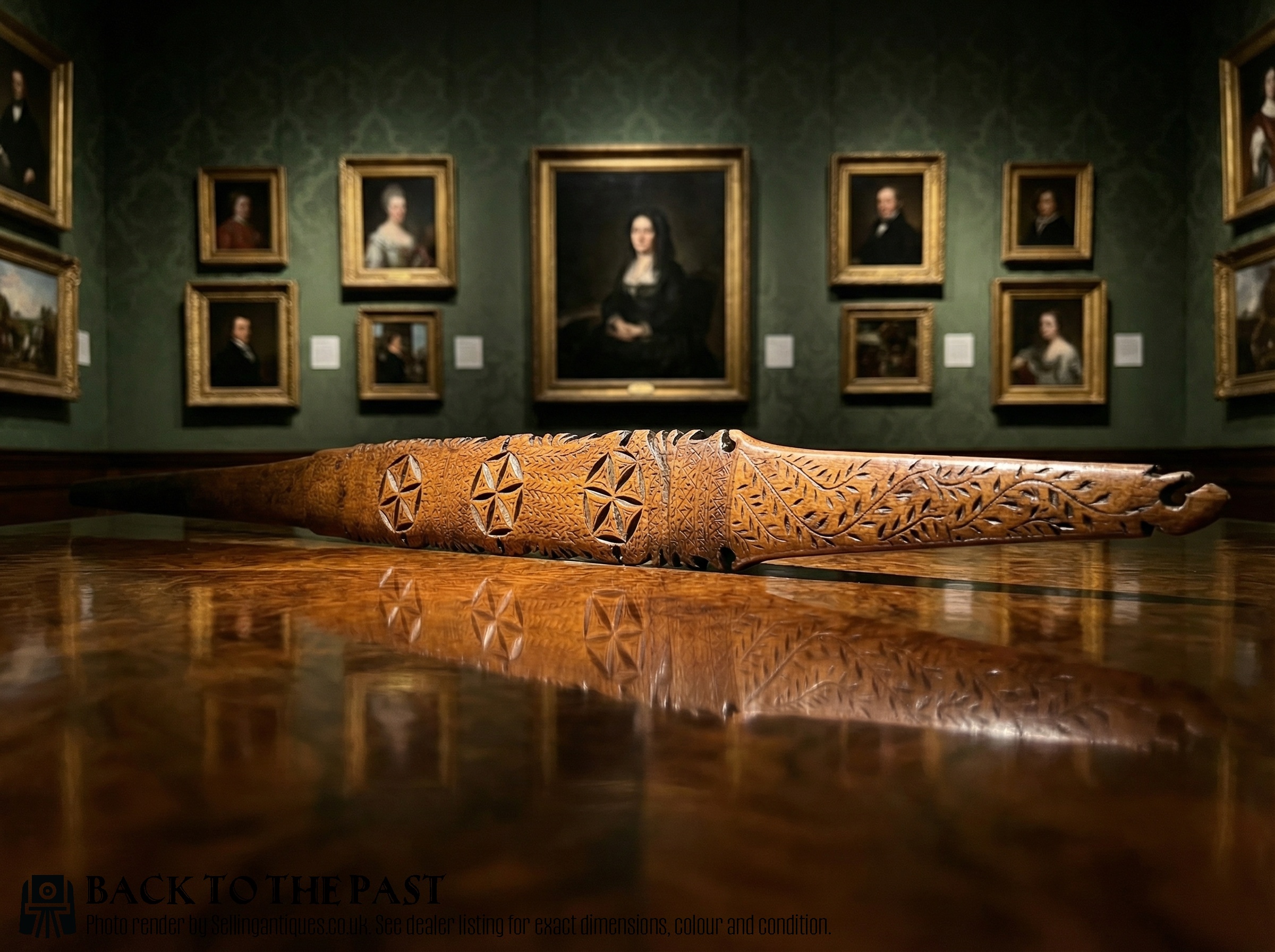
Antique Textile Tool
When you search for an antique textile tool, you meet a tangible record of historical fibre work, ranging from utilitarian spinning wheels to decorative knitting sheaths. The selection here leans heavily toward treen and folk art implements, spanning the eighteenth and nineteenth centuries.
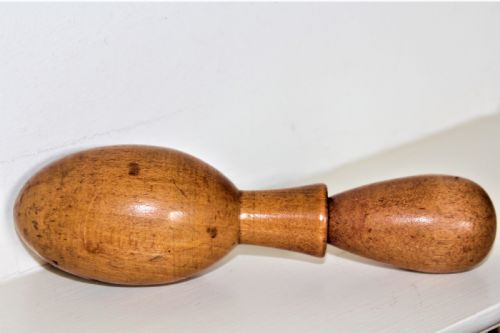
Most examples hail from the Victorian era and the nineteenth century, taking forms such as distaffs, lace bobbins, wool winders, and sock darners. These objects served vital roles in domestic production before mechanized manufacture took over.
Originating across England, France, India, and other regions, each textile tool reflects the specific regional traditions of fibre preparation and lace making. Their survival offers a direct connection to domestic textile creation.
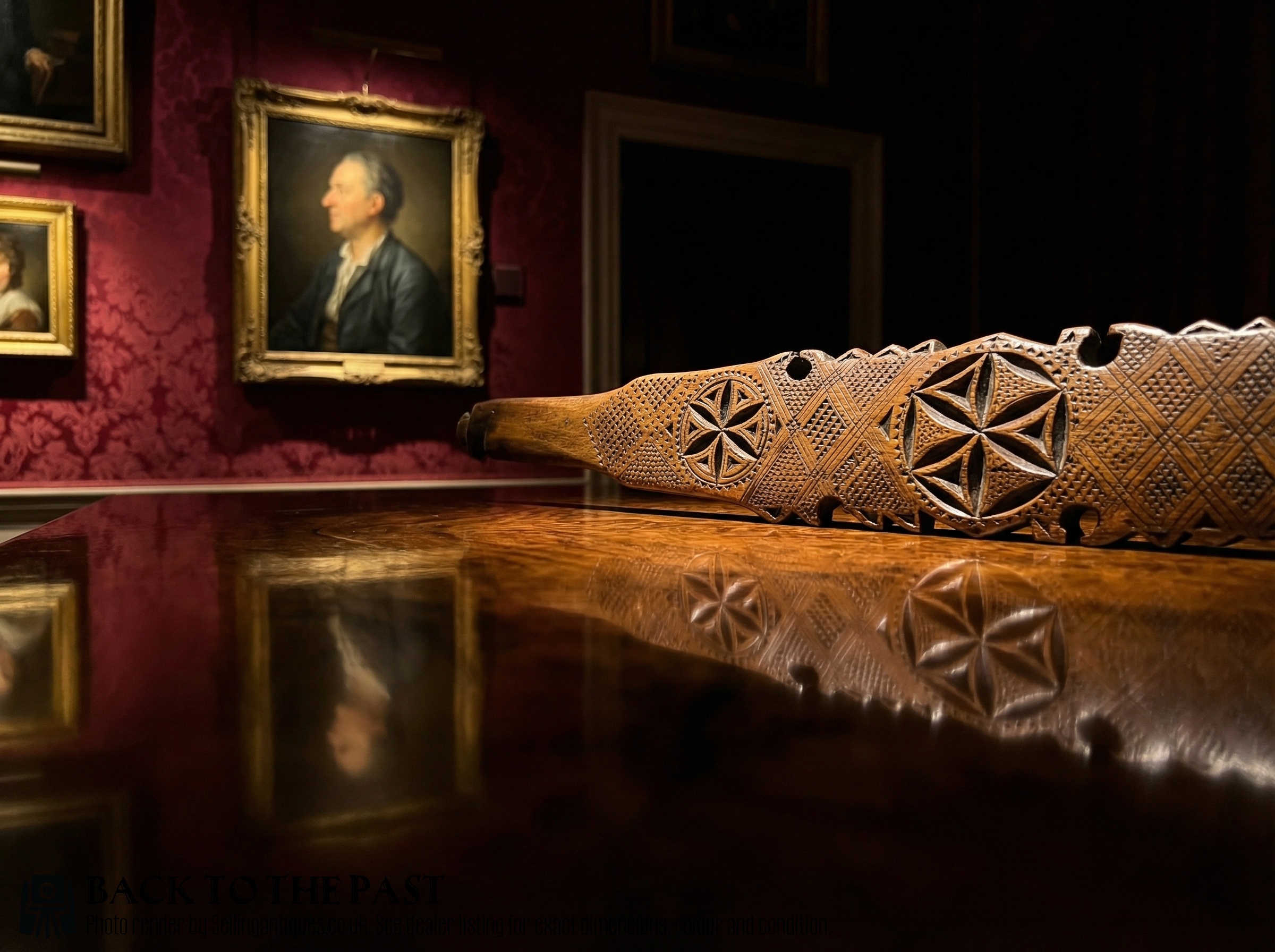
How they were made
Makers shaped these tools predominantly from timber, utilising varieties such as fruitwood, walnut, mahogany, teak, and general hardwood. Turned wood construction dominates the smaller treen and bobbin winders, creating smooth symmetrical shafts and spindles.
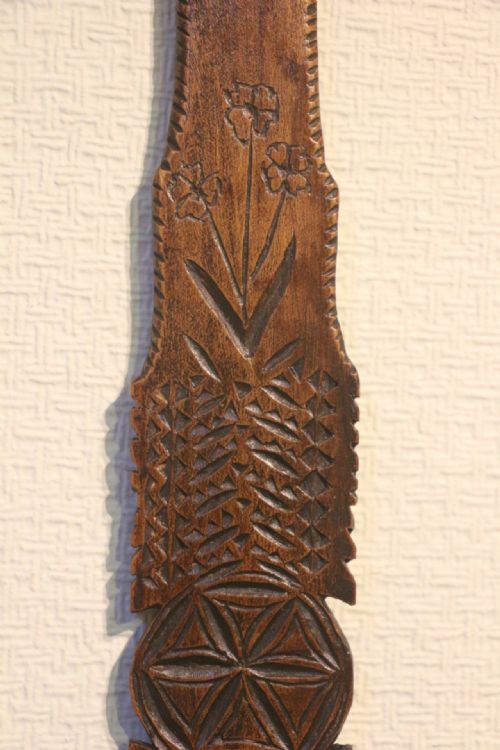
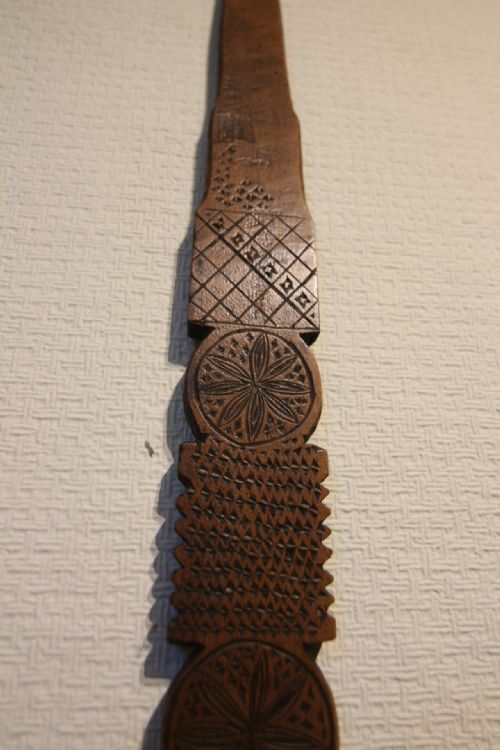
Carving defines the folk art pieces, particularly distaffs and knitting sheaths, where makers applied surface pattern and sculptural detail by hand. Iron, brass, and metal stands appear alongside wood to provide necessary mechanical strength for moving parts like swift frames and spinning wheels.
Antique Textile Tool Retail Price Guide 2026
Typical asking prices for textile tool among the pieces listed under this phrase on Sellingantiques today, from the lower quarter to the upper quarter. They describe what is for sale here now, not the wider market.
Object forms on this page include distaffs, lace makers pillow holders, wool winders, knitting sheaths, and sock darners.
What varies in quality
Quality rests upon the crispness of the hand carving and the dexterity displayed in turned wood elements. Pieces exhibiting deliberate folk art ornamentation command greater visual interest than plain utilitarian counterparts.
The degree of original surface wear and the integrity of moving mechanical components dictate the standing of an individual tool. Better examples retain their structural stability and patination without aggressive restoration.
The Antique Textile Tool Glossary
- Treen
- Small handmade wooden domestic objects. This encompasses items ranging from spoons and bowls to specialised sewing implements.
- Distaff
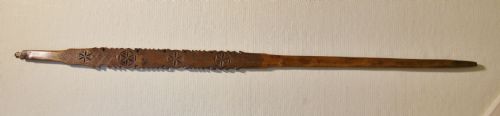
- A staff that holds wool, flax, or other spinning fibres. Makers often decorated these wooden tools with intricate folk art carvings.
- Wool winder
- A mechanical device used for winding yarn into skeins or balls. Victorian examples frequently incorporate adjustable wooden swifts.
- Knitting sheath
- A small holder tucked into a belt or apron to support a knitting needle. They demonstrate regional British folk art traditions.
- Lace bobbin
- A small spool used in pillow lace making to hold thread. These slender wooden items often feature turned decoration.
Antique Textile Tool: Frequently Asked Questions
How were textile tools used?
Makers utilised them to prepare raw fibres, hold yarn during spinning, wind wool into skeins, or support knitting needles while working.
Each specific form, from distaff to bobbin winder, performed a distinct mechanical task in domestic textile production.
How do I live with them?
These sculptural wooden objects display well on shelves, tables, or mantelpieces where their turned forms and folk art carvings remain visible.
Keep them away from direct heat sources and excessive moisture to protect the historic wood and metal components.
How do I date an antique textile tool?
Dating relies on identifying the timber species, turning styles, and specific folk art motifs associated with eighteenth and nineteenth-century production.
Wear patterns and material choices like brass fittings or hand-wrought iron also help place a piece within the Victorian period or earlier.