




Primitive Wooden Carving
Primitive wooden carving brings honest utility and direct maker's hand into a room through unpretentious forms shaped from local timber.
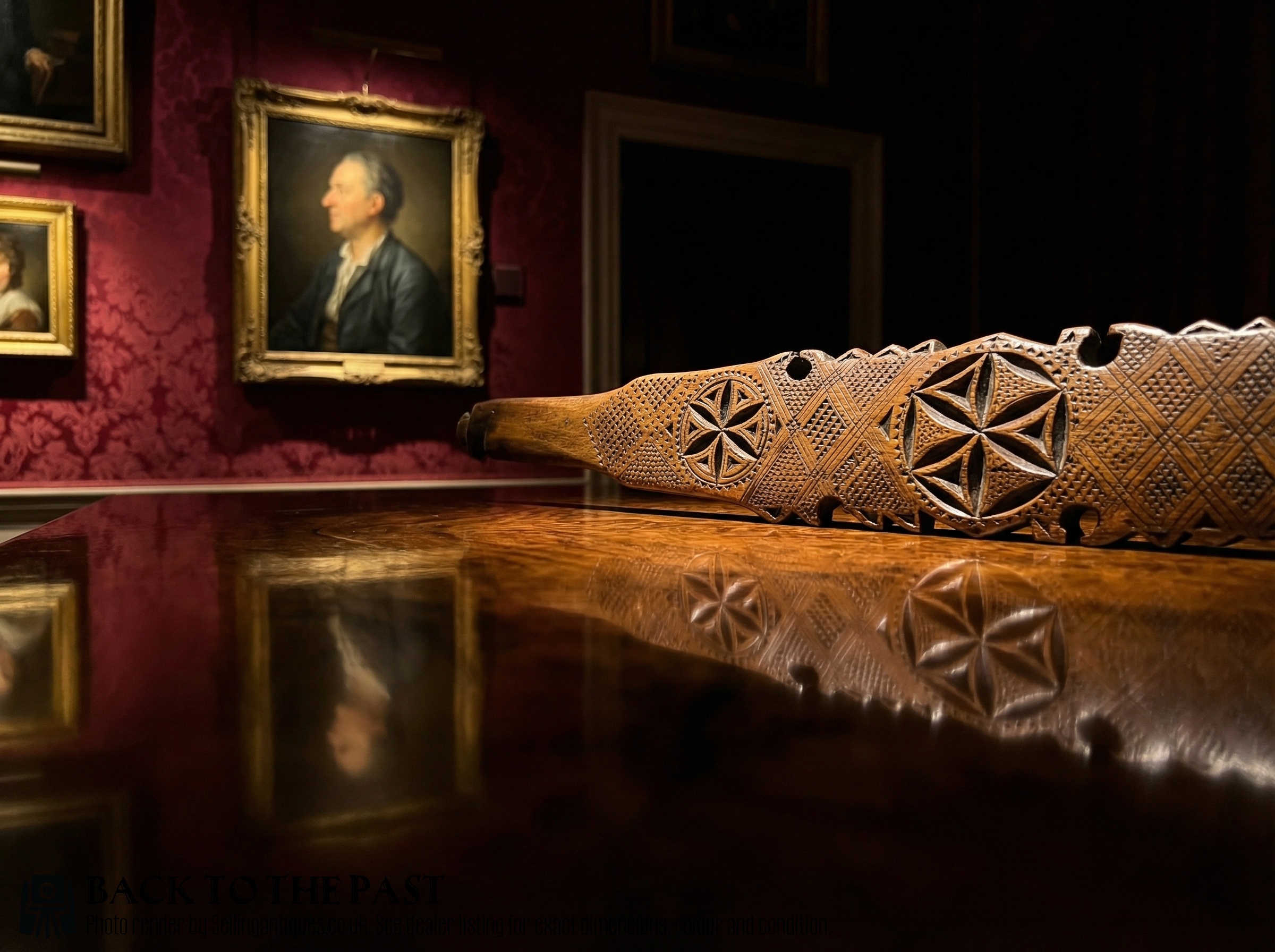
Primitive Wooden Carving
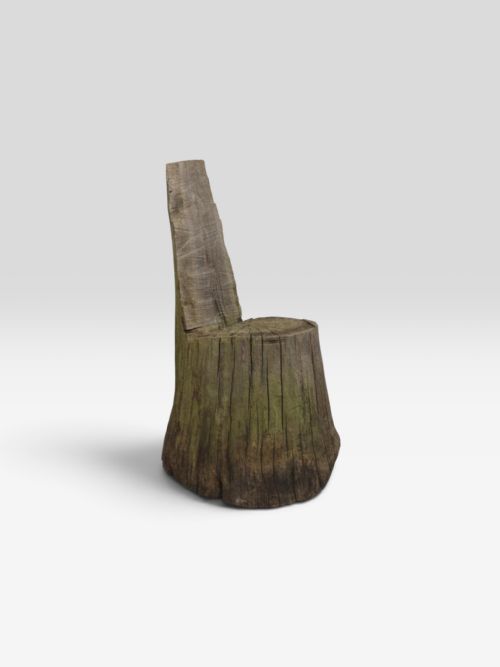
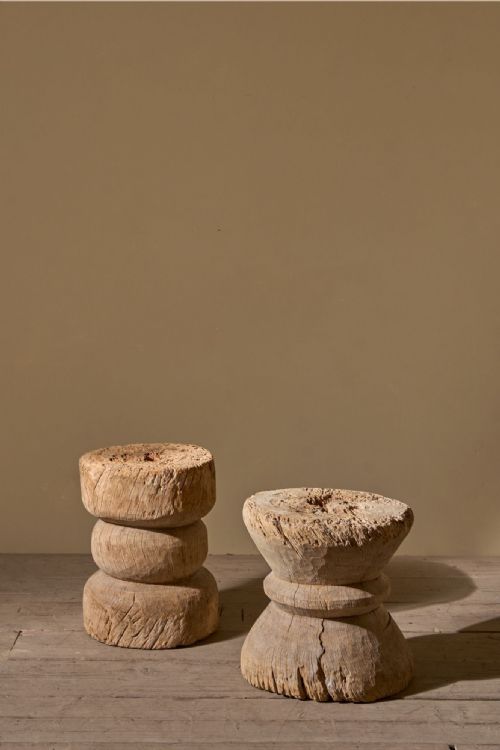
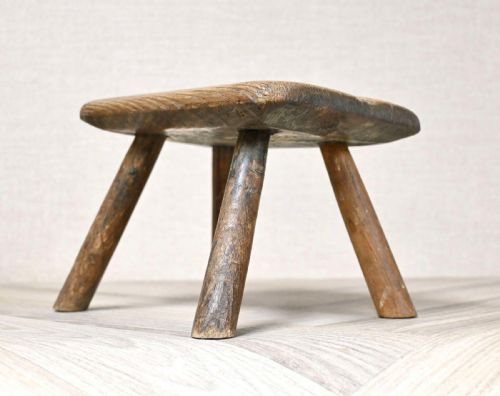
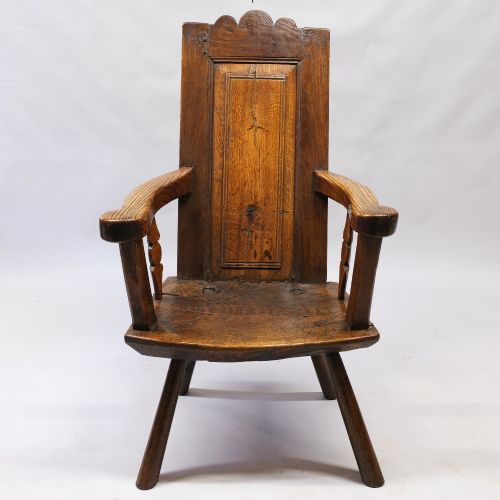
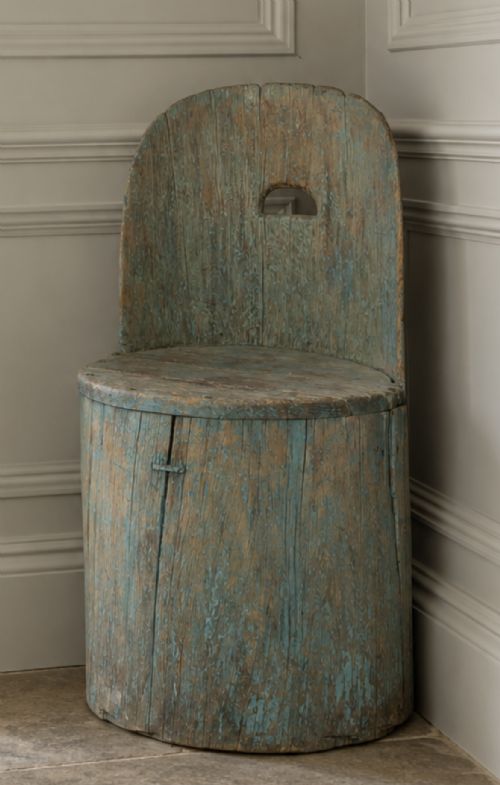
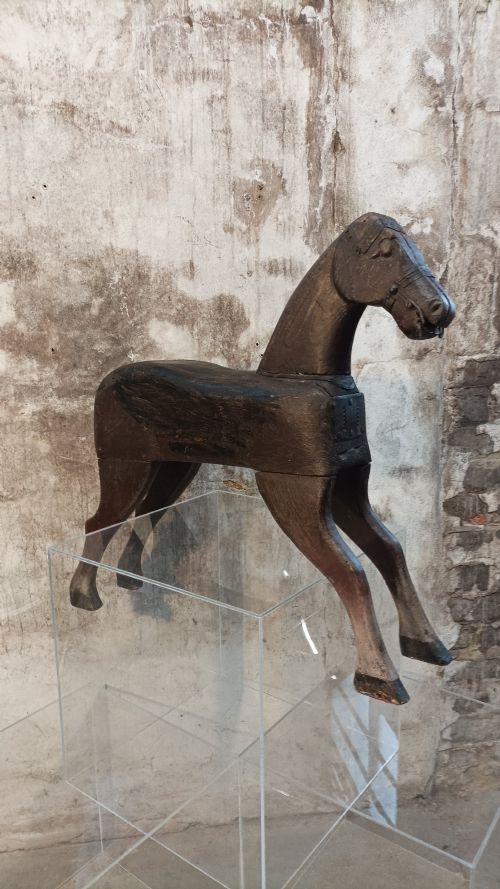
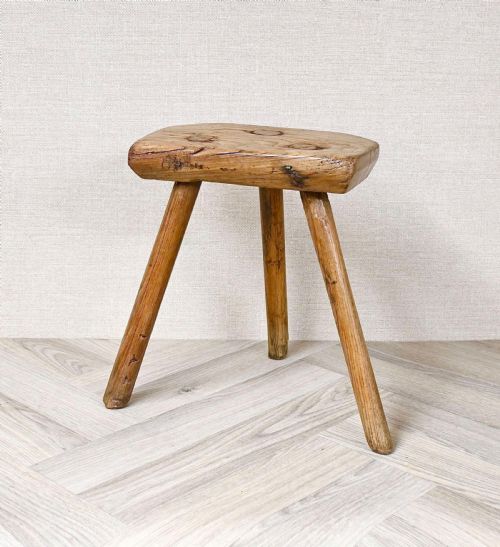
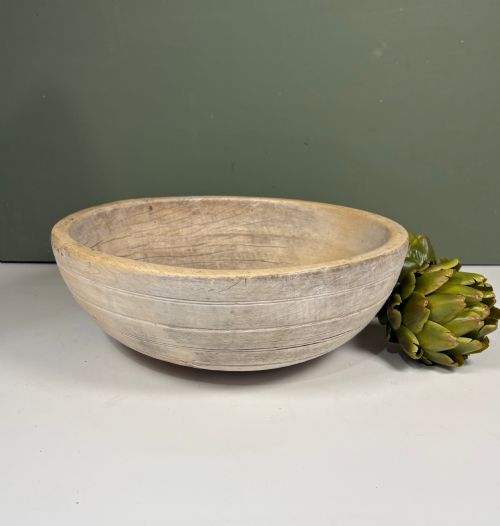
When you search for primitive wooden carving, you encounter pieces born from domestic, agricultural and rural necessity rather than courtly fashion. These objects range from heavy seating like dug-out chairs and milking stools to utilitarian vessels, bowls and figural folk art.
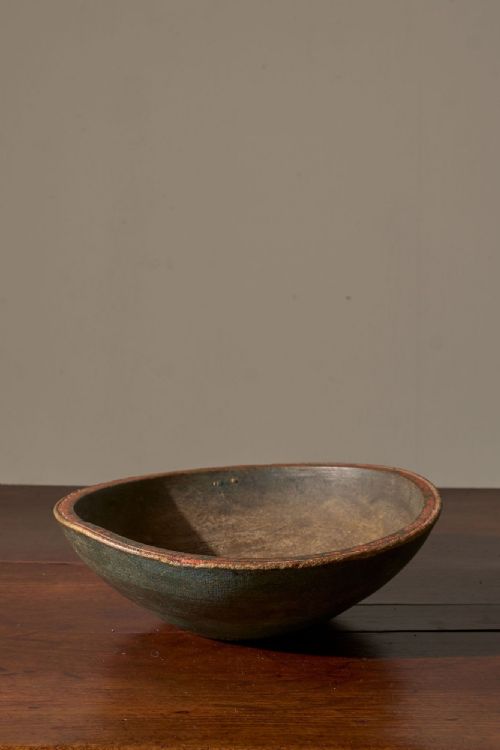
The items you meet on this page lean heavily towards vernacular seating, carved domestic bowls in sycamore or elm, and sculptural animal or human figures. Many pieces originate from the eighteenth and nineteenth centuries, carrying the marks of regional traditions across Britain, Scandinavia, France and beyond.
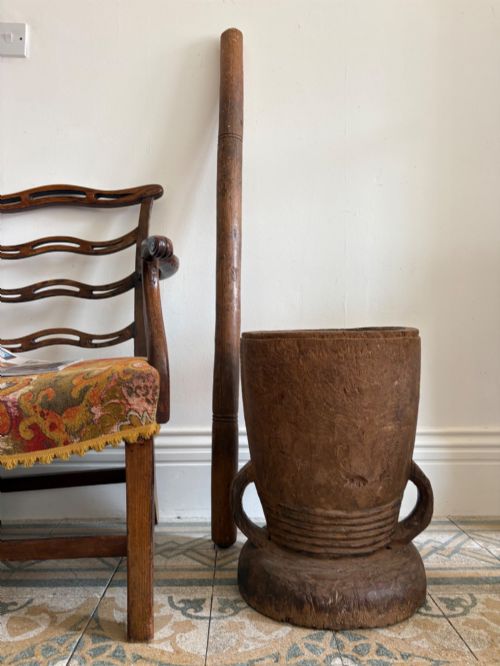
Forms remain straightforward, dictated by the function they served in a dairy, hearth or workshop. A stool sits low for milking or working by the fire, while a mortar crushes grain with heavy, solid mass.
Materials and Working Methods
Makers relied on whatever timber lay close at hand, selecting oak, pine, elm, ash, fruitwood or sycamore depending on the task. Woods like yew and laburnum supplied contrasting tones for Windsor chairs, while softer pine or dense sycamore suited turned and hollowed dairy bowls.
Tools were basic and direct, typically involving adzes, drawknives, gouges and axes to hack and pare timber down to its working shape. Surfaces often retain tool marks left by the maker's hand, revealing the physical effort of shaping green or seasoned wood without modern machinery.
Iron fittings, blacksmith hinges and original painted surfaces appear on select pieces, adding protective layers or utilitarian strength. Dug-out items started as solid tree trunks, gouged from the centre to form seats, vessels and planters.
Listings feature items spanning the sixteenth to the early twentieth century, utilising native hardwoods and softwoods alongside iron.
Judging Quality in Rural Woodwork
Quality rests in the harmony between functional purpose and sculptural proportion, where the heaviest block of timber achieves a surprising grace of line. A well-proportioned stool or carved bowl feels balanced in the hand and sits firmly on uneven stone floors without excessive intervention.
The integrity of the surface dictates much of the character, separating pieces that retain their original paint, dry scraped finishes or honest weathering from those over-restored. Original blacksmith hinges, untouched patination and the honest wear of decades elevate a piece far above a later sanding.
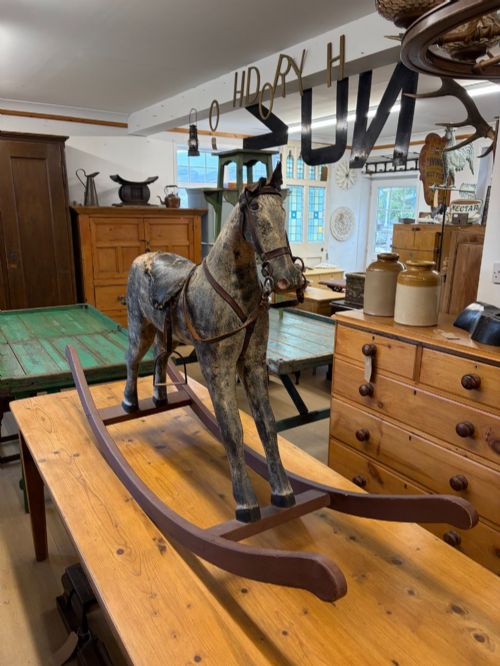
The boldness of the carving distinguishes standard utility from compelling folk art. Whether shaping a naive horse sculpture, a whirligig or a panel-backed chair, the maker's confidence in handling the grain defines the distinction.
The Primitive Wooden Carving Glossary
- Dug out
- A form created by hollowing out a solid tree trunk to create chairs, bowls or vessels. This heavy method utilises the natural strength of the whole wood.
- Folk art
- Utilitarian or decorative objects made by self-taught or rural craftspeople outside academic traditions. These items emphasise direct expression over strict classical rules.
- Vernacular
- Architecture and objects built to local needs, using local materials and traditional methods. Such pieces reflect the specific regional character of their origin.
- Windsor chair
- A chair built with a solid wooden seat into which the legs and back spindles are separately inserted. Regional variants include panel backs and mixed timber construction.
- Tramp art
- A form of woodworking where items like picture frames are created from salvaged packing crates using chip-carving techniques. Makers built layered geometric patterns with pocket knives.
Primitive Wooden Carving: Frequently Asked Questions
What is a primitive wooden carving?
A primitive wooden carving is a utilitarian or decorative object shaped by hand from timber, generally by rural craftspeople rather than urban cabinetmakers.
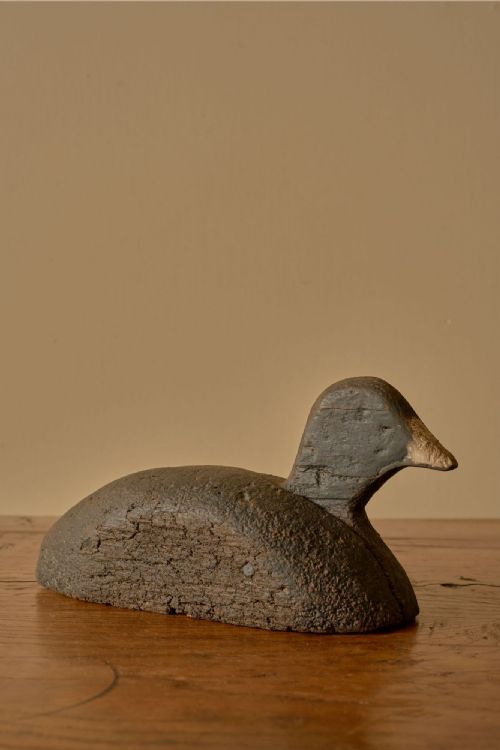
These pieces include functional domestic items like stools, dairy bowls and grain mortars alongside naive sculptures, decoys and folk art figures.
How do I date an old wooden carving?
Dating relies on observing tool marks, timber selection, construction methods and wear patterns consistent with historical rural practices.
Examining fixings like blacksmith-made iron hinges or original surface treatments such as early paint helps place a piece within the eighteenth or nineteenth century.
Where were these wooden objects made?
These items originated in rural workshops, farms, dairies and homes across Britain, Scandinavia, France, America and beyond.
Local timber availability dictated whether a maker used oak, elm, sycamore, pine or fruitwood to fashion everyday household goods.
How should I care for primitive wood?
Keep wooden pieces away from direct heat sources and sudden humidity changes to prevent the timber from splitting or warping.
Dust gently with a dry cloth and avoid modern chemical polishes that might damage dry historic surfaces or original paint.