


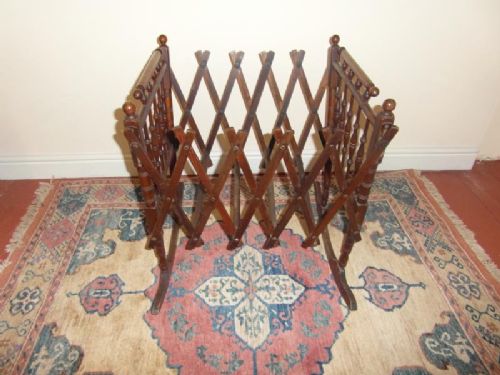


Antique Wooden Cot
An antique wooden cot brings centuries of traditional craftsmanship and rich historical character directly into a modern nursery.
Antique Wooden Cot
An antique wooden cot encompasses early sleeping furniture including traditional cradles, rocking cribs, daybeds, and childs beds spanning several centuries. Buyers searching for an antique wooden cot encounter pieces ranging from early panelled oak examples to painted pine country furniture and refined mahogany designs.
Form follows function closely across these examples, with hooded structures and enclosed panel designs intended to keep sleeping infants safe from drafts. The variety spans simple rustic pine rockers to sophisticated mahogany frames fitted with cane or rattan.
How they were made
Joinery techniques define the construction of these pieces, utilising solid timber joined with traditional methods suited to the period. Oak and pine pieces often display pegged joints, panelled construction, and hand-planed surfaces.
Finer nineteenth-century examples employ mahogany framed with turned spindles, alongside woven cane, rattan inserts, and upholstered elements. Surface treatments vary from natural polished hardwoods to original historical paint finishes and lacquered wood.
Antique Wooden Cot Retail Price Guide 2026
Typical asking prices for wooden cot among the pieces listed under this phrase on Sellingantiques today, from the lower quarter to the upper quarter. They describe what is for sale here now, not the wider market.
Listings span five distinct centuries, uniting sixteenth-century joined oak with Victorian mahogany, pine, and brass.
What varies in quality
The distinction between standard examples and superior pieces rests upon the integrity of the original construction and the survival of untouched surfaces. Timber selection plays a primary role, separating simple utilitarian pine from richly figured mahogany or dense seventeenth-century oak.
Originality of components dictates desirability, particularly the retention of early paint schemes, original rocking mechanisms, and undisturbed hardware. Pieces demonstrating refined proportions and authentic period joinery distinguish themselves from heavily altered examples.
The Antique Wooden Cot Glossary
- Panelled
- Construction method utilising fitted wooden panels set within a grooved frame to allow for natural timber movement. This technique prevents warping in large wooden surfaces.
- Campaign bed
- Portable furniture designed to fold or dismantle easily for travel and military use during the nineteenth century. These pieces utilise clever hinges and compact folding frames.
- Metamorphic
- Furniture designed to transform into alternative forms or serve multiple functions. An antique metamorphic cot often conceals secondary uses within its wooden framework.
- Vernacular
- Everyday utilitarian objects made by local craftspeople using regional materials rather than following formal high-style metropolitan designs. Welsh vernacular pieces often display distinct local joinery traits.
- Rattan
- Naturally pliable climbing palm stems woven to create breathable panels for furniture backs and sides. This material provides lightweight strength alongside decorative texture.
Antique Wooden Cot: Frequently Asked Questions
Are antique wooden cots safe for daily use?
These historical pieces were built to the domestic standards of earlier centuries and often lack modern safety clearances and slat spacings. Contemporary parents typically utilise them for display, decorative nursery styling, or gentle daytime use under strict supervision.
Structural modifications are generally discouraged by collectors who value original joinery and historical integrity above all else. Preserving the vintage framework maintains both the aesthetic value and the antique status of the object.
How do I date an antique wooden cot?
Dating relies upon examining the timber species, tool marks, joinery methods, and overall stylistic characteristics of the piece. Sixteenth and seventeenth-century examples typically feature heavy oak with hand-carved panels, whilst Georgian and Victorian pieces show softer pines or polished mahogany.
Hardware components, fixings, and surface finishes also provide reliable clues regarding the period of manufacture. Original painted surfaces or patinated beeswax finishes offer further verification of a piece's age.
What is the difference between a cradle and a cot?
A cradle is traditionally a smaller, enclosed sleeping vessel designed to rock or swing on curved base runners or pivot pins. They were primarily intended for newborns and young infants during their first months of life.
A cot or childs bed offers a larger stationary or folding sleeping platform suitable for older toddlers. The listings reflect this distinction through diverse forms ranging from compact swinging cribs to full child-sized daybeds.
How should I clean antique wooden furniture?
Maintenance requires gentle dusting with a soft, dry cloth to prevent the accumulation of grit on vulnerable historic surfaces. Avoid modern chemical polishes or excessive moisture, which can damage aged timber and original paint or wax finishes.
Feeding dry wood with an appropriate microcrystalline wax helps preserve the patina without altering the finish. Professional conservation advice should be sought before attempting any substantive restoration work.