

Antique Wooden Console Desk
An antique wooden console desk brings solid craftsmanship and functional surface space to a hallway or study.
Antique Wooden Console Desk
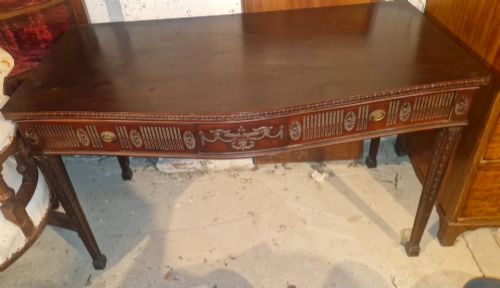
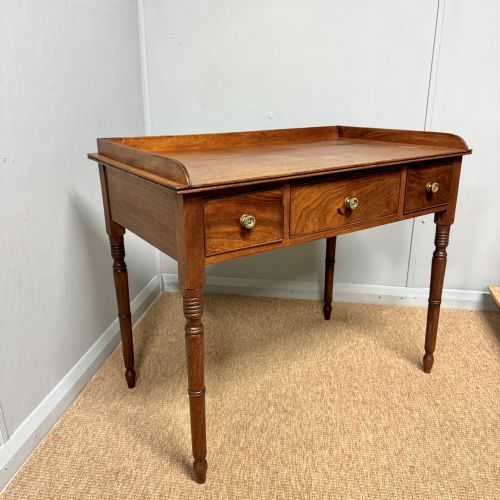
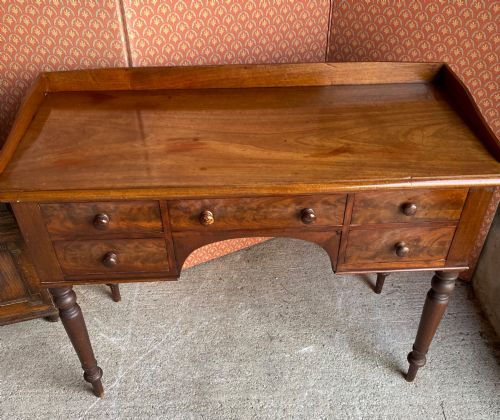
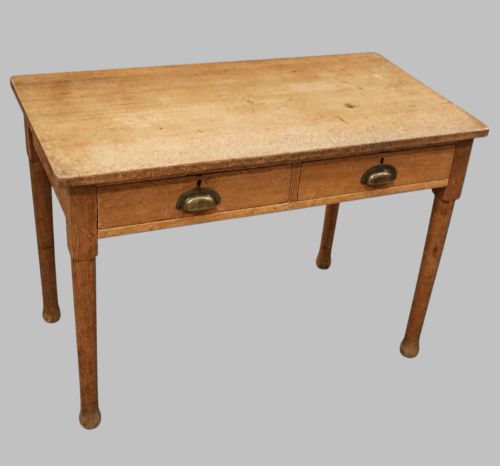
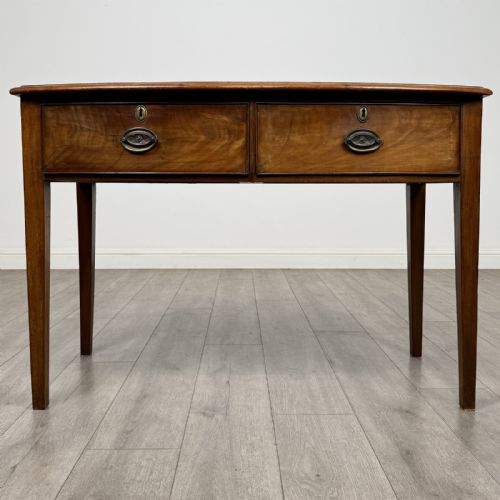
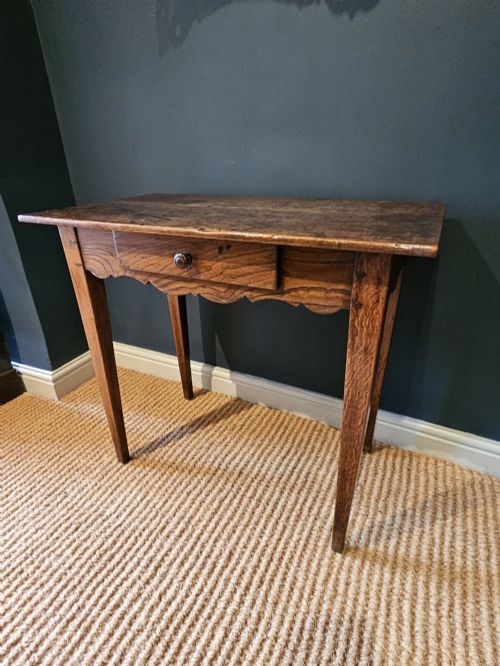
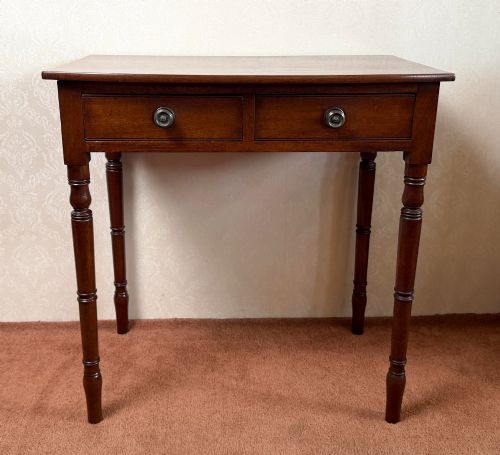
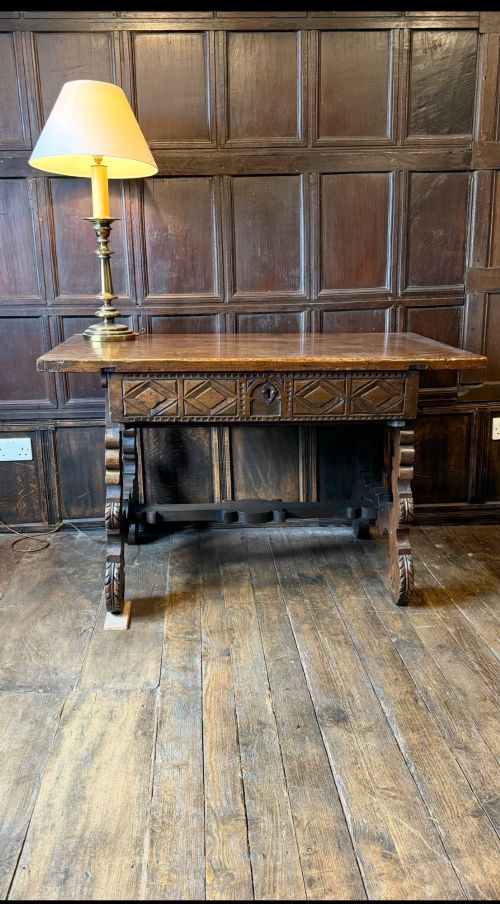
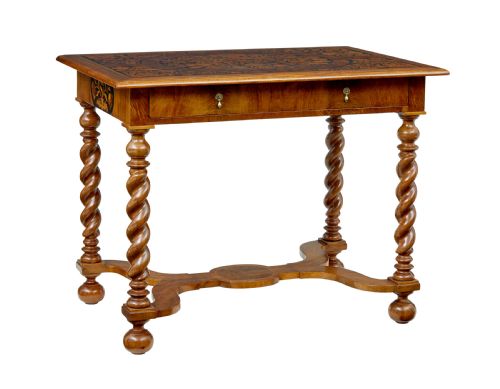
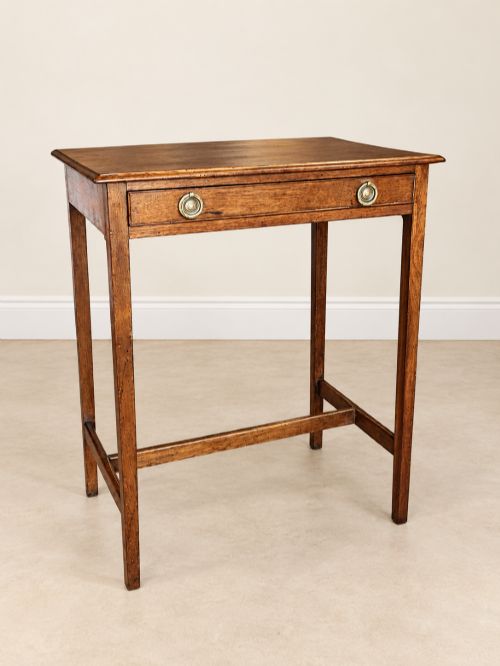
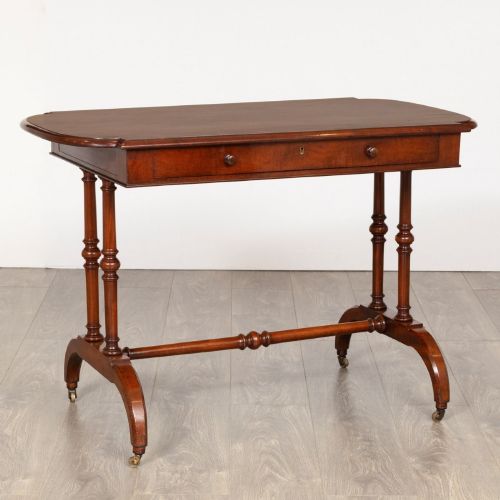
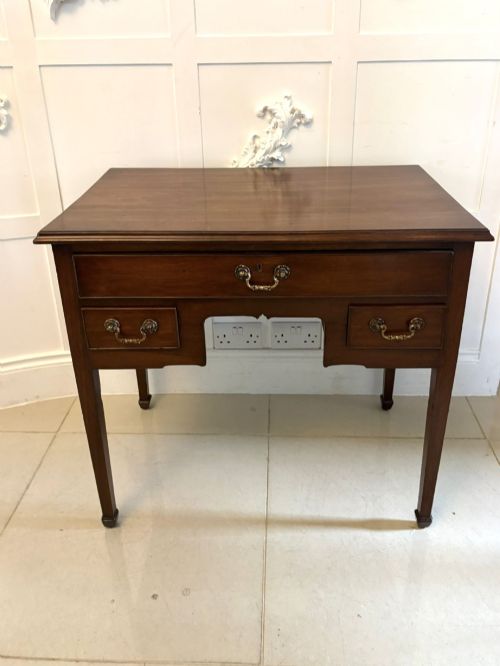
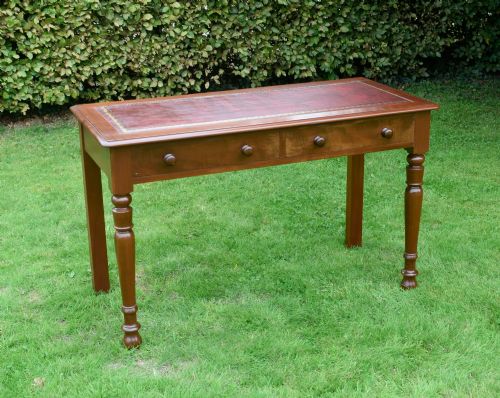
When you search for an antique wooden console desk, you find a variety of foundational furniture forms ranging from Georgian side tables to Victorian writing tables and Edwardian hall tables. These pieces combine flat table surfaces with storage drawers, often adapted over generations for writing, serving, or display.
The versions most likely to meet you on this page date from the eighteenth century through the early twentieth century, spanning Georgian, Victorian, Regency, and Edwardian periods. They appear in forms such as side tables, writing desks, console tables, and washstands rather than as singular specialised desk types.
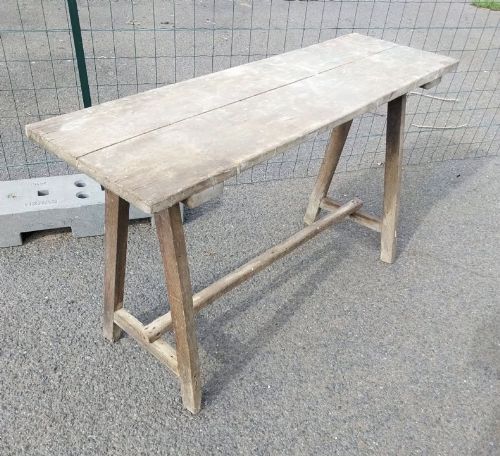
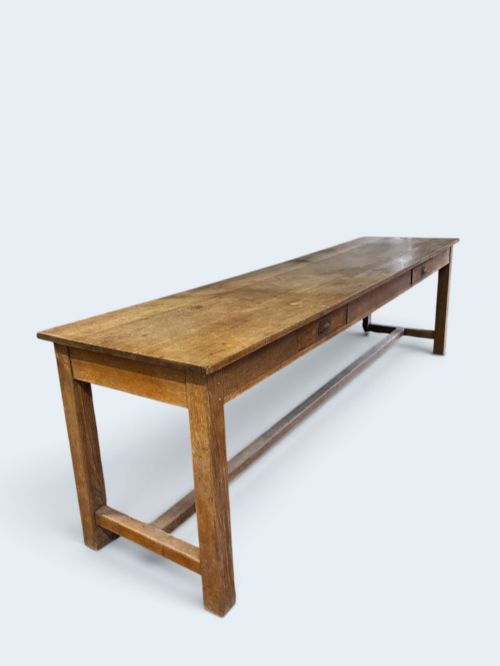
Makers utilised native and imported timbers, shaping them into functional items for the home. A buyer encounters pieces varying from rustic pine and oak farmhouse furnishings to refined flame mahogany and walnut library tables.
Materials and construction methods
Cabinetmakers built these tables using hardwoods such as mahogany, walnut, oak, elm, and fruit wood alongside softer timbers like pine and pitch pine. Brass fittings frequently appear as drawer pulls, castors, or decorative mounts.
Construction relied on traditional joinery techniques, paired with decorative treatments including flame mahogany veneers, marquetry inlay, and carved detailing. Surfaces received wax or polish finishes to protect the wood grain and highlight natural figures.
Listings feature woods including mahogany, oak, pine, walnut, elm, fruit wood, satin birch, and pitch pine across multiple centuries.
Distinguishing quality across the range
Quality separates through the selection of timber, such as highly figured flame mahogany or dense old-growth oak, compared to plain or heavily repaired secondary woods. Superior pieces display crisp carving, precise marquetry inlay, and well-fitted drawer linings.
The integrity of the original structure and the restraint of past restorations determine a piece's standing. Tables retaining original brass hardware, stable joints, and uncompromised surface patination command greater appreciation than heavily altered examples.
James Mein of Kelso
The Antique Wooden Console Desk Glossary
- Marquetry
- The art of applying decorative veneer pieces in wood, brass, or other materials to form geometric or pictorial patterns on a surface. It appears frequently on finer table tops.
- Sofa table
- A rectangular table traditionally placed behind a sofa, featuring drop leaves at either end and small drawers beneath the top. Regency and Edwardian examples demonstrate this form.
- Washstand
- A piece of furniture designed to hold a basin and jug for washing, often adapted over time for general side table use. They appear in pine and mahogany across Victorian listings.
- Flame mahogany
- A veneer cut from the fork of a mahogany tree where the branches join the trunk, producing a distinctive flickering, flame-like grain pattern.
Antique Wooden Console Desk: Frequently Asked Questions
What is an antique wooden console desk?
An antique wooden console desk covers a broad category of period tables with flat surfaces and drawers used for writing, serving, or display. They include forms originally designated as side tables, writing tables, and hall tables.
These pieces were made from the eighteenth century through the Edwardian era in timbers like mahogany, oak, walnut, and pine. Their versatile proportions suit modern hallways, studies, and living rooms.
How do I date an antique wooden console desk?
Dating relies on timber choices, construction techniques, and stylistic markers characteristic of specific periods. Georgian pieces often show plain or inlaid mahogany and walnut, while Victorian items frequently utilise pitch pine or heavy mahogany.
Edwardian and later pieces display lighter golden oak or inlaid satinwood. Hardware styles and drawer joint construction also provide reliable clues to a table's age.
How were these tables used originally?
These tables served multiple domestic purposes depending on their form and room placement. Writing tables and bureau plats provided a stable surface for correspondence in libraries and studies.
Side tables, console tables, and servers held food, linens, or decorative objects in dining rooms and halls. Washstands supported basins in bedrooms before plumbed bathrooms became common.
How do I care for antique wood furniture?
Protect antique wood by maintaining stable room temperatures away from direct heat sources and strong sunlight. Sudden humidity changes can cause timber to split or veneers to lift.
Apply high-quality beeswax periodically to nourish the wood and maintain its natural lustre. Avoid using silicone sprays or harsh chemical cleaners on historic surfaces.