
Antique Wooden Compactum
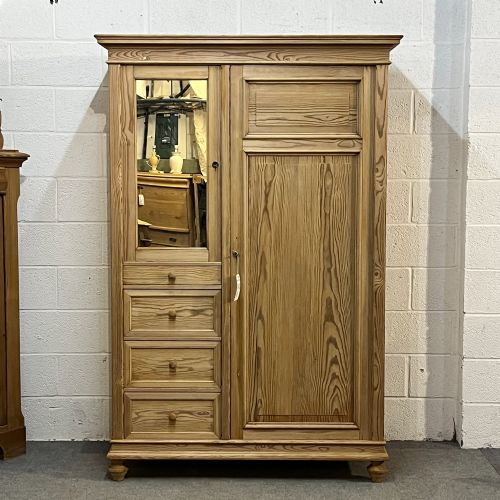
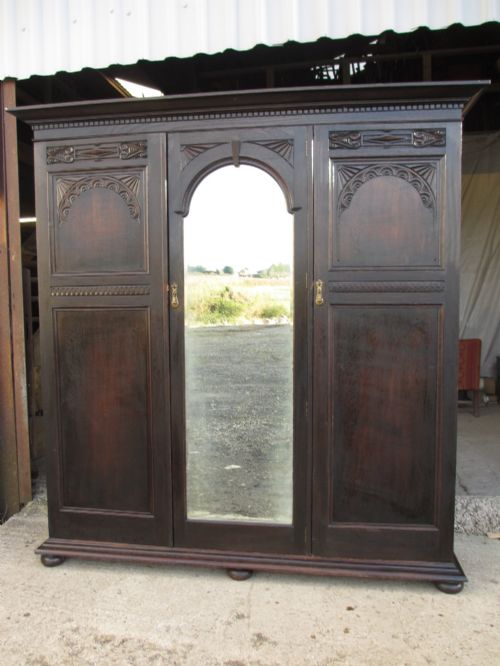
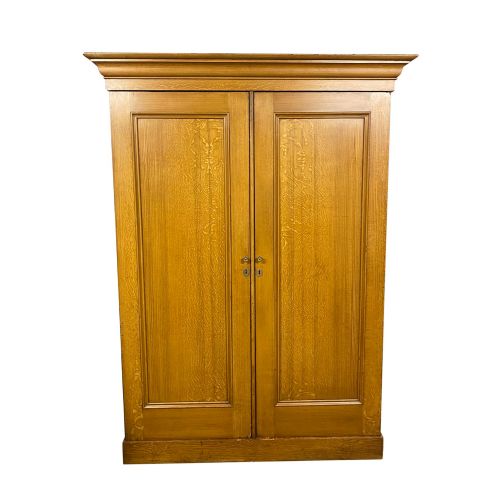
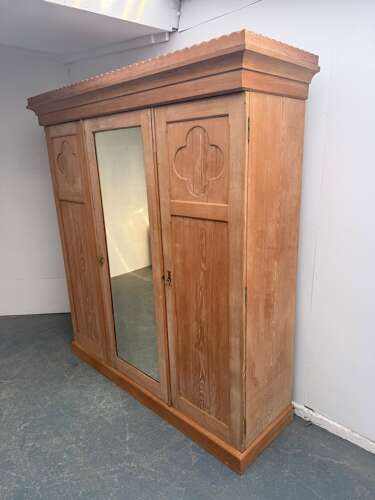
An antique wooden compactum provides comprehensive wardrobe storage by combining hanging space, drawers, and shelving within a single multi-section carcass.
Antique Wooden Compactum
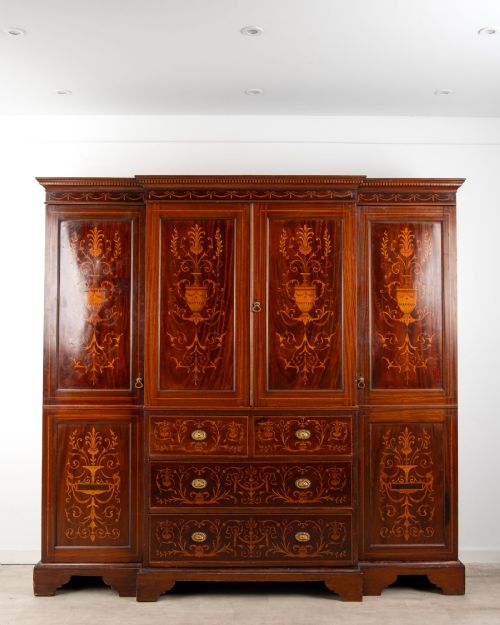
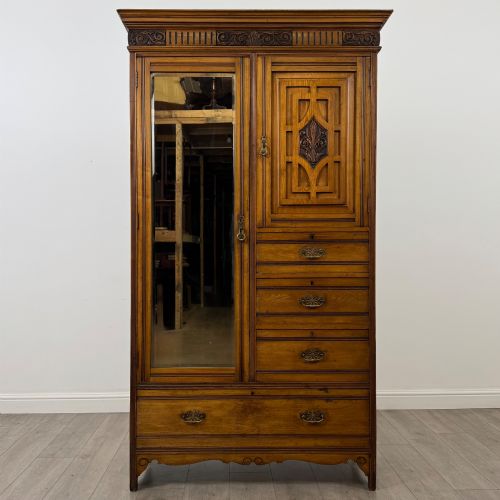
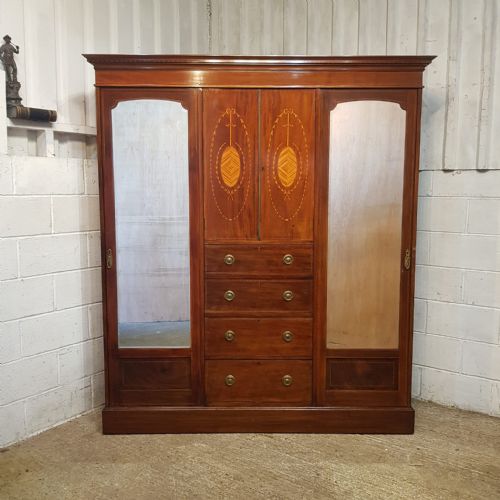
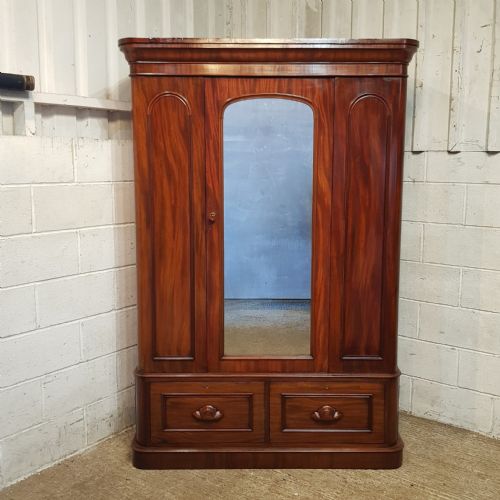
An antique wooden compactum combines multiple storage functions, typically uniting hanging compartments with internal drawers, linen presses, or sliding trays within one substantial piece of furniture. These multi-functional wardrobes appear frequently from the Victorian and Edwardian periods, constructed to accommodate a gentleman's or a household's complete attire.
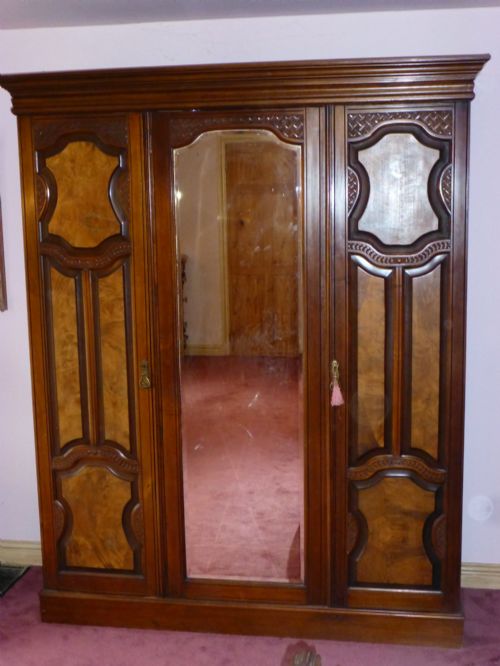
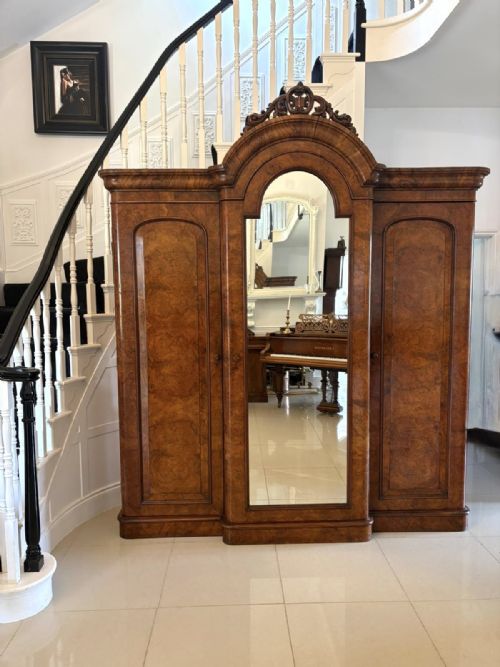
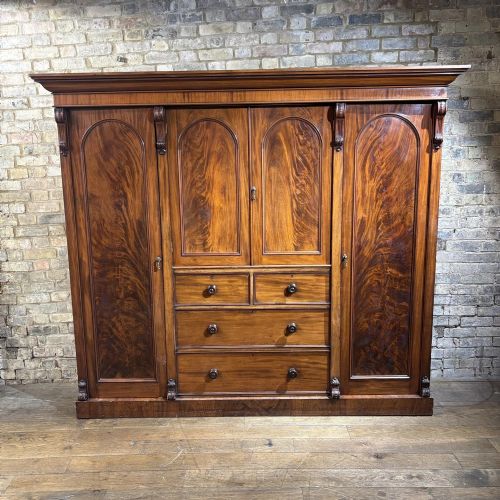
Most examples encountered on this page date from the nineteenth and early twentieth centuries, spanning Victorian, Edwardian, and 1930s eras. Cabinet makers utilised rich timbers such as mahogany, walnut, burr walnut, ash, and oak to build these imposing pieces, often arranging them in double or triple door configurations.
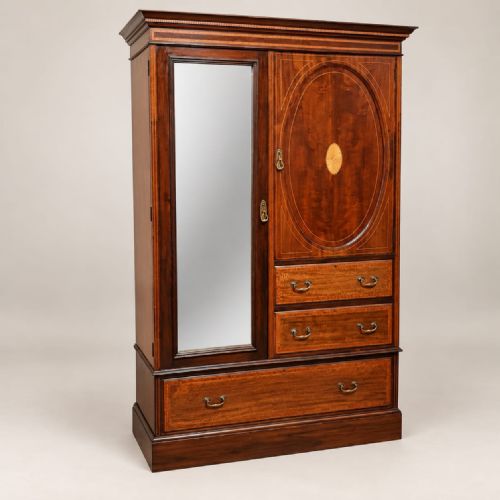
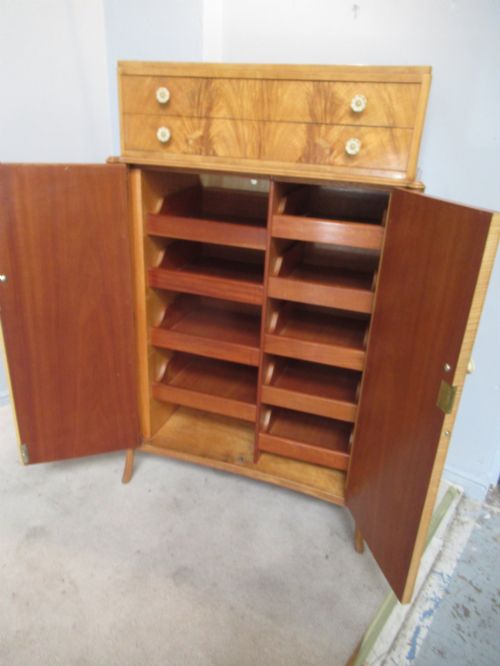
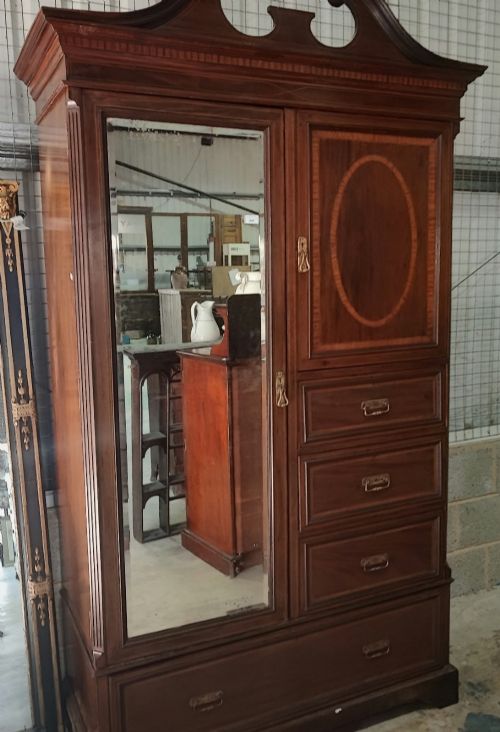
While some pieces carry the specific label of a compactum, buyers also encounter related combination wardrobes, linen presses, and gentleman's chests that offer the same internal division of labour. These items reflect the domestic organisation requirements of their periods, providing dedicated spaces for folded garments alongside full-length hanging.
Construction and Materials
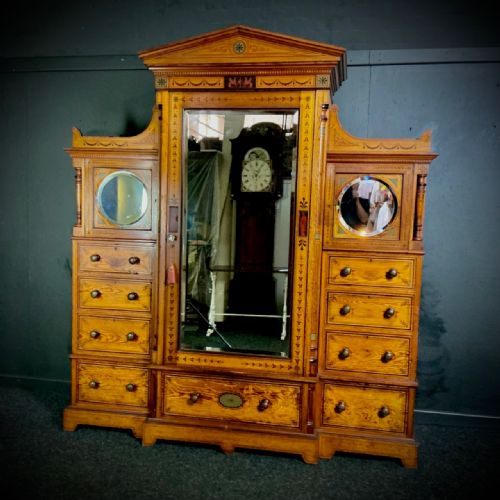
Cabinet makers built these wardrobes using solid timber frames overlaid with carefully selected veneers, particularly figured mahogany, burr walnut, and satinwood. These decorative veneers created striking grain patterns across large double and triple door surfaces, framed by cross-banding and delicate marquetry inlays.
Structural elements incorporated solid oak, pine, and ash for internal drawer linings and carcass backs, ensuring stability for heavy timber doors often fitted with bevelled mirror glass or brass hardware. Joinery techniques relied on traditional hand-cut dovetails for internal drawers and robust mortise and tenon joints for the main uprights.
Listings feature compactums spanning the Victorian and Edwardian periods, constructed in mahogany, burr walnut, oak, and ash.
Assessing Quality and Execution
The distinction between standard commercial pieces and exceptional cabinet making lies in the selection of timbers and the sophistication of internal fittings. Superior examples exhibit continuous burr walnut or flame mahogany veneers matched symmetrically across multiple doors, alongside fully fitted cedar or mahogany interiors rather than plain softwood.
Construction depth also dictates standing; pieces by documented workshops demonstrate tighter joinery tolerances, original brass locking mechanisms, and integrated sliding linen trays that move smoothly within their tracks. The presence of hand-carved detailing, subtle boxwood stringing, and well-executed architectural cornices elevates the stature of the furniture.
Edwards and Roberts·Holland and Sons·Maple and Co·Heal's
The Antique Wooden Compactum Glossary
- Compactum
- A multi-functional wardrobe combining hanging space with internal drawers, shelves, and linen slides. This form maximises storage capacity within one consolidated timber carcass.
- Breakfront
- A piece of furniture where the central section projects forward from the flanking outer wings. This architectural arrangement creates depth and visual interest on large triple or four-door wardrobes.
- Scumble paintwork
- A decorative surface treatment applied to simulate the grain of more expensive timber such as oak. Painters dragged translucent glazes across a prepared base coat to achieve this textured finish.
- Marquetry
- The art of forming decorative patterns using thin veneers of different woods applied to a structural backing. Makers used contrasting timbers like satinwood and ebony to create floral or geometric motifs.
- Gentleman's chest
- A tall storage piece containing sliding trays or drawers enclosed by doors, positioned above a chest of base drawers. These units preceded the full wardrobe format.
Antique Wooden Compactum: Frequently Asked Questions
How do I date an antique compactum?
Dating relies on examining the timber species, construction methods, and stylistic details present in the piece. Victorian examples often display heavy flame mahogany or burr walnut veneers, while Edwardian versions frequently utilise lighter satinwood or inlaid mahogany.
Internal drawer construction also aids dating, as hand-cut dovetails and solid timber linings generally point to nineteenth-century production before machine-made components became standard.
How do I fit a large compactum into a modern room?
Most antique compactums are designed to dismantle into modular sections, including a cornice, base, and multiple flanking carcass pieces, to ease transport and assembly. Checking the ceiling height and clearance of the intended room prior to purchase ensures the assembled piece fits comfortably.
Positioning the wardrobe away from direct heat sources protects the timber veneers and prevents the wood from drying out or splitting.
What is the difference between a wardrobe and a compactum?
A standard wardrobe primarily provides vertical hanging space behind one or more full-length doors, occasionally with a single drawer beneath. A compactum integrates internal shelving, linen slides, and banks of drawers directly alongside the hanging compartment.
This partitioned internal layout distinguishes the compactum as a comprehensive storage station rather than a simple coat cupboard.