


Antique Wooden Club
An antique wooden club carries the weight of history in dense hardwood, ranging from indigenous throwing pieces to English truncheons.
Antique Wooden Club
When you search for an antique wooden club, you encounter diverse items spanning functional English truncheons, police memorabilia, and indigenous cultural artefacts. The pieces on this page originate from the eighteenth century through to the Art Deco era and the 1930s, reflecting both domestic use and global encounters.
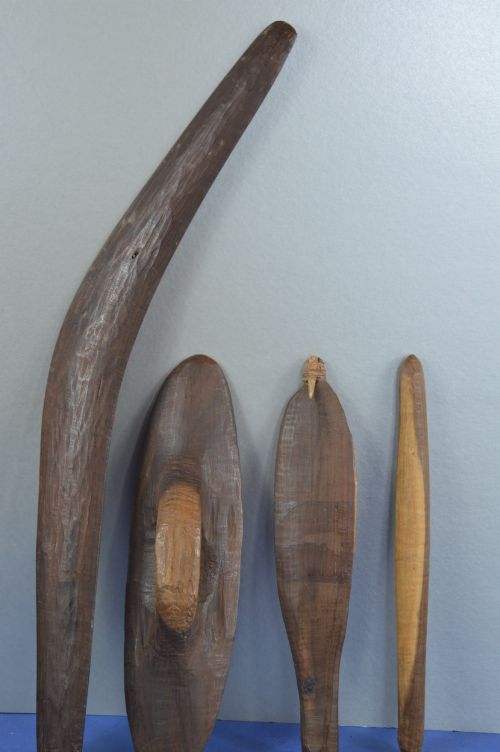
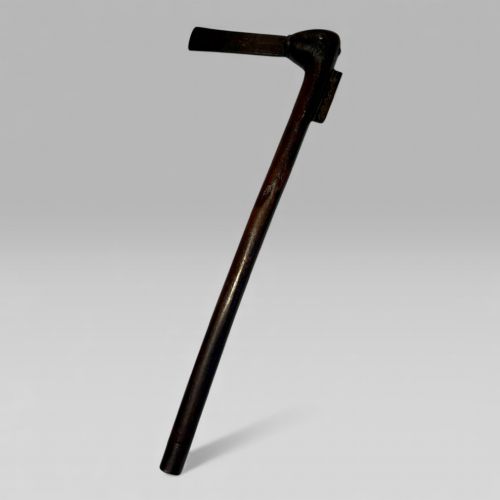
The most common forms include nineteenth-century constabulary staves, African knobkerries, and Oceanic war clubs alongside Australian Aboriginal throwing clubs. Each object embodies a specific cultural tradition or official role, fashioned for authority, sport, ceremony, or defence.
How they were made
Makers shaped these implements primarily from dense local and imported hardwoods, selecting timbers that offered resilience and weight. Artisans turned items like exercise clubs and truncheons on lathes, whilst traditional makers carved cultural weapons by hand from single blocks of timber.
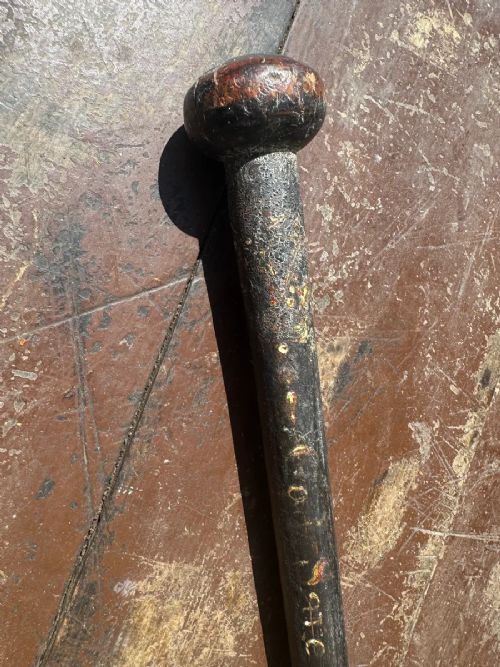
Surface treatments range from simple oiled finishes to polychrome paint, as seen on eighteenth-century examples bearing inscriptions. Metal elements such as brass collars or iron bands occasionally reinforce striking heads or handles.
Tool marks left by gouges and chisels remain visible on hand-shaped tribal pieces, whereas turned British police staves exhibit smooth, symmetrical profiles produced by mechanical turning.
Antique Wooden Club Retail Price Guide 2026
Typical asking prices for wooden club among the pieces listed under this phrase on Sellingantiques today, from the lower quarter to the upper quarter. They describe what is for sale here now, not the wider market.
Some Victorian owners practiced fitness routines with weighted beech exercise clubs before indoor gymnasiums became common.
What varies in quality
The distinction between standard items and exceptional pieces lies in the integrity of the material and the preservation of original surfaces. Surviving paint, clear tool execution, and untouched patination elevate an artefact.
Proportion and balance also define superior examples, particularly in functional implements designed for sport or authority. Objects retaining authentic signs of use without compromising structural stability command greater interest from collectors.
The Antique Wooden Club Glossary
- Truncheon
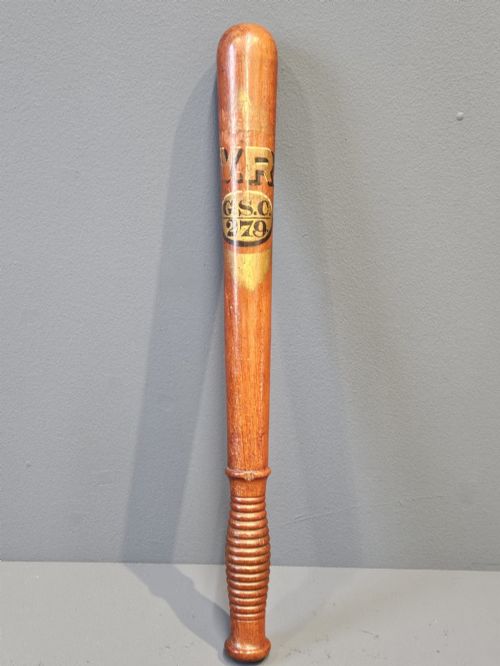
- A short thick stick carried as a weapon by a police officer. Victorian examples often display painted royal crowns and regimental numbers.
- Knobkerrie
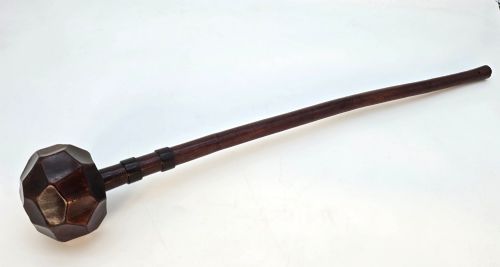
- A traditional African wooden club with a heavy knob at one end. They served as both walking sticks and throwing weapons.
- Ula
- A traditional Fijian throwing club characterised by a distinct root-stock head. Warriors hurled these items with great accuracy in combat.
- Stave
- A strong wooden stick or pole used for defence or as an emblem of authority. George III examples occasionally feature painted patriotic slogans.
- Hardwood
- Dense timber derived from broad-leaved angiosperm trees. Makers favoured these robust woods for their impact resistance.
Antique Wooden Club: Frequently Asked Questions
What is an antique wooden club used for?
These implements served various purposes depending on their origin, ranging from law enforcement and military defence to ceremonial duties and indigenous hunting. British truncheons maintained public order, whilst Oceanic and African pieces functioned in traditional combat or tribal rituals.
Today, collectors acquire these objects for display, appreciating their striking sculptural forms and the historical narratives embedded within their grain and finish.
How do I identify the age of a club?
Dating relies on examining the tool marks, timber species, and any painted cyphers, crowns, or inscriptions present on the surface. Eighteenth-century and Victorian pieces often display distinct paintwork or turned profiles characteristic of government manufacture.
Tribal artefacts require reference to the specific regional styles of nineteenth-century maker cultures, such as Zulu or Fijian traditions, which evolved distinct carving patterns over time.
Are these clubs made from solid wood?
Virtually all authentic examples are fashioned from a single piece of solid hardwood, ensuring the structural strength required for impact or ceremonial use. Timbers like mahogany, oak, and indigenous heavy hardwoods predominate across the listings.
Additions are generally limited to minor reinforcement elements such as leather wrist straps, brass collars, or painted decoration applied directly to the timber.
How should I display a wooden club?
Displaying these items requires stable indoor environments away from direct sunlight and excessive humidity to prevent the timber from splitting. Custom mounts that support the weight evenly without damaging the original surface work best.
Allowing sufficient space around each piece highlights its distinct silhouette and ensures the historic patination remains the primary focus.