
Antique Wooden Center Table
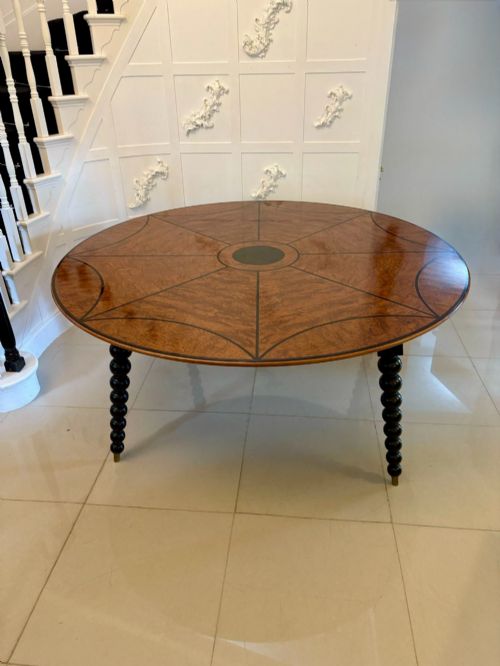
An antique wooden centre table anchors a room with presence, offering a surface designed to sit proudly in the middle of a space rather than against a wall.
Antique Wooden Center Table
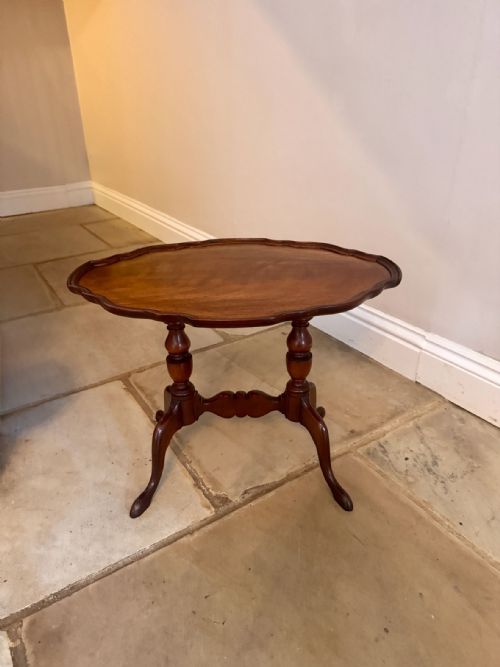
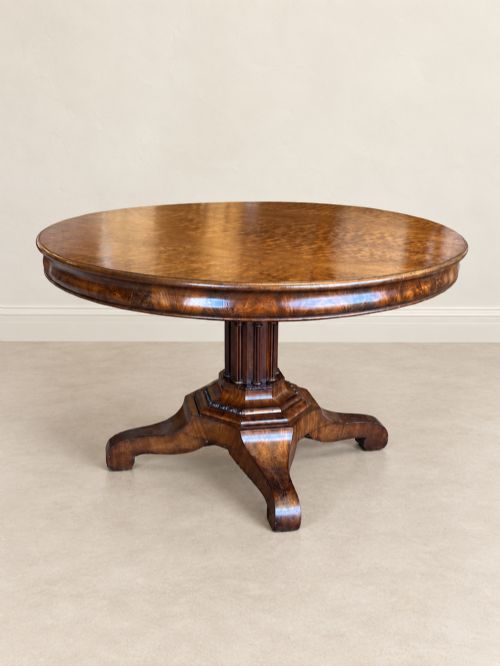
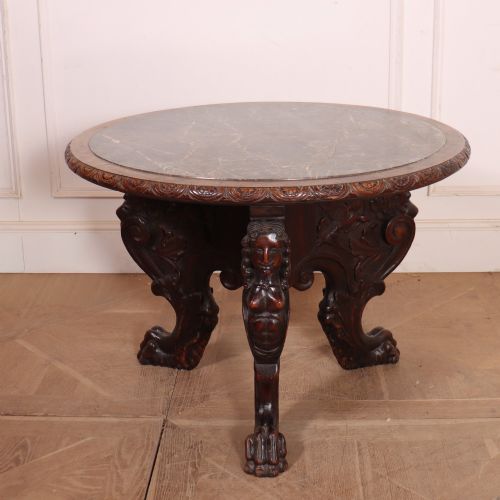
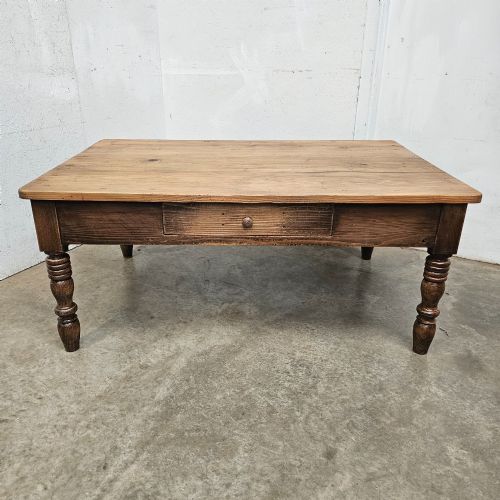
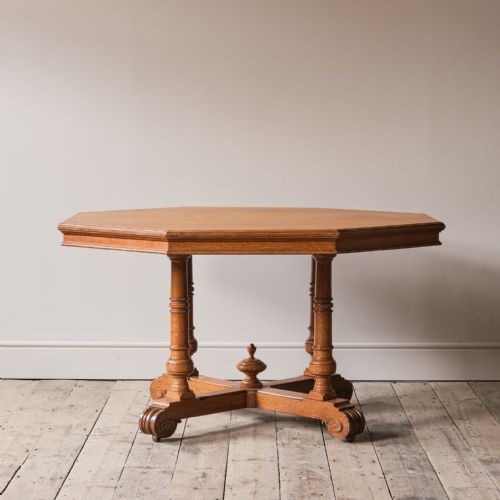
When searching for an antique wooden centre table, buyers encounter a diverse selection spanning centuries of craftsmanship, from the formal elegance of the Victorian era to earlier Georgian and 18th-century forms. These pieces function as the focal point of a room, intended to be viewed from all sides rather than pushed into a corner.
Origins vary across English, French, Italian, and Austrian workshops, bringing distinct regional touches like marquetry inlay, carved quadrapod bases, and tilt-top mechanisms to the domestic interior.
Materials and construction methods
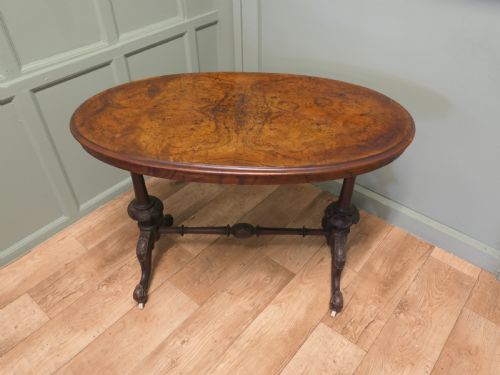
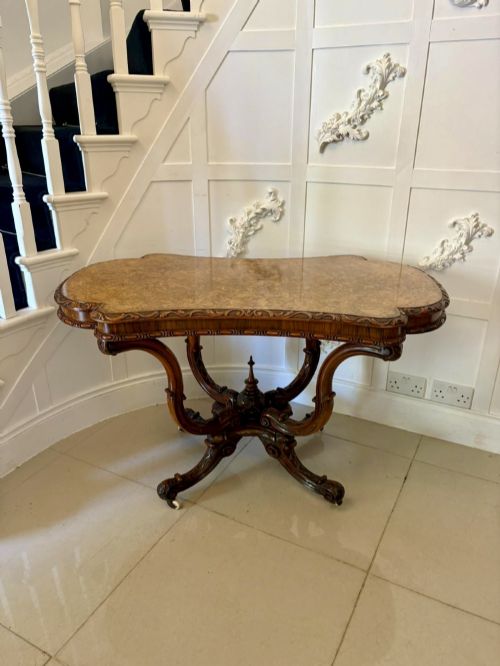
Cabinet makers utilised dense hardwoods like mahogany, walnut, and rosewood, often applying decorative veneers such as burr walnut and oyster veneer to create striking grain patterns across the top surface.
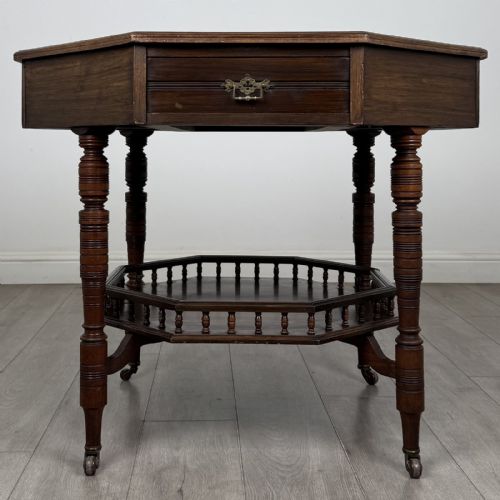
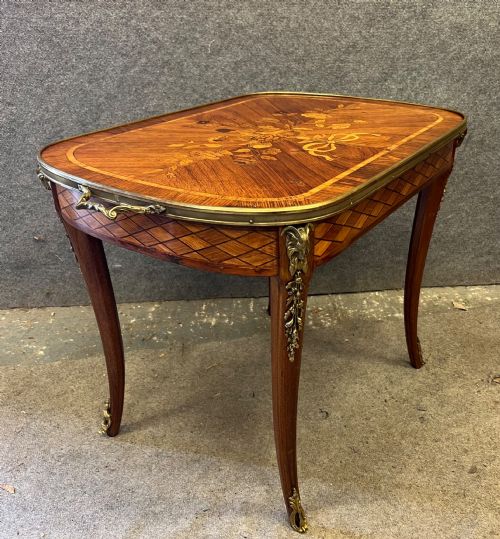
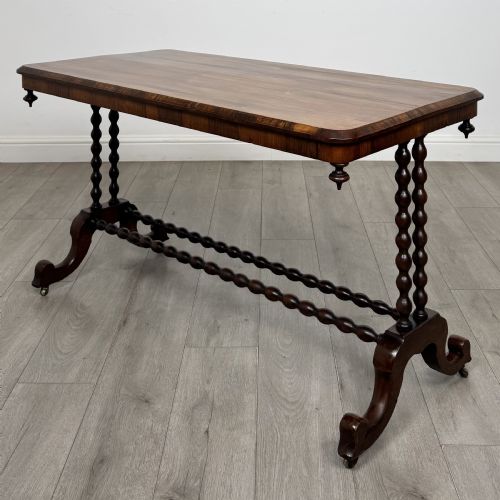
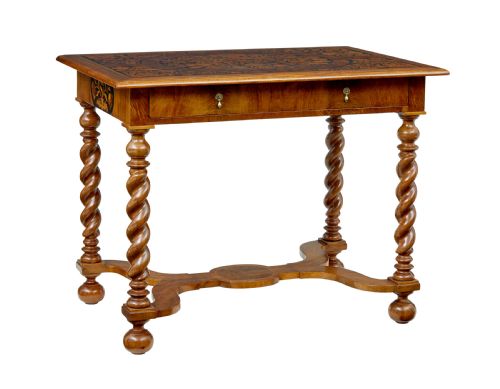
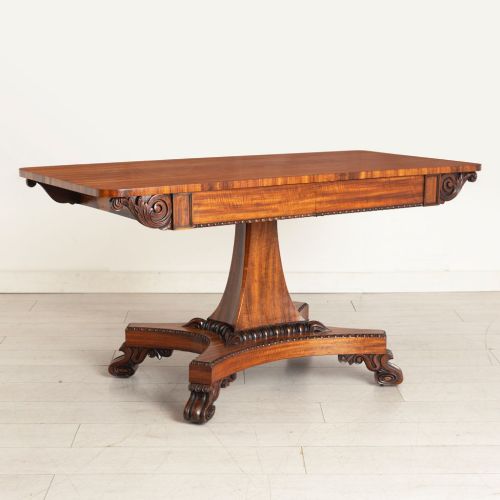
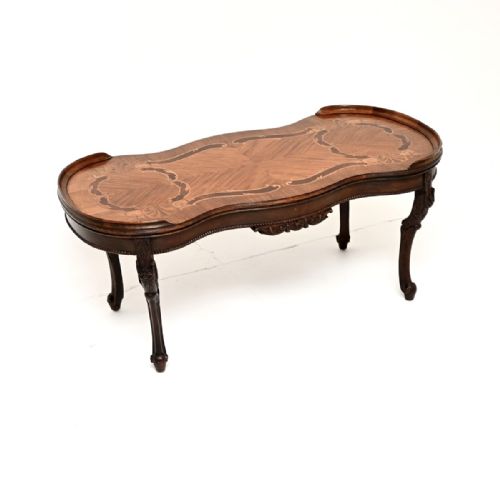
Inlay work involving satinwood, marquetry, and brass detailing added formal decoration, while structural integrity relied on turned legs, pedestals, and carved quadrapod or tripod bases.
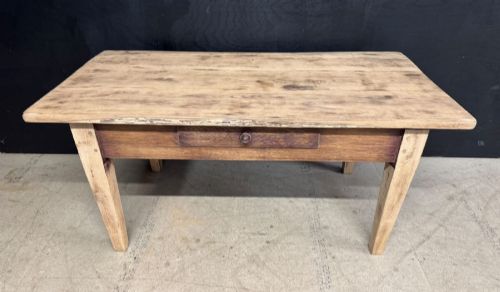
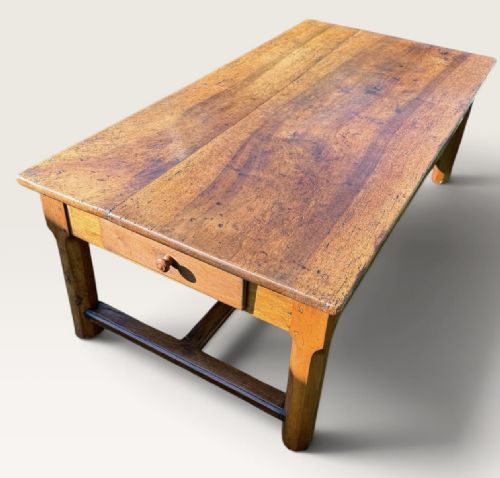
Regional traditions introduced variations like painted finishes on pine, linden wood, and fruitwood, alongside hand-carved elements seen in Black Forest and Gothic revival pieces.
Current listings feature pieces spanning the 17th century through to the 20th century, dominated by Victorian and 19th-century examples in walnut and mahogany.
Distinctions in quality
The standard of a piece rests on the selection of timber, where figured veneers like burr walnut or pollard oak display careful matching and grain continuity across the entire surface.
Carving depth and sharpness reveal the hand of a skilled artisan, particularly on pedestal bases, table rims, and legs where relief work remains crisp and well-defined.
Integrity of construction, including the stability of tilt-top mechanisms, original brass fittings, and the survival of a rich, patinated surface, separates standard utilitarian items from exceptional examples.
The Antique Wooden Center Table Glossary
- Marquetry
- A decorative technique where small pieces of wood veneer are fitted together to form pictorial designs or geometric patterns on the table top.
- Quadrapod base
- A heavy four-legged pedestal support designed to keep large circular or rectangular tables steady without corner legs getting in the way.
- Oyster veneer
- Thin slices cut transversely from small branches or roots, creating circular or oval patterns resembling oyster shells.
- Crossbanded border
- A strip of veneer applied to the edge of a table top with the grain running perpendicular to the main centre panel.
- Tilt-top
- A hinged mechanism allowing the table top to be folded flat and stored against a wall when not in use.
Antique Wooden Center Table: Frequently Asked Questions
Where should a centre table go?
These tables are built to stand away from walls, traditionally sitting in the middle of a principal room or a large entrance hall.
Their finished undersides and all-round detailing mean they invite viewing from every possible angle.
Can I use a centre table for dining?
Many circular breakfast tables and larger occasional designs provide adequate height and surface area for meals.
Check the clearance beneath the apron and the stability of the central pedestal before daily use.
How do I care for walnut veneer?
Keep these surfaces away from direct sunlight and excessive heat sources to prevent the thin veneer from lifting.
Apply traditional beeswax occasionally to nourish the timber and maintain a deep, natural shine.
How do I identify a tilt-top table?
Tilt-top tables possess a catch mechanism beneath the surface that releases the top to pivot vertically.
This space-saving innovation was especially common in Georgian and 19th-century breakfast and supper tables.