



Antique Sliding Top Table
An antique sliding top table offers clever mechanical utility hidden within traditional timber forms.
Antique Sliding Top Table
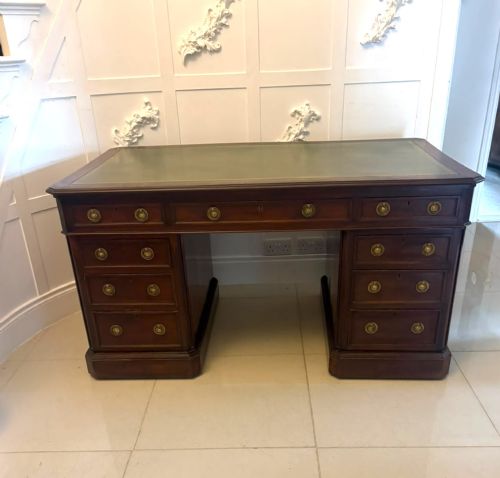
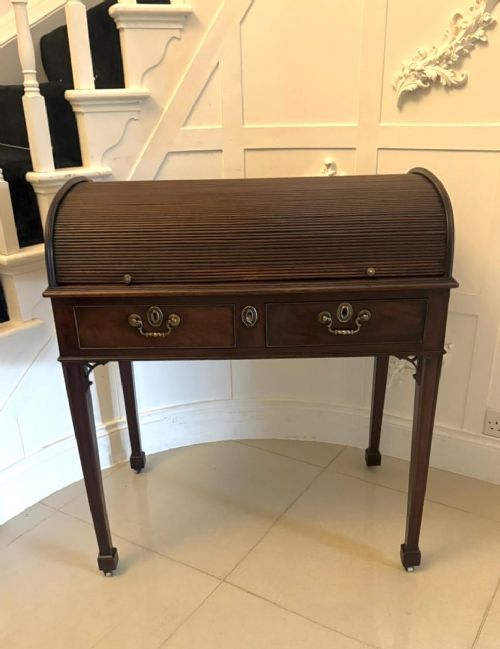
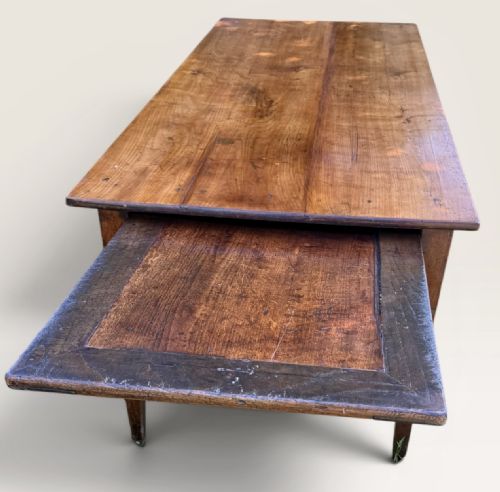
An antique sliding top table brings together ingenious mechanism and traditional cabinetmaking, appearing across periods from the eighteenth century to the early twentieth century. When searching for an antique sliding top table, buyers encounter forms ranging from Georgian cylinder desks and writing tables to French farmhouse kitchen tables with bread slides.
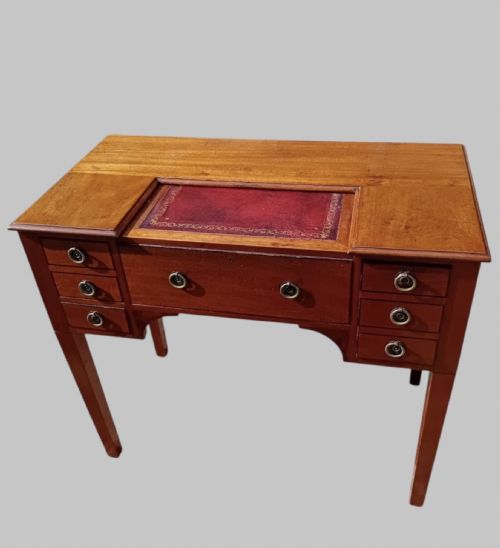
The selection on this page demonstrates remarkable variety in domestic use and regional design. Pieces span British mahogany writing desks with leather slides alongside continental cherrywood and pine farmhouse dining tables featuring integrated bread boards.
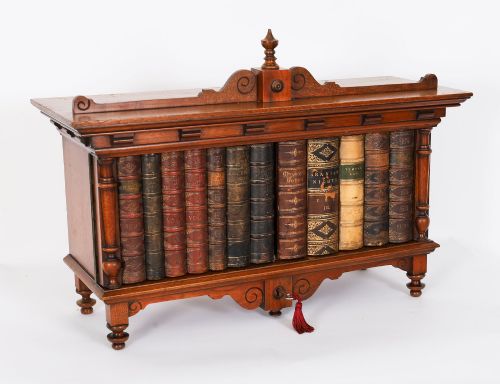
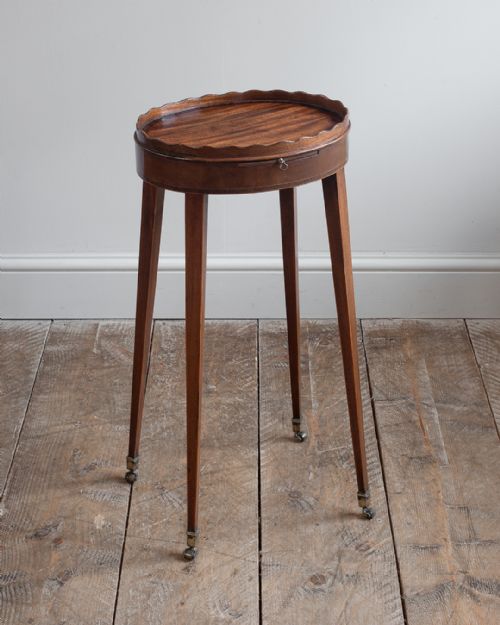
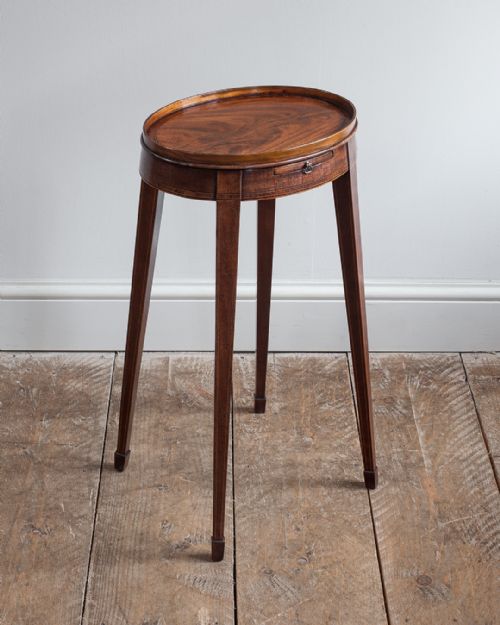
Examples also include Regency rosewood Davenports, occasional tables with reading stands, and specialised items like kettle stands and collectors cabinets. These tables suit both formal reception rooms and rustic kitchen spaces, offering hidden surfaces that deploy when needed.
How these pieces were made
Makers relied primarily on dense timbers such as mahogany, walnut, and cherrywood to construct these durable frames and sliding mechanisms. Secondary woods like pine appear in regional pieces, while decorative brass hardware and leather inserts complete the working surfaces.
Joinery techniques ensure that sliding elements, tambour doors, and pull-out boards operate smoothly within their housing frames over centuries of use. Cabinetmakers shaped legs in cabriole or tapered styles to match the prevailing Georgian, Regency, or provincial aesthetic.
The furniture forms include desks, dining tables, urn stands, kettle stands, and table top cabinets.
What varies in quality
The sophistication of the sliding mechanism and the precision of the timber fit separate standard pieces from exceptional examples. Smooth operation of pull-out writing slides, tambour doors, and bread boards without binding indicates superior original construction.
Timber selection and figure heavily influence desirability, with finely grained mahogany and rich rosewood commanding greater attention than plain utility woods. Intricate detailing such as bronze animal decoration, leather writing inserts, and elegant brass fittings elevate the standing of a piece.
The Antique Sliding Top Table Glossary
- Tambour top
- A flexible surface formed of narrow vertical strips of wood glued to canvas backing, allowing the cover to slide round a curve.
- Bread slide
- A pull-out shelf traditionally used in kitchen and dining furniture for extra workspace or serving food.
- Davenport
- A small compact desk featuring a sloping writing surface above a pedestal of drawers, often incorporating side slides for additional room.
- Urn stand
- A tall, slender table designed specifically to hold a tea urn or kettle, frequently featuring a pull-out slide for cups.
- Cabriole leg
- A furniture leg that curves out and then in, resembling the shape of an animal's leg, common in provincial and period designs.
Antique Sliding Top Table: Frequently Asked Questions
What is a sliding top table?
A sliding top table is a piece of furniture incorporating a movable section, such as a pull-out writing surface, a bread slide, or a retractable top panel.
These additions provide extra surface area when needed without permanently increasing the footprint of the table.
How were bread slides used?
Bread slides in farmhouse kitchen tables provided an extra wooden surface for slicing bread or resting hot dishes near the hearth.
They push neatly away under the main tabletop when not in use to save space.
Are sliding top desks practical?
Sliding top desks offer exceptional utility for modern working by providing pull-out writing surfaces and hidden compartments that manage paperwork efficiently.
Their compact footprints make them well suited for home offices and studies.