


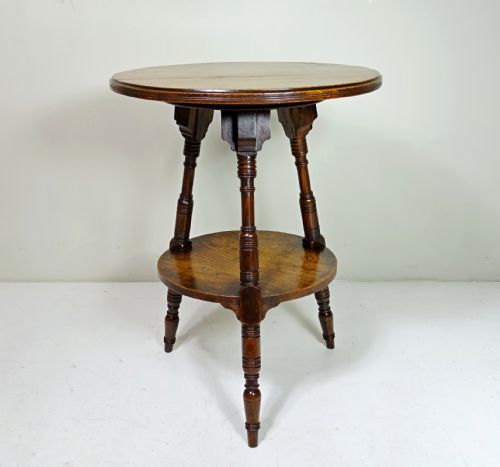


Timber Tavern Table
A timber tavern table brings honest utility and robust character to a room, offering sturdy surfaces built for communal use.
Timber Tavern Table
When you search for a timber tavern table, you encounter robust surfaces designed for communal spaces, spanning pub tables, dining tables, and low coffee tables. The pieces here draw from nineteenth-century and eighteenth-century origins, alongside specific examples from nineteen thirty, eighteen fifty, and eighteen eighty.
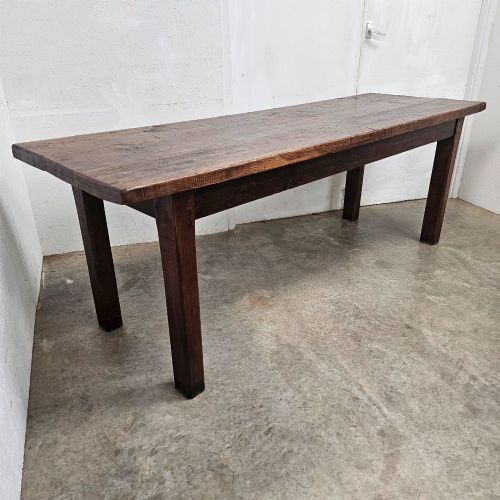
You meet heavy plank tops and functional bases across rustic country, rustic farmhouse, alpine country, georgian, art deco, welsh vernacular, rustic spanish, and victorian styles. The selection includes specific forms such as cricket tables, jogltisch tables, and long pub tables intended for practical daily use.
How they were made
Construction relies heavily on robust woods including pine, oak, stained hardwood, timber, fruitwood, chestnut, and elm. Makers selected these durable timbers to withstand heavy daily use in public houses and farmhouses.
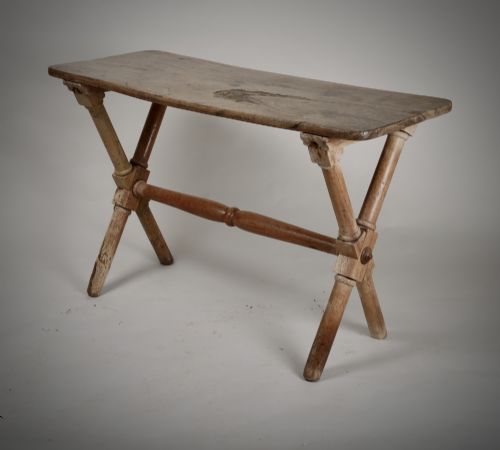
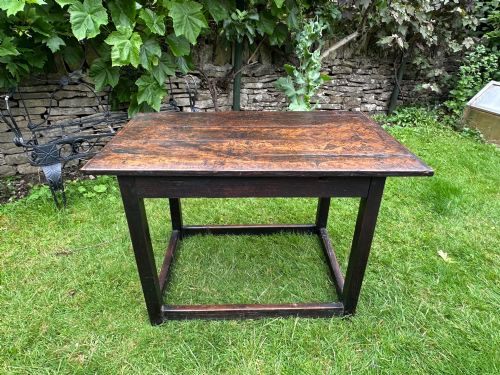
Structural support frequently involves thick wooden plank tops paired with sturdy wooden legs, cross stretchers, X legs, or cast iron bases. Paint finishes occasionally appear on surfaces, while traditional joinery secures thick boards together.
Listings feature oak, pine, chestnut, and fruitwood across the eighteenth century, nineteenth century, and nineteen thirty.
What varies in quality
Quality separates through the selection of timber and the integrity of the original construction, distinguishing heavy plank tops from lighter builds. Oak and chestnut examples demonstrate superior durability compared to softer secondary woods.
The sophistication of the base design, whether featuring turned legs, X bracing, or cast iron framing, dictates the visual weight and stability of the piece. Untouched patination on older surfaces elevates the overall character.
The Timber Tavern Table Glossary
- Plank top
- A table surface constructed from wide boards joined side by side. This method provides a heavy, durable work surface typical of earlier vernacular furniture.
- Cricket table
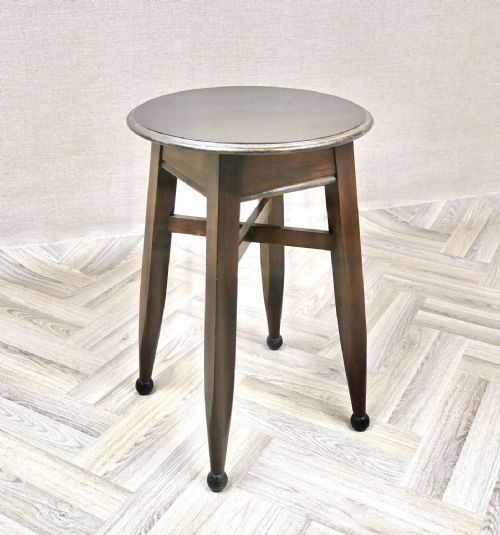
- A small three-legged round table with a lower shelf for stability on uneven floors. This traditional form suits irregular surfaces.
- Jogltisch
- A regional table type featuring distinct joinery and construction methods. These pieces reflect specific continental woodworking traditions.
- Pub table
- A heavy-duty table designed for commercial hospitality environments. Such items prioritize robust stability above delicate ornamentation.
- Vernacular furniture
- Domestic and commercial pieces made by local craftsmen using regional materials. These items emphasise utility and local style over academic design rules.
Timber Tavern Table: Frequently Asked Questions
Where were timber tavern tables used?
These tables served primarily in public houses, inns, and farmhouse kitchens for eating, drinking, and daily labour. Their sturdy construction suited high-traffic environments where durability mattered most.
Over time, many of these utilitarian surfaces transitioned into domestic living spaces and dining rooms as decorative antiques.
How do I identify an eighteenth-century table?
Eighteenth-century examples often feature thick oak or chestnut plank tops joined with traditional pegged mortise and tenon construction. The timber develops a deep, worn patina through generations of use.
Examining the underside and leg fixings reveals hand-cut elements distinct from later machine production.
What is a cricket table?
A cricket table is a small, three-legged occasional table featuring a triangular or round top. The three-legged design ensures the table remains stable on uneven stone or flagged floors without rocking.
Lower stretchers often connect the legs near the base to provide additional structural support.
How do I care for a wooden pub table?
Maintain timber surfaces by dusting regularly with a dry cloth and applying natural beeswax occasionally to nourish the wood. Avoid placing solid wood tables near direct heat sources to prevent timber splitting.
Use coasters or mats to protect historic finishes from moisture marks and heat damage.