



Antique Wooden Caryatids
These antique wooden caryatids bring sculptural architecture into domestic interiors, offering carved figures that support furniture and walls with classical grace.
Antique Wooden Caryatids
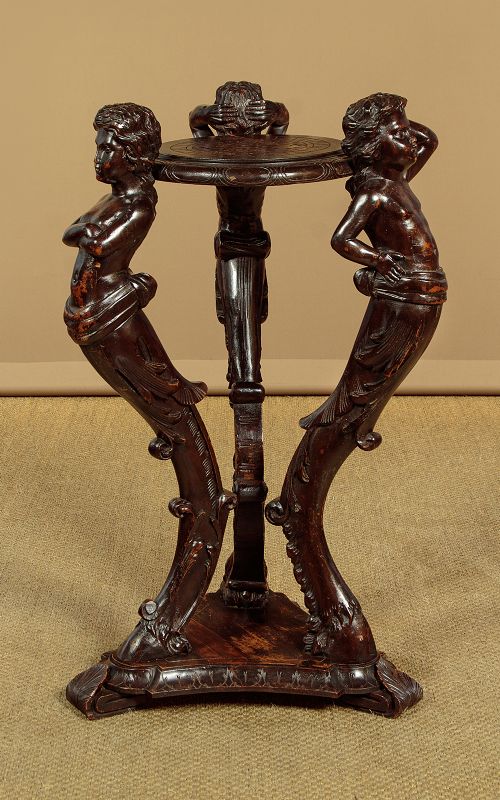
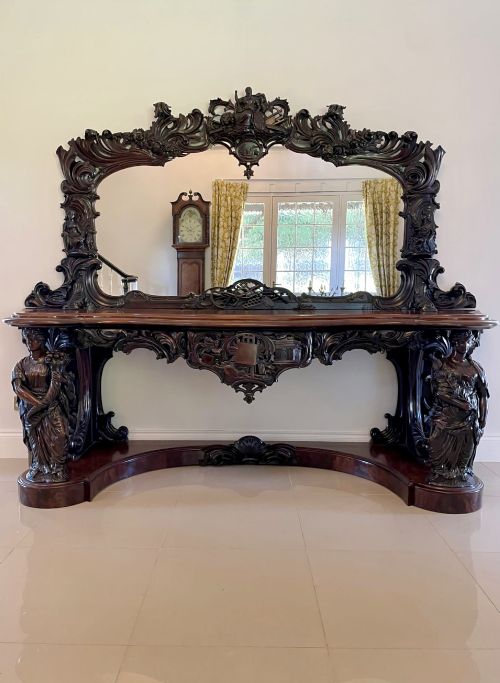
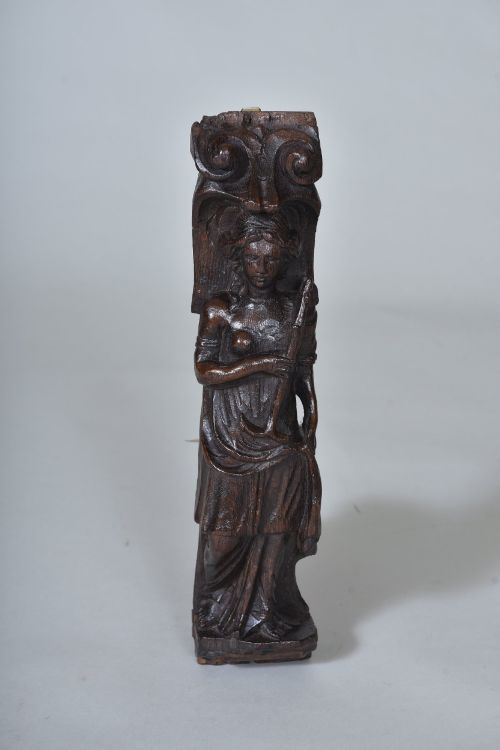
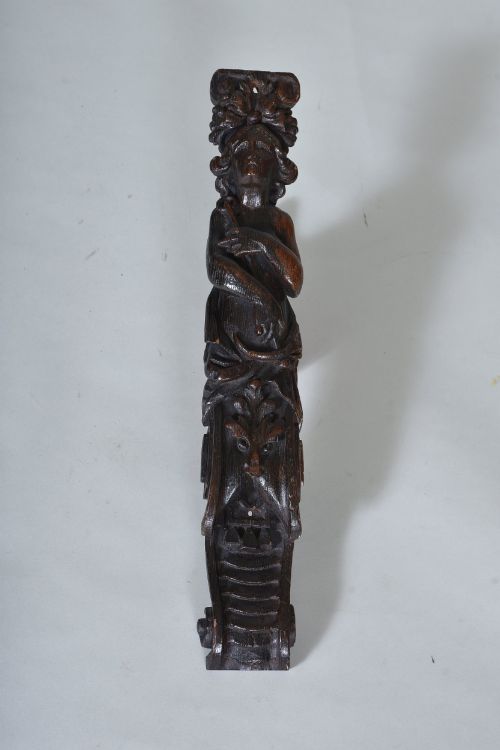
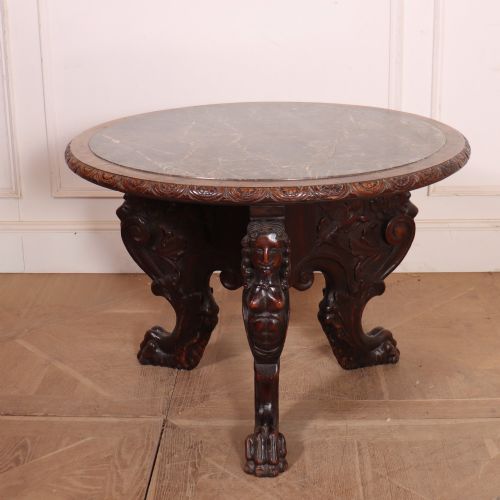
When you search for antique wooden caryatids, you encounter figurative supports and architectural carvings that function as structural elements or decorative furnishings. The examples available span from seventeenth-century oak fragments to nineteenth-century pedestals and console tables.
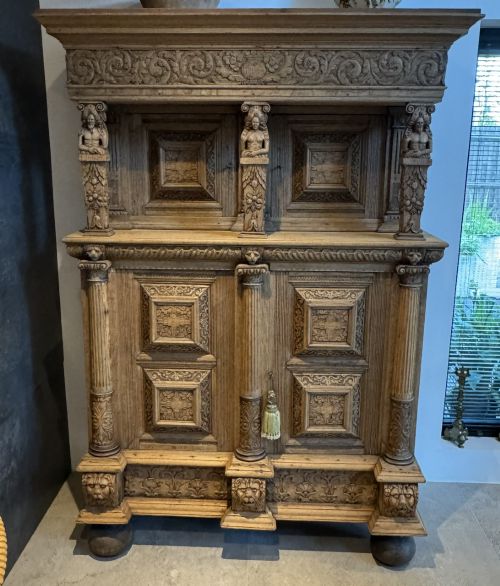
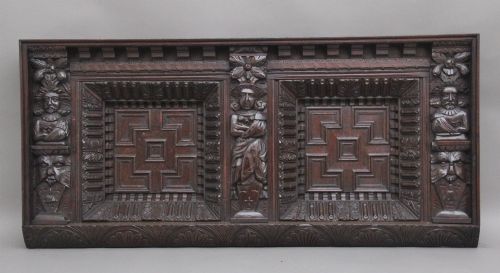
The versions you meet most frequently on this page take the form of seventeenth-century oak carvings, nineteenth-century pedestals, and architectural salvage. Makers integrated these carved female and male figures into furniture like sideboards, cabinets, and overmantles.
Originating from English, Flemish, Italian, and French workshops, these pieces demonstrate how historical makers transformed weight-bearing posts into expressive sculpture. The selection includes single figures, paired herms, and complete furniture supports.
Materials and construction
Carpenters and carvers shaped these figures primarily from solid oak, walnut, mahogany, chestnut, and assorted hardwoods. These dense timbers allowed artisans to execute deep relief and fine facial details that survived centuries of use.
Makers employed traditional hand-carving techniques, working logs and planks with gouges and chisels. Many pieces incorporate joined construction, securing the figurative carvings to pedestals, socle bases, and furniture frames.
Antique Wooden Caryatids Retail Price Guide 2026
Typical asking prices for wooden caryatids among the pieces listed under this phrase on Sellingantiques today, from the lower quarter to the upper quarter. They describe what is for sale here now, not the wider market.
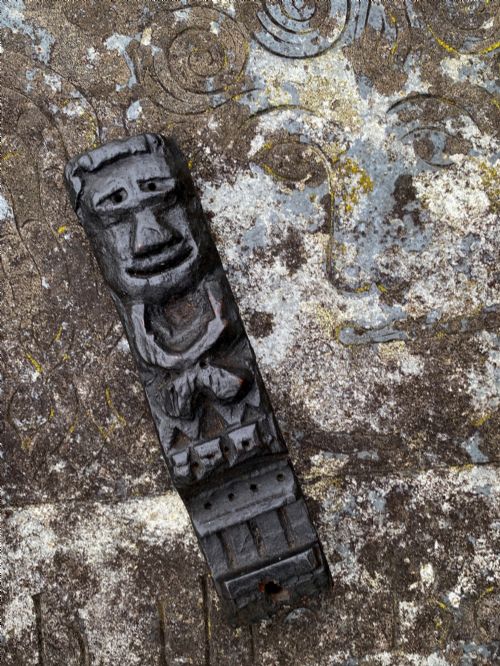
One medieval-style corbel depicts a man who looks perpetually startled by the passage of time.
Factors that distinguish quality
The distinction between ordinary and superior pieces rests on the crispness of the chisel work and the depth of the carving. Master carvers achieved expressive anatomy, detailed drapery folds, and balanced proportions that lesser carvers missed.
Integration into the host object also separates the pieces, as works designed specifically as unified pedestals or console tables display more harmonious proportions than later adaptations.
The Antique Wooden Caryatids Glossary
- Caryatid
- A sculpted female figure serving as an architectural support in place of a column or pilaster. These figures often appear on the corners of cabinets, fireplaces, and pedestals.
- Herm
- A carved bust or figure that tapers toward the base, originating from ancient boundary markers. They frequently serve as structural supports on furniture from the seventeenth and nineteenth centuries.
- Corbel
- A structural piece of stone, wood, or metal projecting from a wall to carry a weight. In wood carving, they often take figurative or grotesque forms.
- Socle
- A short plinth or pedestal supporting a statue, vase, or pillar. Wooden socles provide a stable base for figurative candlesticks and small sculptures.
- Torchiere
- A tall stand or floor lamp designed to hold a light source. Wooden examples often feature carved columns or figurative supports.
Antique Wooden Caryatids: Frequently Asked Questions
What is an antique wooden caryatid?
An antique wooden caryatid is a carved human figure used structurally or decoratively to support furniture, mantelpieces, or architectural elements.
These pieces range from standalone seventeenth-century oak panels to nineteenth-century pedestals and console tables where the figure bears the weight of the top surface.
How were caryatids used in historical furniture?
Historical makers integrated these figures into the corners of cabinets, sideboards, and overmantles to elevate ordinary joinery into grand architecture.
They also functioned as independent pedestals, torchieres, and lamp tables, placing the sculptural support beneath a display surface.
How do I date an antique wood carving?
Dating relies on timber species, tool marks, style, and structural joinery characteristic of specific periods like the seventeenth or nineteenth century.
Analysing the wear patterns and the oxidation of the wood helps confirm the age of the carving relative to its stated period.
How do I live with wooden caryatids?
You can display pedestals and tables as functional furniture in hallways or living rooms, placing lamps or decorative objects on top.
Wall-mounted carvings and architectural fragments fit well mounted at eye level on plain walls where their detailed joinery and relief work stand out.