


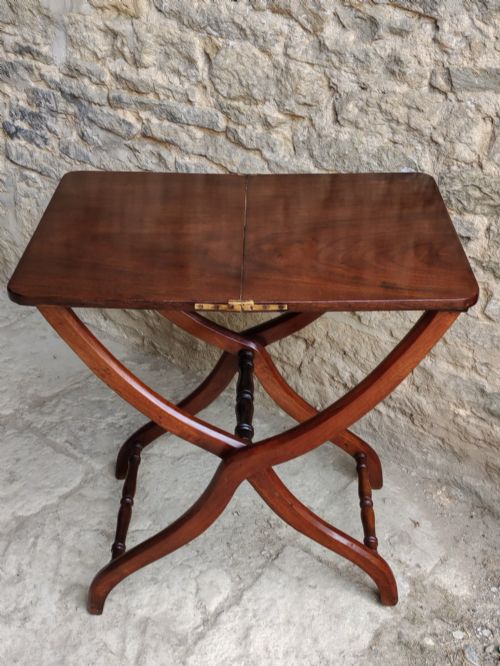
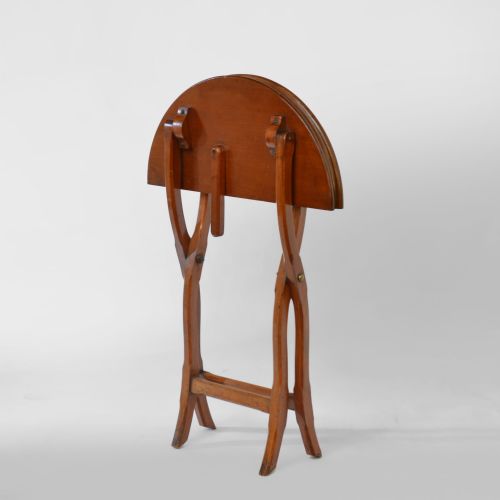
Antique Wooden Campaign Table
These antique wooden campaign table designs combine folding utility with rich timber and brass mounts for portable service.
Antique Wooden Campaign Table
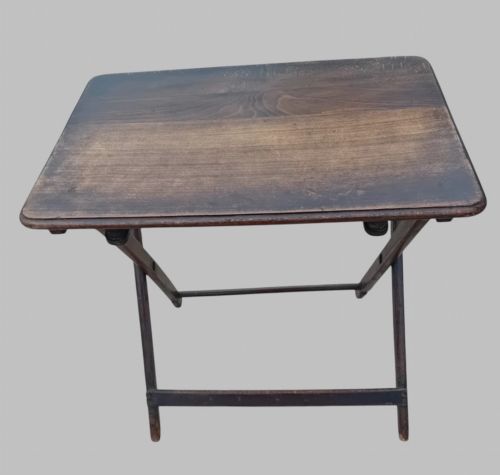
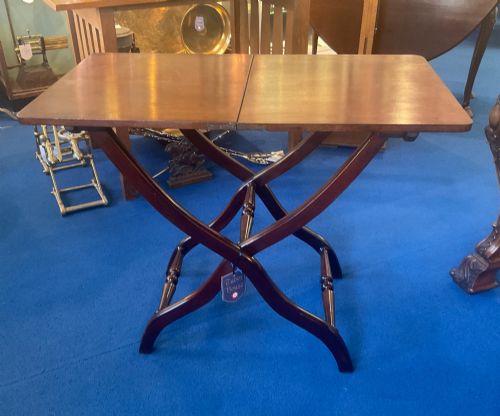
An antique wooden campaign table is a portable piece designed for military officers or travellers on the move. These tables often fold or dismantle for easy packing into chests and transit carts.
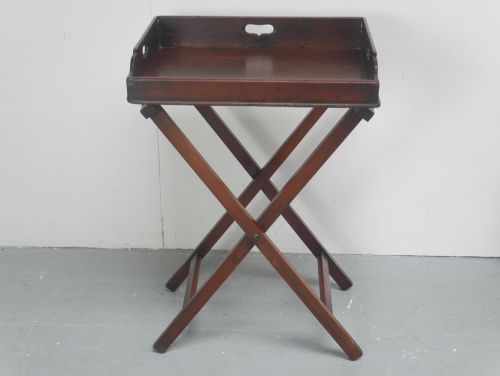
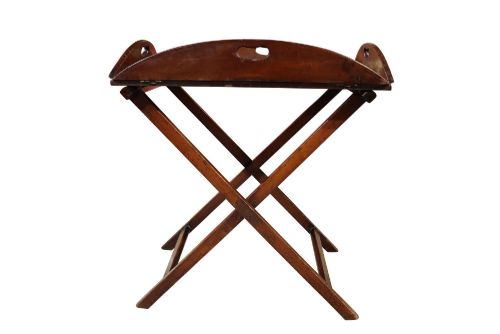
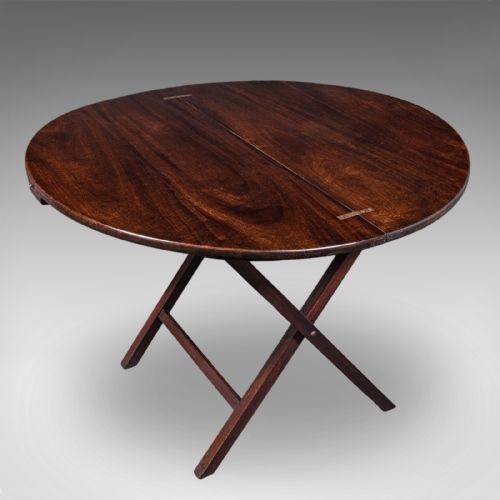
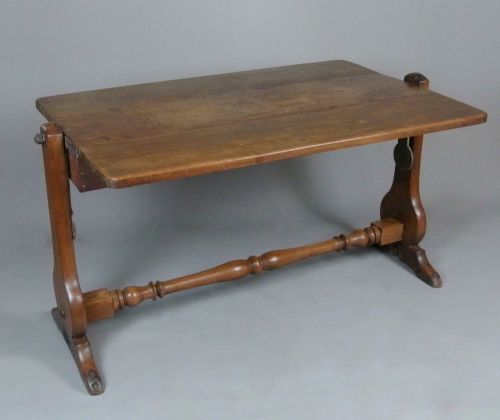
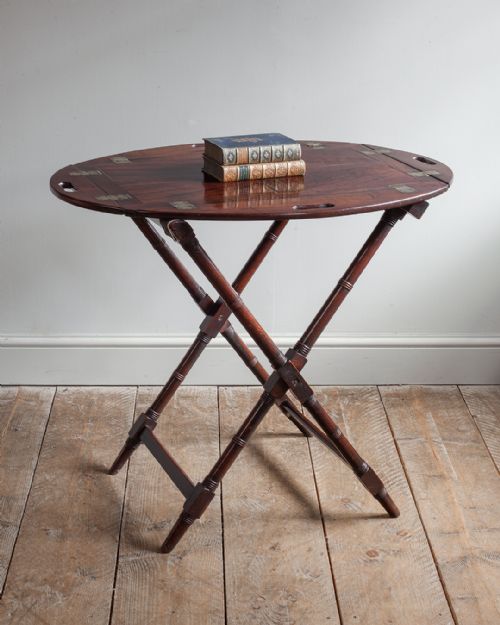
The versions most common here include folding butler's trays on separate stands, coaching tables, and occasional tables from the nineteenth and early twentieth centuries. Timber choices lean towards sturdy hardwoods suited to frequent assembly and dismantling.
Makers produced these pieces to withstand rigorous travel while retaining a refined appearance for officers in the field. Today, buyers use them as versatile coffee tables, side tables, or serving stands in domestic interiors.
How they were made
Carpenters constructed these tables using dense timbers such as mahogany, teak, oak, and camphor wood to resist splitting during transport. These woods offer both structural strength and a handsome surface grain when polished.
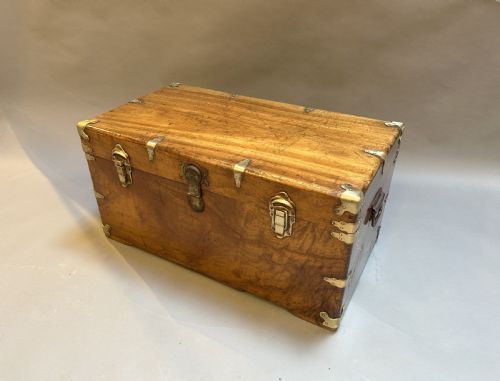
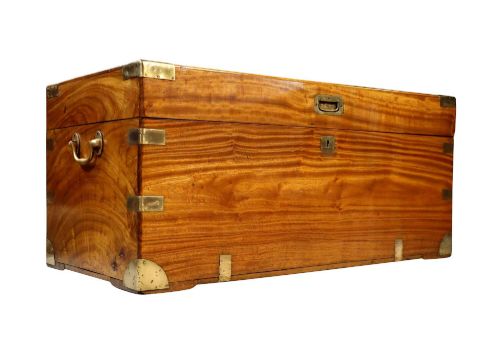
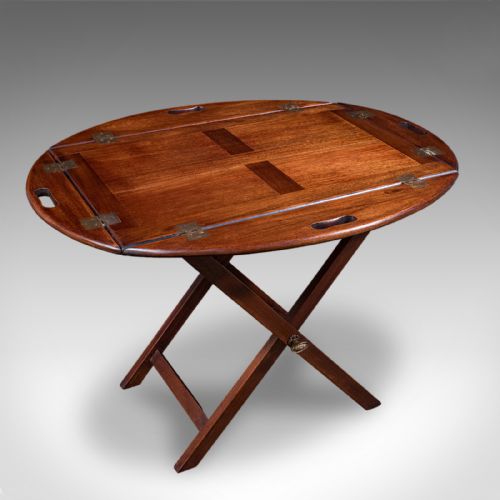
Metal hardware plays a vital role in construction, with recessed brass corners, hinges, and strapwork protecting the edges from knocks. Folding mechanisms rely on clever cross-frame hinges and drop-flap supports that lock securely into place without permanent fixings.
Camphor wood trunks still smell faintly of aromatic insect repellent after two centuries in damp colonial climates.
What varies in quality
Quality reveals itself in the precision of the folding mechanism and the weight of the brass fittings. Superior examples have flush-fitting hardware and joints that lock firmly without wobble when open.
The choice of timber grain and the depth of the original polish distinguish high-grade pieces from utility items. Finer tables use solid hardwoods with careful hand-cut joinery rather than plain commercial pine or beech.
Gillows Lancaster
The Antique Wooden Campaign Table Glossary
- Butler's tray
- A removable wooden tray with hinged or shaped sides, designed to rest upon a folding X-frame stand for serving drinks or meals.
- Campaign style
- A design ethos focused on portability, featuring folding frames, removable legs, and recessed brass mounts to protect corners during travel.
- Coaching table
- A low folding table with an X-form base, originally packed in a coach for roadside dining or temporary use on journeys.
- Drop-flap
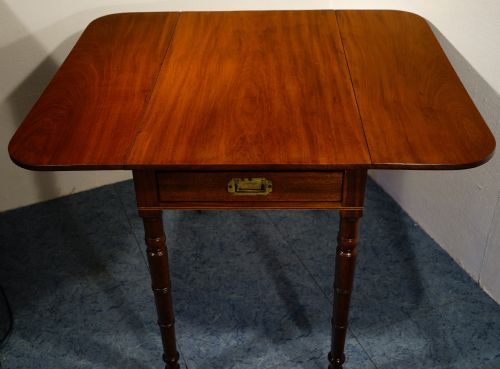
- A hinged section of a tabletop that drops down when not needed, supported by swing brackets to save space.
- Brass bound
- Furniture edged or reinforced with brass straps and corner brackets to endure the bumps of transit.
Antique Wooden Campaign Table: Frequently Asked Questions
How do you fold a campaign table?
Most folding campaign tables rely on an X-frame base that lifts off its support pins or collapses inward on central hinges. The top simply lifts off or drops its hinged sides to pack flat.
Take care to release any locking hooks or brass brackets gently before attempting to fold the timber frame to avoid straining the joints.
Were these tables actually used by the military?
Officers in the British Army and Navy purchased portable furniture out of their own pockets to maintain comfort on campaign. These pieces accompanied troops across colonies and naval vessels.
The sturdy construction and folding designs allowed officers to pack up their mess or office equipment quickly when orders came to march.
How do I clean a brass-bound wooden table?
Dust the timber regularly with a dry cloth and feed the wood occasionally with a traditional beeswax polish. Avoid modern silicone sprays that build up a sticky residue over time.
Clean the brass mounts with a soft cloth and a gentle metal cleaner, taking care not to smear polish onto the surrounding timber grain.
Can I use an antique campaign table daily?
These tables adapt well to modern living as coffee tables or side stands because their folding design makes them easy to reposition. Their original purpose demanded robust construction that suits everyday use.
Protect the surface from heat and moisture rings by using coasters, just as you would with any fine antique hardwood furniture.