


Antique Wooden Brackets
Antique wooden brackets are architectural and display supports that elevate interior spaces with period craftsmanship.
Antique Wooden Brackets
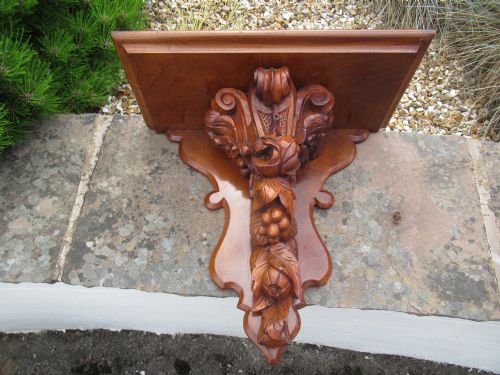
Antique wooden brackets encompass functional and decorative wall supports designed to hold objects or architectural elements. When searching for antique wooden brackets, buyers encounter items ranging from carved wood cherub wall brackets to architectural corbels and display shelves.
The selections span periods including the Victorian era and the year nineteen hundred. Formats include carved lion designs and lacquer decorated bird shelves.
How they were made
These pieces rely on carved timber construction, often employing specialised techniques such as lacquer decoration. Artisans shaped the wood to form architectural supports, cherubs, and animal motifs.
Makers utilised wood as the primary medium, sometimes pairing the carved elements with applied finishes like lacquer to enhance the visual depth of birds and decorative motifs.
Carved wooden lions and lacquer birds keep watch from the walls.
What varies in quality
The standard of carving distinguishes different examples, separating mass production from skilled handiwork. Crisp relief work in carved wooden subjects demonstrates greater artisan capability.
The preservation of original surface finishes, whether lacquer or exposed timber grain, influences the integrity of each bracket.
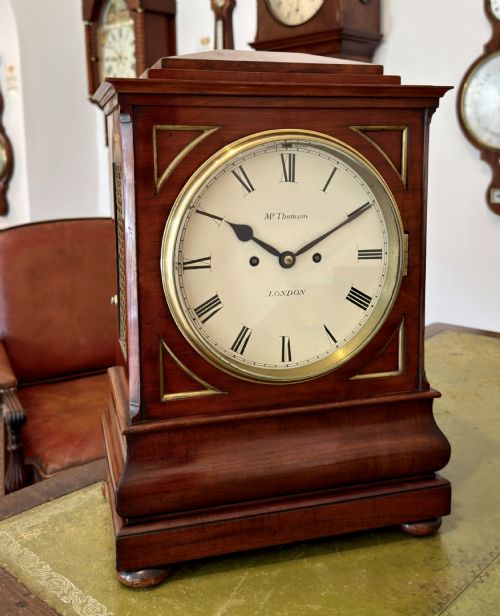
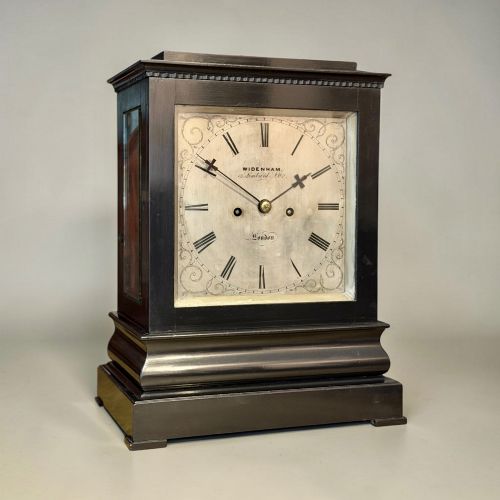
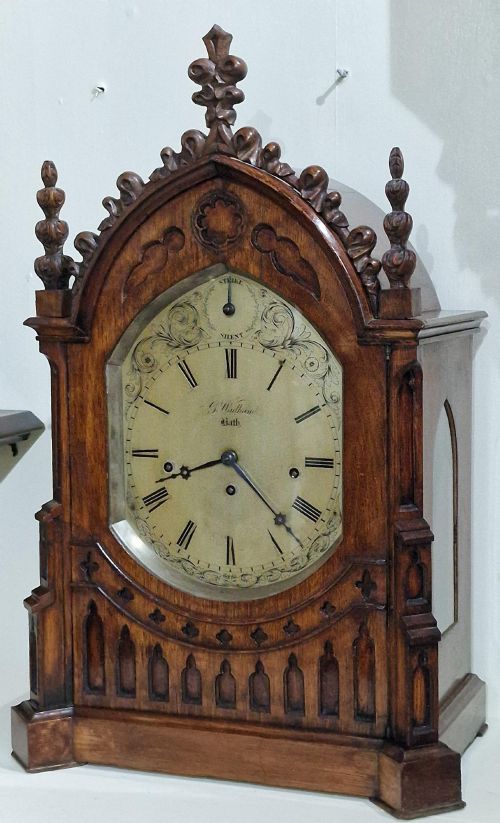
J Moorcroft·Thomson of London·Widenham of London·George Wadham, Bath·William Gard, Exeter
The Antique Wooden Brackets Glossary
- Corbel
- A structural piece of stone or wood projecting from a wall to carry a weight. In wooden brackets, this often takes the form of carved figurative supports.
- Lacquer
- A liquid resin applied to wood that dries to form a hard, durable protective and decorative finish. Bird decorations are frequently rendered using this technique.
- Wall Bracket
- A supporting piece fixed to a wall for holding a weight or shelf. These items function as architectural ledges or display platforms.
- Carving
- The act of shaping wood by cutting away material. It defines the decorative appearance of Victorian and turn-of-the-century wall supports.
Antique Wooden Brackets: Frequently Asked Questions
What are antique wooden brackets used for?
These pieces function primarily as wall-mounted supports for shelves, architectural elements, or decorative items. They project outward from vertical surfaces to bear weight or frame displays.
Historically, they also served as decorative corbels within larger interior schemes, adding sculptural interest to walls and cornices.
How do you hang antique wooden brackets?
Hanging requires secure fixings anchored into wall studs or solid masonry, depending on the weight the bracket must bear. Many feature integrated mounting points or flat back edges for flush placement.
Careful alignment ensures that pairs of brackets level properly when supporting shelves or larger architectural elements.
What woods were used for brackets?
Makers utilised various timber species depending on the period and regional availability. Common materials include mahogany, oak, walnut, and pine found across related furniture and architectural fittings.
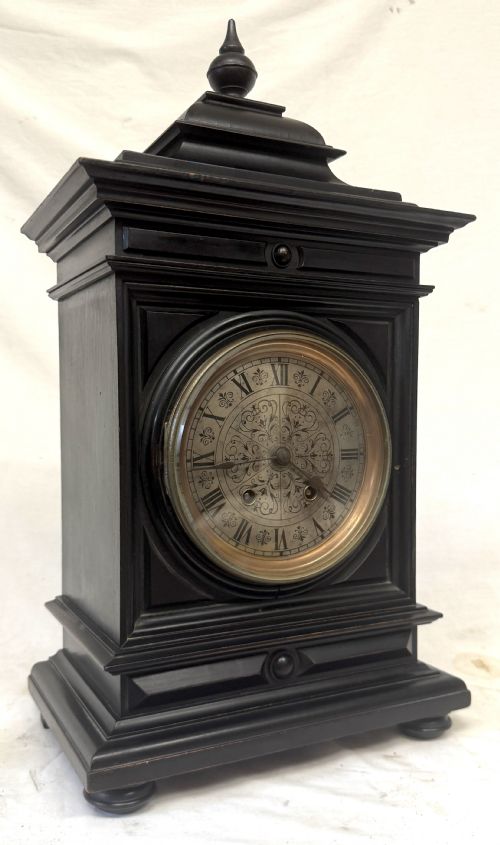
Finishes like ebonised wood or lacquer decoration were frequently applied to alter the natural tone of the timber.
How do I date antique wooden brackets?
Dating relies on stylistic indicators, tool marks left by woodworkers, and the specific nature of any applied surface decoration. Victorian and early twentieth-century examples often display distinct revival motifs.
Comparing construction joints and carving depths against dated architectural hardware helps narrow the period of origin.