


Antique Wooden Base
An antique wooden base anchors larger items like tables, cabinets, and display pieces, giving solid form and enduring structure to period furniture.
Antique Wooden Base
When searching for an antique wooden base, collectors encounter structural supports and lower sections of larger pieces such as dining tables, dresser bases, and cabinets. These components originate from various periods including the 18th century, Victorian era, and 1920s.
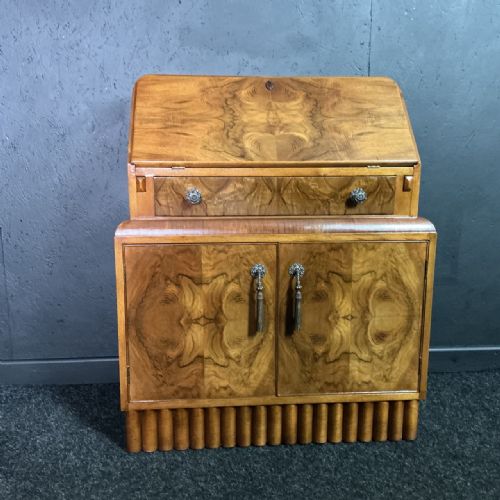
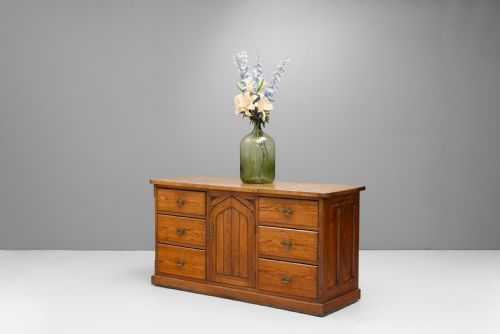
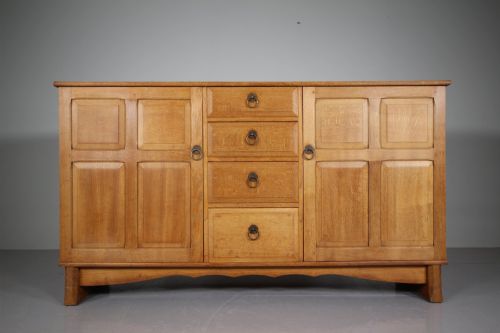
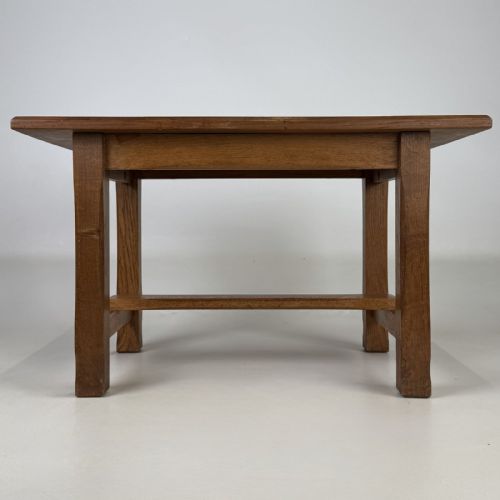
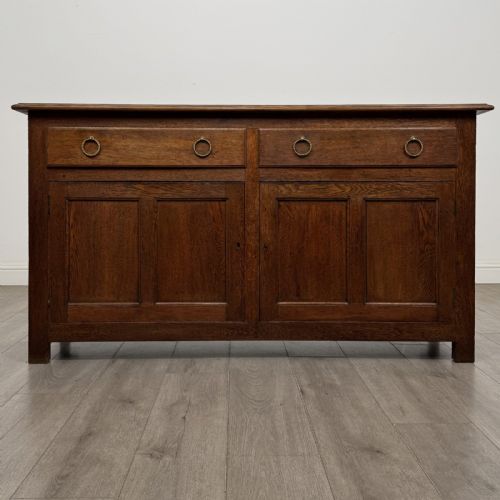
The most common examples on this page are dresser bases, refectory tables, and sideboards built from solid timbers. They range from simple pine and oak farmhouse furniture to polished mahogany and rosewood forms.
Regional variations appear regularly, including Scottish and English dresser bases alongside continental examples. Stylistic influences span from Georgian and Regency through to Edwardian and Art Deco designs.
Materials and construction methods
Construction relies heavily on traditional hardwoods and softwoods like oak, mahogany, walnut, pine, and rosewood. These timbers provide the structural integrity needed for heavy tabletops, storage units, and display pedestals.
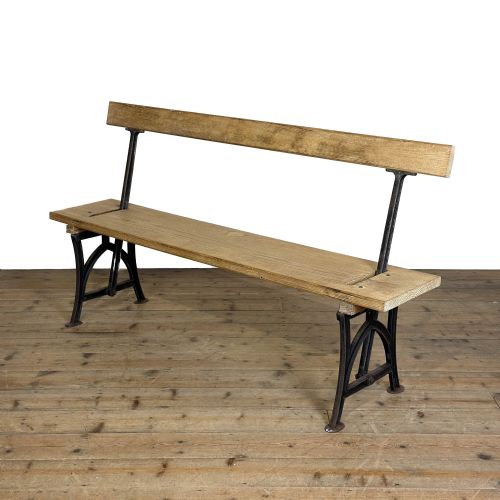
Joinery methods vary by period, utilising robust framing, stretcher bases, and carved supports. Metal components such as brass cup handles and iron fittings often complement the wooden structures.
Antique Wooden Base Retail Price Guide 2026
Typical asking prices for wooden base among the pieces listed under this phrase on Sellingantiques today, from the lower quarter to the upper quarter. They describe what is for sale here now, not the wider market.
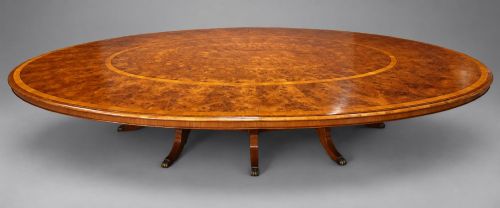
Some dining tables carry the deep, quiet scars of centuries of family meals, rolling pins, and spilled ink.
Assessing quality in period bases
Quality rests upon the selection of timber and the integrity of the original construction. Dense woods like oak, walnut, and mahogany hold carved details and structural joints more firmly over centuries of use.
The refinement of the design differentiates standard utility pieces from finer examples. Proportions, the execution of carved stretchers or cabriole legs, and the preservation of original surfaces dictate the standing of each piece.
The Antique Wooden Base Glossary
- Stretcher base
- A framework of horizontal wooden bars connecting the lower legs of a table or cabinet to provide extra stability.
- Dresser base
- A low wooden sideboard or cabinet featuring drawers and sometimes a potboard shelf beneath.
- Refectory table
- A long, narrow dining table historically used in communal dining halls and supported by sturdy wooden legs and stretchers.
- Potboard
- An open lower shelf built into a dresser base, originally designed for storing pots and kitchen utensils.
- Plinth base
- A heavy, flat solid wooden block or platform upon which a large cabinet or bookcase rests.
Antique Wooden Base: Frequently Asked Questions
What is a dresser base?
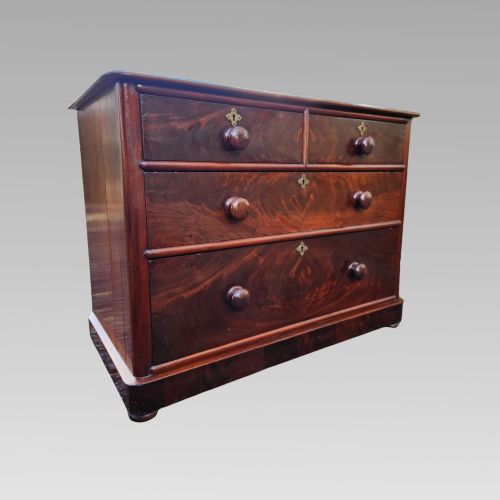
A dresser base is a standalone wooden cabinet featuring a flat top surface and multiple drawers underneath. Many examples also include a lower potboard shelf or cupboards.
Historically used for food preparation and storage in kitchens and dining rooms, these sturdy pieces now serve as sideboards in modern living spaces.
How do I identify oak furniture?
Oak furniture is recognised by its dense weight, prominent grain patterns, and warm brown tones. Pieces often feature sturdy construction methods like stretcher bases and heavy plank tops.
Over time, genuine antique oak develops a rich patina that distinguishes older examples from later reproductions.
What periods do these pieces span?
The available items span several centuries, starting from the 18th century and moving through the Georgian, Victorian, and Edwardian eras. Later pieces extend into the 1920s and 1930s.
Each period brings distinct stylistic traits, ranging from rustic farmhouse tables to polished Regency and Art Deco designs.
How can I care for wooden bases?
Wooden furniture requires stable indoor humidity and protection from direct sunlight to prevent the timber from drying out or cracking. Regular dusting with a soft cloth maintains the surface finish.
Occasional application of appropriate wax helps nourish older timbers like mahogany, oak, and walnut without building up heavy residues.