
Antique Wood Wall Table
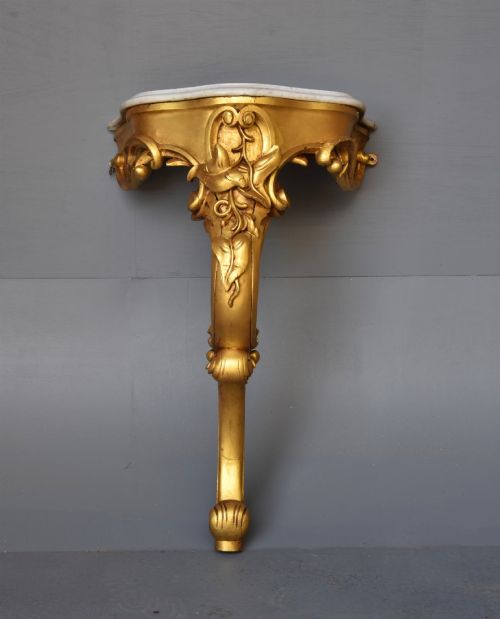
An antique wood wall table brings architectural presence to a hall or reception room through console forms mounted directly to the masonry.
Antique Wood Wall Table
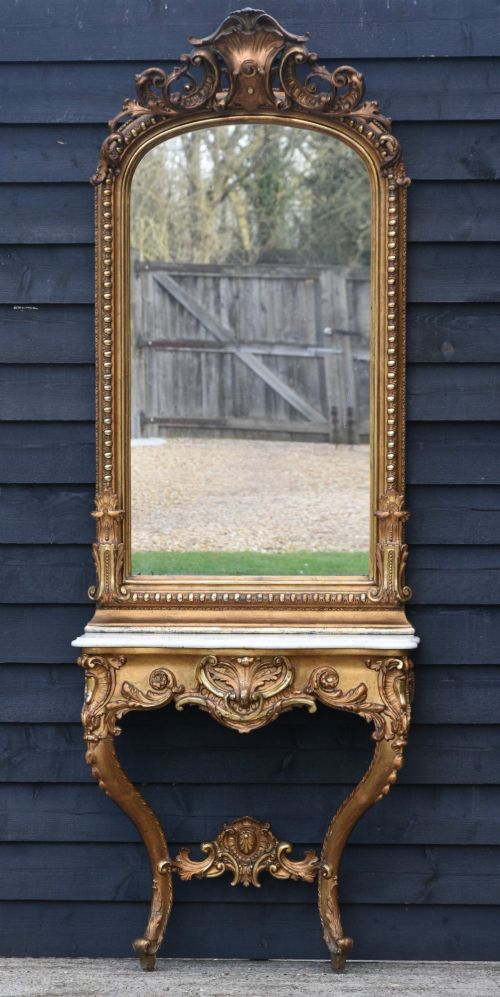
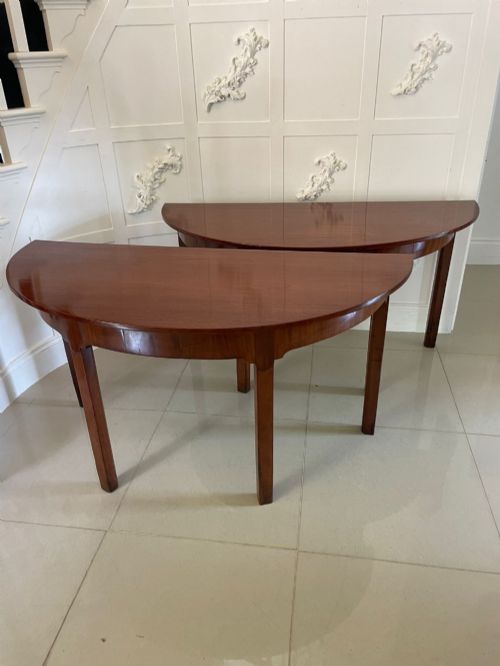
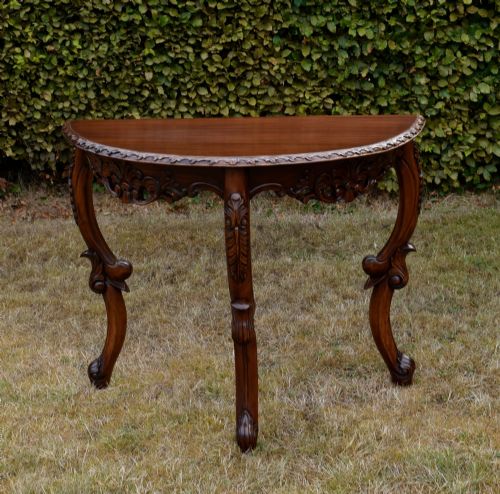
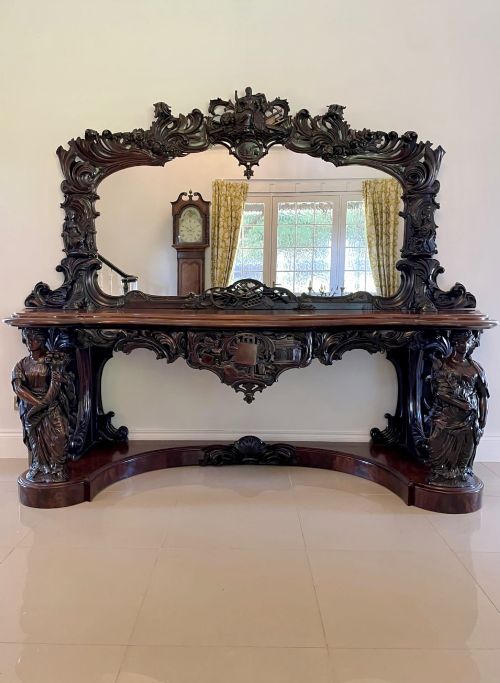
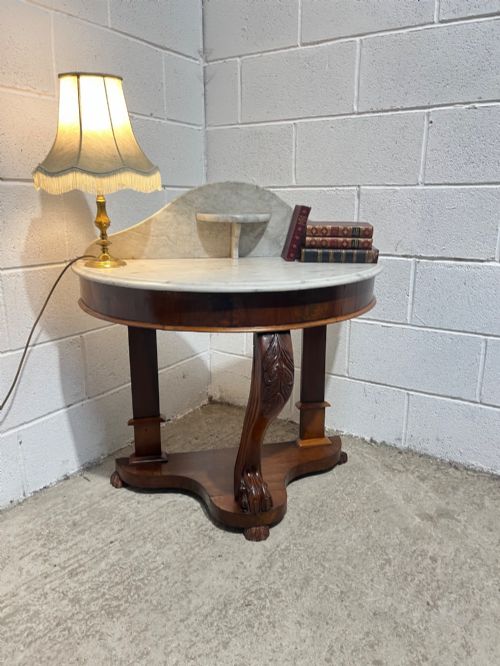
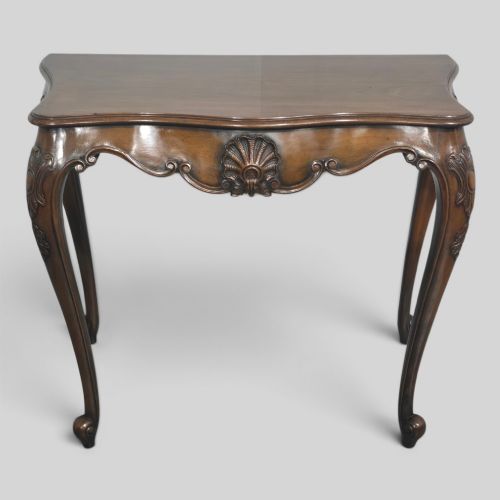
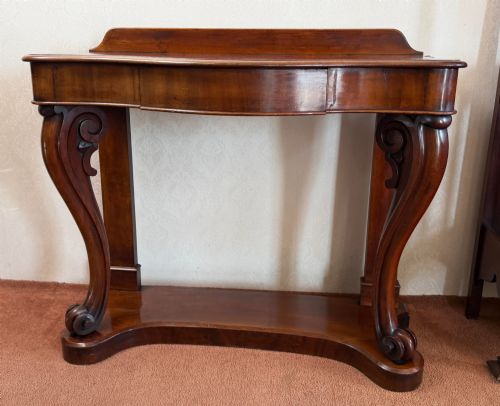
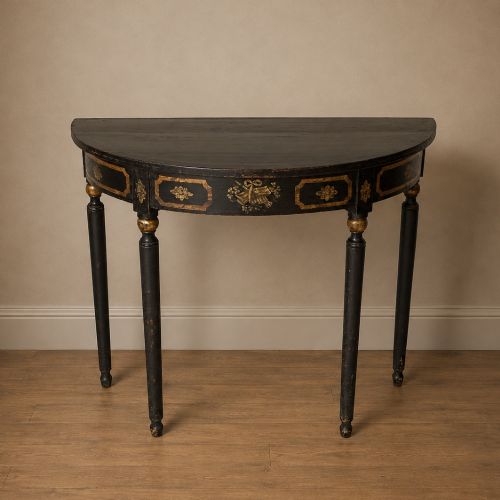
When you search for an antique wood wall table, you encounter console tables designed to stand against a wall, frequently paired with a marble top or a pier mirror. These pieces span the eighteenth and nineteenth centuries, taking forms such as the demi-lune, serpentine front, and rectangular side table.
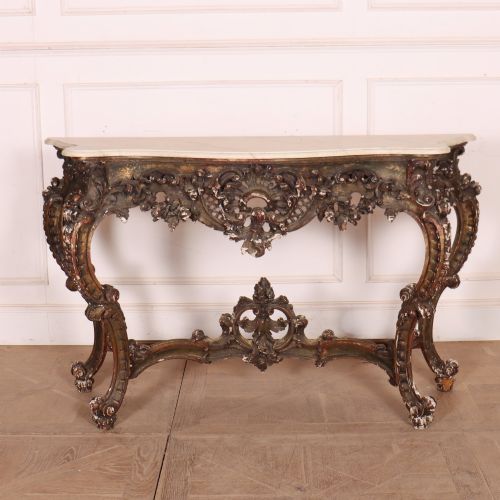
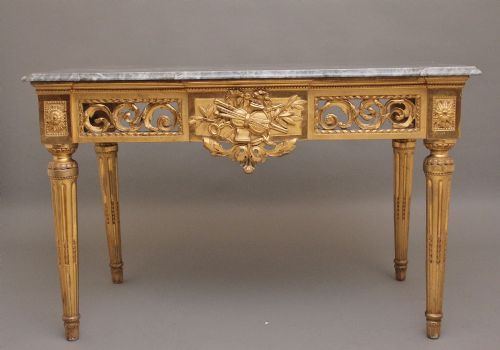
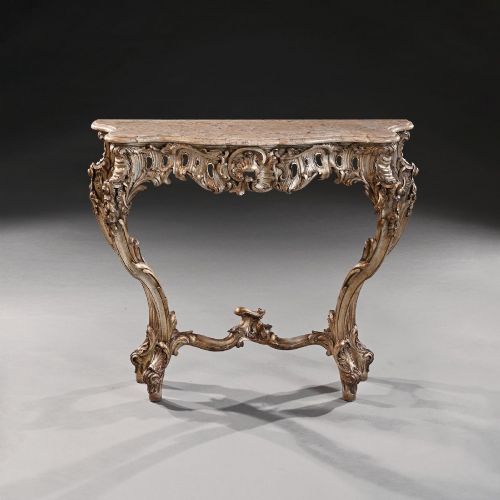
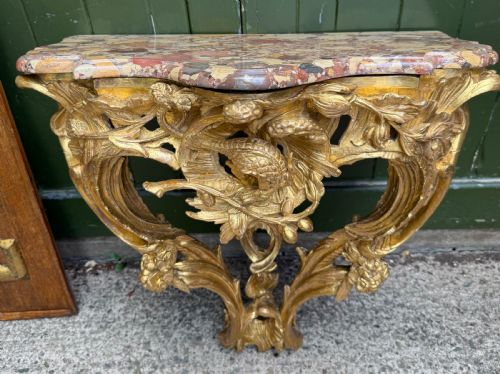
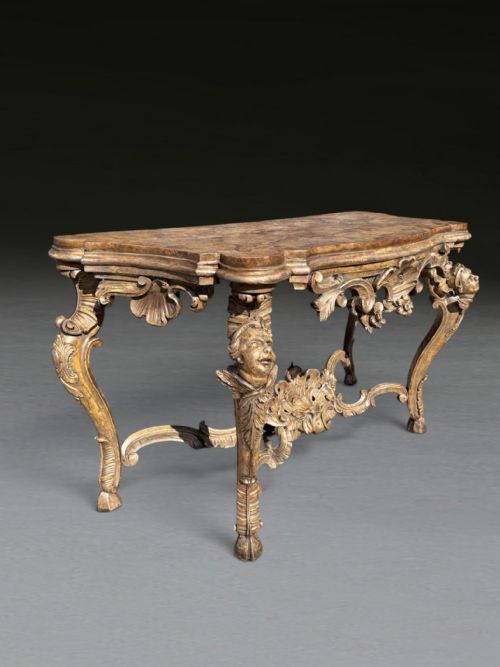
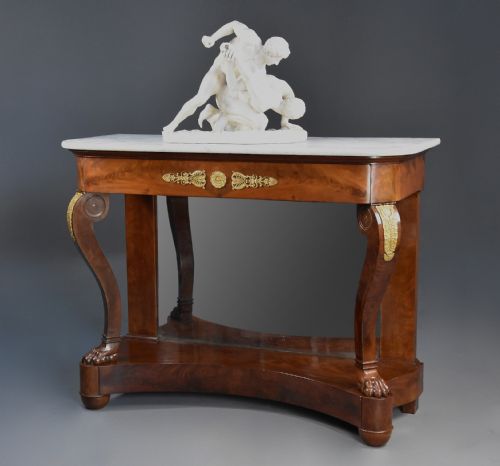
The version you are most likely to meet on this page is the nineteenth century console table, often executed in mahogany, walnut, or giltwood, reflecting French, Italian, or English tastes. Many examples incorporate shaped marble surfaces, ranging from breccia to breche d'alep, supported by carved wood bases.
Originating in grand domestic interiors, these tables served as decorative side surfaces in halls and reception rooms, sometimes built to mount directly onto the wall or designed with console brackets. Regional styles vary from the carved ornamentation of Italian and French rococo revival pieces to the cleaner lines of English mahogany and Gustavian painted furniture.
How they were made
Makers utilised dense timbers such as figured mahogany, Cuban mahogany, rosewood, padauk, and walnut for the structural carcasses and frames. These woods were often hand-carved, turned, or polished, providing a sturdy base to support heavy stone elements.
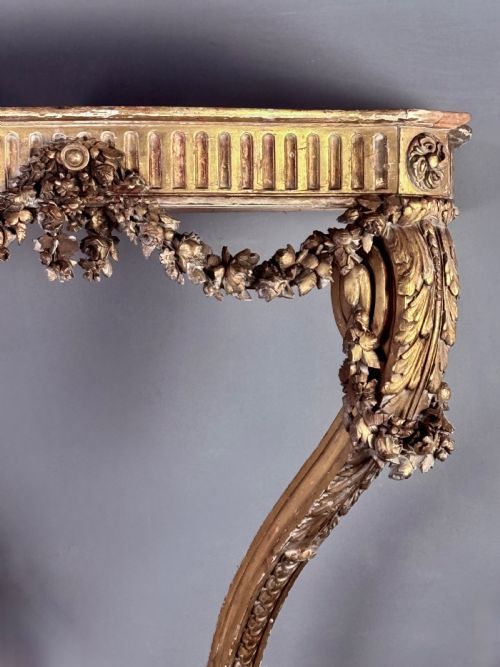
Giltwood and gesso techniques defined the grander continental pieces, applying gold leaf over prepared plaster and carved wooden mouldings to achieve a brilliant reflective surface. Painted finishes in antique white, cream, and parcel gilt also appeared, particularly on neoclassical and Gustavian examples.
Many tables incorporate heavy marble tops, precisely cut and polished to fit serpentine or demi-lune wooden frames, secured either by weight or rebated joints. Brass and glass elements occasionally supplemented the construction, particularly in associated hardware or accompanying pier mirrors.
Some nineteenth century console tables were built so heavily that they required physical wall brackets just to prevent the marble tops from tipping forward.
What varies in quality
The depth and crispness of the hand-carving define the upper tier of console tables, where acanthus leaves, lion's paw supports, and floral motifs retain sharp contours rather than a softened profile. Finer examples display meticulous joinery and proportion, particularly in the complex curves of serpentine and demi-lune formats.
The selection and treatment of materials mark the distinction between standard and exhibition quality pieces. Premium tables feature figured mahogany with rich grain patterns or thick, well-figured marble slabs such as breccia and breche d'alep, whereas lesser items rely on simpler timber stocks and thinner stone.
The execution of the gilding or painted finish dictates visual success, with layered gold leaf and burnished highlights separating superior giltwood work from flat, uniform metallic paints. The integration between the wooden base and the wall mounting or mirror determines the structural ambition of the piece.
Felix-Alfred Ternisien
The Antique Wood Wall Table Glossary
- Console table
- A table designed to be fixed against a wall, traditionally supported by two front legs or brackets fixed to the masonry. These pieces often feature decorative aprons and marble tops.
- Demi-lune
- A half-moon shape used for table tops and frames. This format allowed furniture to sit flush against a wall while projecting into the room.
- Giltwood
- Timber that has been coated with a thin layer of gold leaf or powder. This finish was common on eighteenth and nineteenth century decorative frames and console bases.
- Serpentine front
- A furniture front characterised by a wavy outline, curving outward in the centre and inward at the sides. It requires precise woodworking to execute.
- Breccia marble
- A multi-coloured stone composed of angular fragments embedded in a fine-grained matrix. It appears frequently on Italian and French console tables.
Antique Wood Wall Table: Frequently Asked Questions
Where should a console table go?
These tables traditionally occupy entrance halls, reception rooms, and narrow corridors where a standard four-legged table would obstruct movement. Placing them against a wall allows them to function as display surfaces for clocks, mirrors, and decorative objects.
Because many historical examples were designed to anchor beneath a wall mirror or mount directly to the masonry, positioning them centrally in a room highlights their architectural proportions.
How do I care for a marble top?
Marble surfaces require gentle cleaning with a soft cloth and warm water, avoiding acidic or abrasive household cleaners that can etch the stone. Promptly wiping away spills prevents staining on porous varieties such as breche d'alep.
Treating the wooden base involves dusting with a dry cloth and occasionally applying suitable furniture wax to maintain the finish of mahogany, walnut, or giltwood without building up residue.
How do I identify a giltwood finish?
Giltwood is created by applying fine gold leaf over a prepared gesso layer on a wooden substrate. Under close inspection, the delicate leaf edges and subtle variations in the metallic sheen reveal hand application rather than modern spray painting.
Over the centuries, minor losses to the gold leaf may expose the reddish bole or white gesso beneath, which serves as an indicator of age and traditional craftsmanship.