


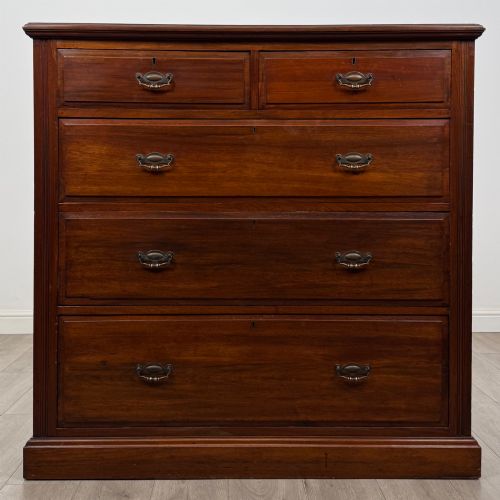

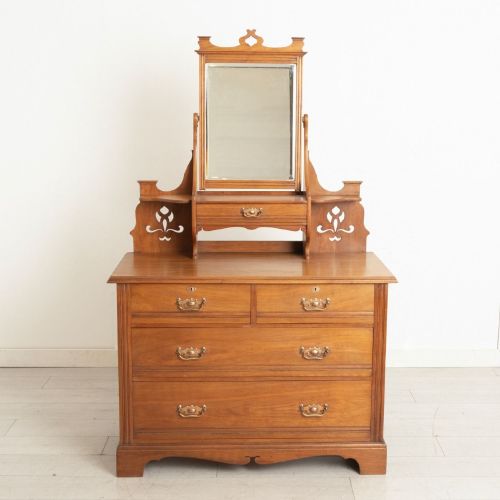
Antique Wood Storage Unit
An antique wood storage unit brings practical character to a room, offering compartments tailored for everything from books to workshop tools.
Antique Wood Storage Unit
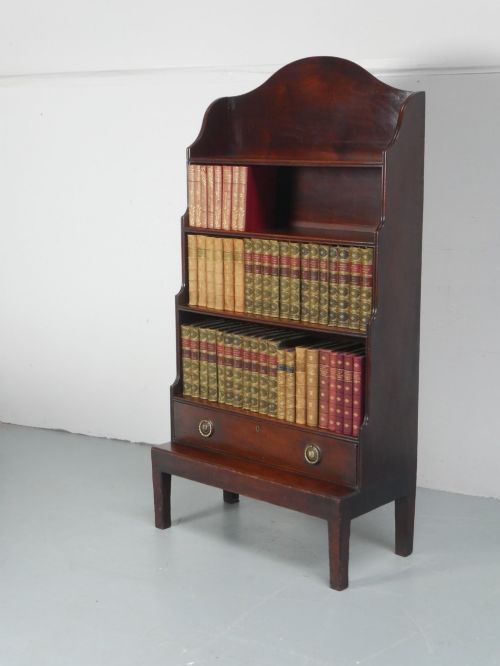
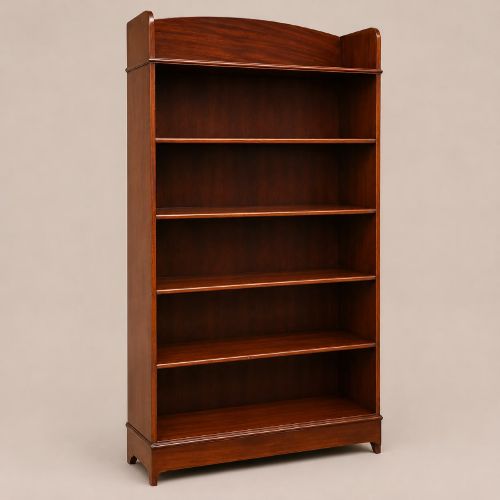
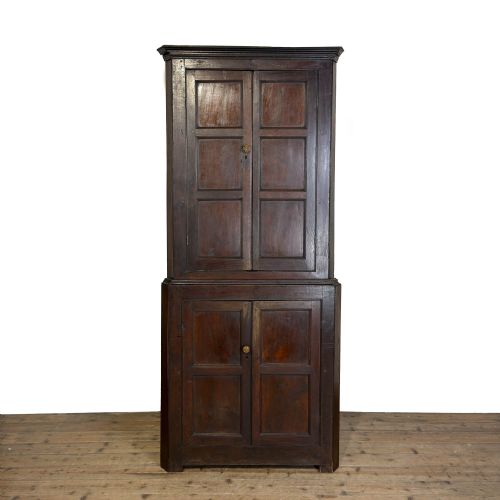
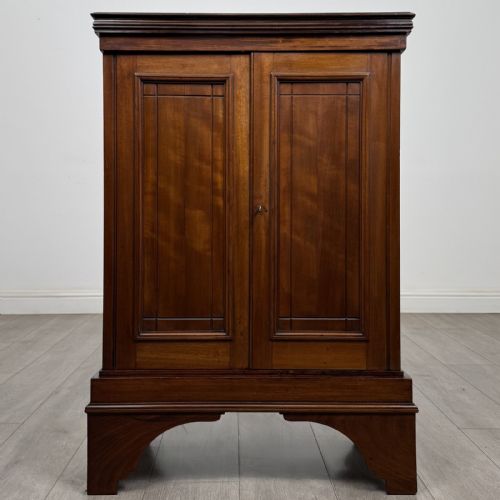
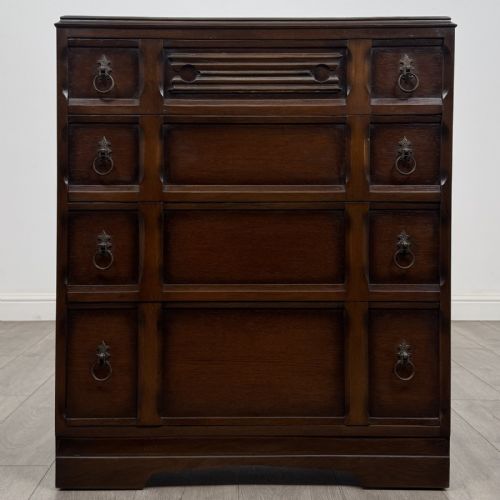
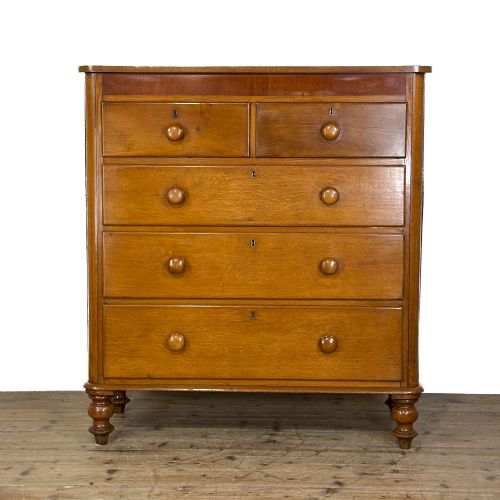
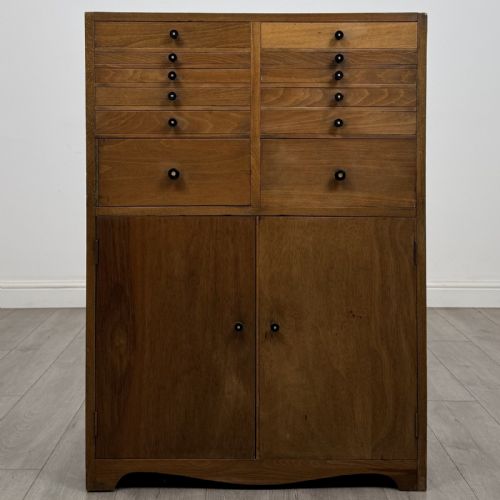
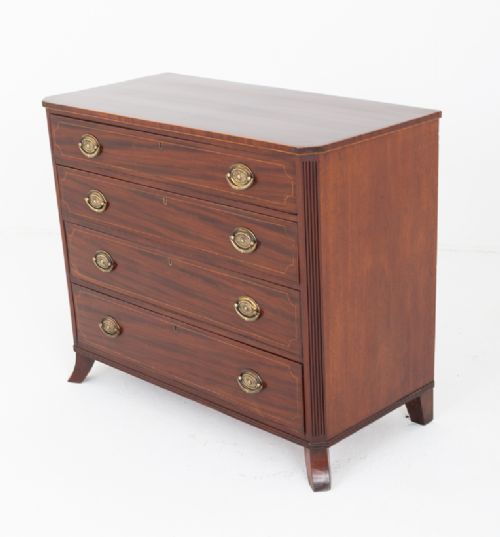
When searching for an antique wood storage unit, buyers encounter a diverse selection of furniture spanning multiple centuries, from 17th-century oak pieces to 20th-century workshop banks and dressers. The term encompasses various practical forms designed to hold objects, including chests of drawers, bookcases, corner cabinets, cupboards, and filing furniture.
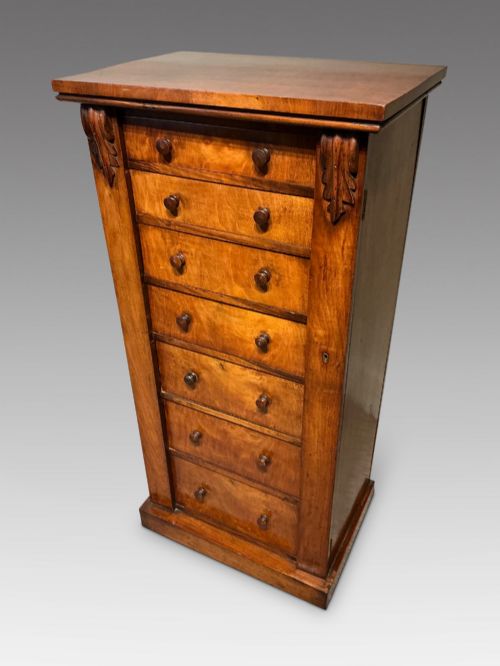
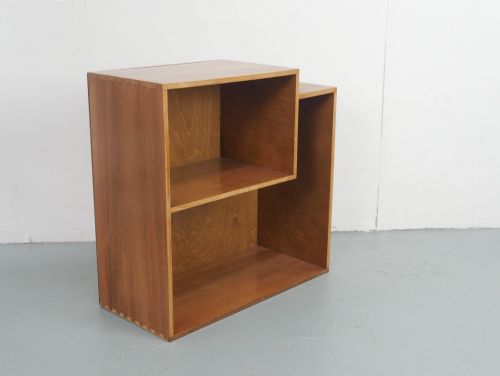
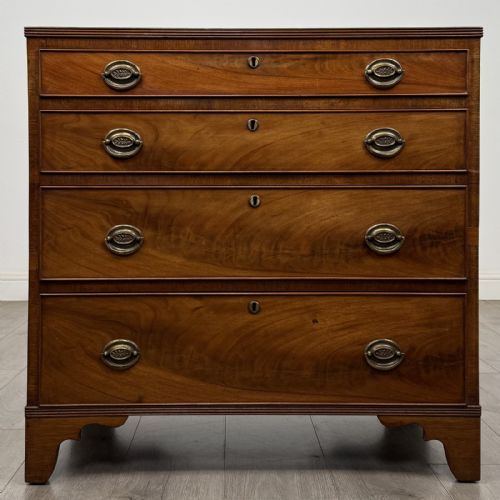
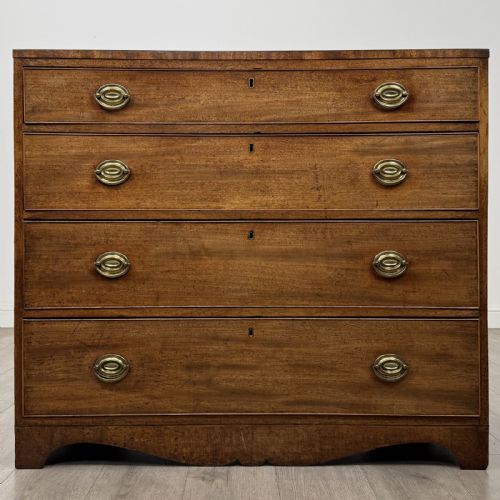
The pieces appearing on this page originate from periods such as the Victorian and Edwardian eras, alongside earlier Georgian and 18th-century examples. Common formats include utilitarian banks of drawers with label holders, larder cupboards, open bookcases, and specialised watchmaker chests.
Materials and construction methods
Makers utilised a range of native and imported timbers, predominantly oak, mahogany, walnut, and pine, often complemented by brass hardware, glass panels, and iron fittings. Woods were selected for their grain and durability, whether dealing with the rich flame figures of mahogany or the sturdy qualities of early oak.
Construction techniques relied on traditional joinery suited to the function of the piece, from dovetailed drawer construction in chests to tambour mechanisms in specialised Edwardian cabinets. Surfaces received hand-waxed finishes or painted treatments, while decorative elements like carved oak details, inlaid mahogany, and original shell pulls enhanced the exterior appearance.
Antique Wood Storage Unit Retail Price Guide 2026
Typical asking prices for wood storage unit among the pieces listed under this phrase on Sellingantiques today, from the lower quarter to the upper quarter. They describe what is for sale here now, not the wider market.
Factors determining quality
Quality in these storage pieces rests on the selection of timber and the precision of the construction, such as the use of burr walnut veneers or finely figured flame mahogany. Superior examples retain original components like brass label holders, shell pulls, and working locks rather than modern replacements.
Design sophistication also separates standard utility items from finer works, visible in well-proportioned bracket feet, graduated drawers, and integrated adjustable shelving. The integrity of the original wood finish and the crispness of any hand-carved detailing further distinguish the tier of craftsmanship.
Shapland & Petter
The Antique Wood Storage Unit Glossary
- Tambour
- A flexible sliding shutter formed of narrow strips of wood glued to canvas, allowing access to fitted interior compartments in cabinets.
- Graduated drawers
- A series of drawers in a single chest that decrease in depth from bottom to top, creating a balanced visual proportion.
- Raised gallery
- A low decorative railing or superstructure fixed to the top surface of a chest of drawers or sideboard to prevent items from sliding off.
- Larder cupboard
- A tall storage unit originally designed for food preservation, typically featuring panelled doors and internal shelving for kitchen provisions.
- Apprentice piece
- A miniature piece of furniture created by a craftsman to demonstrate skill and secure mastery of a trade.
Antique Wood Storage Unit: Frequently Asked Questions
How do I choose the right storage unit?
Consider the specific items you intend to store and the available floor space in your room. Tall bookcases suit collections, while chests of drawers offer versatile concealed storage.
Match the period timber to your existing interior, choosing between the darker tones of Victorian oak or the lighter aesthetic of Edwardian mahogany.
Were these pieces used in homes?
These units served various domestic and commercial functions across different centuries. Many were built for bedrooms, parlours, and kitchens to house linens, books, and provisions.
Others originated in workshops, railway offices, and shops as specialised banks of drawers and ticket cupboards designed for commercial organisation.
How do I care for antique wood?
Keep wooden furniture away from direct heat sources and strong sunlight to prevent the timber from warping or splitting. Maintain the finish by applying natural beeswax periodically.
Avoid using modern chemical polishes that can degrade the traditional wax or oil surfaces built up over generations.
What defines an Edwardian piece?
Edwardian furniture, produced between 1901 and 1910, often exhibits lighter proportions and simpler lines than heavier Victorian designs. Mahogany and oak remain prevalent, frequently featuring subtle inlaid details.
Common storage formats from this period include mirror-back sideboards, tambour cabinets, and compact bookcases suited to smaller rooms.