
Antique Wood Relief
An antique wood relief brings centuries of hand-carved history into a room, offering tactile depth and rich timber grain.
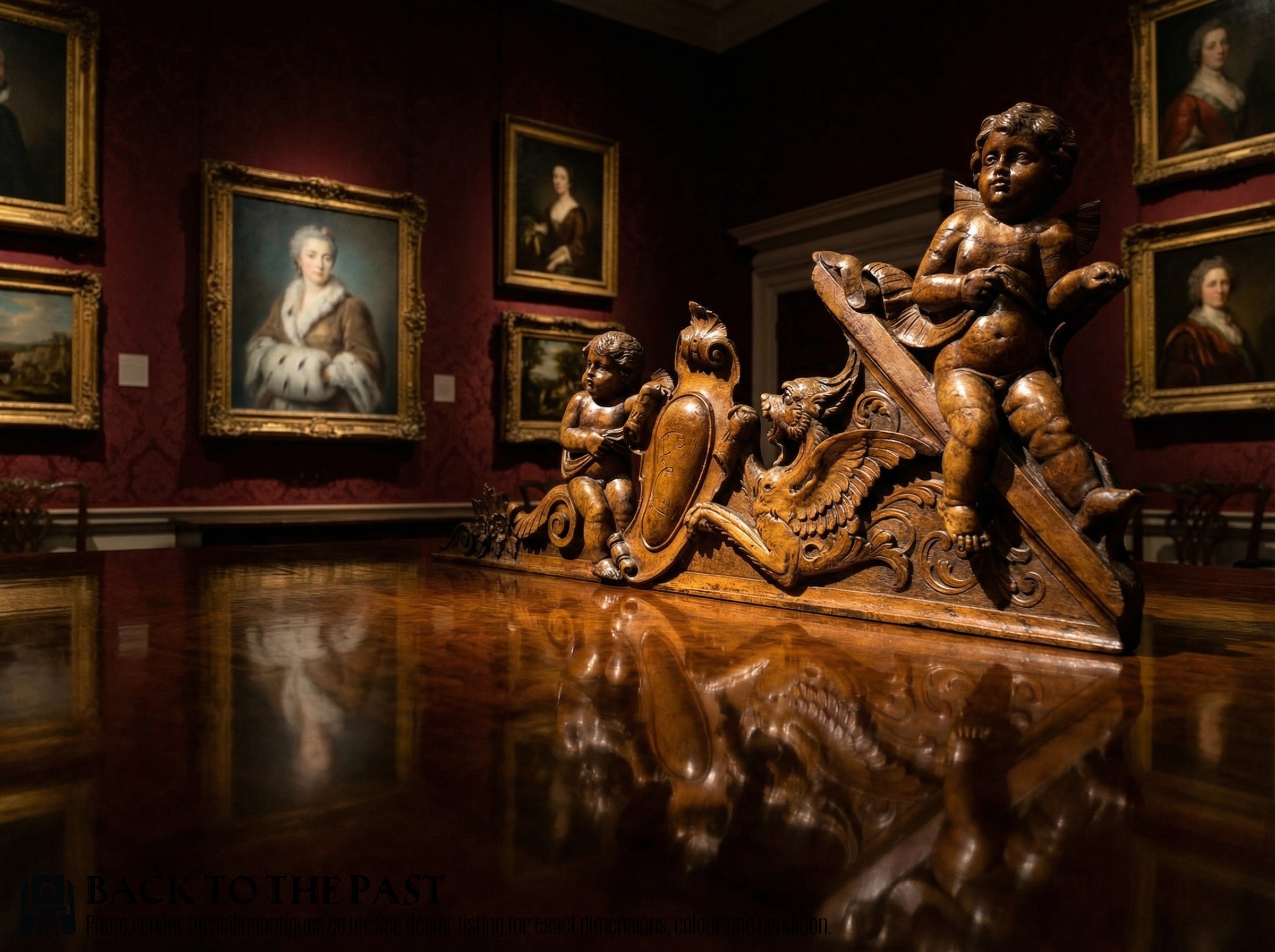
Antique Wood Relief
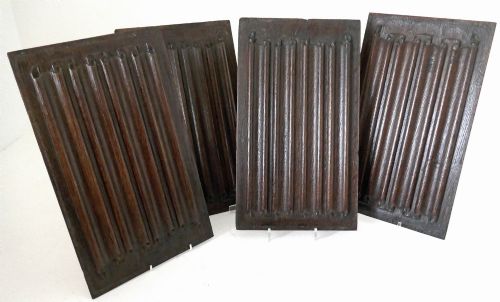
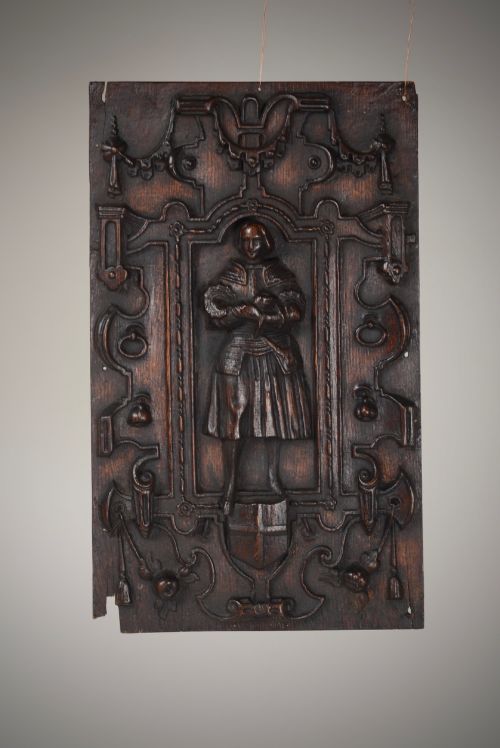
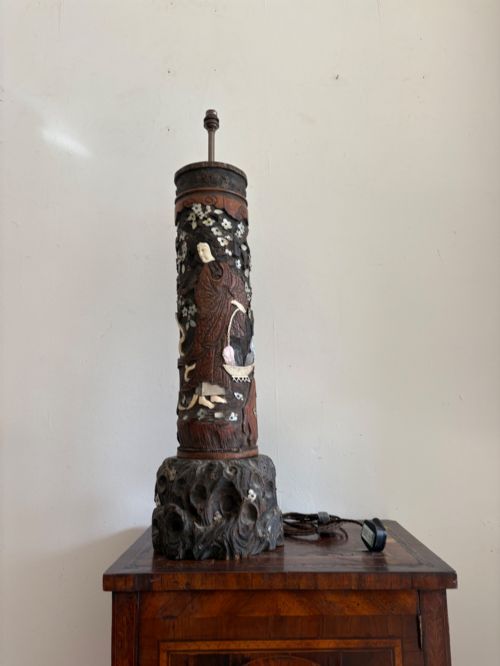
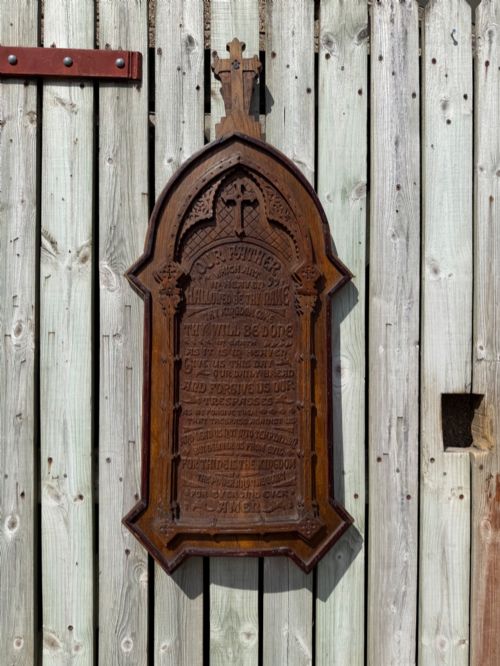
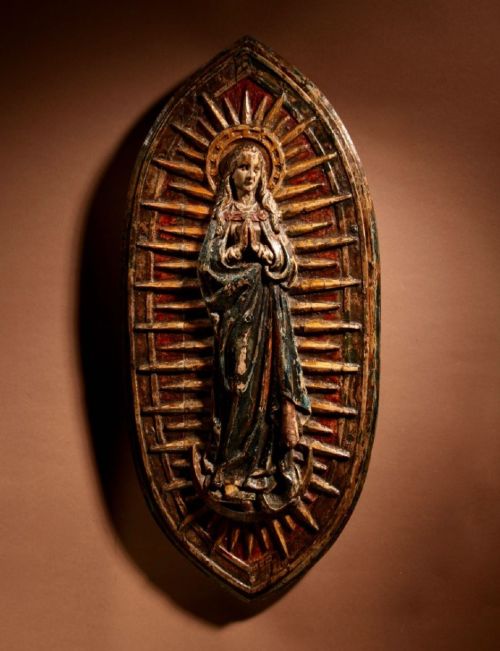
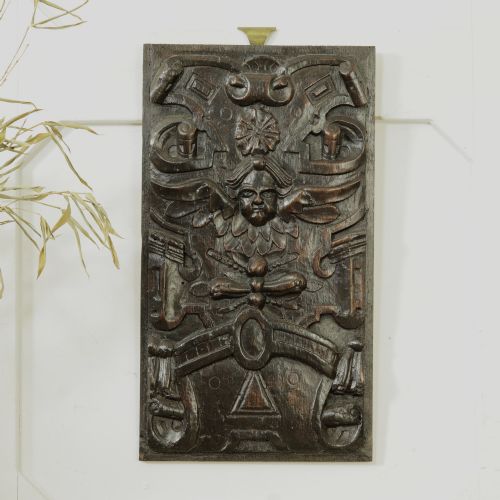
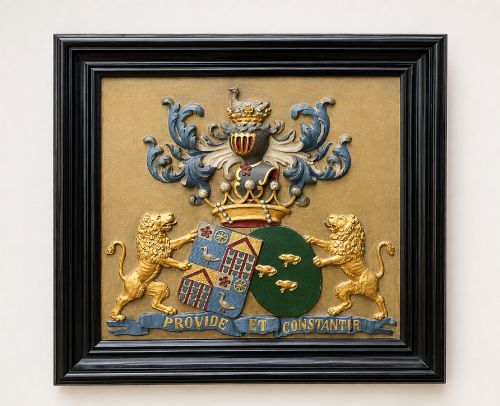
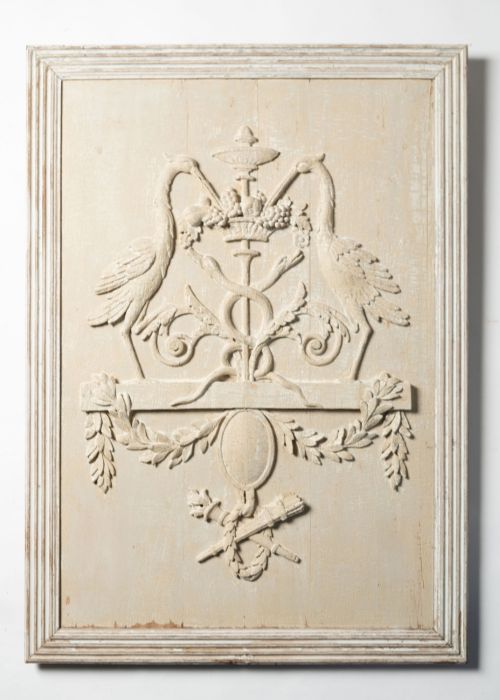
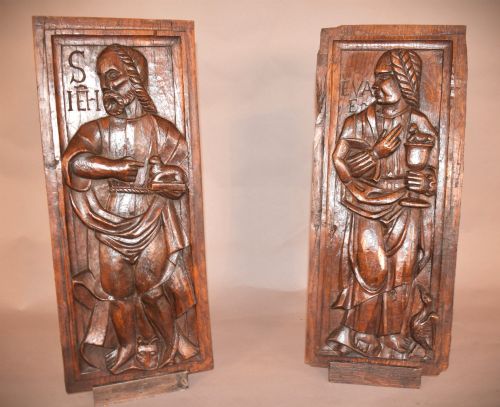
When you search for antique wood relief, you encounter carved panels, architectural salvage, and wall plaques spanning from the sixteenth century to the Victorian era. The most frequent examples on this page are oak panels originating from the sixteenth and seventeenth centuries, often featuring linenfold patterns or figural scenes.
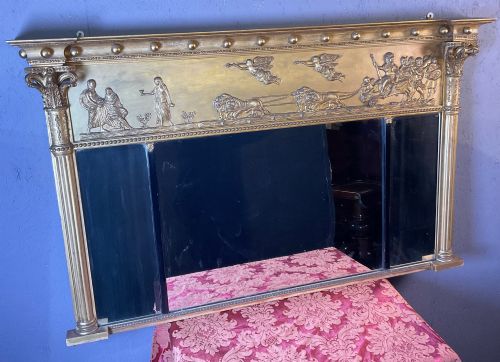
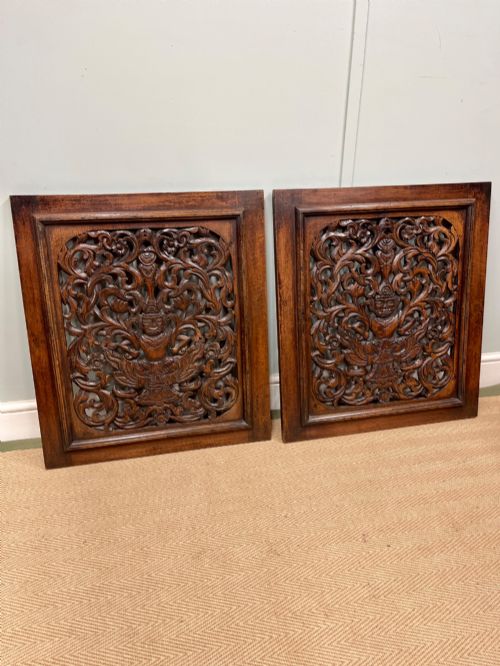
The selection extends to larger architectural fragments, giltwood temple carvings, and mirrors incorporating carved wood elements. Pieces range from British oak carvings to Chinese hardwood screens and Burmese panels, reflecting diverse regional woodworking traditions across the centuries.
How they were made
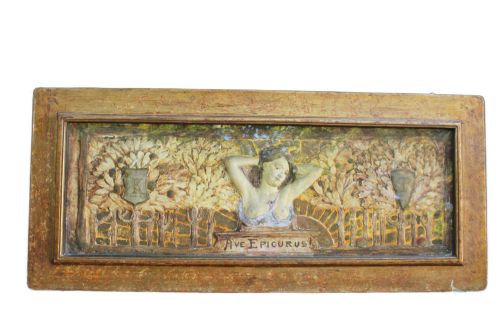
Carpenters and carvers shaped these pieces using solid timbers like oak, walnut, and chestnut, employing chisels and gouges to build high and low relief designs. Many surfaces received supplementary finishes including gesso, gold leaf, polychrome paint, or lacquer to enhance the visual impact of the carved imagery.
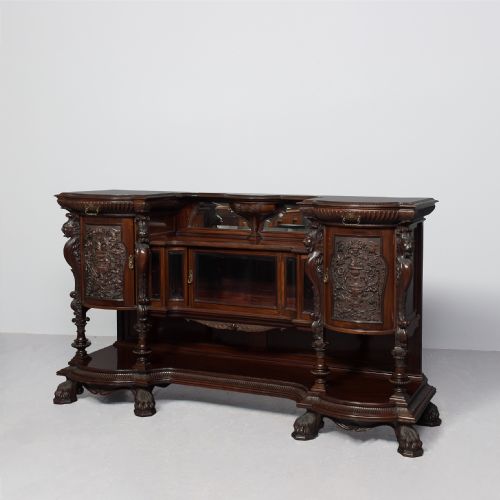
Makers constructed panels through mortise and tenon joinery or applied carved elements directly to larger timber backings, such as cabinets, mirrors, and architectural overmantles.
Materials recorded across the inventory include carved wood, gesso, gold leaf, glass, and lacquer.
What varies in quality
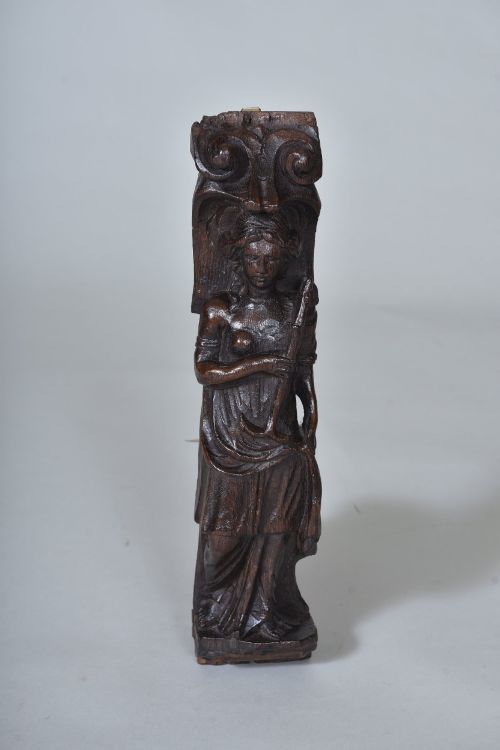
The standard of execution in the carving separates workshop output, ranging from stiff, repetitive foliage to deeply undercut figures with expressive anatomical detail and fluid drapery. The preservation of original surface treatments, such as early polychrome paint or gilding, alters the integrity of the piece.
Structural cohesion also matters, as panels that retain their original timber frames and stable joints stand apart from heavily altered architectural fragments.
The Antique Wood Relief Glossary
- Relief
- A sculptural technique where figures or designs project from a flat background. High relief projects significantly from the surface, while low relief remains flatter.
- Linenfold
- A style of wood panel moulding carved to resemble folded cloth or linen. It is commonly found on sixteenth-century oak panels.
- Gesso
- A plaster-like mixture applied to wood surfaces to prepare them for painting or gilding. It provides a smooth base for fine decorative work.
- Polychrome
- Painted in several colours. This finish appears on early wooden sculptures and panels to add realism.
- Overmantle
- A decorative structure placed above a fireplace mantel. These often incorporate large mirrors, carved wood panels, or architectural framing.
Antique Wood Relief: Frequently Asked Questions
How do I hang a heavy wood relief panel safely?
Heavy carved oak or hardwood panels require secure wall fixings distributed evenly across the timber frame or backing. Use appropriate wall anchors suited to the weight of the specific piece.
Consult a professional framer or installer if the panel lacks built-in hanging hardware or requires a custom wooden cleat for safe wall mounting.
How should I clean an antique wood relief?
Dust the carved surfaces gently with a soft, dry brush to remove particles settled within deep recesses. Avoid using wet cloths or harsh chemical cleaners.
Unfinished timber benefits occasionally from minimal conditioning, but painted or gilded surfaces require dry maintenance to preserve fragile historical finishes.
How can I tell a sixteenth-century panel from a later copy?
Examine the back of the timber for tool marks, seasoning cracks, and signs of hand-adzed preparation consistent with early woodworking methods. Genuine sixteenth-century oak panels often display shrinkage and pegged joinery.
Style, wood species, and wear patterns around handling points also help distinguish period carvings from later revival pieces.
Were these panels originally part of larger furniture?
Many antique wood relief panels originated as components of altarpieces, church screens, wall panelling, or large cabinets before being detached. Architectural salvage pieces frequently represent surviving fragments of dismantled interiors.
Over time, individual panels were often framed separately to serve as standalone wall art.