

Antique Wood Organizer
An antique wood organizer keeps desks and hallways tidy using rich hardwoods like mahogany and rosewood.
Antique Wood Organizer
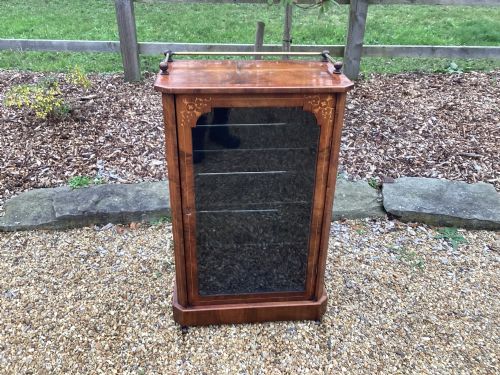
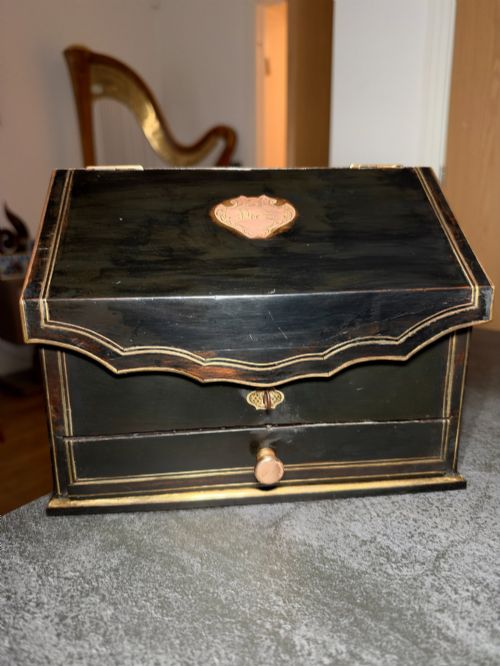
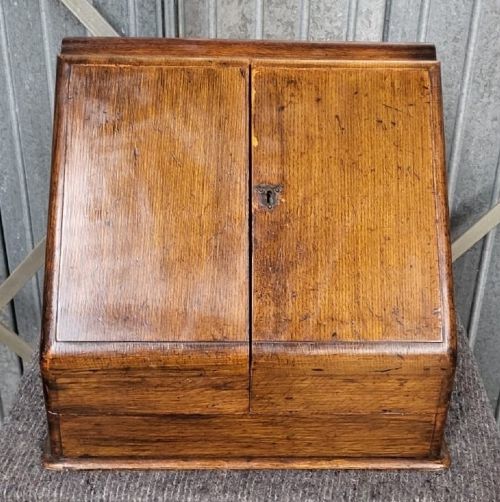
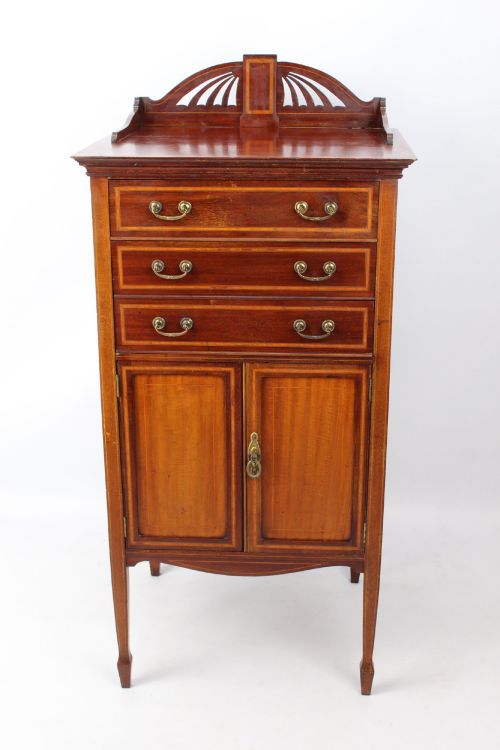
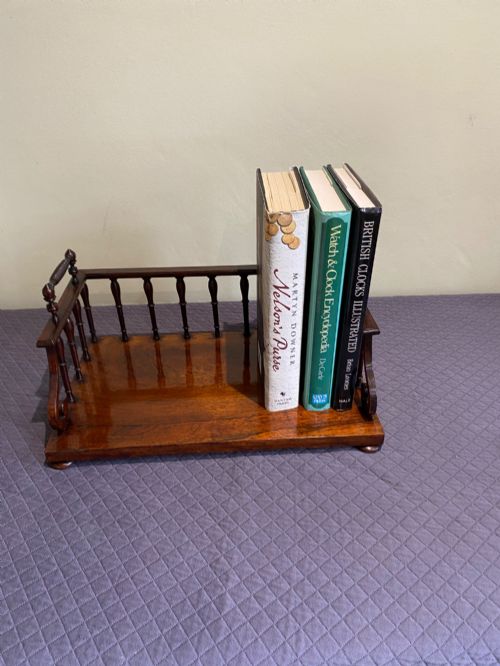
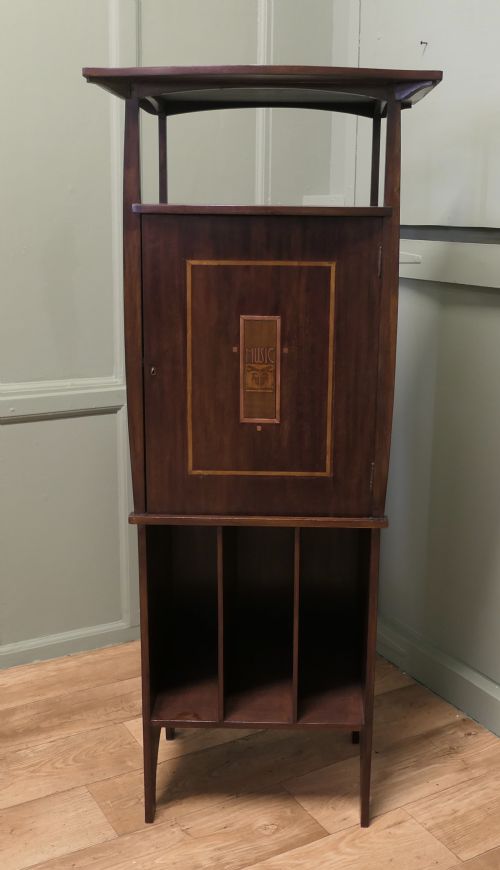
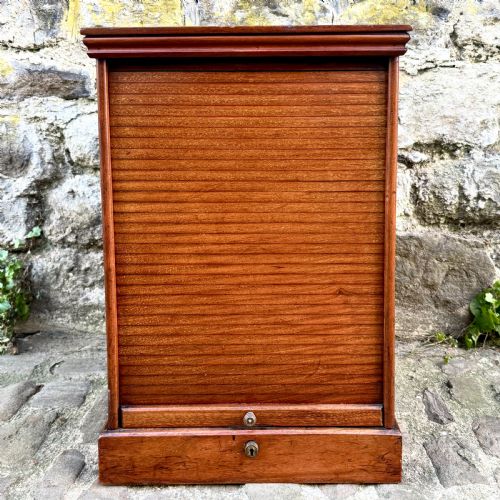
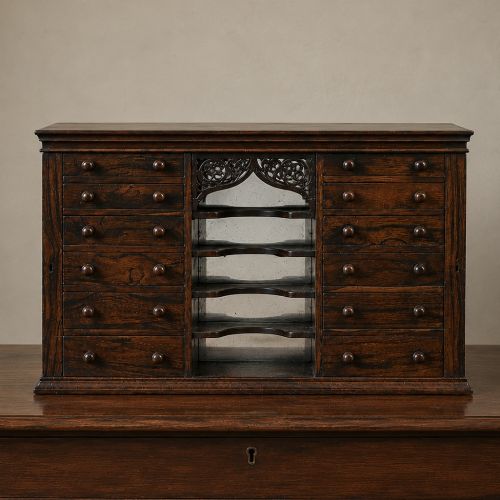
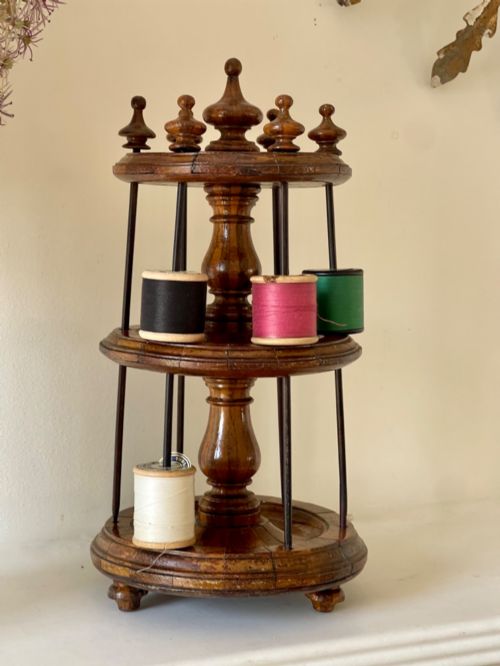
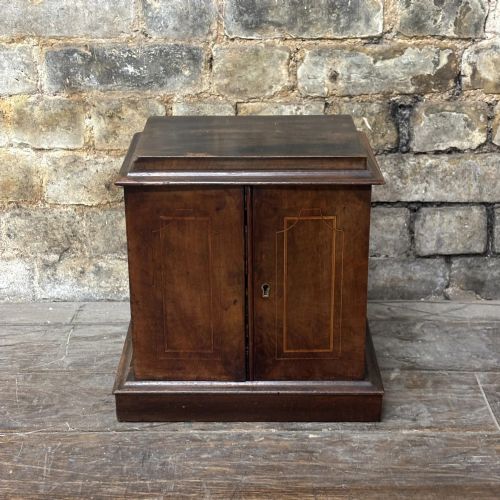
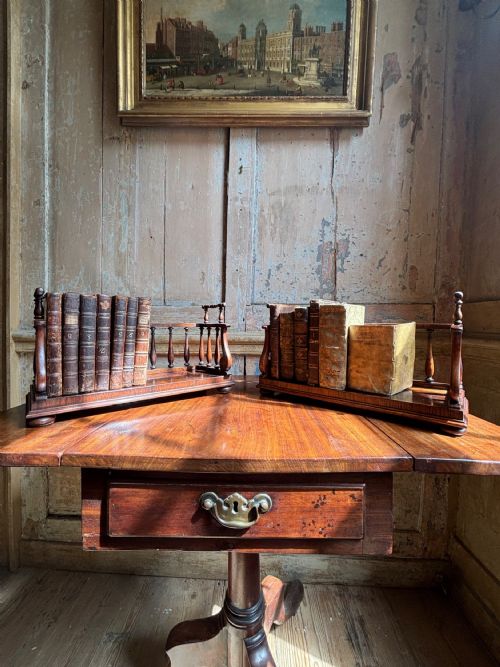
When searching for an antique wood organizer, buyers encounter various functional pieces designed to sort correspondence, books, and desk accessories. The selection spans distinct periods from the Georgian era through the Edwardian years, showcasing forms such as stationery cabinets, letter holders, and book carriers.
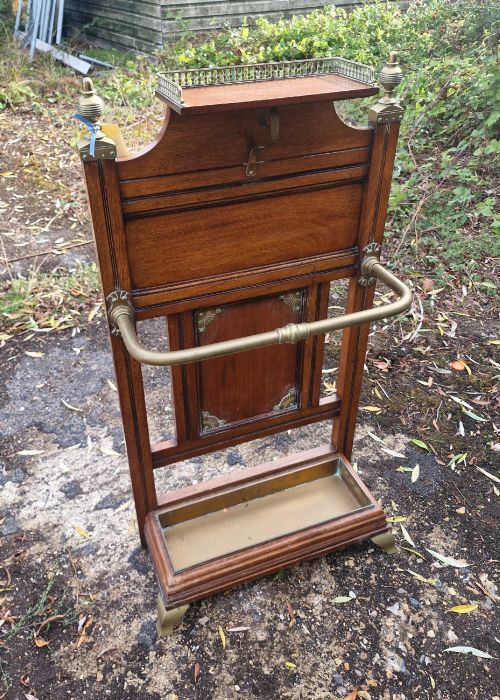
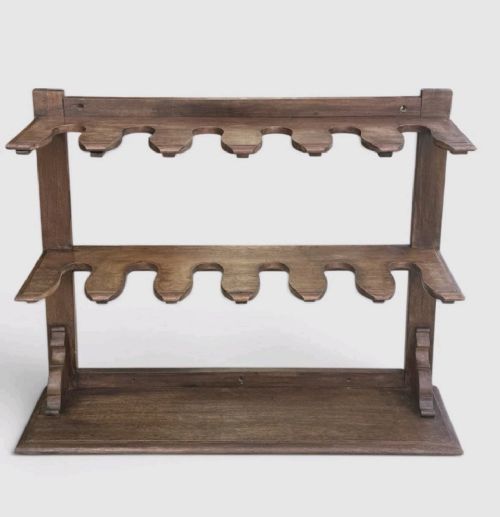
Specialised storage pieces like boot racks, cutlery trays, and collectors cabinets also fall under this grouping. Each object reflects the domestic and writing habits of past centuries through dedicated compartments and slotted interiors.
Materials and construction methods
Cabinet makers utilised dense hardwoods such as mahogany, rosewood, oak, and yew to build durable organisers. These timbers often received inlaid details, hand carvings, or specialised surface treatments like Tunbridge Ware mosaics to enhance their visual appeal.
Metal fittings in brass, along with glass and mother of pearl accents, complemented the primary wooden structures. Hinged lids, extending mechanisms, and revolving joints required precise joinery to ensure smooth operation over decades of daily use.
Antique Wood Organizer Retail Price Guide 2026
Typical asking prices for wood organizer among the pieces listed under this phrase on Sellingantiques today, from the lower quarter to the upper quarter. They describe what is for sale here now, not the wider market.
Listings feature mahogany, rosewood, and oak across styles spanning the Georgian era to the Edwardian period.
Distinctions in craftsmanship
The standard of an antique wood organizer depends largely on the selection of timber and the precision of the joinery. Finer examples display carefully matched grain patterns, subtle inlay work, and integrated hardware that functions without binding.
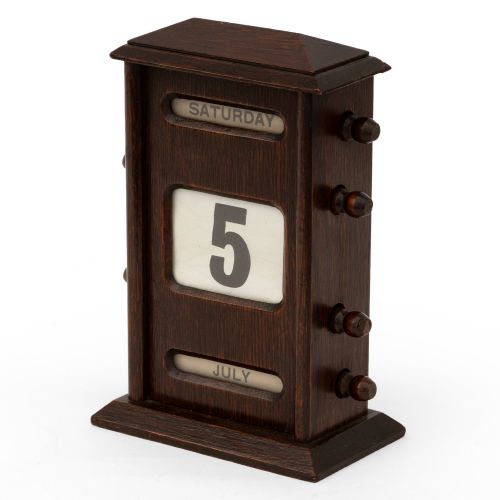
Detailing such as hand-carved elements, well-fitted internal dividers, and the inclusion of original working locks or perpetual calendars elevate certain pieces. Simpler utility items rely purely on robust construction rather than decorative embellishment.
GM Elwood·JS Henry·Edmund Nye
The Antique Wood Organizer Glossary
- Correspondence box
- A dedicated lidded container designed to hold writing paper and envelopes. These boxes frequently feature fitted internal compartments and sloping desk fronts.
- Book slide
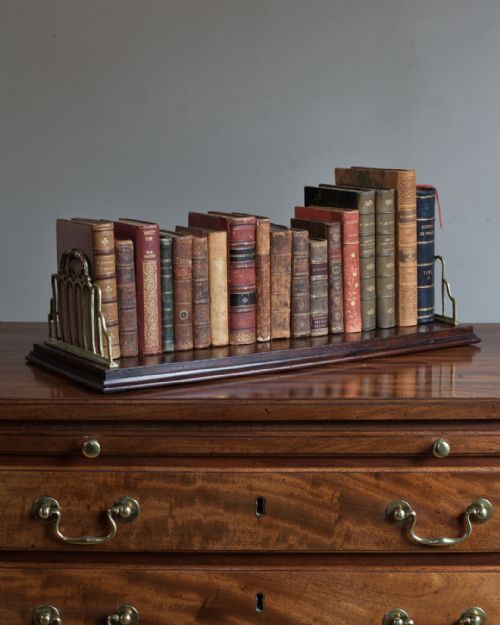
- An extending wooden accessory placed on a table to support a row of books. Metal brackets often link the expanding wooden ends together.
- Tunbridge Ware
- A type of decorative woodwork characterised by tiny mosaic tiles formed from different coloured woods. These geometric patterns decorate the surfaces of small boxes and desk accessories.
- Canterbury
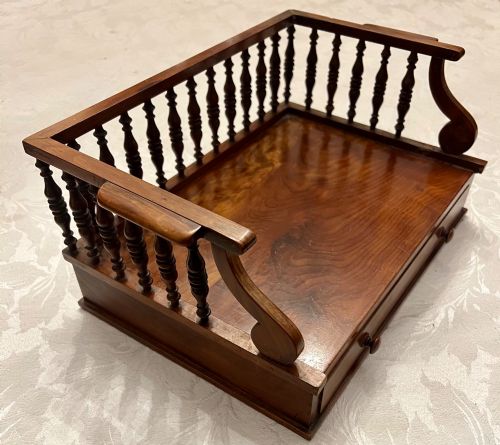
- A partitioned stand originally built for sheet music or books, typically featuring slatted sides and a low drawer. These items often stand on short legs with castors.
- Wellington chest
- A tall narrow chest of drawers secured by a locking hinged stile on one side. This mechanism locks all drawers simultaneously.
Antique Wood Organizer: Frequently Asked Questions
What is an antique wood organizer used for?
These pieces served practical organisational roles in homes and offices for sorting letters, documents, and books. Interiors typically contained dedicated slots for stationery, inkwells, and writing implements.
Today, they function similarly on modern desks or hallway tables, providing compact storage for contemporary mail, notebooks, and small everyday items while displaying period craftsmanship.
How do I date an antique wood organizer?
Dating relies on identifying the prevailing style, construction techniques, and secondary woods used in the piece. Georgian and Regency examples often show clean architectural lines and dense mahogany or rosewood, whereas Victorian items frequently feature heavier carvings or Gothic influences.
Edwardian pieces tend to display lighter satinwood inlays and simpler proportions. Examining internal fixtures, hinges, and screw types also helps establish the approximate decade of manufacture.
Are these organisers sturdy enough for daily use?
Most pieces were constructed from durable hardwoods like oak and mahogany to withstand regular handling in busy Victorian and Edwardian households. Their robust joinery generally remains sound after a century or more.
Gentle treatment helps preserve delicate surface finishes, inlaid details, and moving parts such as extending book slides or hinged stationery lids during everyday domestic routines.