
Antique Wood Inlay Box
An antique wood inlay box brings tactile warmth and precise craft to a desk or dressing table, offering a glimpse of centuries of detailed joinery.
Antique Wood Inlay Box
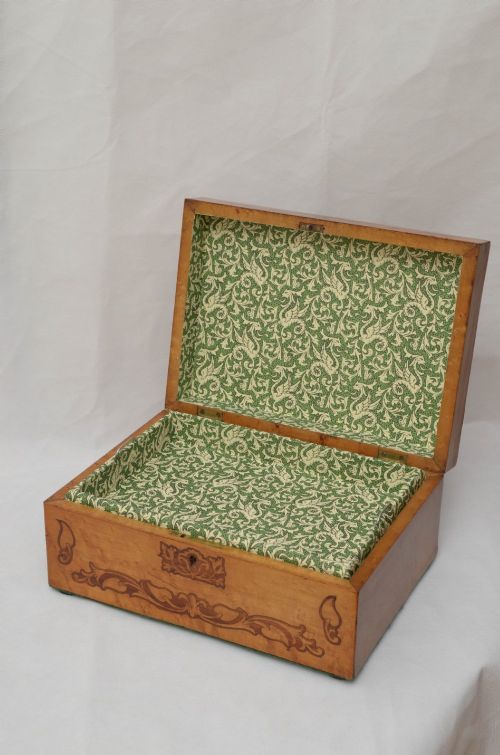
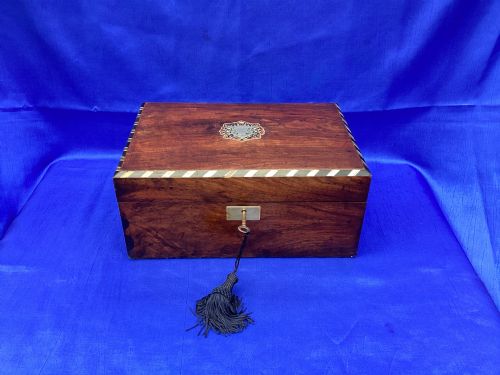
An antique wood inlay box spans practical containers created to hold jewellery, correspondence, tea, or writing implements across the Georgian, Victorian, and Edwardian eras. These pieces rely on contrasting timbers and fitted compartments to organise small valuables while displaying decorative skill.
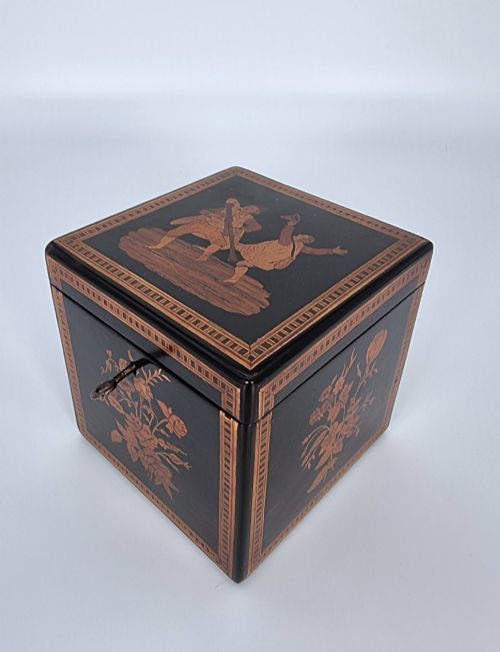
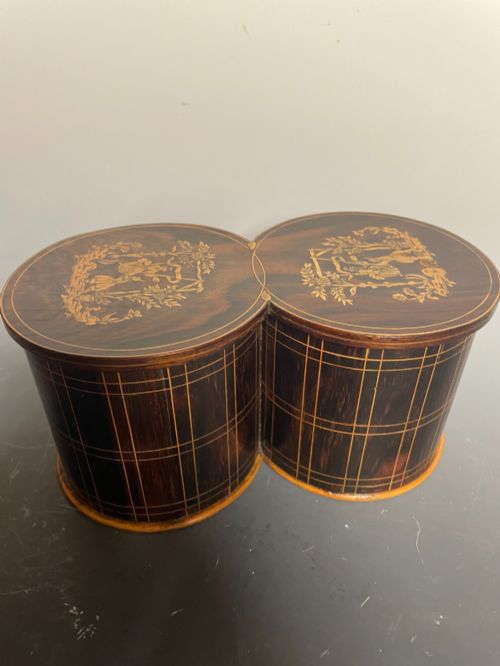
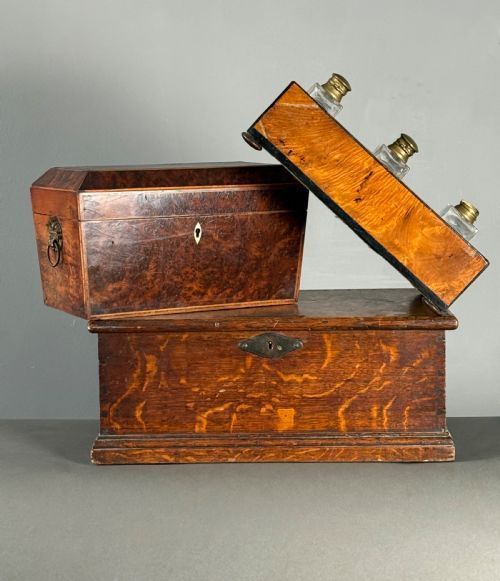
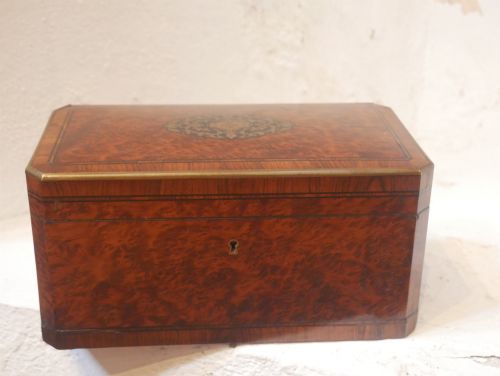
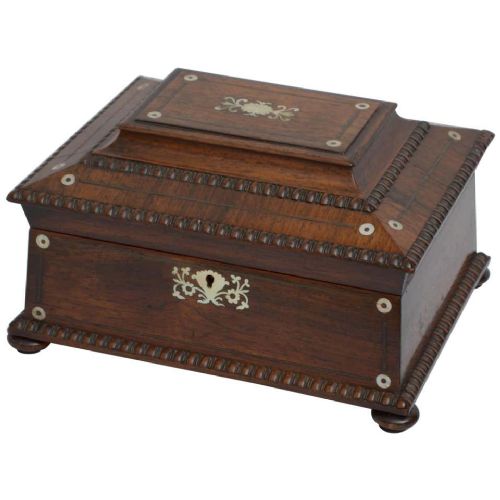
The most common forms met on this page include rosewood or mahogany jewellery cases, writing slopes, and tea caddies produced in England and continental Europe during the nineteenth century. Many feature delicate geometric or botanical banding set into the primary lid and sides.
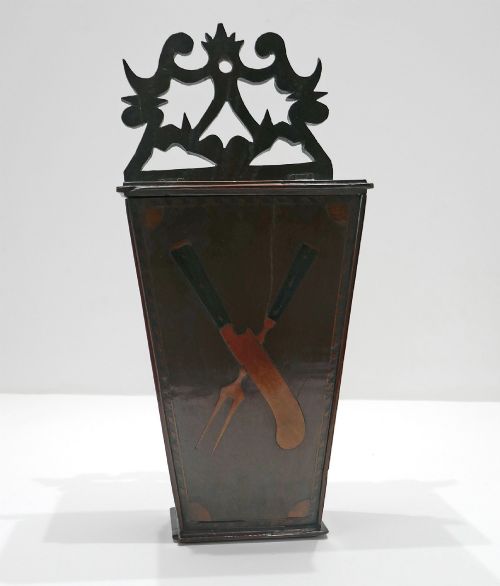
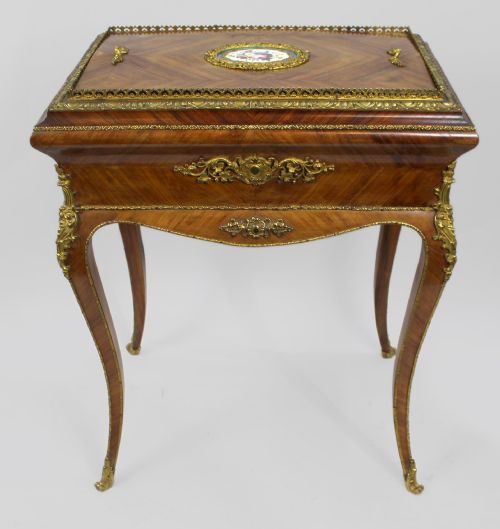
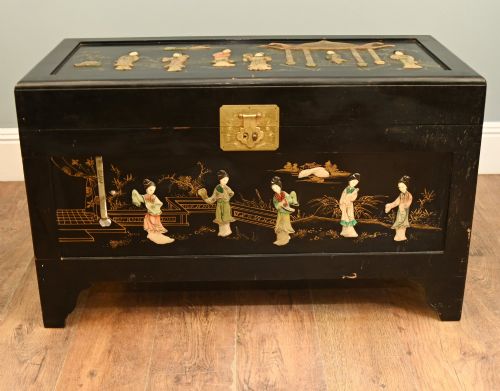
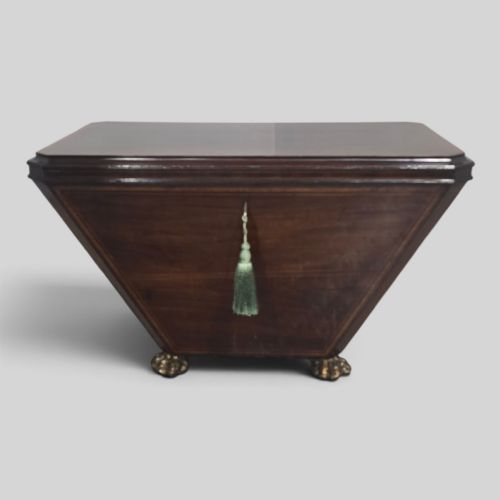
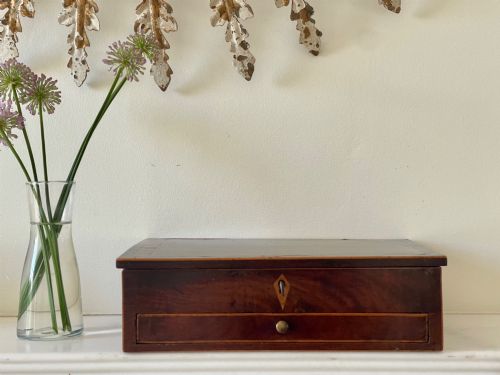
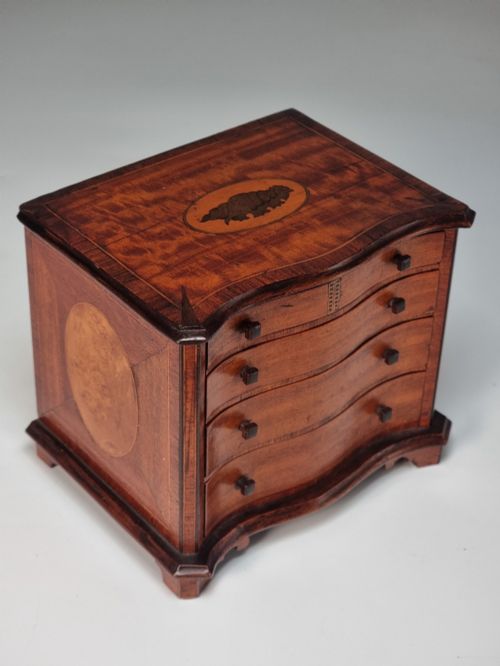
Beyond standard tabletop containers, the selection incorporates larger trunks, stationery cabinets, and smaller desk tidies utilising similar decorative banding. Each object serves a domestic function rooted in period storage needs.
Materials and construction methods
Craftsmen built these containers using dense hardwoods such as mahogany, rosewood, and satinwood, frequently applied as veneers over a stable secondary timber core. This method allowed makers to exploit richly figured grains while maintaining structural stability across changing indoor climates.
Inlay and marquetry details employed contrasting woods like boxwood and ebony, alongside natural additions such as mother-of-pearl, bone, and engraved brass wire. Artisans recessed these elements by hand into shallow channels carved directly into the primary surface.
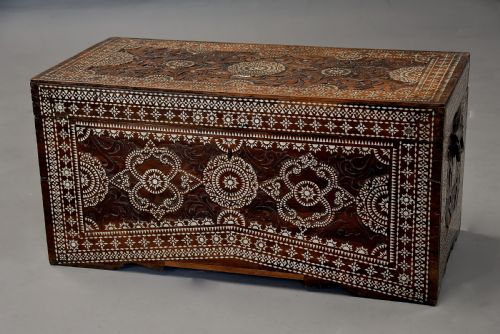
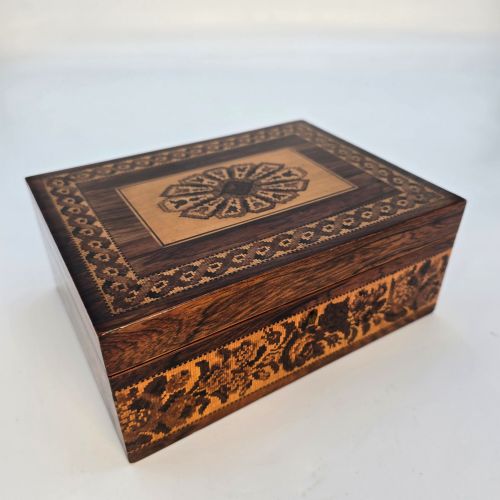
Specialised workshops also utilised specific regional techniques, from Tunbridge Ware mosaic assembly to intricate Middle Eastern geometric banding, securing each piece with animal glue and finishing the exterior with shellac polish.
A few ingenious nineteenth-century boxes double as miniature footwear or concealed shoe snuff containers for tobacco.
Judging standard and execution
Quality rests upon the precision of the joinery and the snugness of the fitted interior compartments, where tight mitre joints and smooth lid alignment distinguish finer workshops from mass production. The crispness of the contrasting inlay work, free from excessive filler, signals patient hand-cutting.
The choice of primary timber and the complexity of the internal layout heavily influence the standing of a piece, with figured burr veneers and original silk linings commanding attention. Surviving original working locks and key escutcheons add to the structural integrity.
Wear patterns tell a story of careful ownership when the polish retains a soft lustre rather than a harsh modern sheen, and when applied details remain entirely flush with the surrounding wood grain.
Tahan Paris·Edwards and Roberts·A. F. Lloyd·Edmund Nye·James Shoolbred and Co·Henry Hollamby
The Antique Wood Inlay Box Glossary
- Inlay
- The technique of embedding pieces of wood, metal, or shell into a hollowed-out surface to form a flat decorative pattern. This method contrasts materials to create borders and geometric motifs.
- Marquetry
- The art of forming decorative veneers from thin pieces of wood and other substances applied to a structural carcase. It produces complex pictorial or floral designs across lids and tabletops.
- Tunbridge Ware
- A distinct form of woodworking characterised by mosaic patterns assembled from thousands of tiny tinted wood blocks. Named after the English town of production, it creates detailed pictorial panels.
- Tea Caddy
- A lidded container originally designed to store loose tea leaves securely under lock and key. These boxes often feature internal foil-lined compartments or glass mixing bowls.
- Writing Slope
- A portable desk featuring a hinged, slanted writing surface that folds down to reveal pen trays and storage wells. Many incorporate secret drawers beneath the stationery fittings.
- Sarcophagus
- A box style featuring a stepped, domed lid resembling a stone coffin, popular on Regency and Victorian tea cases. This shape allowed for robust proportions and prominent side handles.
Antique Wood Inlay Box: Frequently Asked Questions
What were antique wood inlay boxes used for?
These containers served specific domestic duties in period homes, functioning as secure receptacles for precious jewellery, private correspondence, or expensive imported tea leaves.
Larger variations acted as portable writing desks or desktop filing systems, keeping personal papers organised in an era before fitted household joinery became common.
How do I care for an inlaid wooden box?
Keep the wood away from direct sunlight and extreme temperature fluctuations to prevent the delicate veneer from shrinking or cracking.
Apply a light application of traditional beeswax polish occasionally to nourish the surface, avoiding modern aerosol sprays entirely.
How can I tell the period of a box?
Examine the construction of the internal compartments, the style of the brass hinges, and the species of wood used for the primary carcass and secondary linings.
Georgian and Regency pieces often show hand-cut dovetails and simpler internal layouts, whereas Victorian examples frequently feature elaborate mother-of-pearl escutcheons and fitted trays.
Are keys usually included with these boxes?
Original working keys are uncommon because centuries of domestic use frequently led to their misplacement in household drawers.
Many period locks remain functional, allowing specialist locksmiths to fit a replacement key if desired.