
Antique Wood Hallway Table
An antique wood hallway table welcomes visitors with period character, offering a practical surface for post and keys just inside the front door.
Antique Wood Hallway Table
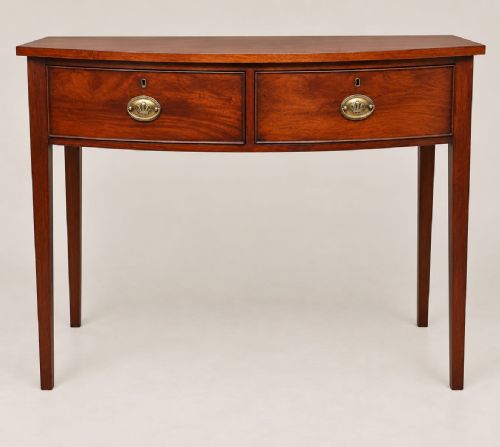
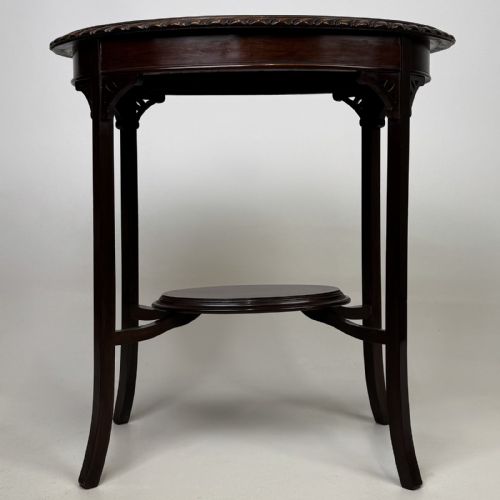
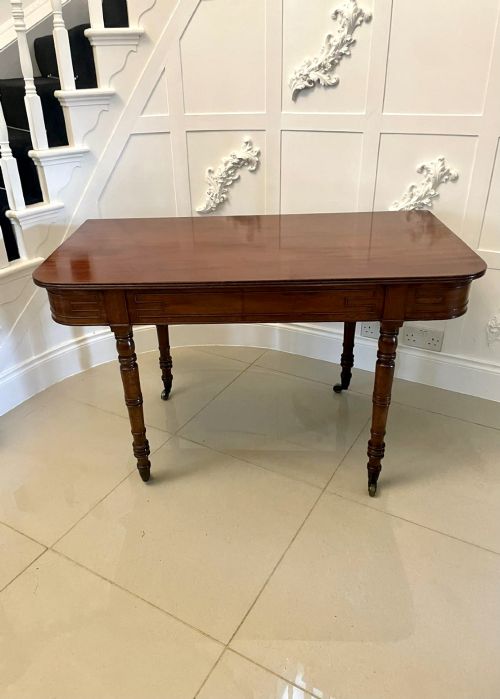
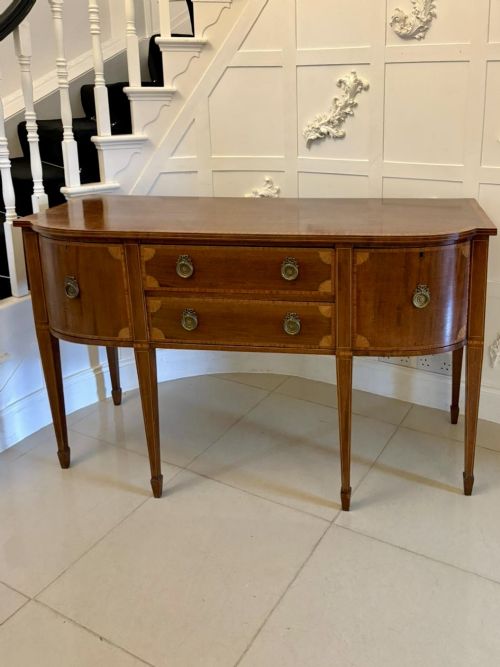
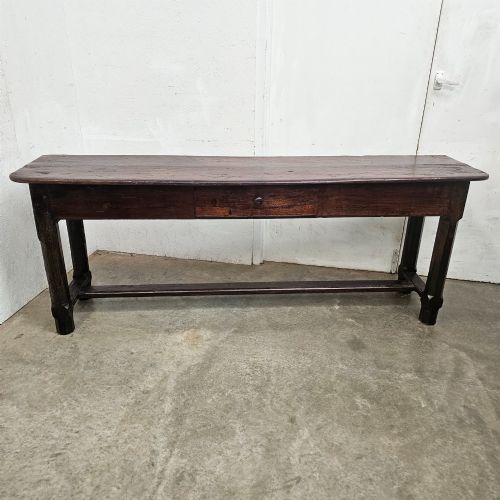
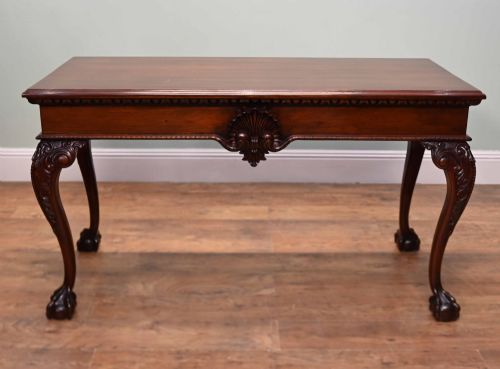
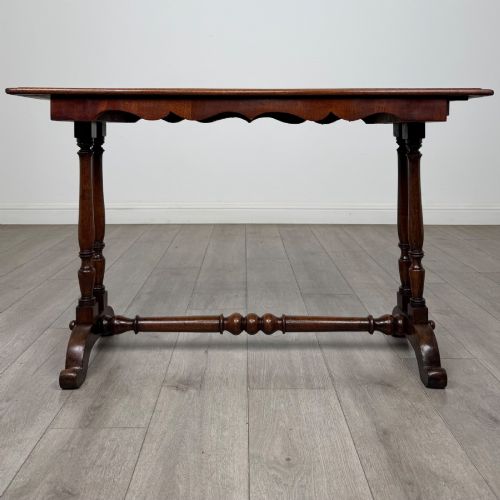
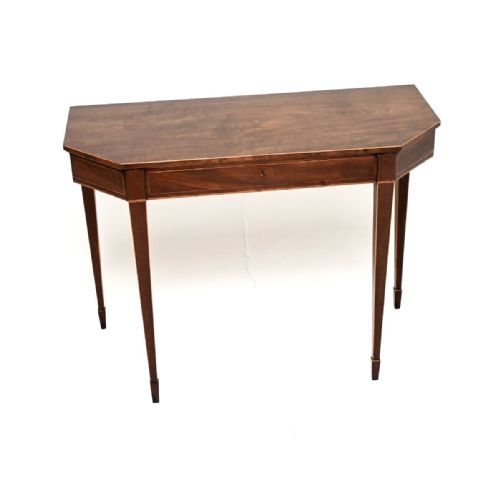
An antique wood hallway table functions primarily as a narrow surface situated in an entrance hall or narrow passage, adopting various forms to suit compact spaces. When searching for an antique wood hallway table, buyers encounter console tables, side tables, serving tables, and demi lune shapes designed to stand flat against a wall.
The pieces listed span multiple historical periods, ranging from seventeenth-century Spanish walnut to eighteenth-century Georgian mahogany and nineteenth-century Victorian designs. French console tables with giltwood finishes and English oak side tables appear alongside Art Deco examples and Edwardian inlaid mahogany pieces.
Makers and origins vary widely across these items, incorporating English country furniture, French serpentine fronts, Italian carved desks, and Chinese Hongmu altar tables. Buyers most frequently meet nineteenth-century mahogany items and twentieth-century walnut or oak narrow side tables within this selection.
Materials and construction methods
Cabinet makers utilised dense hardwoods such as mahogany, oak, walnut, burr walnut, and pitch pine to build sturdy tables capable of daily household use. Timber surfaces frequently feature figured grain patterns, while specific pieces incorporate marble tops, brass mounts, iron elements, or giltwood detailing.
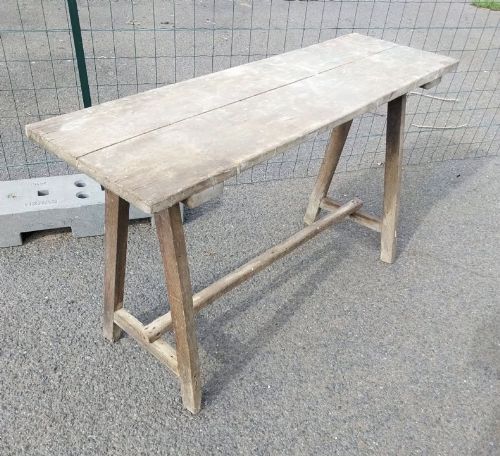
Construction techniques combine traditional joinery with decorative carving, inlay work, and painted finishes seen on neo-classical and French stylistic examples. Scrubbed pine and padauk wood further demonstrate the diverse regional timbers employed by makers across different centuries.
Materials represented across the selection include mahogany, oak, walnut, pitch pine, marble, brass, iron, and giltwood.
Assessing quality in period tables
Quality depends heavily on the selection of timber, where richly figured mahogany, burr walnut, or dense Hongmu distinguish finer pieces from simpler utilitarian pine or oak items. The crispness of hand-carved ornamentation and the subtlety of inlaid details separate standard production from superior craftsmanship.
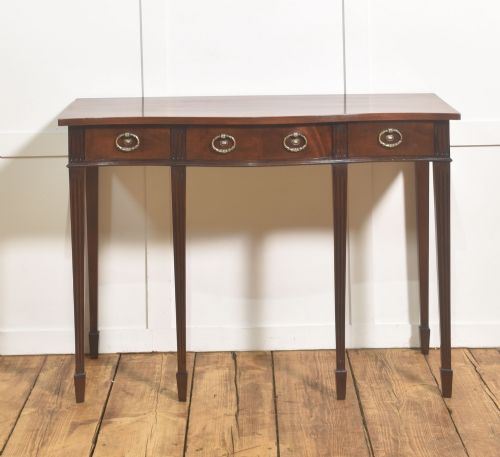
Proportion dictates visual success in narrow spaces, making slender legs, balanced overhangs, and neat demi lune or serpentine curves desirable traits for hallways. The integration of auxiliary materials like marble tops or original brass hardware also elevates the standing of an individual console or side table.
Fortnum and Mason
The Antique Wood Hallway Table Glossary
- Console table
- A table designed to be fixed against a wall, often supported by two front legs with the rear secured to the wall structure. These pieces frequently feature decorative carving or giltwood frames suited to formal reception rooms and hallways.
- Demi lune
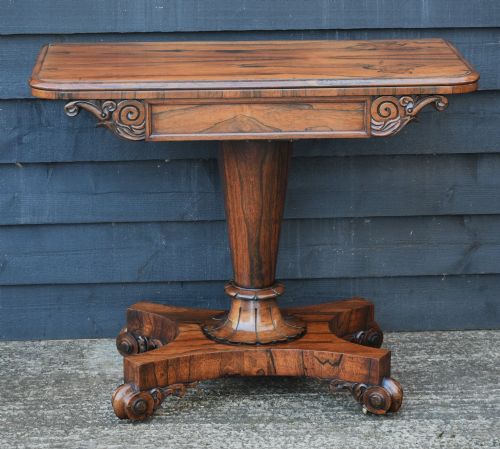
- A half-moon shape used for tabletops and cabinet fronts, allowing the furniture to sit flush against a wall while occupying minimal floor space. Eighteenth-century examples often incorporate fold-over mechanisms to serve as tea tables.
- Serving table
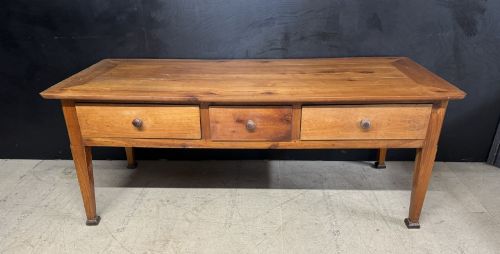
- A large, sturdy table historically used in dining rooms for presenting food before or during meals, possessing generous proportions and robust timber construction. Many surviving examples translate well into large hallways as statement console surfaces.
- Washstand
- A functional piece of bedroom furniture equipped to hold basins and jugs, often featuring timber tops and lower shelves that adapt effectively to modern hallway storage needs.
- Hongmu
- A traditional Chinese term denoting dense, dark hardwoods used in fine cabinet making, frequently seen in altar tables and scholarly furniture.
Antique Wood Hallway Table: Frequently Asked Questions
What is an antique wood hallway table used for?
These pieces provide a convenient surface in entryways for dropping keys, placing post, or displaying decorative objects like lamps and vases. Their narrow profiles ensure they do not obstruct narrow corridors or doorways.
Historically, many served different domestic functions such as serving food, writing letters, or holding washbasins before finding new roles in modern hallways.
How do I measure for a narrow hallway table?
Measure the available floor space along your wall, paying careful attention to the depth of the table so it leaves enough clearance for people to walk past comfortably. Consider the swing of nearby doors to ensure they clear the edges of the furniture.
Height is equally important, particularly if the table sits beneath a mirror, window, or coat rack mounted on the wall.
Can I use a side table as a console table?
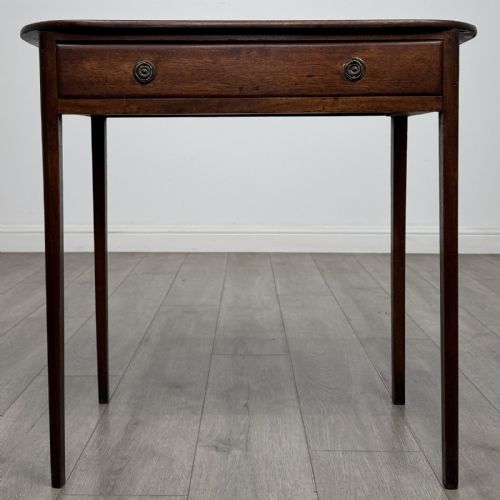
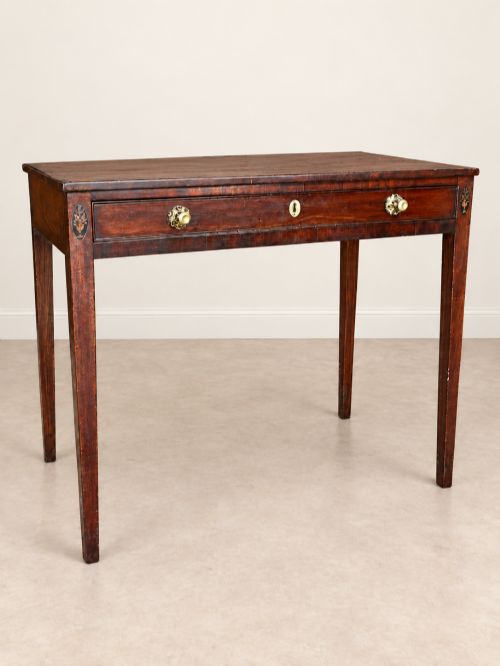
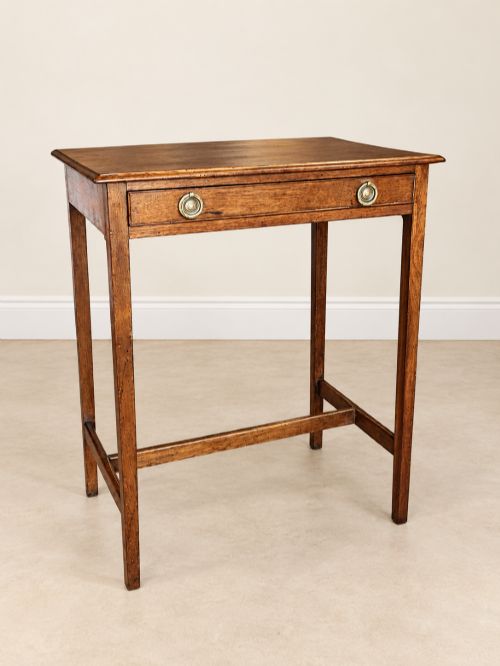
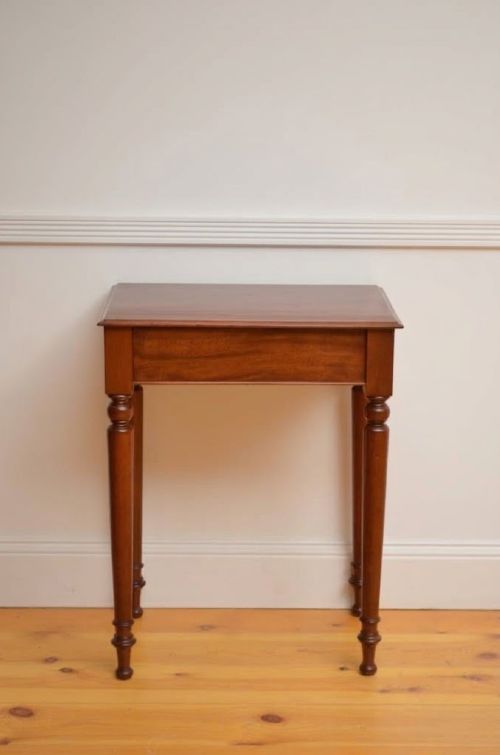
Side tables function exceptionally well in hallways because their dimensions mirror those of traditional console tables. Many side tables feature drawers or narrow wooden tops well-suited for hallway storage.
Georgian and Victorian side tables offer the same aesthetic presence and slim profiles required for entrance spaces.
How do I tell an 18th-century table from a 19th-century one?
Eighteenth-century tables often display simpler, elegant proportions associated with Georgian design, utilising solid mahogany with hand-cut joinery and minimal applied ornamentation. Nineteenth-century pieces frequently embrace revival styles, incorporating heavier carving, gallery rails, or marble tops.
Examining the underside, drawer linings, and timber patination helps reveal the age and construction methods typical of each period.