

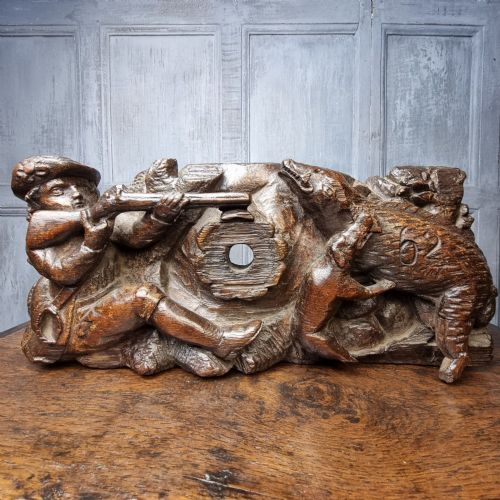


Antique Wood Fragment
An antique wood fragment carries centuries of architectural history into a room, offering tactile remnants of medieval, baroque and renaissance craftsmanship.
Antique Wood Fragment
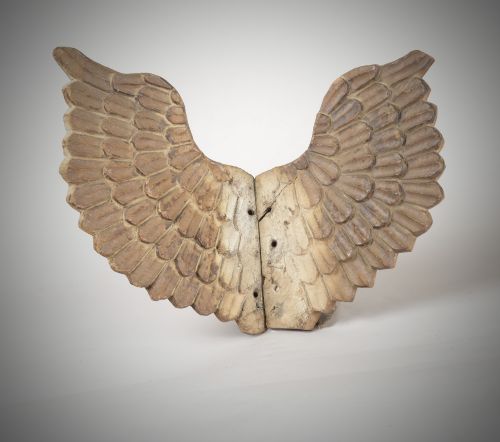
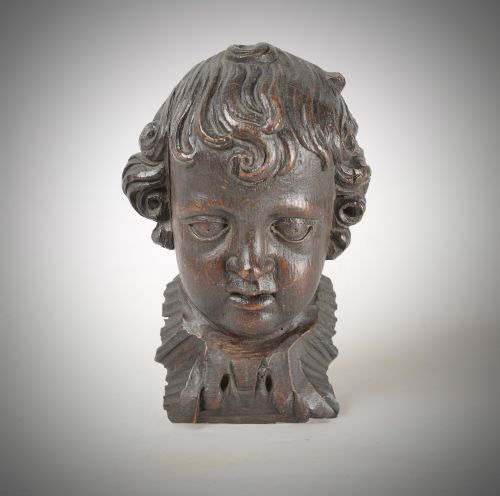
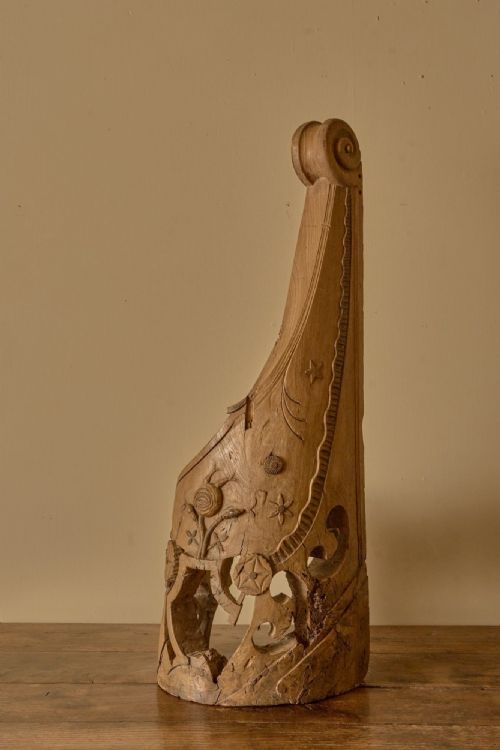
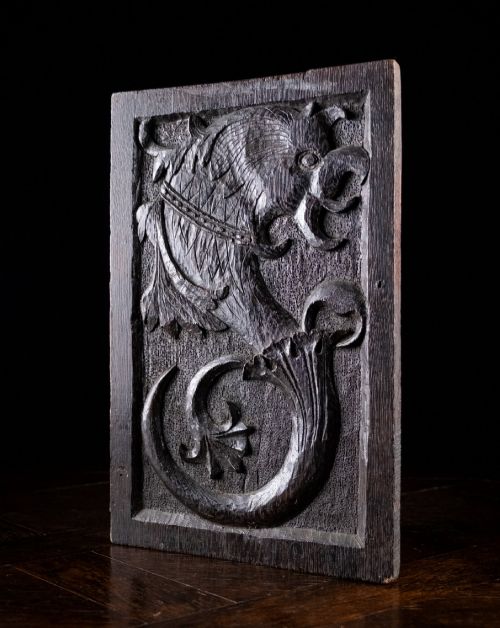
When you search for an antique wood fragment, you are looking at remnants of historic buildings, furniture and religious altarpieces rescued from demolition or decay. These survivals range from small architectural carvings and ceiling bosses to large wall panels and figural reliefs.
The most common examples encountered on this page are oak panels and carvings originating from the seventeenth and eighteenth centuries. Alongside these British and European works, you will find items spanning the sixteenth century up to early twentieth century fairground rides.
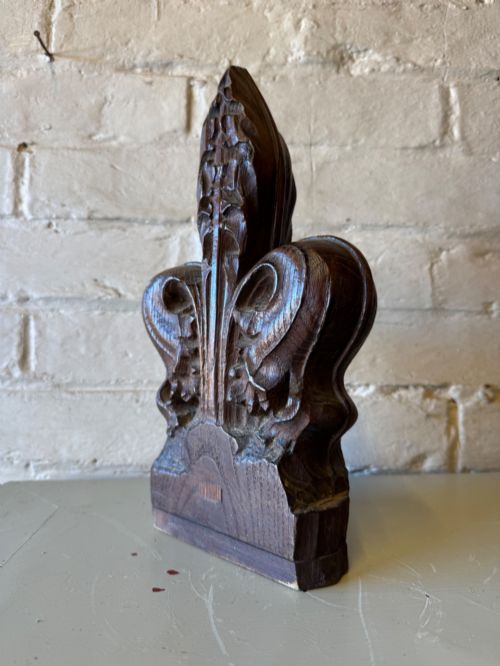
Forms vary widely according to their original architectural context, including friezes, pediments, poppy head finials and figurative sculptures. Each piece tells a story of lost structures and displaced craftsmanship.
Materials and construction methods
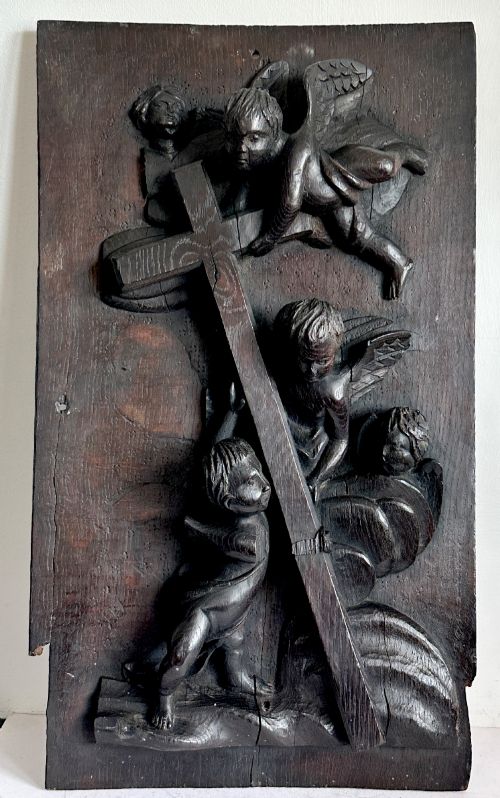
Oak and walnut dominate the medium, providing dense grounds for deep relief carving and structural longevity. Artisans worked these native hardwoods using chisels and gouges to build intricate vegetative motifs, tracery and figural scenes.
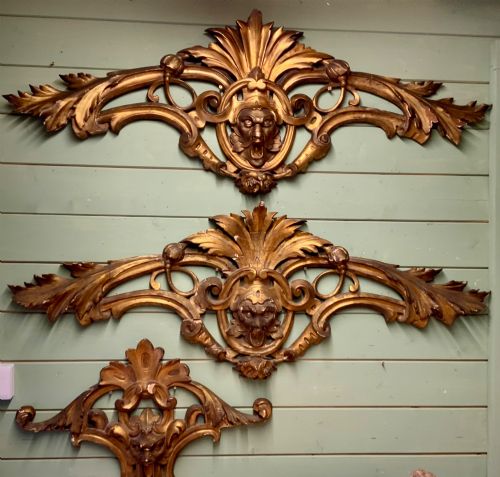
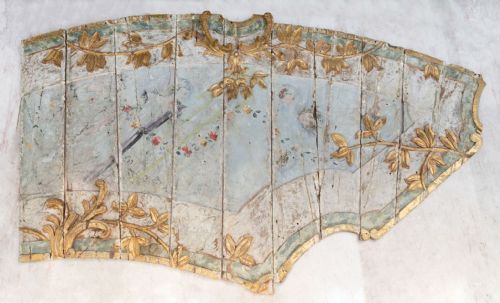
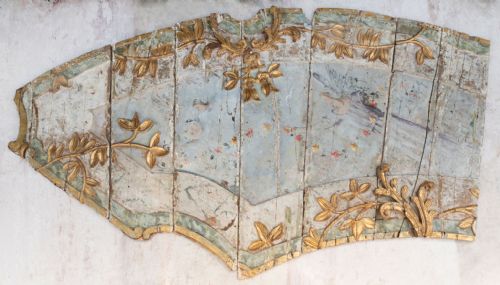
Surface treatments frequently involve gesso and gold leaf or parcel gilt highlights applied over the bare timber. Polychrome paint and stained finishes also appear on specific regional works, preserving traces of earlier decorative schemes.
Antique Wood Fragment Retail Price Guide 2026
Typical asking prices for wood fragment among the pieces listed under this phrase on Sellingantiques today, from the lower quarter to the upper quarter. They describe what is for sale here now, not the wider market.
Factors of quality and execution
Quality rests entirely on the sharpness of the chisel work and the depth of the relief carving. Superior pieces display anatomical accuracy in figures and crisp undercut details in foliage that separate master workshops from provincial joinery.
The preservation of original surface finishes, such as gold leaf and early paint layers, elevates a piece significantly. Retaining authentic structural context without excessive modern restoration preserves the historical integrity of the fragment.
The Antique Wood Fragment Glossary
- Poppy head
- An ornamental finial topping the end of a bench seat, often carved with foliage or grotesque figures. These elements are typical of medieval and gothic ecclesiastical architecture.
- Ceiling boss
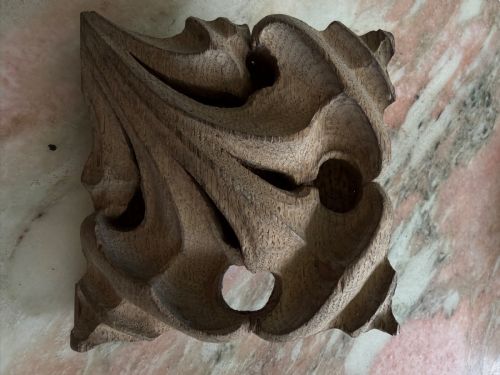
- A decorative projection at the intersection of ribbed vaulting, frequently carved with leaves or floral motifs. They served both structural and ornamental purposes in historic buildings.
- Giltwood
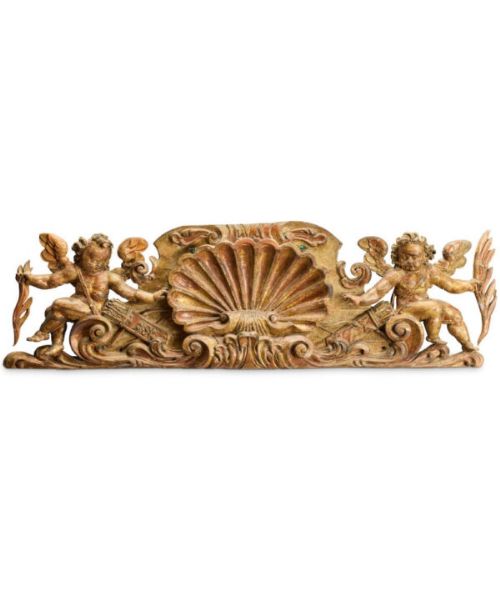
- Timber that has been coated with a thin layer of gold leaf over a prepared gesso ground. This finish was favoured for baroque and rococo architectural decorations.
- Terme
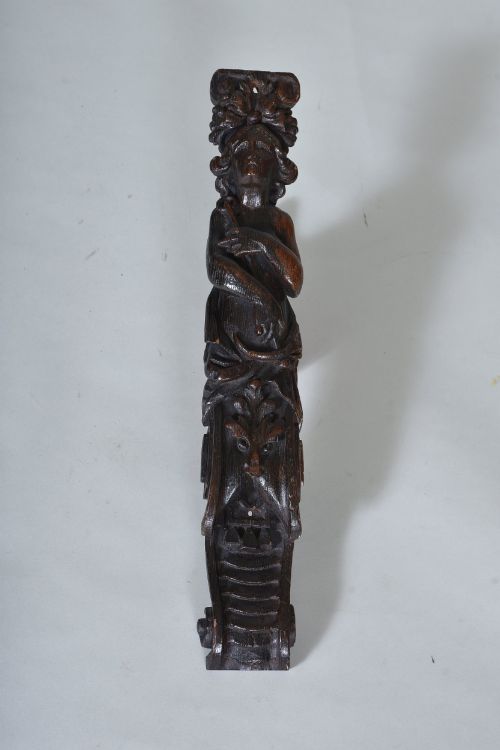
- A pedestal figure tapering toward the base, combining a human bust with a pillar. The style was popular during the renaissance period.
- Tracery
- Openwork intersecting stone or wooden ribs forming geometric patterns in gothic design. It is commonly found in window frames and screen panels.
Antique Wood Fragment: Frequently Asked Questions
What is an antique wood fragment?
An antique wood fragment is a surviving portion of a larger historic structure, furniture piece or decorative carving. These items are salvaged from buildings or furnishings no longer standing.
They allow collectors to own authentic historic craftsmanship on a manageable scale, serving as decorative wall art or sculptural objects.
How were these fragments used originally?
Many fragments originated as architectural elements such as friezes, pediments, ceiling bosses and overdoor panels. Others formed parts of religious altarpieces, church seating or grand household furniture.
Over time, alterations in architecture led to the removal of these decorative components, which were then preserved independently as works of art.
How should I display wood fragments at home?
Wood fragments are typically mounted directly onto walls as sculptural reliefs or displayed on stable flat surfaces. They benefit from stable indoor humidity away from direct heat sources to protect the aged timber.
Proper lighting can accentuate the depth of the hand-carved relief and highlight any surviving gilt or painted surfaces.