
Antique Wood Extending Table
An antique wood extending table brings historical scale and adaptable engineering into a dining room.
Antique Wood Extending Table
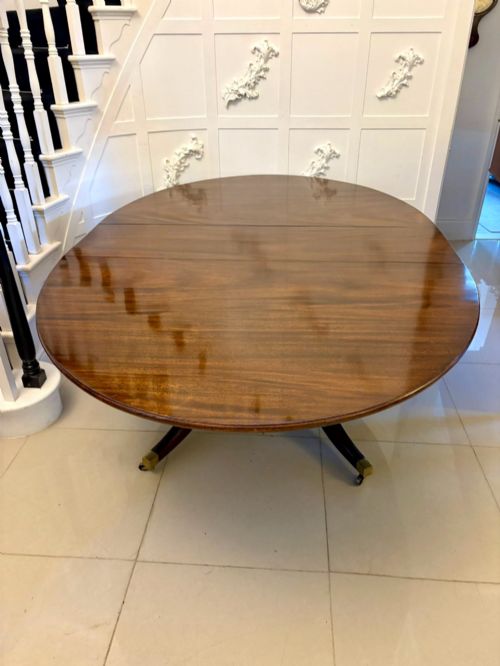
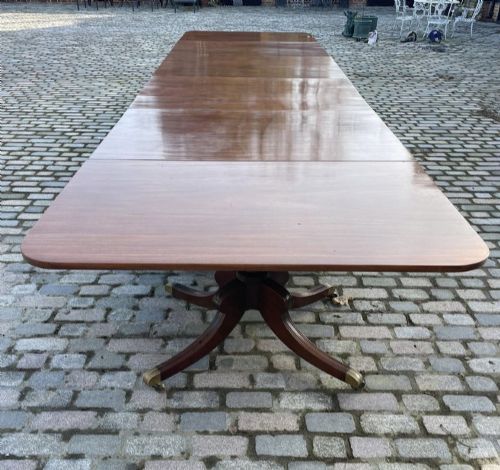
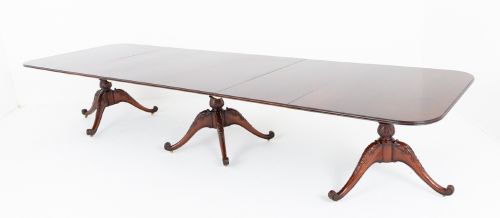
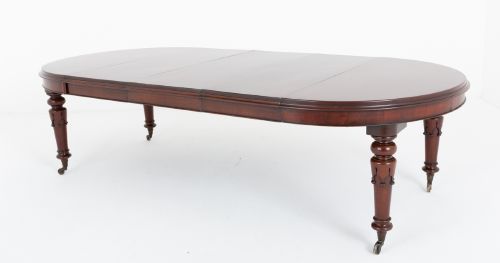
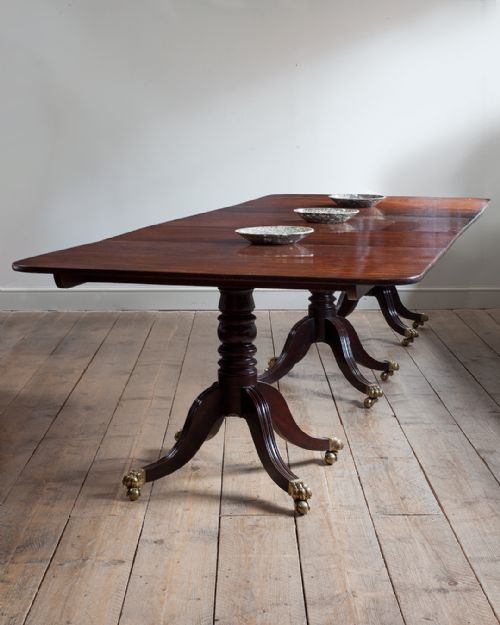
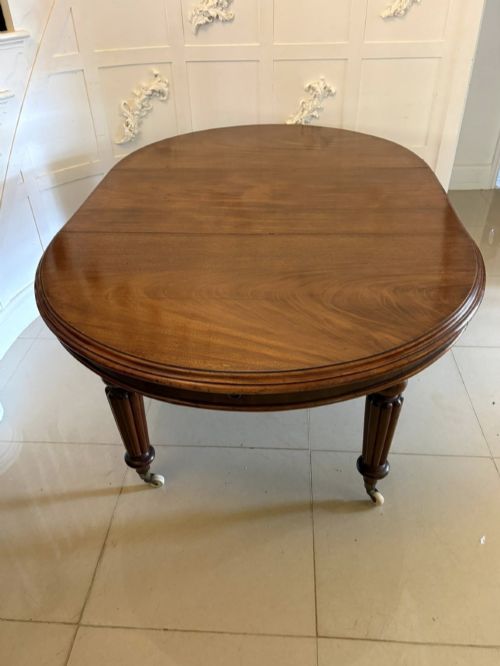
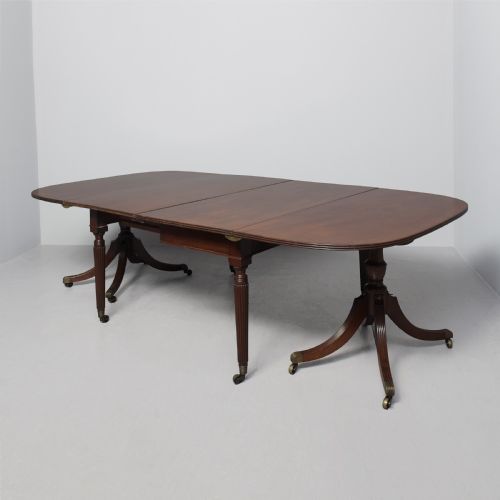
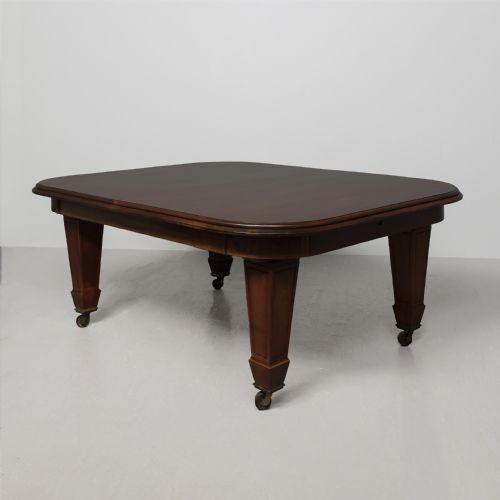
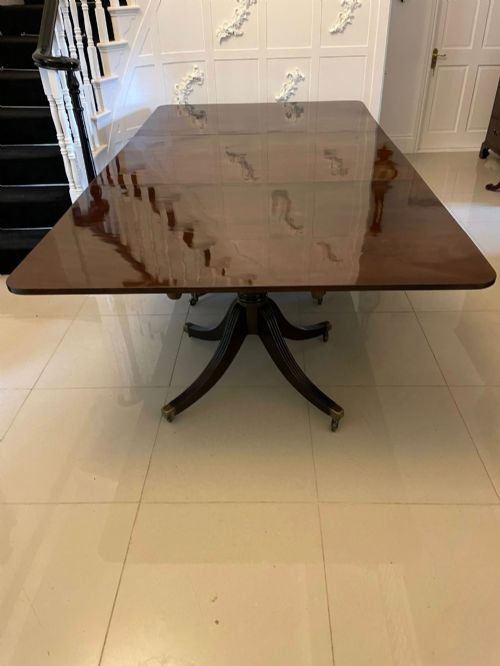
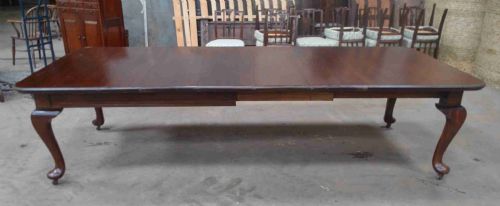
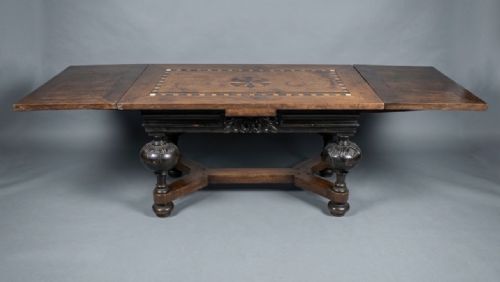
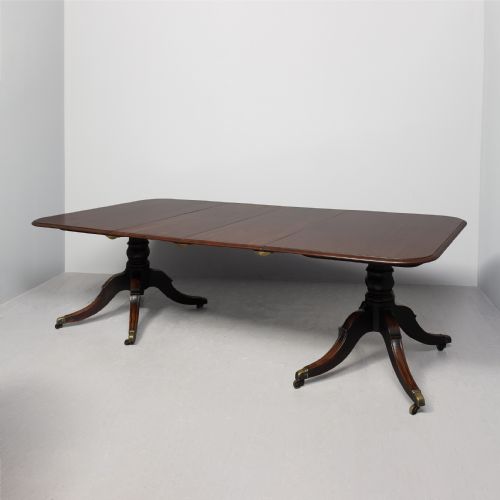
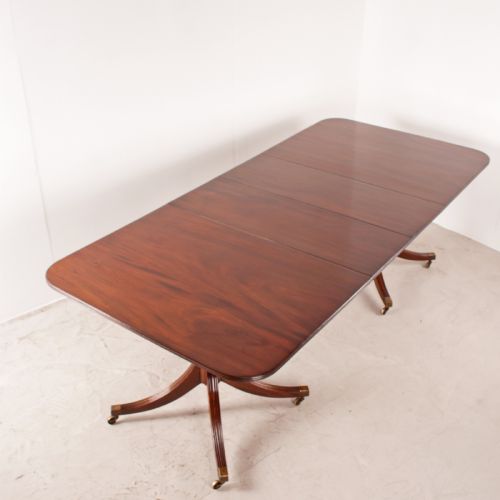
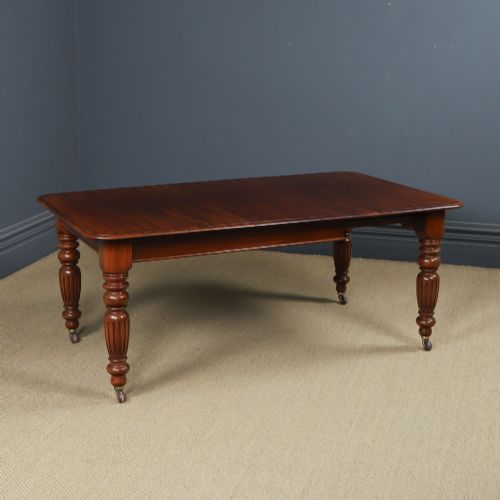
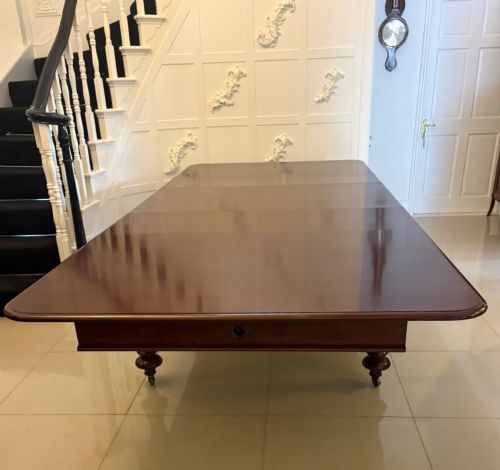
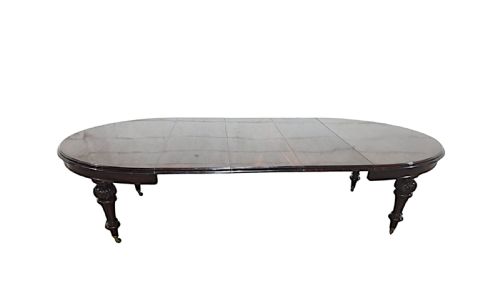
An antique wood extending table is a substantial dining piece designed to expand via leaves, wind-out mechanisms, or pull-out extensions to accommodate various seating numbers. The selections span formal Georgian, Regency, William IV, and Victorian periods alongside later revivals, offering formats from twin and triple pedestal bases to draw-leaf and refectory constructions.
Mahogany dominates the evidence, appearing in figured grains, Spanish mahogany, and rich deep tones across multiple centuries, accompanied by occasional examples in oak, walnut, burr walnut, rosewood, fruitwood, and cherry. These tables serve daily dining and large gatherings alike, shifting from compact proportions to monumental lengths exceeding several metres.
Buyers meet numerous pedestal formats fitted with brass castors alongside D-end designs and traditional four-leg dining tables. The forms reflect centuries of British and continental cabinet-making aimed at practical hosting without sacrificing architectural presence.
Materials and Construction
Cabinet makers utilised solid timber and figured veneers, relying predominantly on dense tropical hardwoods like mahogany and rosewood, as well as native timbers including oak, elm, walnut, and cherry. Timber selection prioritized stability and striking grain patterns, particularly for table tops intended to handle regular expansion.
Internal engineering combined timber runners, swing-out legs, and mechanical wind-out systems often paired with brass fittings and castors to facilitate movement. Extra leaves were constructed to match the grain and colour of the main top, ensuring visual continuity when fully extended.
Engineering systems represented include pedestal bases, draw leaves, pull-out extensions, drop leaves, and mechanical wind-out frames.
Distinctions in Quality
The standard of a dining table rests upon the choice of timber figure, such as highly figured mahogany or burr walnut, and the precision of the matching between removable leaves and the main top. Superior examples demonstrate expert timber selection where grain patterns flow harmoniously across the extended surface.
Construction rigour defines the higher tiers, seen in robust pedestal bases, stable internal runner mechanisms, and heavy brass castors that support substantial weight without sagging. Maker attribution, precise joinery, and the presence of original winding handles or multiple matching leaves further elevate the standing of a piece.
Gillows of Lancaster·William and Gibton Dublin·Maple and Co
The Antique Wood Extending Table Glossary
- Pedestal
- A central column support, often single, twin, or triple, resting on splayed legs that frequently terminate in brass castors.
- Wind out
- A mechanical system operated via a crank handle that separates the table halves to insert independent leaves.
- Draw leaf
- A table design where extension leaves are stored beneath the main top and pulled outward from each end.
- D end
- A table format featuring semi-circular ends that detach or separate when leaves are added to the centre.
- Refectory
- A long, linear table style typically raised on sturdy legs connected by stretchers, adapted here with pull-out extensions.
Antique Wood Extending Table: Frequently Asked Questions
How do wind-out extending tables work?
Wind-out tables operate using an internal metal screw mechanism turned with a removable crank handle. This action parts the main table sections apart along hidden runners to create a gap for inserting additional leaves.
The mechanism distributes weight evenly and pulls the sections tightly back together, securing the leaves in place for stable daily use.
How many people can these tables seat?
Seating capacity varies enormously based on the presence of extra leaves, ranging from intimate six-seater formats to massive dining tables accommodating ten, fourteen, or over twenty guests.
Larger multi-pedestal examples stretching past six metres provide exceptional length for formal entertaining and large family gatherings.
How do I care for a mahogany dining top?
Mahogany surfaces require regular dusting with a soft cloth and occasional treatment with quality beeswax to nourish the timber and preserve its deep lustre. Avoiding direct sunlight and placing protective mats beneath hot dishes prevents fading and heat marks.
Promptly wiping away liquid spills protects the polished finish from moisture rings and maintains the integrity of the antique wood.