
Antique Wood Drawer Unit
An antique wood drawer unit brings functional storage to a room, offering compartments formed in mahogany, oak, walnut and pine across centuries of cabinet making.
Antique Wood Drawer Unit
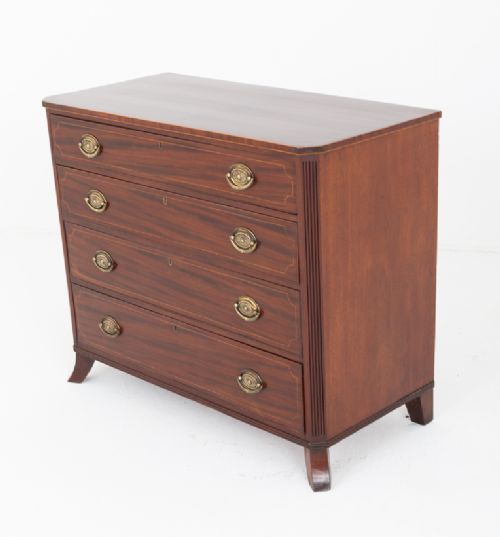
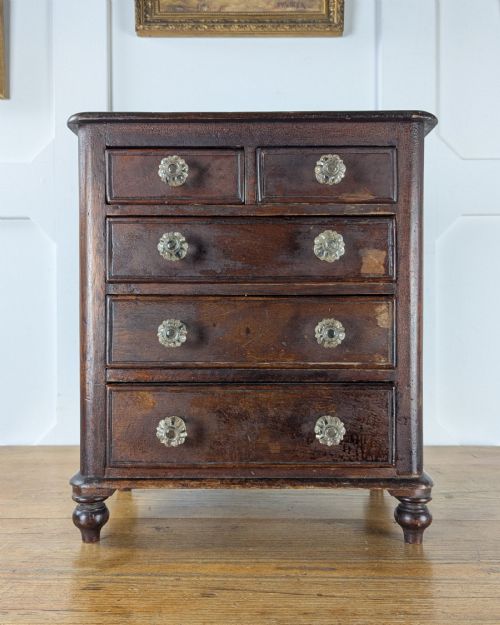
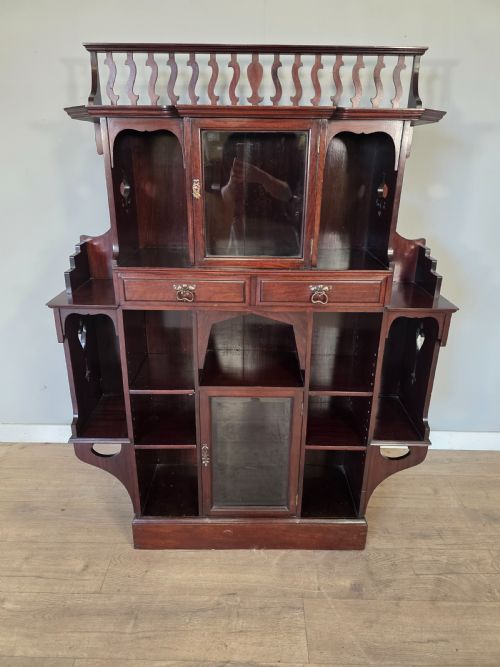
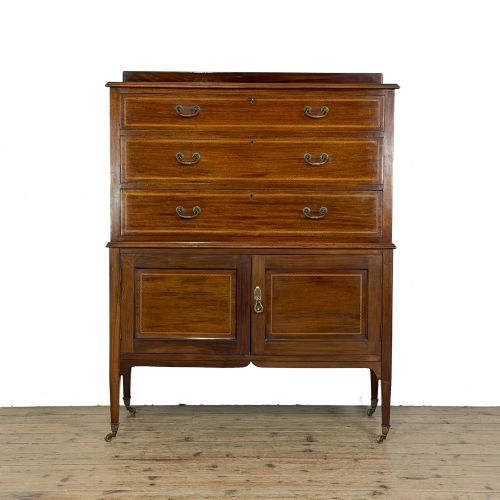
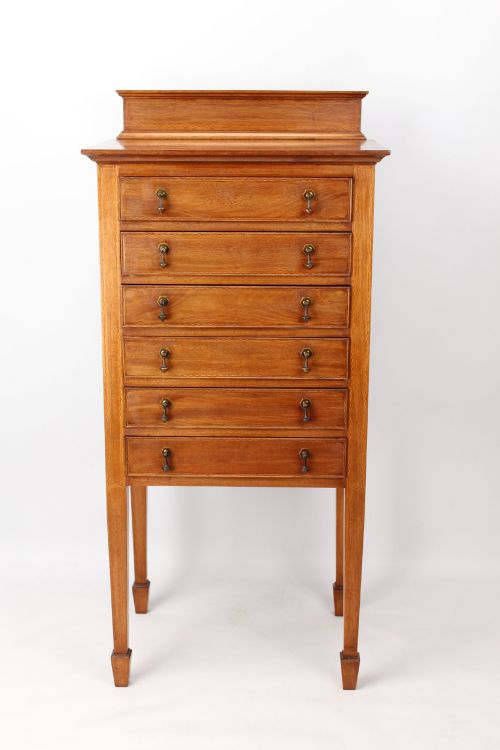
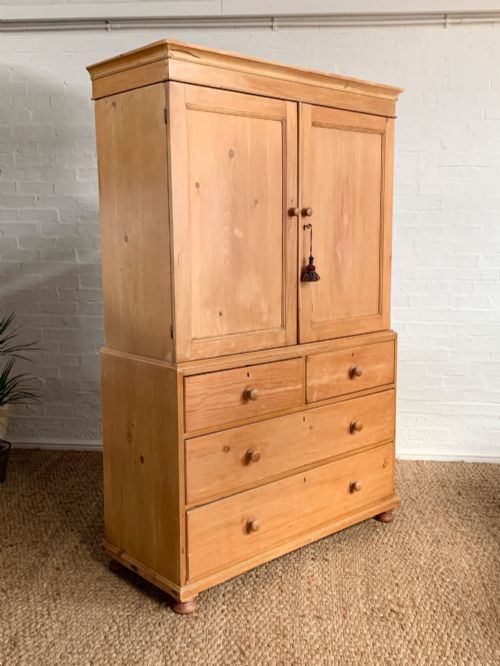
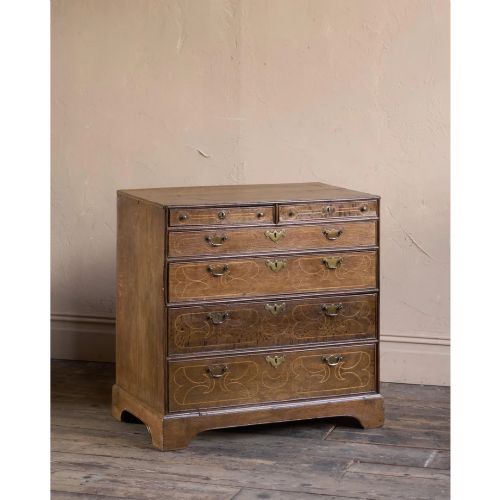
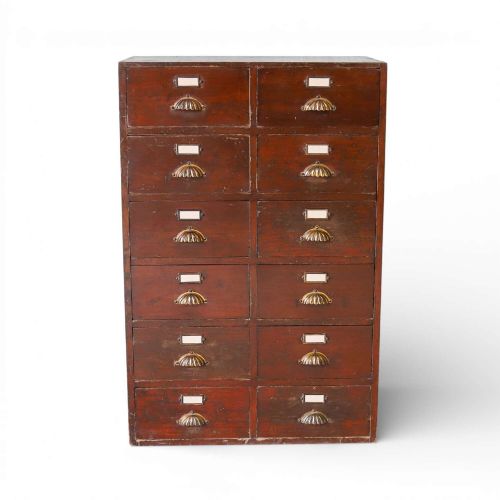
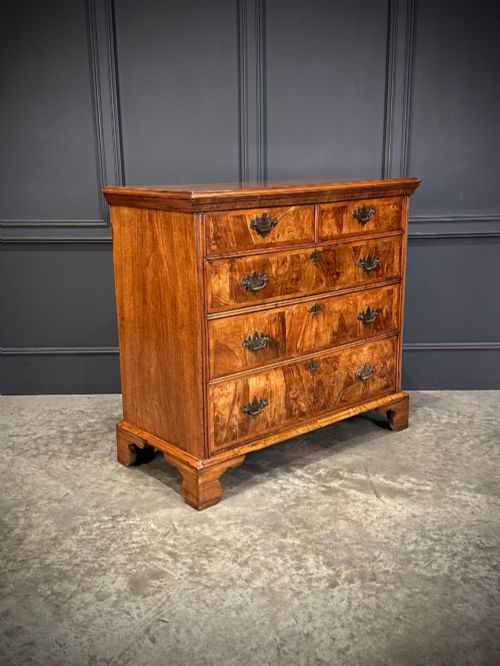
An antique wood drawer unit spans forms from tall bedroom chests and miniature apprentice pieces to utilitarian shop fittings, chemist cabinets and filing chests. These storage items originate across the 18th, 19th and early 20th centuries, reflecting the domestic and commercial demands of their periods.
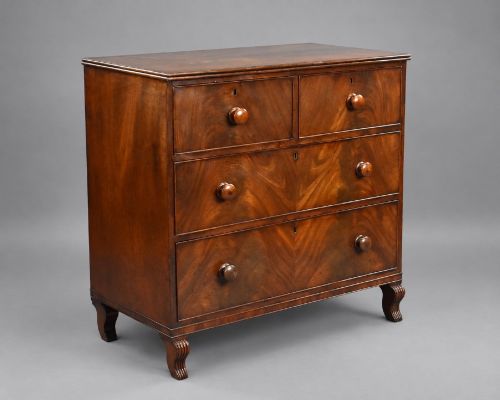
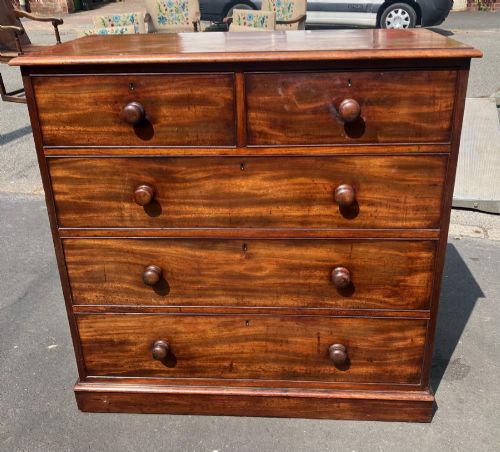
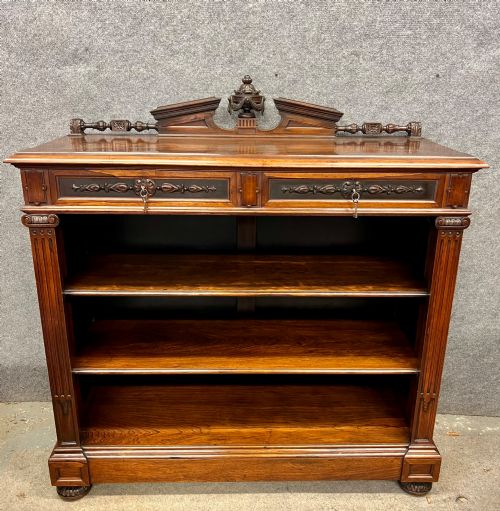
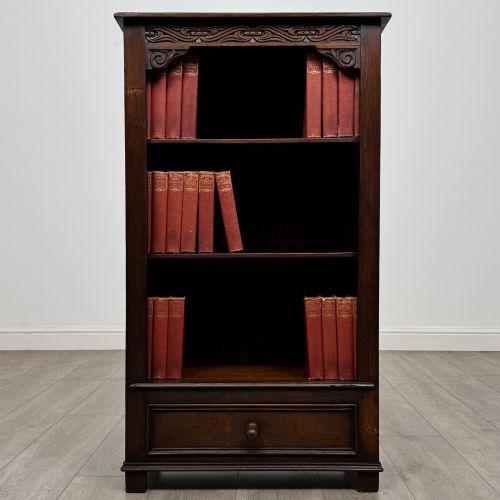
The version most frequently met on this page is the mahogany or oak chest of drawers, alongside specialised pieces such as apothecary banks, music cabinets and open bookcases with integrated drawers. Makers produced these items in various woods, applying styles that range from plain Georgian proportions to ornate Victorian details.
Materials and Construction
Cabinet makers utilised dense hardwoods like mahogany, walnut and oak alongside softer pine for secondary framing and internal drawer linings. Timber selection dictated both the structural integrity and the external appearance, especially when figured veneers such as flame mahogany or burr walnut were laid over solid foundations.
Joinery techniques involved precise dovetailing for drawer boxes and mortise and tenon framing for the main carcase structures. Surface treatments relied on French polishing, wax finishes or natural oils to seal the wood while accentuating the grain and colour.
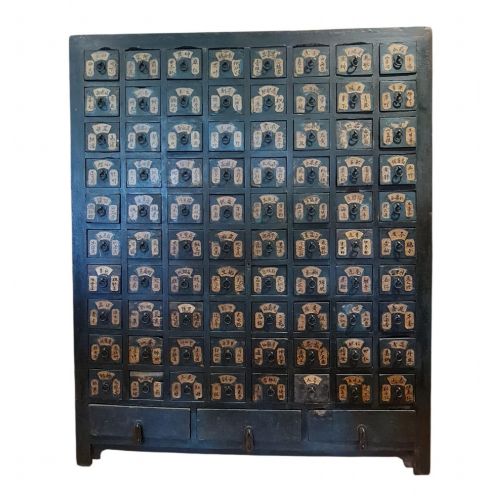
Storage forms range from standard bedroom chests to haberdashery counters, apothecary banks and music cabinets.
Determinants of Quality
Superior quality in an antique wood drawer unit rests upon the choice of timber and the precision of its conversion. Pieces constructed with tightly figured veneers or solid, thick planks display a deliberate investment in materials that lesser items bypass.
The finesse of the internal carpentry separates standard utility furniture from finer examples. Hand-cut dovetails, tidy secondary woods, original brass or shell pulls and intact label holders indicate a higher standard of workshop execution.
Maple and Co.
The Antique Wood Drawer Unit Glossary
- Carcase
- The main structural body or frame of a piece of furniture before drawers and doors are fitted. It provides the rigid skeleton that supports internal sliding elements.
- Dovetail
- A joint formed by interlocking wedge-shaped fingers, commonly used to join drawer sides to drawer fronts. This traditional technique resists being pulled apart.
- Secondary Wood
- The timber utilised for hidden parts such as drawer linings, internal partitions and backboards. Cabinet makers often selected cheaper woods for these unseen areas.
- Flame Mahogany
- A veneer cut from the fork of a mahogany tree where the branches join the trunk. This produces a distinctive flickering pattern resembling tongues of flame.
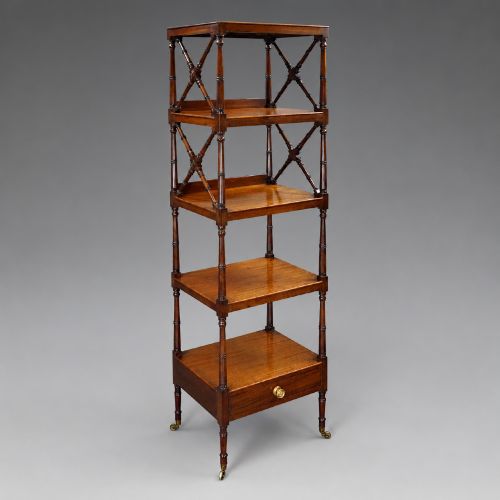
- Whatnot
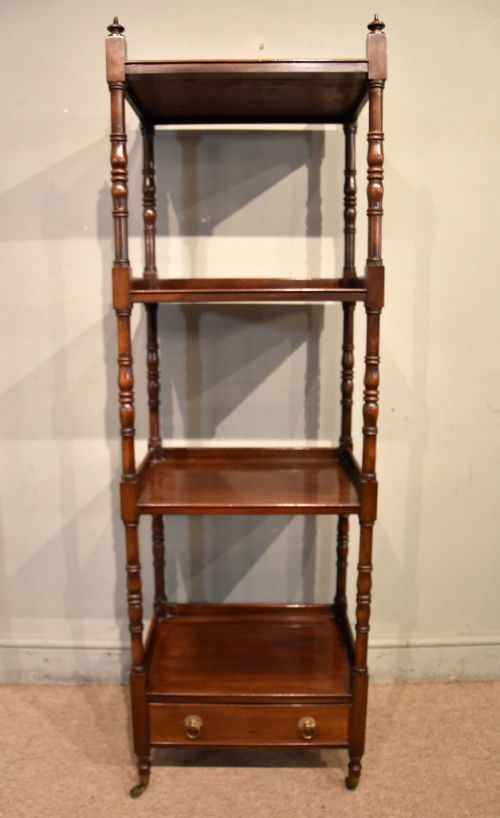
- An open set of freestanding shelves supported by slender columns or uprights, often featuring one or more drawers at the base.
Antique Wood Drawer Unit: Frequently Asked Questions
What is an apothecary chest?
An apothecary chest is a multi-drawer unit originally designed for storing medicinal herbs, powders and dried ingredients in a chemist shop. These pieces feature numerous small compartments, often with original label holders and pulls.
Today, these drawer units function well as collector cabinets or desk storage for small items. Their unusual scale and multitude of drawers make them striking focal points in a room.
How do I identify a Victorian chest?
Victorian chests typically display heavier proportions, deeper drawer depths and darker polished wood surfaces such as mahogany or walnut. Details like turned feet, rounded corners and applied mouldings help distinguish them from earlier Georgian designs.
Examining the drawer linings and backboards reveals construction clues. Machine-sawn timber points towards later Victorian manufacture, while hand-sawn boards suggest earlier periods.
Where should I place a shop fitting?
Shop fittings like haberdashery cabinets and seed chests bring industrial character and extensive segmented storage to modern interiors. They suit kitchens, studies or living spaces where surface area and visible organisation matter.
Ensure the unit has adequate floor clearance and proper wall stability if it is exceptionally tall. Keeping them away from direct heat sources protects the old wood from drying out.