
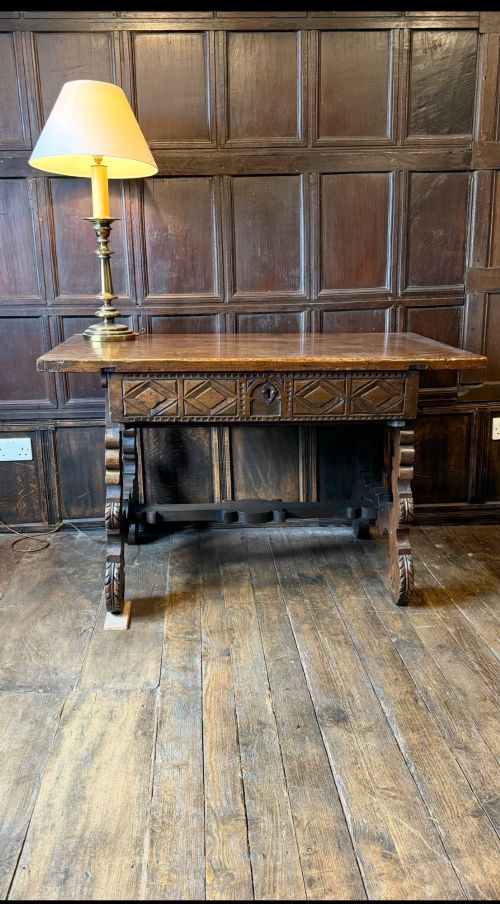
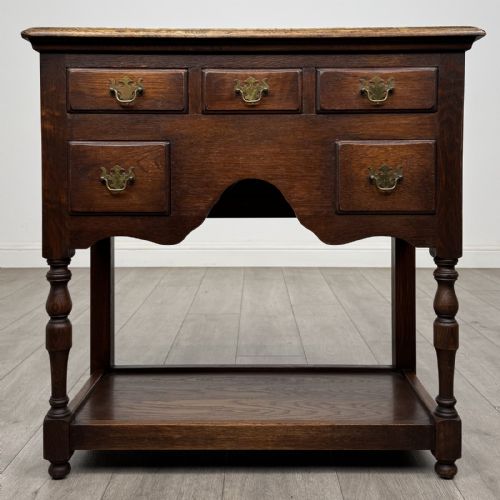
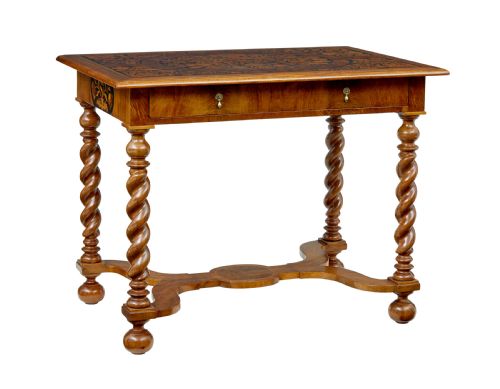
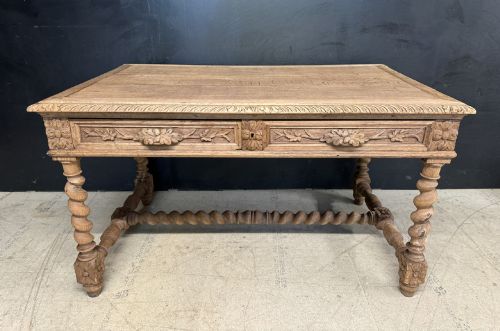
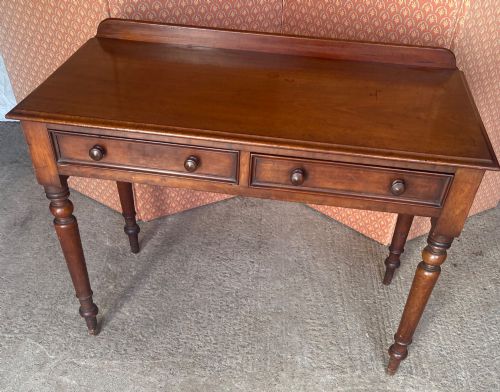
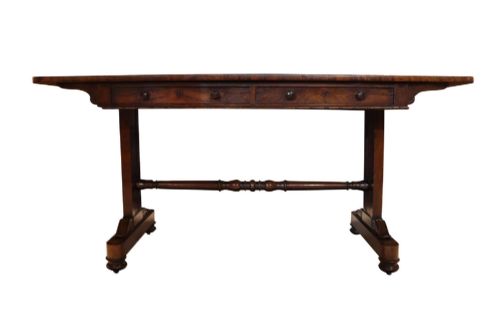
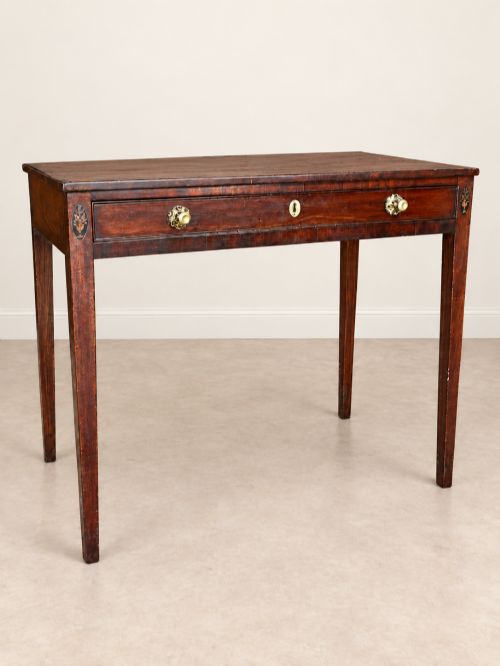
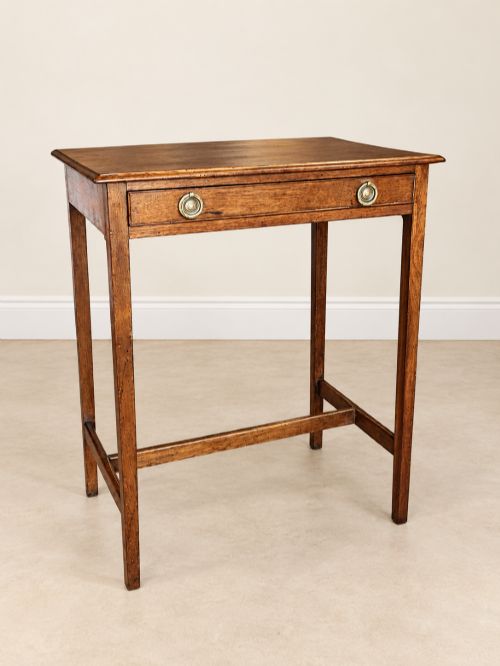
Antique Wood Console Desk
An antique wood console desk provides a practical writing surface and a handsome focal point for a hallway or reception room.
Antique Wood Console Desk
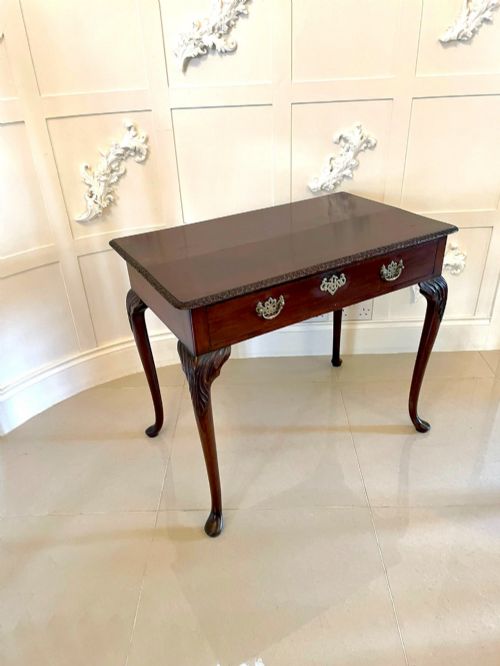
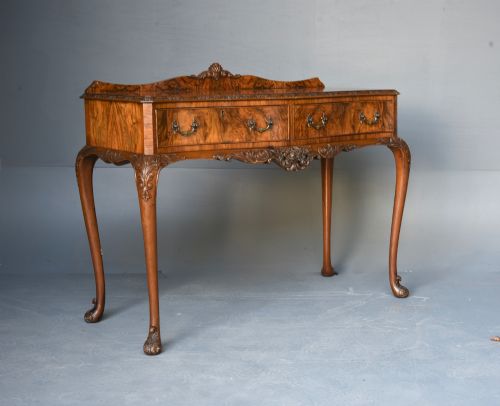
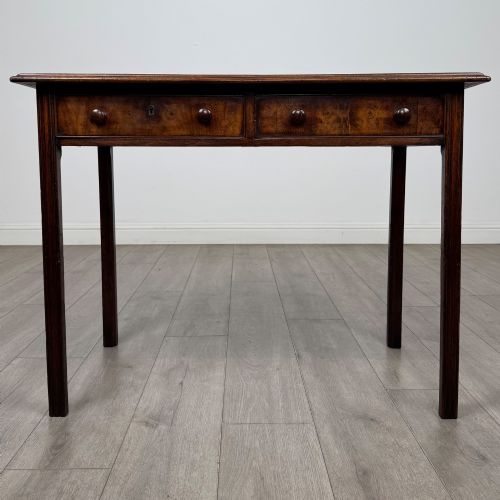
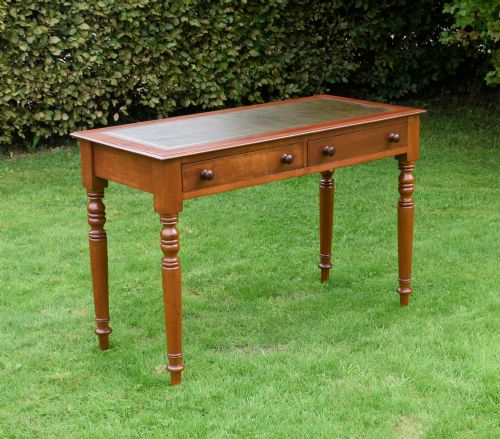
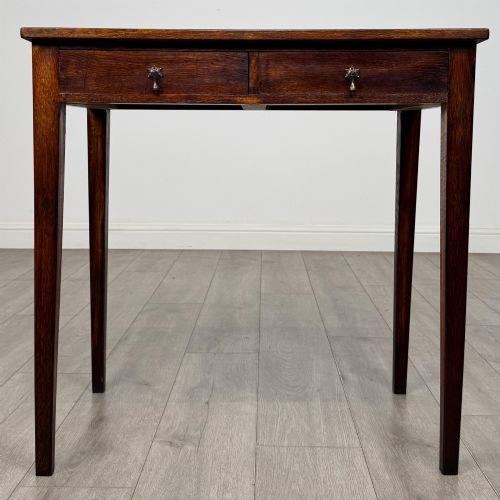
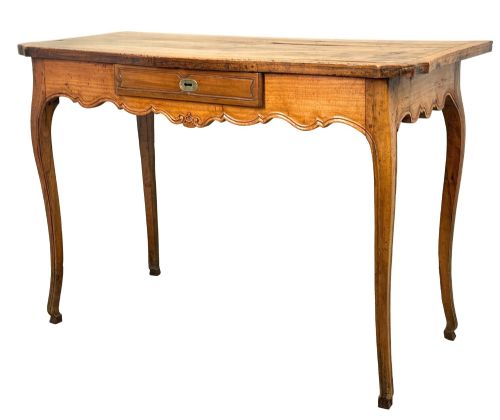
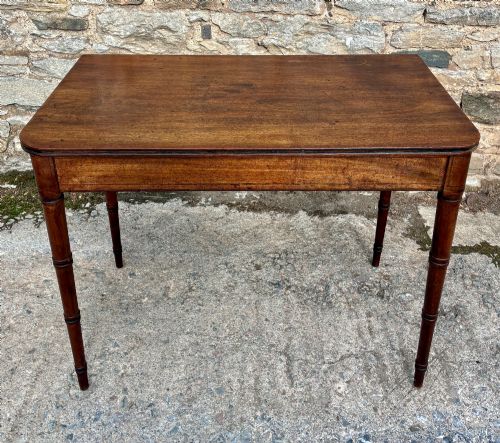
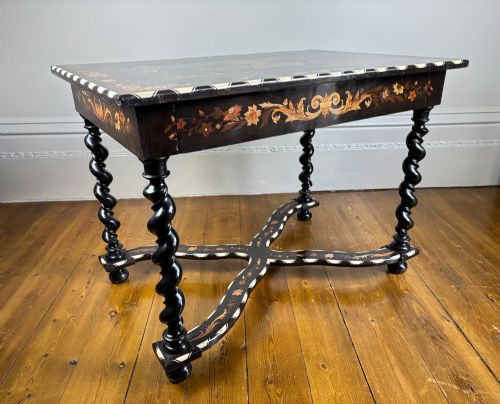
When you search for an antique wood console desk, you encounter a versatile mix of side tables, writing tables, sofa tables, and lowboys adapted for domestic writing and display. The selection spans centuries of British and continental cabinetmaking, with Georgian, Victorian, and Edwardian examples appearing most frequently.
Makers often drew upon classic architectural forms, producing slender mahogany side tables alongside substantial oak writing desks and rosewood sofa tables. Pieces range from austere provincial oak furniture to refined Regency and Georgian designs intended for formal reception rooms.
Materials and Construction
Cabinetmakers relied on native and imported timbers, pairing structural oak, elm, and fruitwood with decorative veneers of mahogany, walnut, rosewood, and burr walnut. Secondary woods like pine or oak were utilised for drawer linings and internal framing.
Joinery techniques combined traditional dovetailed drawer construction with turned or carved legs, sometimes incorporating brass handles, locks, and caster wheels. Surface finishes typically relied on French polish or wax to nourish the grain of the wood.
Listings feature oak, mahogany, walnut, and rosewood predominantly, spanning the 18th, 19th, and early 20th centuries.
Assessing Quality
Quality rests upon the choice of timber and the crispness of the carving or inlay. Figured veneers and solid secondary woods distinguish superior pieces from utilitarian workshop output.
Proportion and structural integrity dictate the standing of a desk. Well-balanced proportions, smooth drawer operation, and original brass hardware separate high-status commissions from everyday domestic furniture.
Gillows
The Antique Wood Console Desk Glossary
- Sofa Table
- A freestanding table designed to stand in front of a sofa, typically featuring drop leaves on either side and double pedestal or trestle supports.
- Washstand
- A utilitarian piece of furniture adapted for washing, often equipped with a marble top or basin recess which owners frequently repurpose as a console or side table.
- Satin Birch
- A pale, golden hardwood with a distinct shimmering grain pattern used extensively for decorative cabinet work during the 19th century.
- Burl Walnut
- Wood taken from the root growth of a walnut tree, highly prized for its swirling, intricate grain patterns used in elite veneering.
Antique Wood Console Desk: Frequently Asked Questions
Where should I place a console desk?
These pieces suit narrow hallways, living rooms, or behind sofas where floor space is limited. Their shallow depth allows them to function as a writing surface without obstructing movement.
Freestanding models with finished backs can also float in the centre of a room as library or centre tables.
How do I care for antique wood?
Keep wooden furniture away from direct heat sources and strong sunlight to prevent the timber from drying out and the veneer from lifting. Dust regularly with a soft, dry cloth.
Apply a quality beeswax periodically to nourish the polish and maintain the natural lustre of the grain.
Can I use a console desk for daily work?
Most antique writing tables and console desks accommodate laptops and paperwork comfortably, though drawer depths vary. Consider the knee clearance and writing height before daily use.
Adding a protective leather or felt blotter helps shield antique wooden surfaces from ink or scratch marks.
How do I distinguish Georgian from Victorian pieces?
Georgian furniture generally exhibits restrained classical proportions, elegant bracket feet, and rich mahogany or oak surfaces. Victorian pieces often feature heavier proportions, darker finishes, and more elaborate carved or Gothic revival details.
Examining the construction methods inside the drawers provides further clues regarding the period of manufacture.