

Antique Wood Coat Stand
An antique wood coat stand brings practical order to an entrance hall while grounding the space in nineteenth or early twentieth-century craftsmanship.
Antique Wood Coat Stand
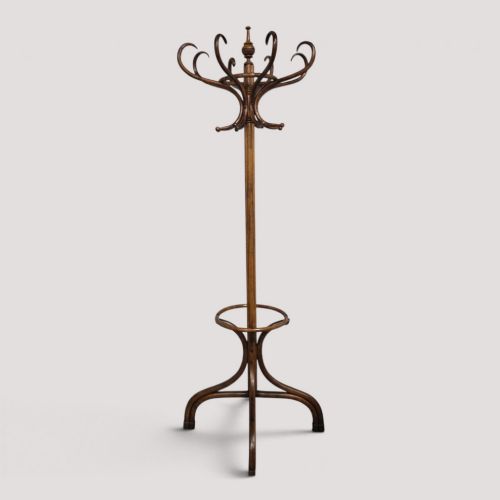
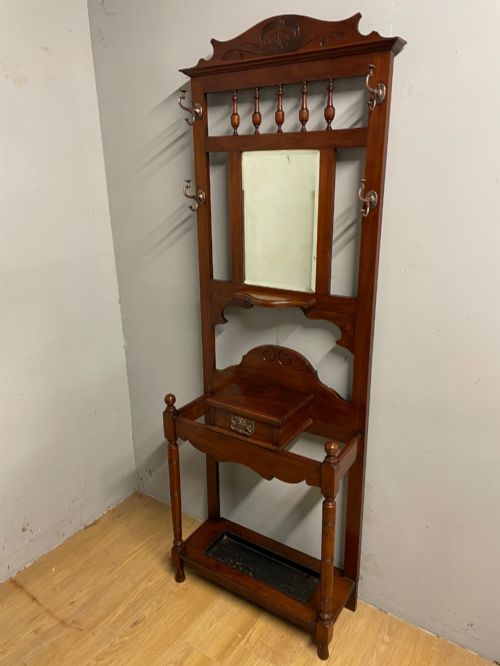
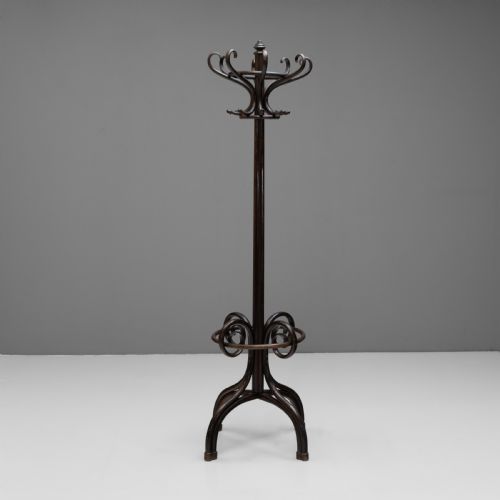
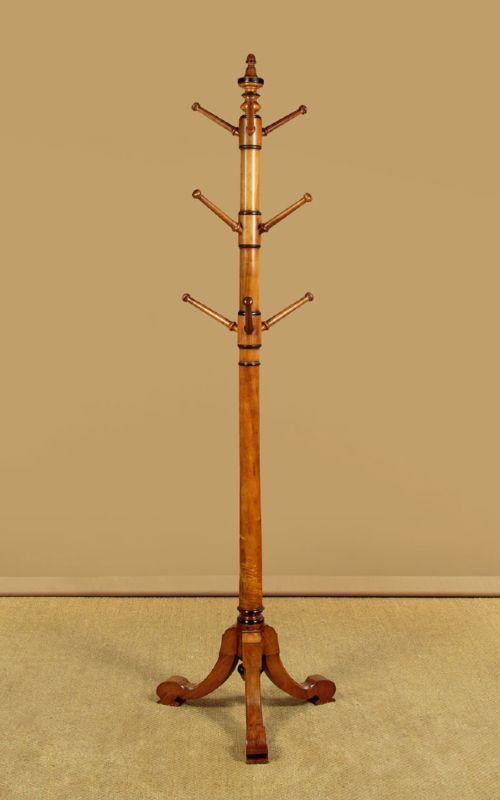
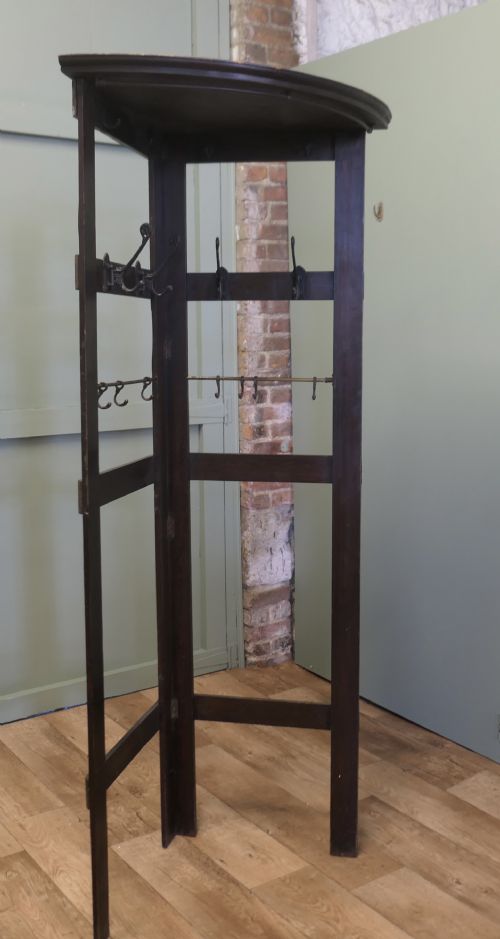
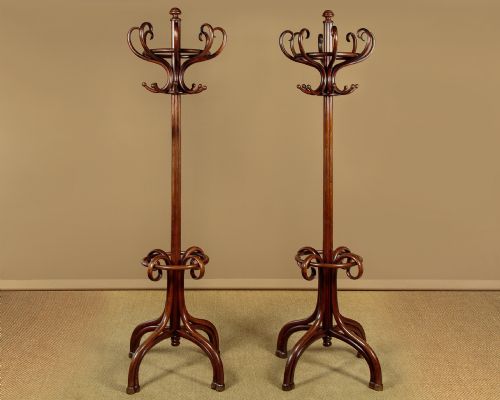
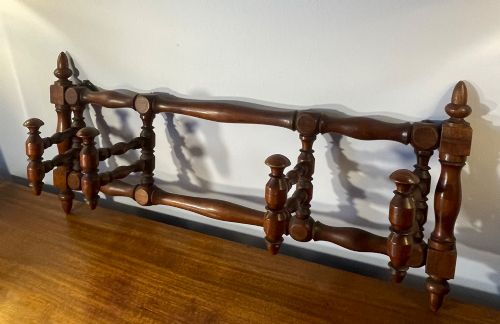
An antique wood coat stand provides a dedicated place for outerwear, hats, and umbrellas, appearing in forms such as tall hall trees, revolving stands, demi-lune designs, and wall-mounted racks. These pieces range from upright floor-standing items to compact hanging robes suited for narrow spaces.
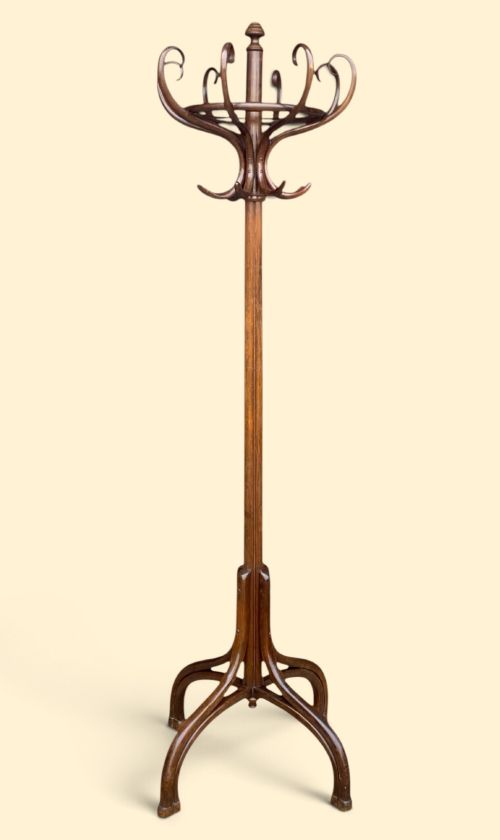
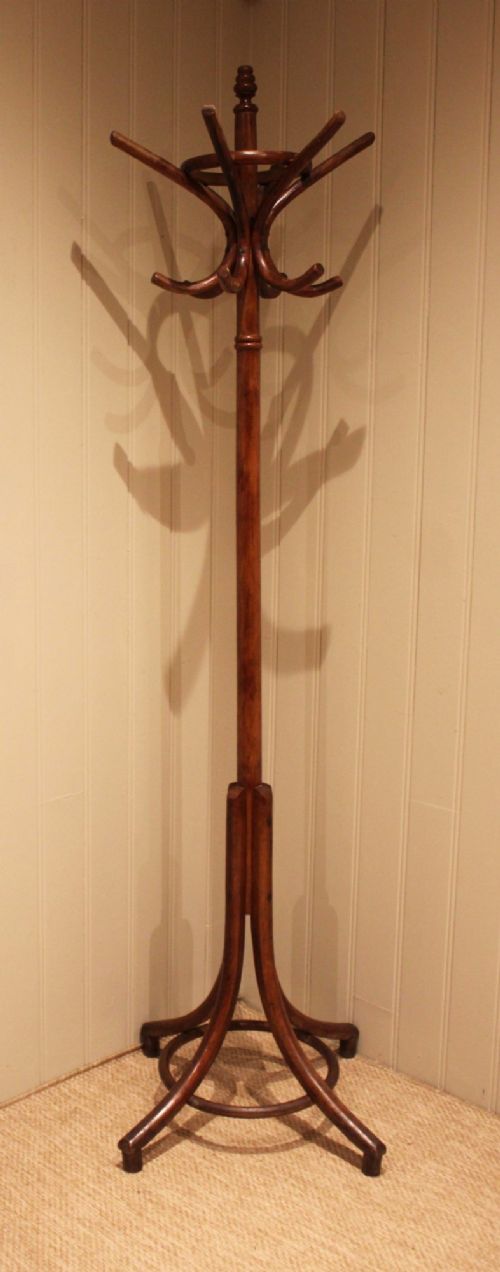
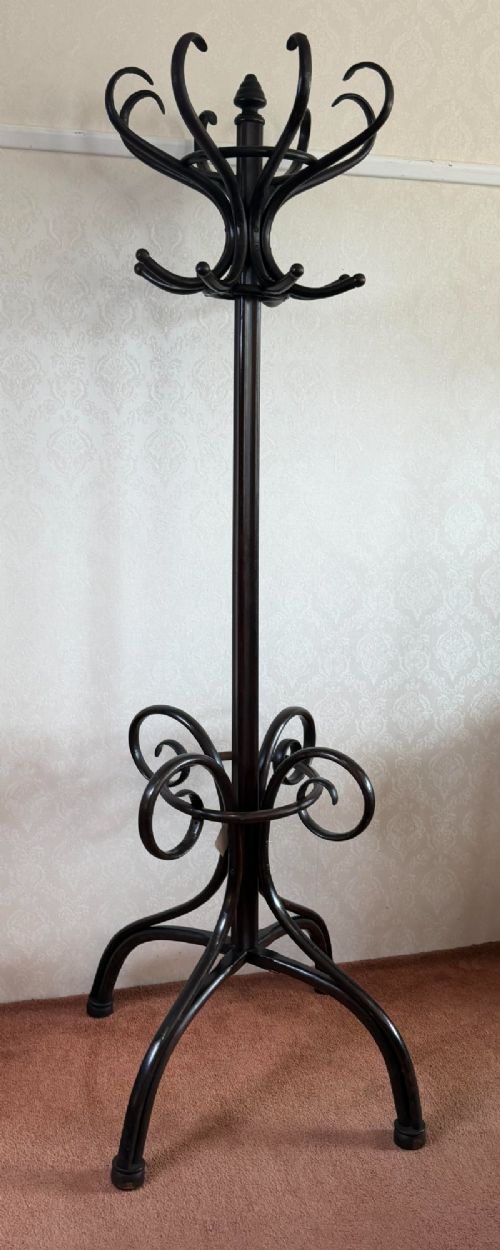
The most common versions encountered here are steam-bent beech or mahogany floor stands from the Victorian and Edwardian eras. Buyers also find substantial oak and walnut hall stands alongside more decorative regional specialities.
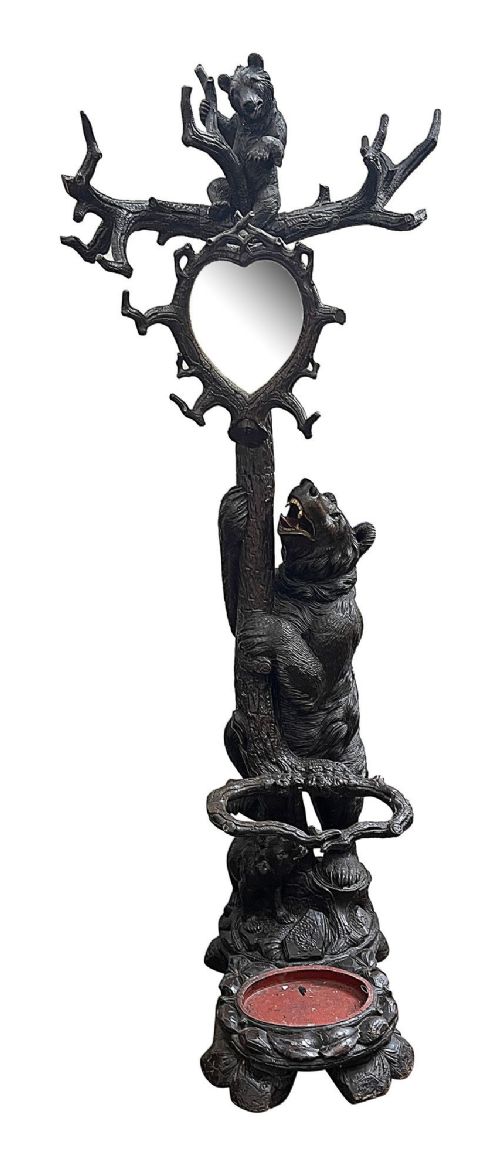
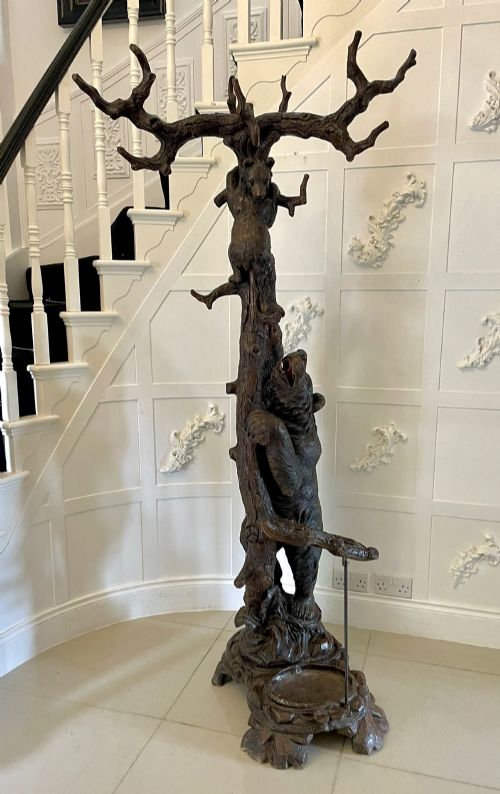
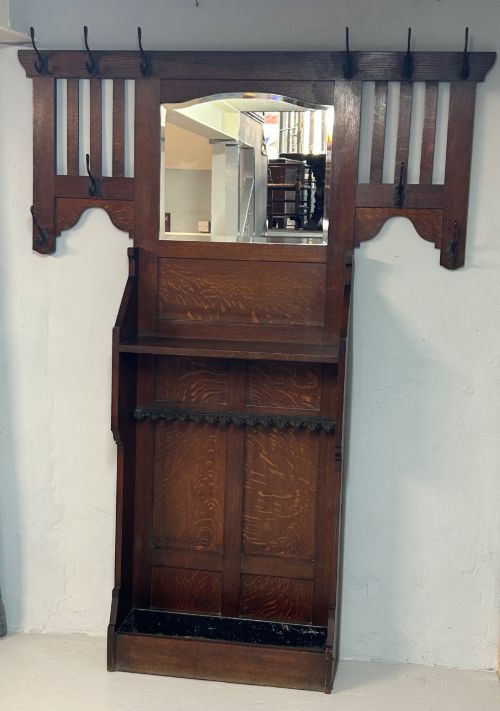
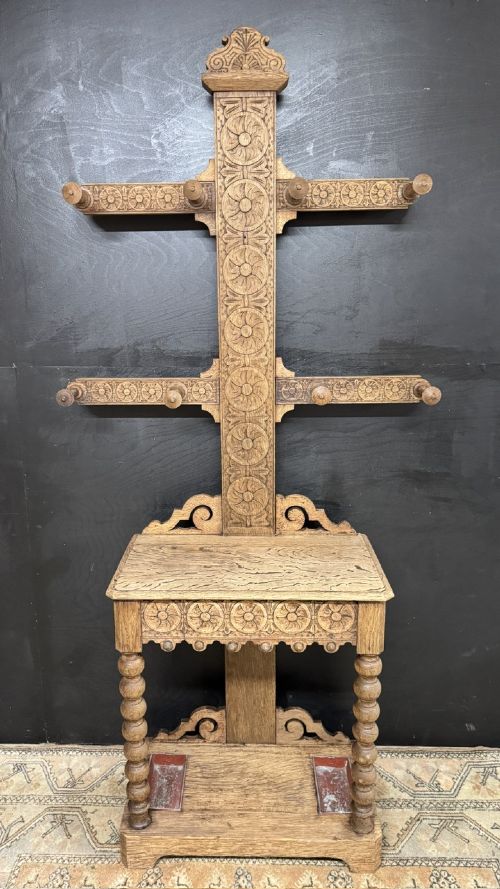
Origins span British workshops, Austrian bentwood manufacturers, and continental carvers working in styles like Black Forest and Arts and Crafts. This variety allows collectors to match utilitarian needs with specific period aesthetics.
Materials and construction methods
Makers utilised solid timbers such as mahogany, oak, walnut, and beech, selecting woods that could support the weight of heavy wool garments and wet umbrellas. Selected pieces incorporate brass hooks, glass inserts, or carved ornamentation to accent the timber framework.
Bentwood examples rely on steam-bending techniques pioneered in the nineteenth century, allowing straight lengths of beech to form graceful, curved loops without joints. Heavier hall stands employ traditional joinery, turning, and detailed hand-carving to shape structural posts and panels.
Antique Wood Coat Stand Retail Price Guide 2026
Typical asking prices for wood coat stand among the pieces listed under this phrase on Sellingantiques today, from the lower quarter to the upper quarter. They describe what is for sale here now, not the wider market.
Listings feature woods such as beech, mahogany, oak, and walnut spanning the Victorian, Edwardian, and Regency periods.
Distinguishing quality across the range
Quality rests upon the integrity of the timber and the strength of the joints, particularly where load-bearing branches meet the central shaft. Superior examples retain their original heavy bases or stable wall fixings, ensuring the stand remains balanced under a full load of coats.
Refinement of detail separates standard utility items from finer works, visible in the crispness of hand-carved ornamentation, the symmetry of bentwood scrolls, and the retention of matching original brass hooks.
Thonet
The Antique Wood Coat Stand Glossary
- Bentwood
- Wood shaped by exposure to steam, allowing craftsmen to create smooth, curved components without weakening the grain. This technique defined many practical hall stands produced from the mid-nineteenth century onwards.
- Hall Tree
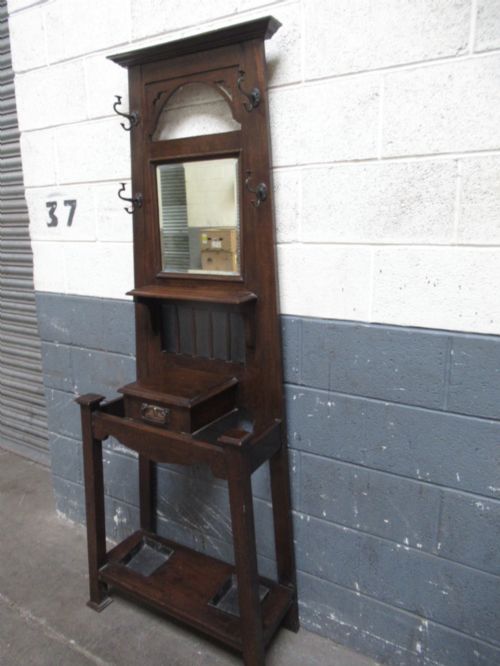
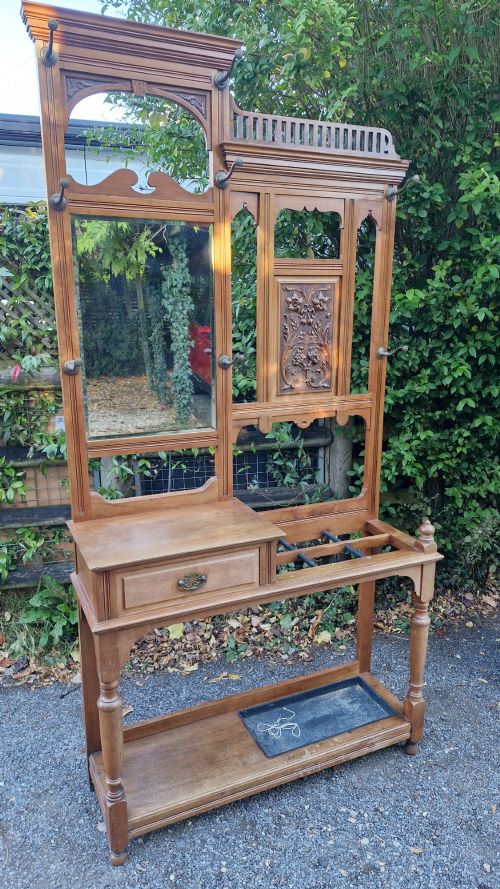
- An alternative term for a tall, freestanding coat and hat stand, often incorporating umbrella wells and mirror panels. These substantial pieces anchored the entrance halls of larger nineteenth-century homes.
- Demi-Lune
- A half-moon or semicircular shape designed to sit flush against a hallway wall, conserving floor space. This profile is frequently seen in bentwood hat stands.
- Black Forest carving
- Highly detailed animal and foliage sculpture associated with wooden furniture from central Europe, particularly known for realistic bear figures holding card trays or umbrella rings.
Antique Wood Coat Stand: Frequently Asked Questions
How do I keep a bentwood stand stable?
Distribute heavier coats evenly around the hooks to maintain the centre of gravity over the base. Avoid placing soaked garments on one side alone for extended periods.
Check the base screws periodically to ensure the upright shaft remains tightly secured. A level floor surface also prevents undue strain on curved wooden joints.
Were these stands used in bedrooms?
Most floor-standing examples were designed for entrance halls and vestibules to receive outdoor wear upon arrival. Smaller folding racks and wall-mounted units served bedrooms and dressing rooms for daily clothes changing.
Larger hall stands often integrated mirrors and glove boxes to serve visitors at the front door. Their placement reflected the social routines of Victorian and Edwardian households.
How do I date a wooden hall stand?
Examine the primary wood species, construction techniques, and hardware to determine the period. Victorian pieces frequently feature dark mahogany or walnut with turned columns, whereas Edwardian and later bentwood designs utilise lighter beech.
Carved details and stylistic cues like Arts and Crafts inlays also help narrow the decade of manufacture. Consulting the overall form reveals whether a piece belongs to the mid-nineteenth century or the early twentieth.
Can these stands hold heavy winter coats?
Solidly constructed antique stands built from oak, mahogany, or bent beech easily support heavy wool overcoats and waterproofs. The original steam-bent loops and brass hooks were engineered for daily utilitarian use.
Ensure the piece rests firmly on a solid floor before loading multiple heavy garments onto the upper tiers. Proper placement prevents accidental tipping in busy hallways.