



Antique Winged Cherub
An antique winged cherub brings classical grace and figurative warmth to a room, whether cast in bronze, carved in oak or modelled in porcelain.
Antique Winged Cherub
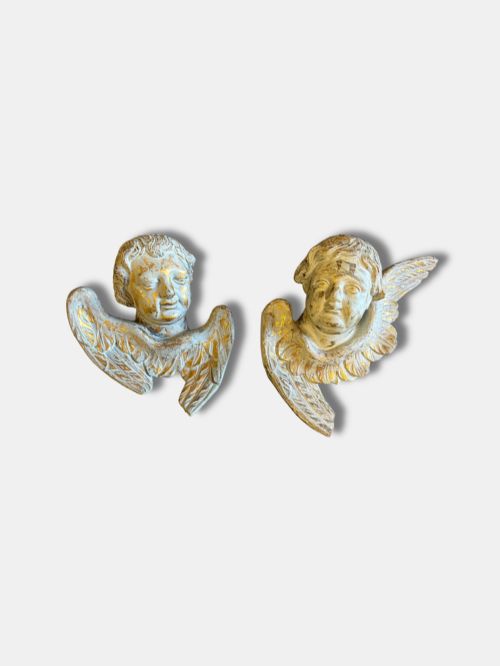
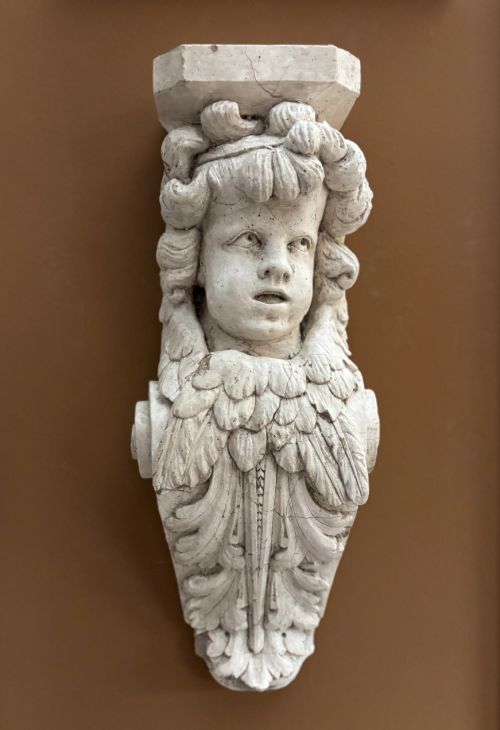
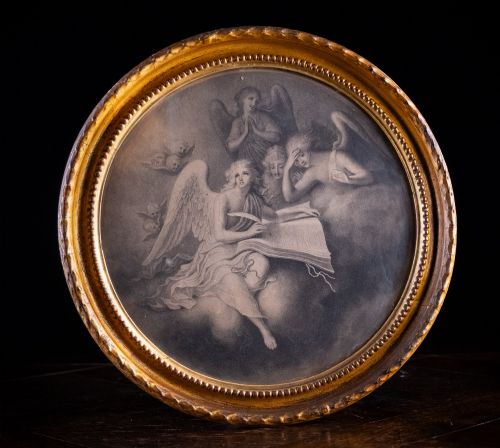
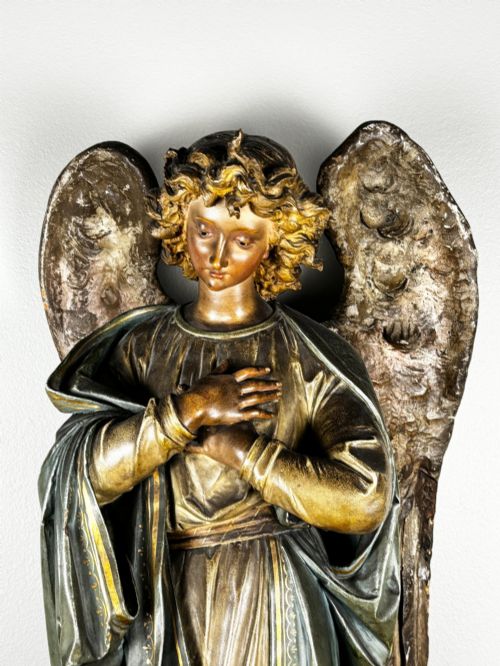
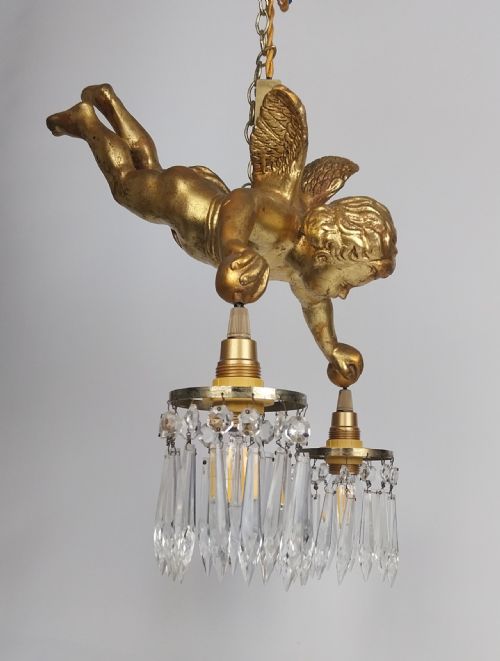
When you search for an antique winged cherub, you encounter sculpted figures drawn from mythology, religion and classical ornamentation. These depictions span centuries of domestic decoration, appearing as freestanding sculptures, architectural wall corbels, lighting fixtures and decorative table centerpieces.
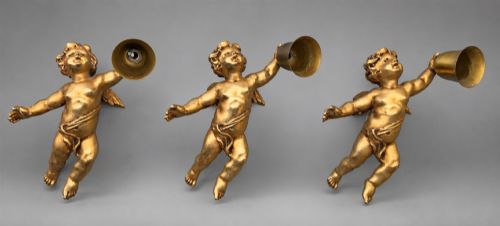
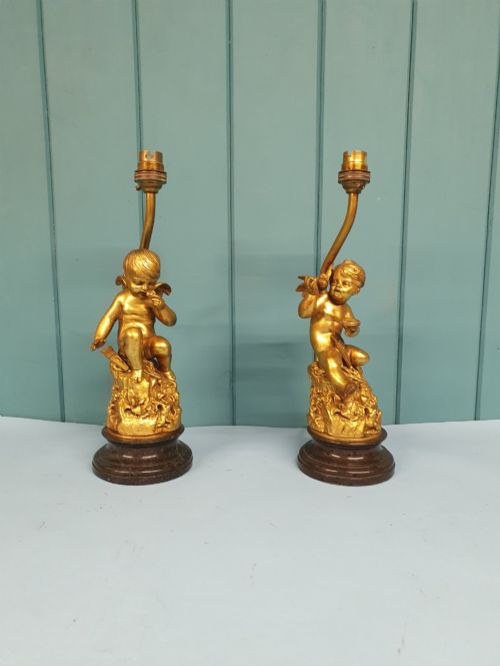
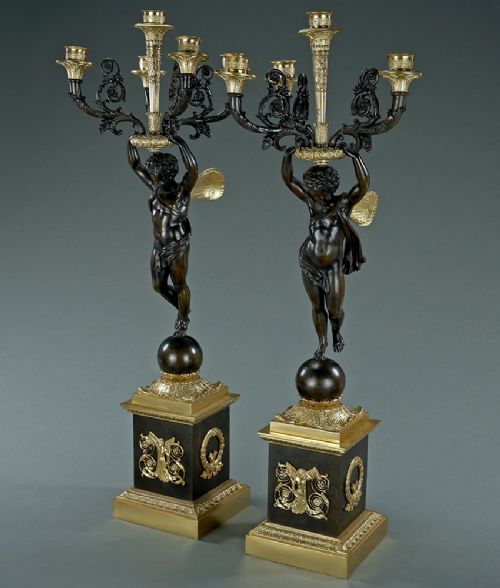
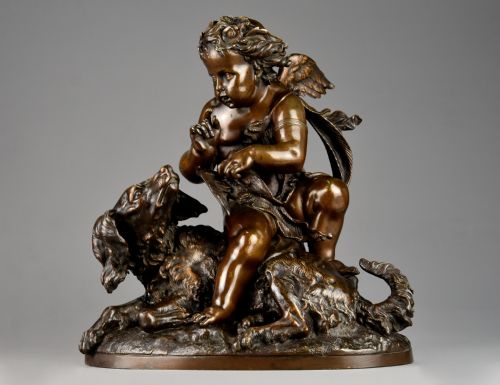
The pieces on this page are most frequently cast in bronze, patinated or gilt, and carved from solid oak during the seventeenth, eighteenth and nineteenth centuries. You also discover porcelain figurines, brass table lamps and silver boxes decorated with these winged motifs from the Victorian era onwards.
Originating largely from French, English, Italian and German workshops, these items reflect diverse stylistic revivals. French nineteenth-century examples dominate, often rendered in the manner of the Rococo or Empire periods, alongside robustly carved Flemish and English oak architectural fragments.
How They Were Made
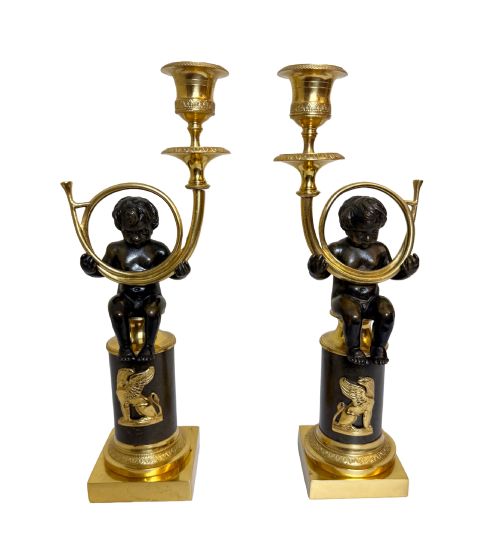
Bronze figures are produced using the lost-wax casting method, allowing intricate feather detail on the wings and fine facial expressions before being finished with patination or fire-gilding. Marble bases frequently accompany these bronzes, adding weight and structural contrast to the composition.
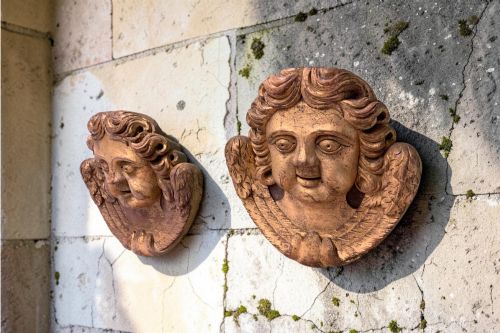
Carved oak cherubs rely on traditional hand-chiselling techniques directly into seasoned timber, resulting in deep relief panels and architectural appliques. Ceramic iterations, such as those from Meissen, combine moulded porcelain bodies with hand-painted enamel details and subsequent high-temperature glazing.
Antique Winged Cherub Retail Price Guide 2026
Typical asking prices for winged cherub among the pieces listed under this phrase on Sellingantiques today, from the lower quarter to the upper quarter. They describe what is for sale here now, not the wider market.
Materials span patinated bronze, carved oak, marble, porcelain and sterling silver.
What Varies in Quality
The definition in the chasing of bronze castings separates standard decorative items from superior sculptural works. Sharp feather tips, clean limb articulation and careful hand-finishing indicate a high grade of foundry production, whereas softer, blurred contours suggest worn or secondary moulds.
Richard Avrilli·Louis Auguste Moreau·Aug Moreau·Charles Cumberworth·BELLENOT PARIS·Ferrand·Johann Joachim Kändler·William Comyns
The Antique Winged Cherub Glossary
- Putto
- A plump, naked male child depicted in classical art, often winged and synonymous with the cherub in decorative contexts.
- Ormolu
- Gilt bronze, where a finely ground high-carat gold mercury amalgam is applied to a bronze base and heated.
- Spelter
- A zinc alloy frequently used as a less expensive substitute for bronze in nineteenth-century decorative castings.
- Applique
- An ornamental element applied or mounted to a larger surface, common in architectural woodwork and furniture.
- Lost-wax casting
- A metal-casting method where a molten metal is poured into a mould that has been created by means of a wax model.
Antique Winged Cherub: Frequently Asked Questions
How are antique winged cherub sculptures mounted?
Many bronze and spelter figures are secured directly to shaped marble plinths, turned wooden bases or slate mounts using threaded bolts.
Heavier architectural oak carvings are typically designed with flat reverse sides or fixing pegs for wall hanging or panel integration.
What is the difference between a cherub and a putto?
Art history traditionally distinguishes the religious, celestial cherub from the secular, mythological putto borrowed from classical antiquity.
In the marketplace, however, the terms are used interchangeably to describe winged infant figures across lighting, sculpture and furniture.
How do I clean patinated bronze cherubs?
Maintenance requires only a gentle dusting with a soft, dry brush to prevent particulate accumulation within the recesses of the wings and hair.
Chemical cleaners and abrasive cloths must be avoided, as they strip the historical patination and damage the underlying metal surface.
Where were wooden cherub panels originally placed?
Seventeenth- and eighteenth-century oak cherub carvings usually functioned as architectural appliques on ecclesiastical furniture, overmantels or wall friezes.
They were integrated into grand interior schemes to provide three-dimensional ornamentation above doorways and across wooden wall panelting.