

Antique Wingback
An antique wingback seats the body against draughts, and these chairs draw you in with deep seats and protective side panels.
Antique Wingback
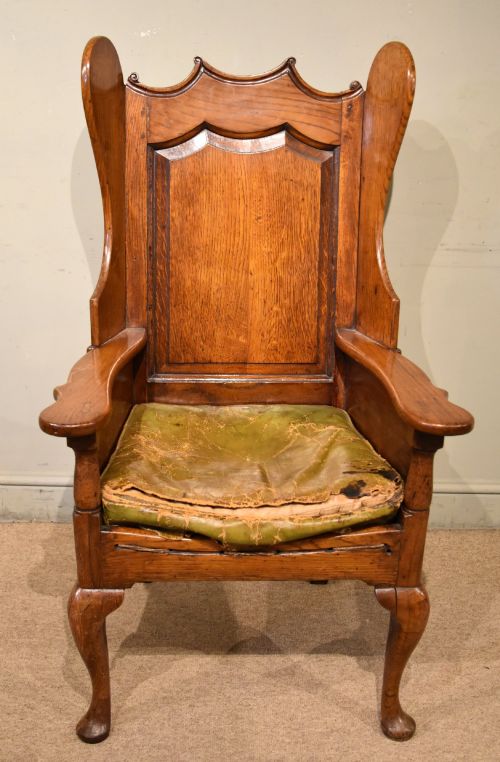
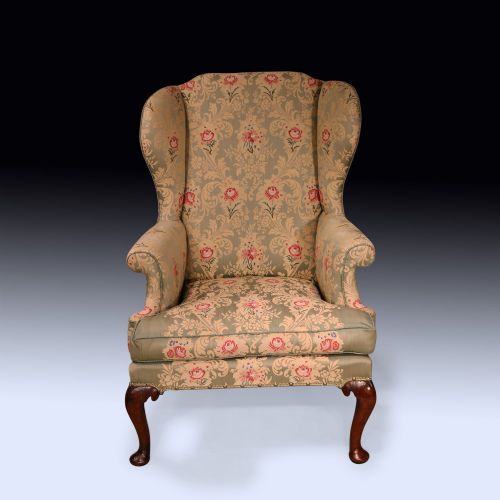
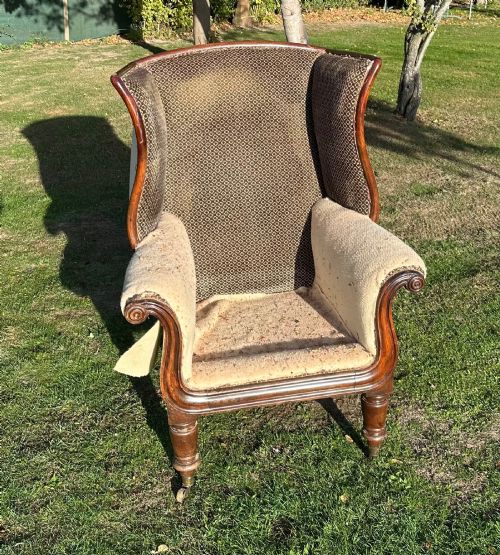
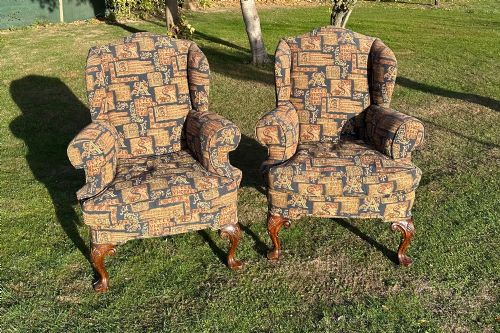
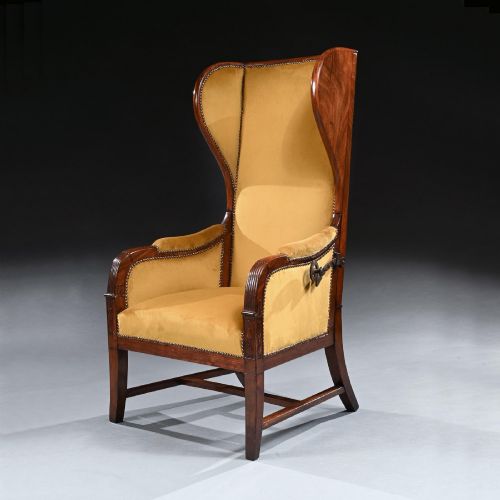
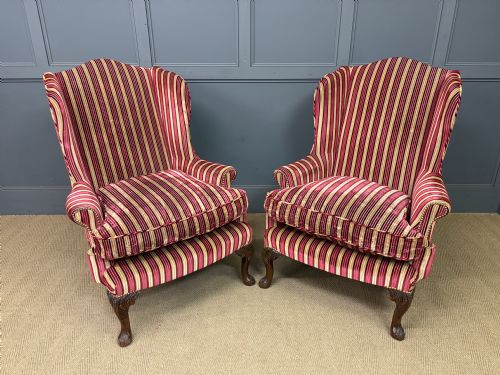
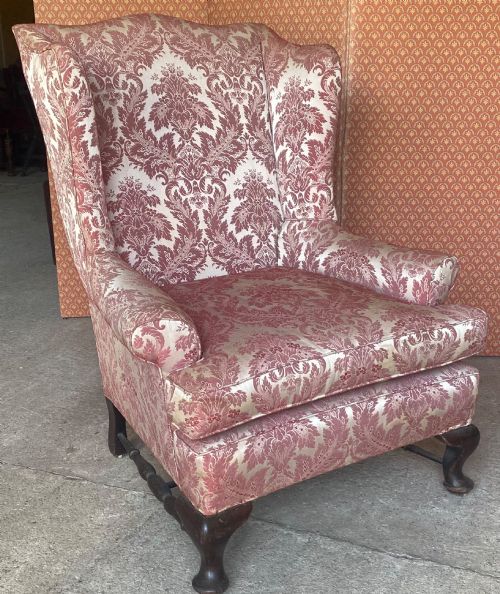
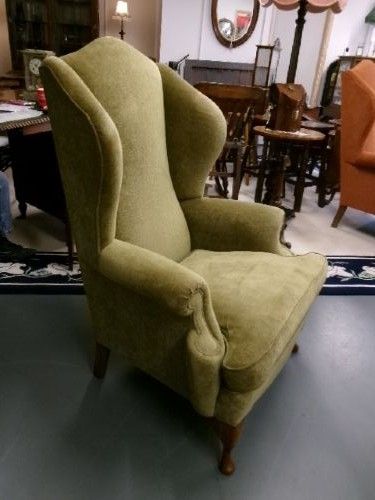
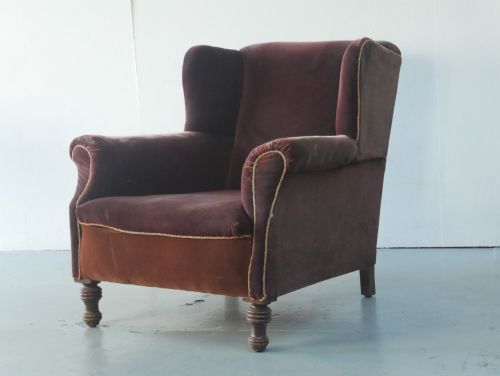
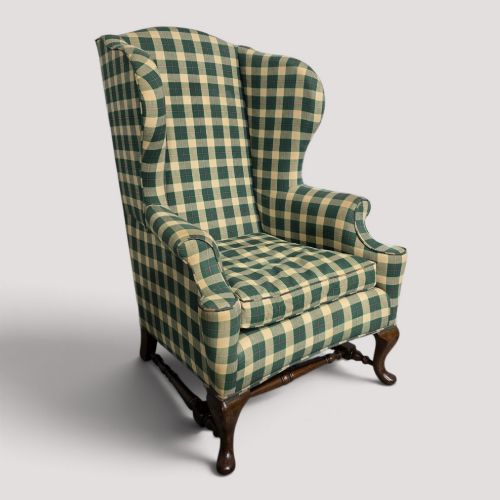
When you search for an antique wingback, you encounter large upholstered armchairs designed to shield the sitter from cold air by the hearth. The examples on this page span the Georgian and Victorian eras, alongside Edwardian and later revival pieces from the early twentieth century.
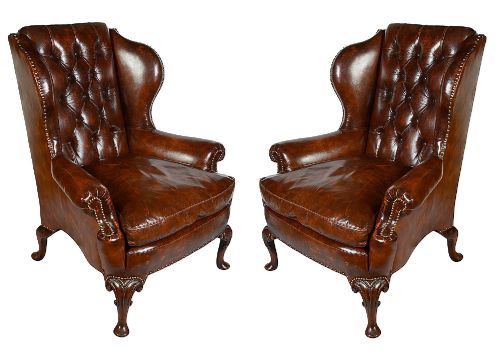
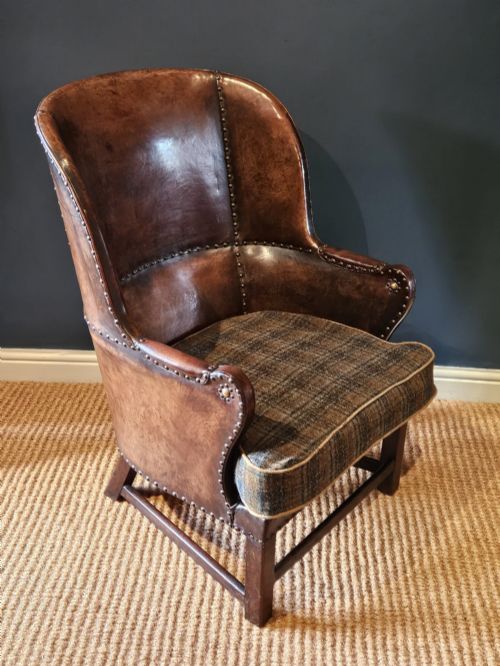
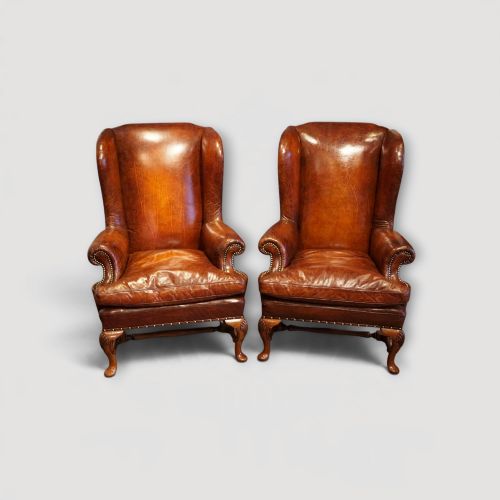
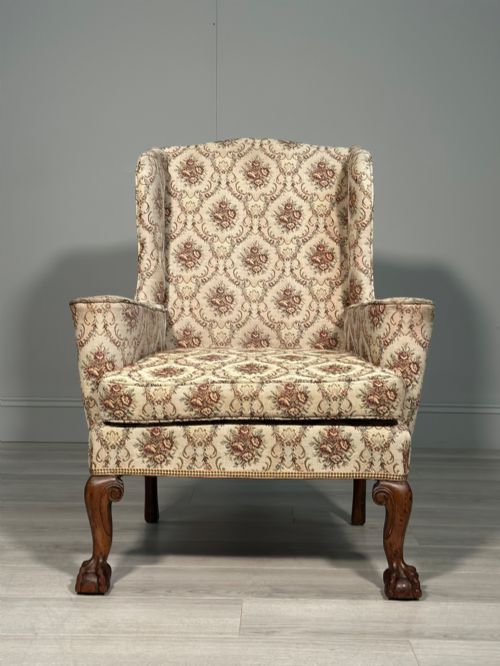
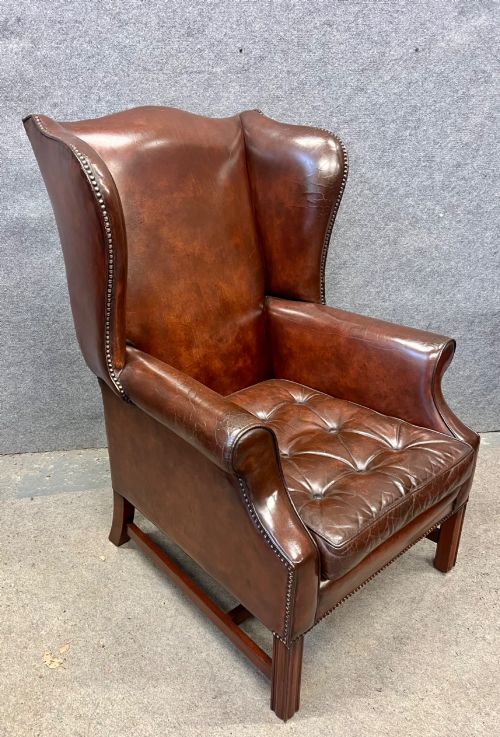
Most entries are individual armchairs upholstered in leather, velvet, or floral fabric, though pairs and small sofas also appear. Forms range from eighteenth-century mahogany frames to sturdy oak and walnut structures from the nineteenth century.
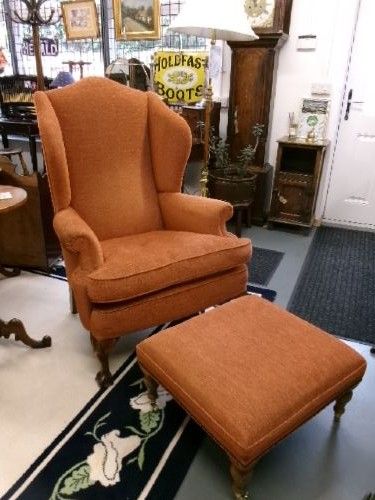
Alongside standard seating, the selection includes smaller children's chairs and associated footstools. These diverse iterations preserve the defining protective side wings that give the group its enduring utility.
Materials and construction
Frames rely on solid hardwoods like mahogany, walnut, oak, and general wood structures that provide structural integrity beneath the upholstery. Carved details occasionally adorn the exposed legs and rails, particularly in Georgian and revival pieces.
Upholstery materials involve traditional leather, textured velvet, brass studding, and diverse fabric coverings. Interior stuffing utilises materials such as feathers to achieve deep, supportive seating.
Antique Wingback Retail Price Guide 2026
Typical asking prices for wingback among the pieces listed under this phrase on Sellingantiques today, from the lower quarter to the upper quarter. They describe what is for sale here now, not the wider market.
The listings encompass items spanning the Georgian, Victorian, and Edwardian eras, constructed from mahogany, walnut, oak, leather, and fabric.
Distinctions in quality
Quality separates through the proportion of the frame and the integrity of the timber beneath the covering. Early mahogany and walnut frames display finer joinery and deliberate carving compared to later mass-produced alternatives.
The choice of covering material and the execution of buttoning or stud work alter the character of the piece significantly. Original leather or period fabric carries greater historical weight than modern replacement upholstery.
The Antique Wingback Glossary
- Wingback
- An armchair featuring high sides and protruding side panels designed originally to trap heat and block draughts.
- Button back
- A style of upholstery where the fabric is pulled tight and secured with recessed buttons, creating a patterned quilted texture.
- Georgian style
- A design aesthetic echoing the classical symmetry and proportions of the eighteenth-century reigns, often revived in later decades.
- Bergere
- An enclosed upholstered armchair with wooden framing, frequently associated with French eighteenth-century designs.
Antique Wingback: Frequently Asked Questions
What is an antique wingback?
An antique wingback is a high-backed upholstered armchair featuring protective side panels, known as wings, designed to retain heat from a fireplace and block room draughts.
These chairs date from the Georgian period through to the early twentieth century, utilising timber frames of mahogany, walnut, or oak beneath leather or fabric upholstery.
How do I date an antique wingback?
Dating relies on observing the timber species, leg design, and construction methods employed in the frame. Eighteenth-century pieces typically exhibit heavier mahogany or walnut structures with hand-carved details, while Victorian and Edwardian examples often display machine-turned legs or different upholstery techniques.
Stylistic revivals in the early twentieth century frequently borrow motifs from earlier Georgian and Queen Anne periods, requiring careful inspection of the wood's age and wear.
Where were wingback chairs placed?
Historically, wingback chairs sat close to the hearth in domestic parlours and libraries to protect the occupant from cold air currents. The side wings trapped warmth generated by the fire around the head and shoulders.
Today, they function as prominent reading chairs or fireside seating in living rooms, studies, and bedrooms.
Are wingback chairs comfortable?
These chairs offer deep, enclosed seating supported by traditional stuffing materials like feathers or dense padding. The high back and padded wings provide substantial head and neck support for long periods of sitting.
Comfort levels also depend on the firmness of the internal upholstery and the height of the seat relative to the floor.