

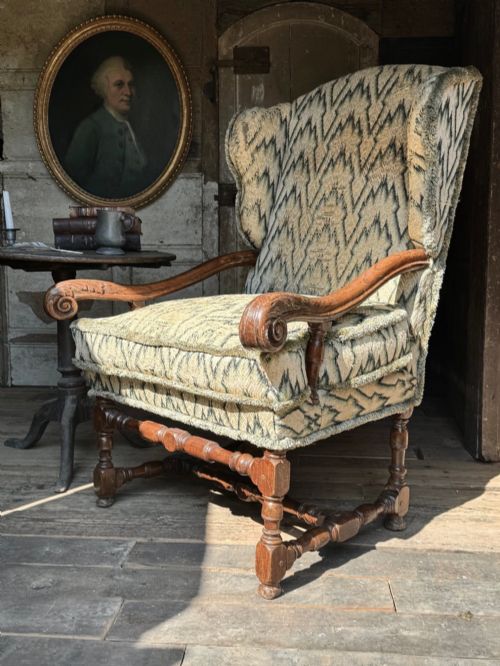


Antique Wing Chair Frame
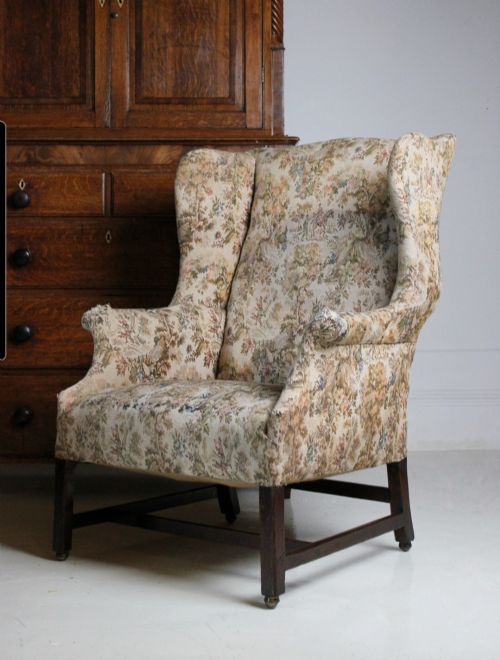
An antique wing chair frame offers exposed timber and deep upholstered wings designed to block draughts by the hearth.
Antique Wing Chair Frame
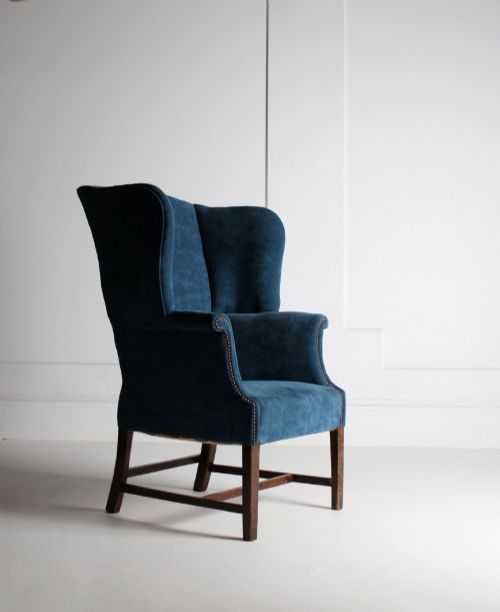
An antique wing chair frame provides the essential skeletal structure for classic fireside seating, featuring high backs and characteristic side panels known as wings. These timber carcasses emerge across various periods, from the robust proportions of the eighteenth century through to lighter Edwardian and later interpretations.
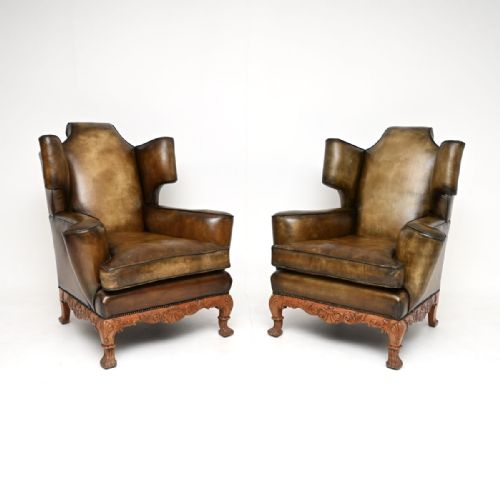
The pieces encountered span styles including Georgian, Victorian, Edwardian, and French Provincial, alongside specific forms like barrel backs and reclining library chairs. Walnut, mahogany, oak, and other hardwoods form the primary exposed structures, often supporting older coverings such as leather, linen, hessian, or modern re-upholstery.
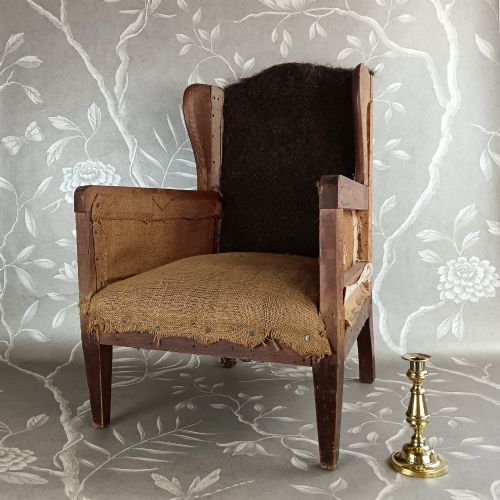
Buyers frequently encounter examples awaiting restoration or re-upholstery, allowing the underlying woodwork and structural joinery to remain fully visible for inspection. This raw state reveals the carpentry methods used by cabinetmakers long before modern foam and webbing replaced traditional stuffing materials.
Materials and construction methods
Cabinetmakers constructed these armchairs using dense hardwoods like mahogany, walnut, oak, and general fruitwoods to ensure the frame could support heavy usage and tensioned upholstery. Exposed show-wood frames often display careful carving along the legs and arms, while concealed internal rails rely on robust mortise and tenon joints.
Traditional upholstery techniques applied layers of hessian, animal hair, and stuffing directly onto the wooden webbing or springs, secured with metal tacks and brass accents. Leather, linen, and wool fabrics were then hand-stitched over the armature to create the signature padded wings and deep seat squabs.
Some Victorian frames feature hidden reclining mechanisms patented specifically for nineteenth-century readers who demanded a nap beside their books.
Markers of distinction and build
The pedigree of a frame rests upon the crispness of the timber carving, the choice of cabinet wood, and the architectural harmony of the wings relative to the legs. Finer examples display fluent lines in the walnut or mahogany, whereas utilitarian frames use simpler oak or mixed hardwoods with minimal shaping.
Structural integrity dictates the standing of each piece, distinguishing carcasses that retain their original corner blocks and tight joints from those weakened by dry rot or historic alterations. The presence of maker stamps or specific mechanical actions, such as reclining mechanisms, elevates certain library and metamorphic chairs above standard domestic seating.
Howard And Sons·J Foot And Son
The Antique Wing Chair Frame Glossary
- Wingback
- An armchair style featuring extended side panels attached to the backrest designed to trap body heat and deflect cold draughts. These panels also served to protect the occupant's face from intense fireside heat.
- Hessian
- A coarse woven fabric typically manufactured from jute or hemp fibres, used historically as a foundational backing material to hold stuffing securely within upholstered seats.
- Show-wood
- The portions of the wooden chair frame left intentionally visible around the arms, legs, and crest rail, often polished or carved to display the grain of walnut or mahogany.
- Barrel back
- A seating variation where the upholstered back curves continuously around to form enclosed armrests, creating a tub-like enclosure distinct from standard rectangular wing chairs.
- Metamorphic
- A descriptive term for furniture engineered with mechanical hinges or pivots allowing the piece to transform its function, such as shifting from an armchair into a recliner.
Antique Wing Chair Frame: Frequently Asked Questions
What is an antique wing chair frame?
An antique wing chair frame is the exposed or stripped wooden skeleton of a traditional fireside armchair, complete with high padded wings and shaped legs. These structural carcasses show the original joinery and timber selection without modern upholstery obscuring the craftsmanship.
Buyers often purchase these frames in unrestored condition to commission bespoke upholstery matching historical interiors or personal taste.
How do I date an old wing chair?
Dating relies on examining the timber species, leg geometry, and the construction marks left by cabinetmakers within the internal framework. Eighteenth-century examples typically show heavier oak or early mahogany framing, while Edwardian and later pieces adopt lighter proportions.
Stylistic shifts between Georgian curves and Victorian or Arts and Crafts movements also help narrow down the decade of manufacture.
Can I reupholster a vintage frame?
Reupholstering a vintage or antique frame is common practice, particularly as many pieces are sold specifically for restoration and recovered linen or leather. Traditional stuffing methods using hessian and animal hair can be reinstated or updated with modern equivalent materials.
Skilled upholsterers work carefully around the original wooden tack holes to preserve the historical integrity of the timber.
Where were wing chairs used?
These armchairs were traditionally placed close to open hearths in country houses and town residences to shield occupants from cold draughts. Library and reading rooms also housed them, sometimes in metamorphic reclining formats designed for extended periods of study.
The enclosed wings kept the sitter warm before central heating existed.