




Antique Wine Urn Stand
An antique wine urn stand is a small, elevated platform designed to hold heavy vessels, combining practical service with refined cabinet-making.
Antique Wine Urn Stand
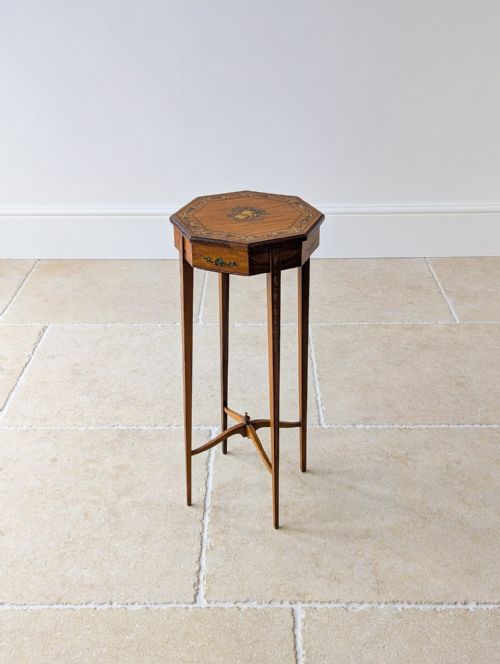
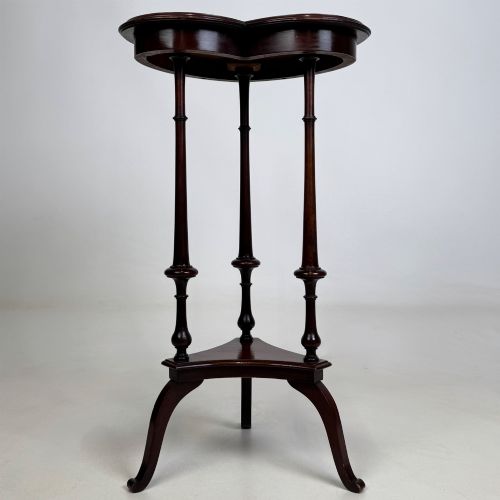
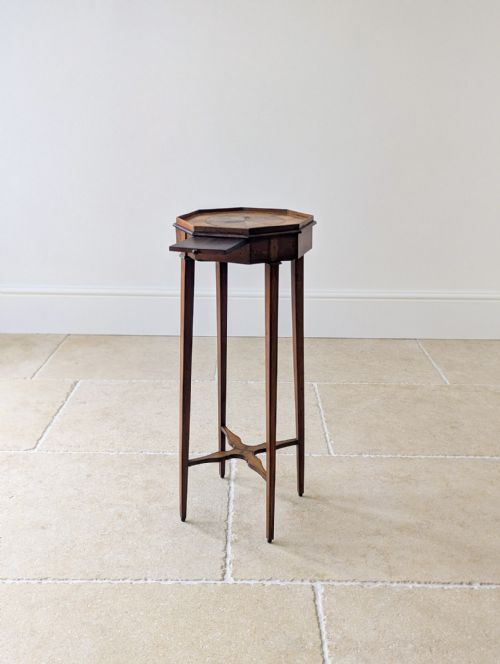
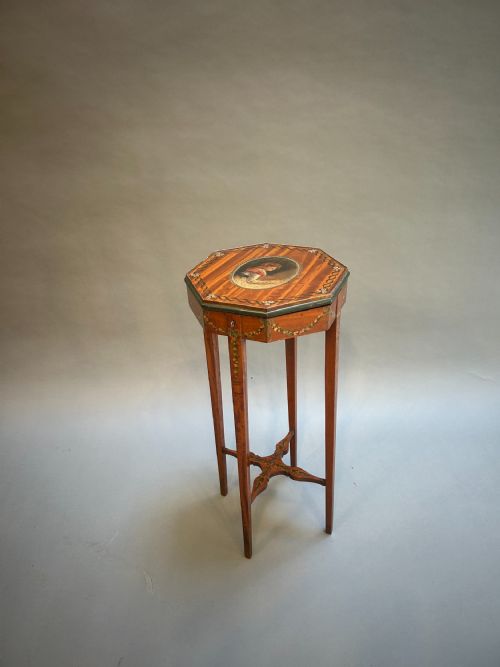
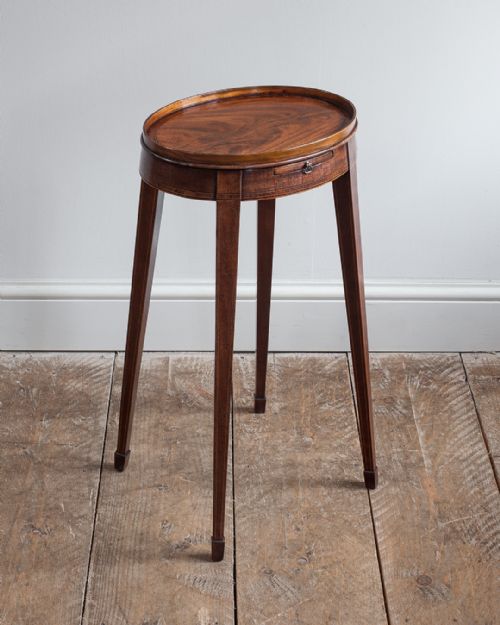
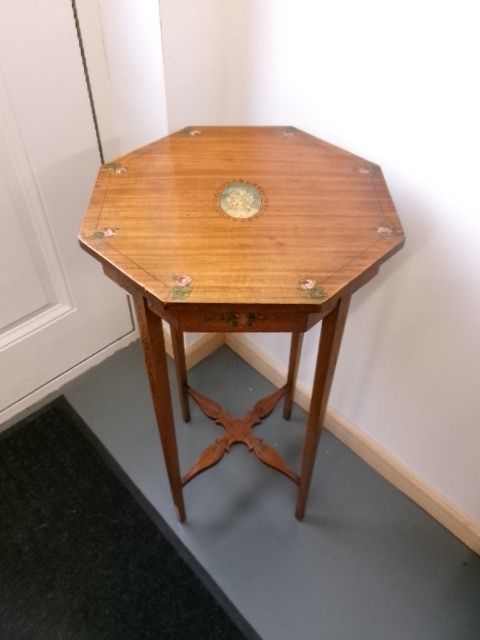
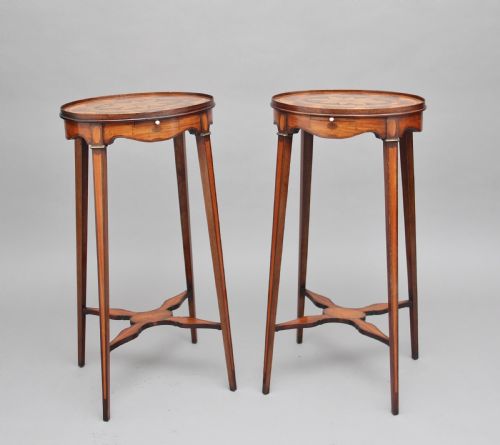
When you search for an antique wine urn stand, you are looking at tall, slender tables built to support beverage vessels, kettles, or decorative jardinieres at a comfortable height for pouring. These pieces appear most frequently in mahogany, satinwood, and walnut, taking forms such as octagonal, oval, or square tables originating from the eighteenth century onwards.
The selection on this page leans heavily toward Georgian originals and later revivals from the Edwardian and Victorian eras. You will encounter forms that double as lamp tables, kettle stands, or candle stands, reflecting how these tall, compact surfaces adapted to changing domestic habits over the centuries.
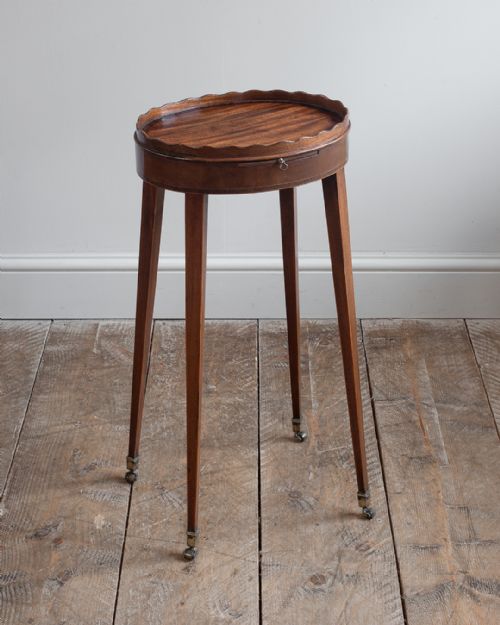
Cabinet-makers designed these small tables with strict proportions to prevent heavy liquid-filled urns from toppling. The tops often feature raised galleries, mouldings, or dished centres to secure the base of a vessel firmly in place during use.
Materials and construction
Cabinet-makers relied on dense hardwoods such as mahogany and occasional exotic timbers like satinwood and rosewood to provide the necessary rigidity for slender pillar-and-claw or four-legged frames. These woods were often enhanced with subtle boxwood stringing, inlay, or hand-painted details.
Joinery had to be exceptionally precise because of the narrow stance and height of an antique wine urn stand. Makers employed sturdy pegging, tenons, and finely turned pedestals to ensure stability without adding clumsy weight to the silhouette.
The markers of finer execution
Superior examples reveal themselves through the crispness of carved details, such as fluted legs, delicate bracket feet, or finely pierced galleries that show no sign of clumsy restoration. The choice of timber grain, particularly figured mahogany or finely matched satinwood veneers, immediately separates standard utility pieces from workshop masterworks.
Proportion and structural integrity dictate the standing of a piece within its period. A well-balanced frame that remains rigid without excessive modern reinforcement demonstrates the original maker's mastery over the inherent stresses placed on tall, narrow furniture.
The Antique Wine Urn Stand Glossary
- Urn stand
- A small, tall table specifically proportioned to hold a heated water urn, tea urn, or wine vessel during formal dining.
- Kettle stand
- A diminutive occasional table intended for a tea kettle, sharing the slender proportions and elevated height of urn stands.
- Gallery
- A raised wooden border, rim, or pierced railing around the edge of a table top to prevent items from sliding off.
- Inlay
- A decorative technique where contrasting woods, such as boxwood or satinwood, are set into recesses flush with the main surface.
- Pedestal table
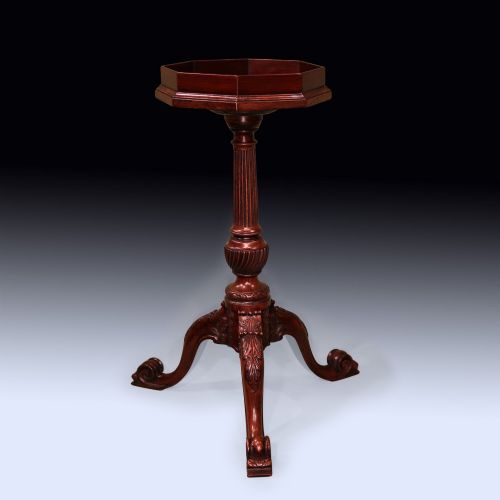
- A table supported by a single central pillar rising from a branched foot or weighted base rather than four corner legs.
Antique Wine Urn Stand: Frequently Asked Questions
What is an antique wine urn stand used for?
These tables originally held heavy vessels filled with hot water, tea, or wine, allowing servants to pour drinks near the dining table without crowding the main surface.
Today, buyers repurpose them as plant stands, lamp tables, or dedicated display surfaces for ceramics in smaller rooms.
How do I tell an 18th century stand from a later revival?
Eighteenth-century pieces display native timber patination, hand-cut joinery marks, and structural wear consistent with heavy domestic service over generations.
Edwardian and Victorian Sheraton Revival pieces often utilise machine-sawn elements, lighter secondary woods underneath, and crisper, less-handled veneer finishes.
Are these stands sturdy enough for daily use?
Their slender legs and tall frames require thoughtful placement away from heavy foot traffic to prevent accidental knocks.
When treated with care, they easily support standard lamps, small planters, or decorative objects without issue.
Why do some tops have raised rims?
Raised galleries and dished timber tops were engineered to secure heavy liquid containers safely in place during busy household service.
This practical feature now helps prevent modern decorative items from sliding off the compact surface.