



Antique Wine Stopper Jug
These antique wine stopper jug pieces combine glass vessels with metal mounts, offering both decorative presence and practical service for the table.
Antique Wine Stopper Jug
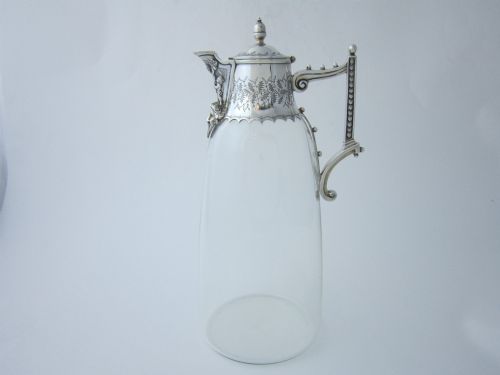
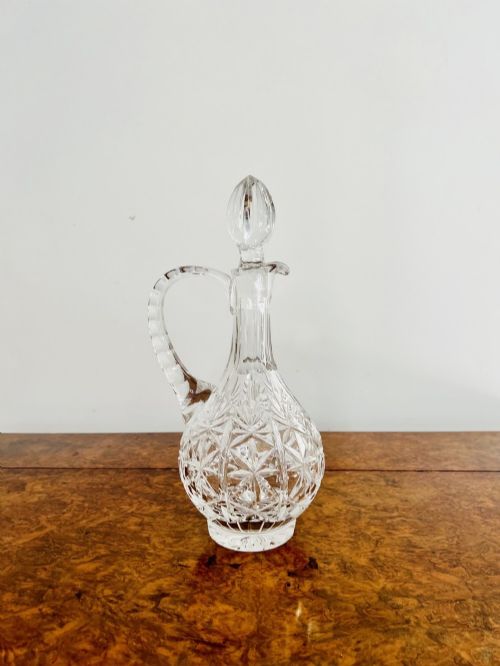
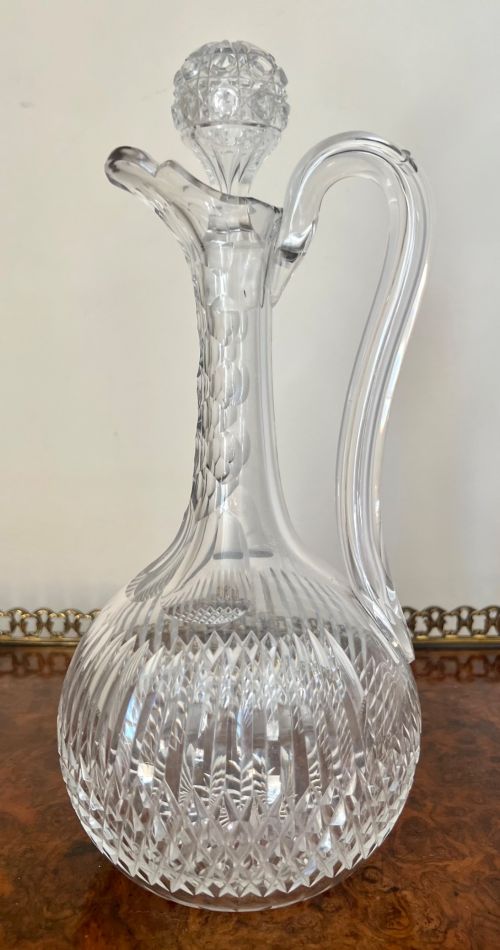
An antique wine stopper jug takes several forms across the Victorian and Edwardian periods, appearing as claret jugs, ewers, and decanters. These vessels combine functional pouring designs with decorative glass bodies intended for formal dining.
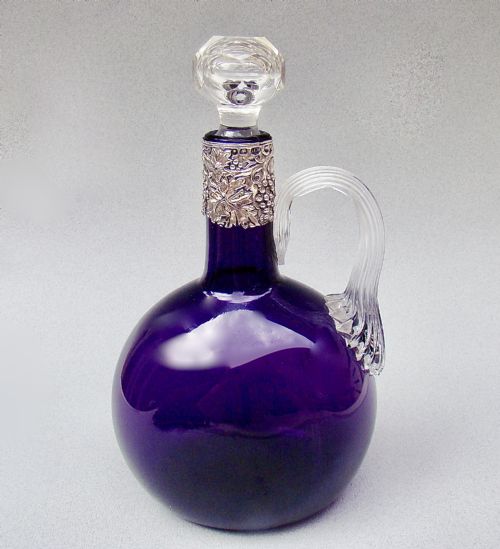
The most common examples on this page date from the Victorian and Edwardian eras, utilising clear, cut, cranberry, and green glass bodies fitted with silver or silverplate mounts.
Materials and construction
Glass bodies are shaped through blowing and cutting techniques, frequently employing lead crystal, cranberry glass, or amber glass. These vessels are then paired with sterling silver or silverplate mounts.
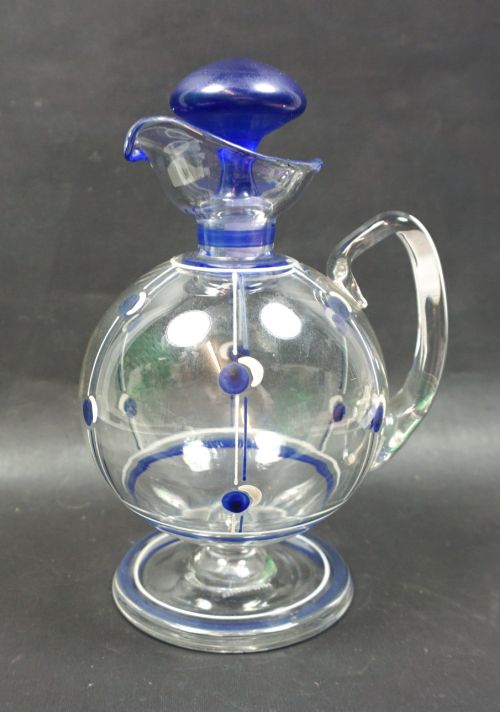
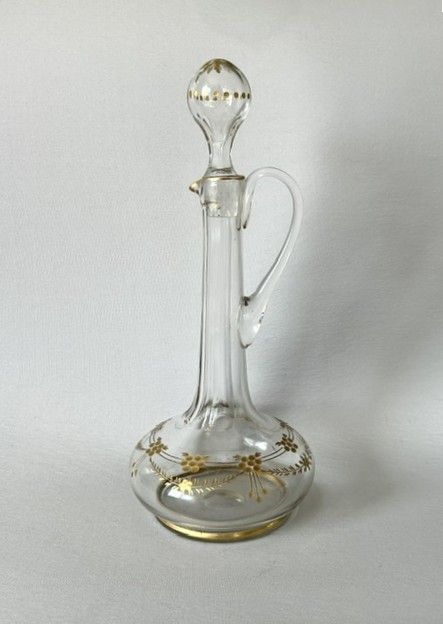
Metalwork mounts are secured around the neck and handle of the glass body, often featuring hinged lids and integral spouts. Enamel decoration and gilding are applied to specific pieces to add surface detail.
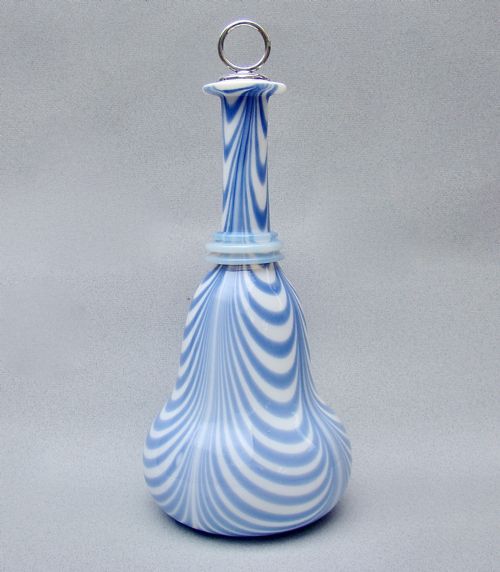
The listings span the Victorian and Edwardian periods up to Art Deco examples from Czechoslovakia, featuring glass and sterling silver.
Evaluating craftsmanship
Quality rests in the weight and clarity of the glass, alongside the precision of any cut or engraved patterns. Deeper, sharper facets reflect light more cleanly and indicate a higher grade of crystal.
The execution of the silver mounts and the firmness of the hinged lid mechanism separate standard production from superior work. Makers who integrate the metal mount securely to the glass body demonstrate better execution.
Henry Matthews
The Antique Wine Stopper Jug Glossary
- Claret jug
- A specialised vessel designed for serving red wine, typically featuring a handle and a hinged metal mount.
- Ewer
- A large jug with a wide spout and a bulbous body, often used for water or wine on the dining table.
- Cranberry glass
- A rich red glass coloured with gold chloride during the manufacturing process, popular during the Victorian period.
- Silverplate
- A base metal coated with a thin layer of silver, commonly utilised for the handles and mounts of nineteenth-century jugs.
- Cut glass
- Glass decorated by grinding facets or patterns into the surface using a rotating wheel.
Antique Wine Stopper Jug: Frequently Asked Questions
What is an antique wine stopper jug used for?
These vessels serve to decant and pour wine at the dining table, combining practical pouring spouts with decorative glass bodies.
Collectors and hosts also utilise them as display pieces on sideboards when not in active service.
How do I date a Victorian glass jug?
Dating relies on examining the style of the cut glass patterns, the shape of the silver mounts, and any hallmarks present on the metal.
Victorian pieces often display heavier glass forms and specific silver assay marks that point to particular decades of production.
Are these jugs safe to use for serving wine?
Most antique glass jugs remain structurally sound for holding and pouring wine during meals, provided they receive careful handling.
Hand washing in warm water preserves the glass and any delicate silver mounts or enamel decoration.
What is the difference between a decanter and a claret jug?
A decanter generally relies on a glass stopper to seal the vessel, whereas a claret jug incorporates a fitted metal lid and handle.
Claret jugs are specifically built with spouts designed for the direct pouring of red wine at the table.