


Antique Wine Bottle Label
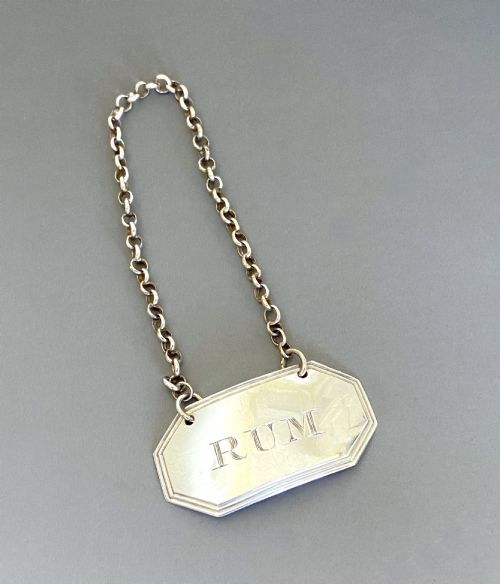
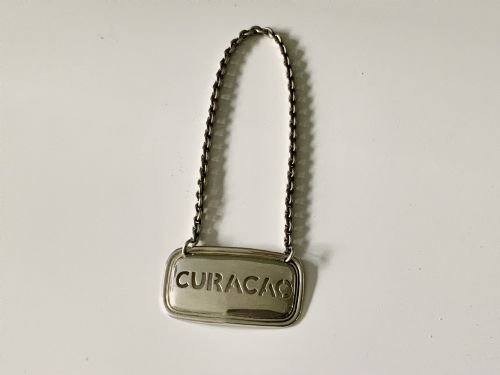
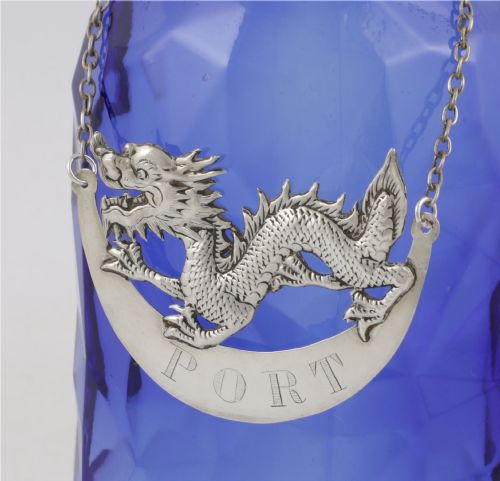
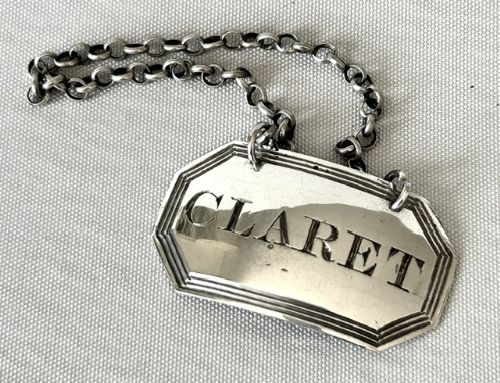
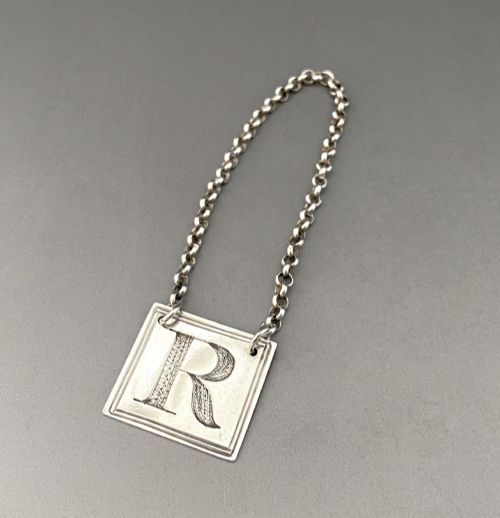
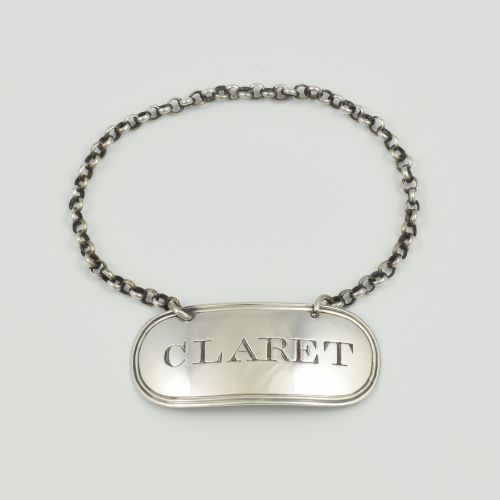
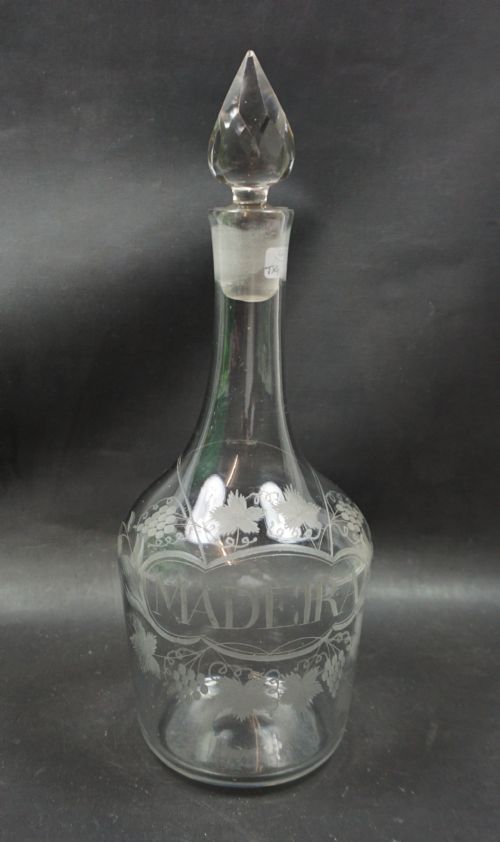
An antique wine bottle label sits on the neck of a decanter, naming the contents in pierced or engraved silver.
Antique Wine Bottle Label
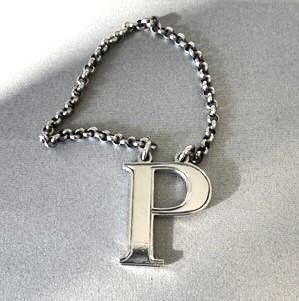
An antique wine bottle label, also known as a decanter label or bottle tag, identifies the spirit or wine held within a vessel. These small silver or ceramic markers hang from chains around the necks of decanters on the dining table or sideboard.
The pieces on this page span the Georgian, Victorian, Regency, and Edwardian periods. Most examples encountered here are cast, pierced, or engraved in sterling silver, alongside ceramic wine cellar bin labels and glazed earthenware items.
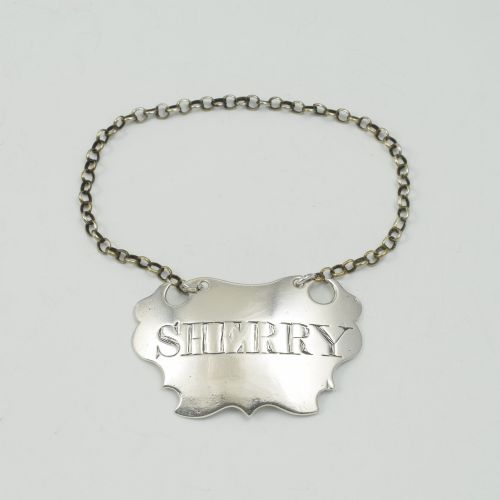
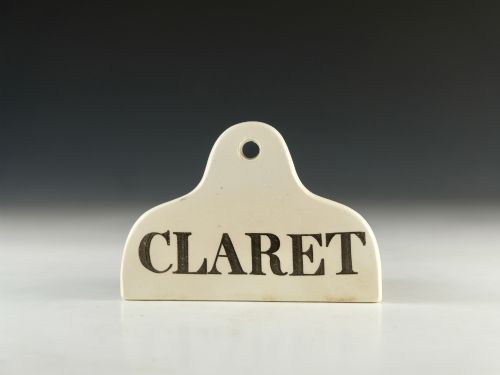
Makers shaped these tags into escutcheons, vine leaves, and geometric rectangles. They bear titles such as Sherry, Madeira, Claret, Port, and Rum, matching the traditional contents of the cellar.
How they were made
Silversmiths utilised sterling silver and solid silver, occasionally applying silver gilt for a richer surface. Makers formed the plates through piercing, engraving, and casting, suspending them on matching silver chains.
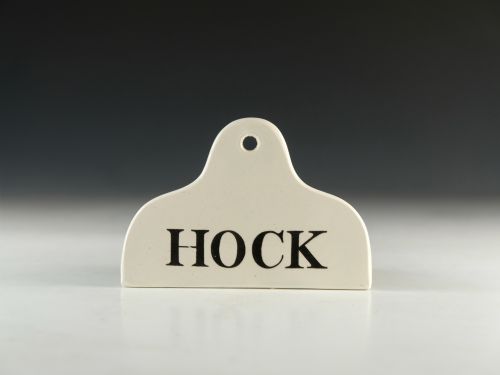
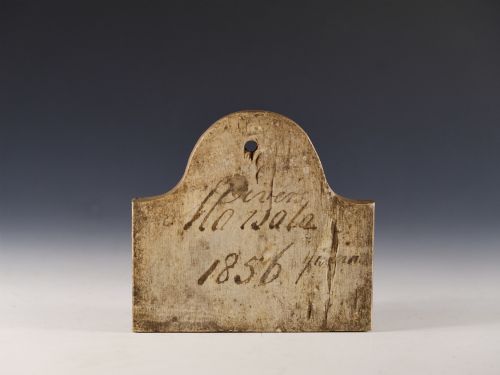
Potters produced ceramic, creamware, earthenware, and glazed earthenware versions for bin storage. Enamel work also appears on mid twentieth century examples from Birmingham.
Craftsmen hammered and chased details such as grapes and vine leaves onto the metal, creating tactile borders for the engraved beverage titles.
Listings feature sterling silver, earthenware, and enamel materials across Georgian, Victorian, and Edwardian periods.
What varies in quality
The weight and gauge of the sterling silver plate govern the substance of the piece. Thicker metal holds crisp piercing and deep engraving without bending along the suspension chains.
Design execution separates standard production tags from workshop output by named silversmiths. Details like naturalistic vine leaf framing and hand-engraved lettering indicate higher skill.
Original matching chains and legible hallmarks add clarity to the origin of the silver. Ceramic bin labels rely on the sharpness of the transfer print and the glaze condition.
Elizabeth Morley·Tiffany·Digby Scott Benjamin Smith·John Reily·Thomas Wallis II·William Sharp
The Antique Wine Bottle Label Glossary
- Escutcheon
- A shield shaped plate used for heraldry or inscriptions. On these pieces, the shield format provides a central field for the wine title.
- Silver gilt
- Silver covered with a thin layer of gold. This treatment gives the metal a warm yellow tone.
- Bin label
- A tile or tag hung in a wine cellar rather than on a decanter. These identify the bin contents using ceramic or earthenware materials.
- Hallmark
- A series of official marks stamped on precious metals. These indicate the maker, standard of silver, assay office, and year of assay.
- Creamware
- A fine light coloured earthenware perfected in the eighteenth century. It forms the body of specific cellar and bottle tags.
Antique Wine Bottle Label: Frequently Asked Questions
What is an antique wine bottle label?
An antique wine bottle label is a small tag hung around the neck of a decanter to identify the drink inside. These pieces use metals like sterling silver or materials such as ceramic.
Silversmiths shaped them into vine leaves, shields, and rectangles, engraving titles like Port, Sherry, and Madeira onto the surface.
How were decanter labels used?
Hosts hung the labels from chains around the bottlenecks of decanters during formal dining. This system kept guests informed of the contents when bottles looked identical.
Heavier ceramic versions served as bin labels, hung in the wine cellar to mark specific racks.
How do I date an antique label?
Hallmarks stamped into the silver provide the most reliable guide to the date and origin. These marks record the assay office, year letter, and silversmith.
Stylistic cues also help, as Georgian pieces often feature bright-cut engraving while Victorian examples lean towards naturalistic vine leaf castings.
Are silver labels fragile?
Solid silver labels are durable daily items, though the thin suspension chains require gentle handling. The metal resists regular use if stored properly on decanter necks.
Enamel or ceramic pieces need more care to prevent chips on the glazed surfaces.