
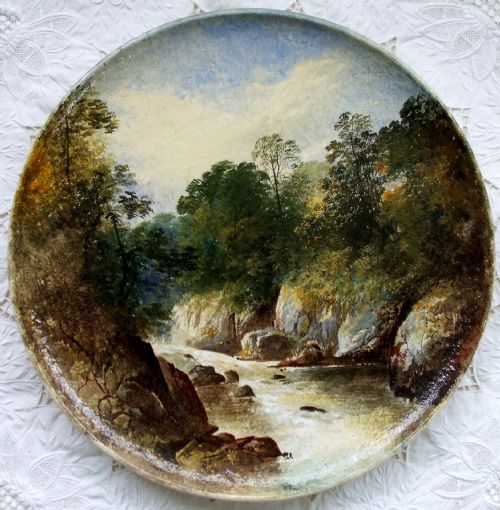


Antique Welsh Landscape Art
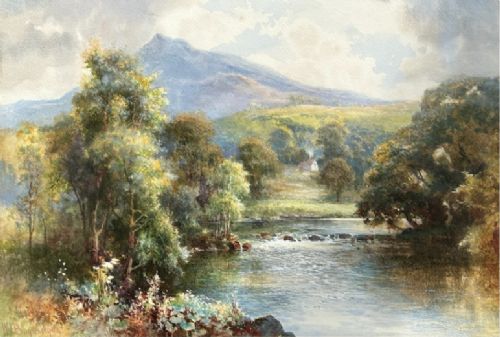
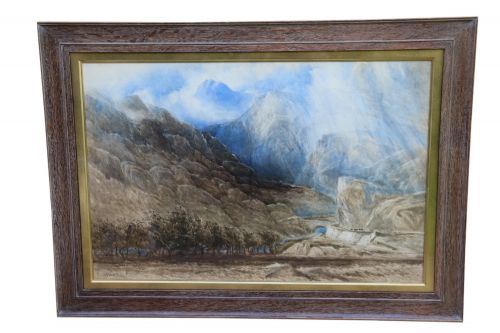
These pieces of antique welsh landscape art capture mountains, rivers and historic castles through the eyes of visiting and resident artists.
Antique Welsh Landscape Art
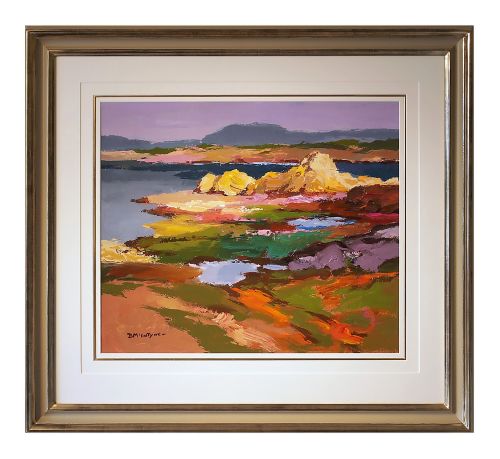
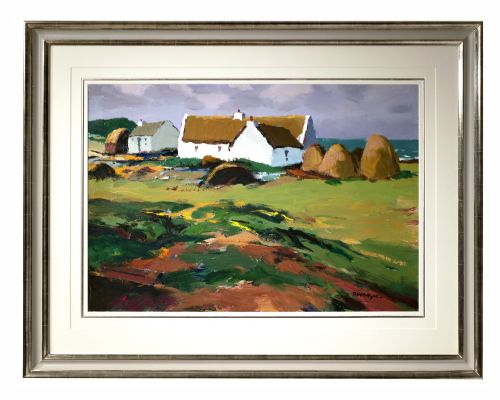
When searching for antique welsh landscape art, buyers encounter framed watercolours and oil paintings depicting dramatic scenery from Snowdonia, river valleys and coastal estuaries. These works span from the late eighteenth century through the Victorian era and into the early twentieth century, reflecting shifting artistic approaches to the terrain.
The most common formats on this page are nineteenth-century watercolours on paper and oil paintings on canvas or wood panel. Many focus on recognizable geographical landmarks such as the Conwy Valley, the Llugwy river, Cader Idris and various ruined castles.
Beyond traditional canvas and paper works, the selection occasionally extends to decorative ceramic plaques and folk art items painted with local Welsh views. These objects served as both personal mementos for travellers and expressions of regional British romanticism.
What Varies in Quality
Quality rests upon the artist's command of atmospheric perspective, brushwork control, and the fidelity with which the topography and light are rendered. Finer works capture the specific geological character of Welsh mountain ranges and river catchments rather than relying on generic formulas.
The sophistication of the composition and the condition of the pigments also distinguish superior examples. Works displaying stable canvas tension, minimal retouching, and original period framing retain greater artistic integrity.
Listings feature nineteenth-century oil paintings and watercolours depicting North Wales locations including Betws-y-Coed, Snowdonia, and the Menai Strait.
Copeland Pottery·Sidney Richard Percy·Benjamin Williams Leader·Cornelius Pearson
The Antique Welsh Landscape Art Glossary
- Gesso
- A plaster-like mixture applied to wood frames as a base for gilding. It provides a smooth surface for intricate decorative moulding.
- Giltwood
- Timber carved and coated with a thin layer of gold leaf or metallic paint. It is standard for framing nineteenth-century fine art.
- Watercolour
- A painting method where fine pigments are suspended in a water-based solution on paper. It relies on the white of the paper showing through translucent washes.
Antique Welsh Landscape Art: Frequently Asked Questions
What periods do these paintings come from?
The works primarily date from the late eighteenth century through the Victorian period and into the Edwardian era. Artists travelled extensively through Wales during these decades, drawn by the Romantic movement and improved transport links.
Most pieces originate between eighteen-hundred and nineteen-twenty, capturing the landscape before twentieth-century industrial development altered certain valleys.
How should I hang and light them?
Keep watercolours and works on paper away from direct sunlight to prevent the fading of delicate pigments. Use directional picture lighting placed above the frame rather than harsh spotlights.
Maintain stable indoor humidity levels to protect nineteenth-century canvas, wood panels, and original gesso frames from cracking.
How do I identify different valleys and mountains?
Artists frequently inscribed the specific location on the reverse of the canvas, on the paper mount, or directly within the lower margins of the composition. Familiar landmarks like Moel Siabod, the Conwy River, and Cader Idris appear repeatedly in titles and visual motifs.
Comparing the depicted peaks and watercourses with regional maps helps confirm the exact Welsh setting.
Are original frames important?
Original giltwood and wood frames contribute significantly to the historical integrity and visual harmony of nineteenth-century art. They were selected by contemporary framers to complement the palette and scale of the specific painting.
Inspecting the back of the frame often reveals old dealer labels, signatures, and exhibition stamps that provide additional provenance.